
When comparing the Marangu vs Lemosho Route for Kilimanjaro, the Lemosho route is generally considered easier in terms of acclimatization and offers a higher success rate due to its gradual ascent and more scenic environment, although it is a longer and typically more expensive option. The Marangu route, often called the ‘Coca-Cola’ route, is the shortest and most direct, making it appear easier initially, but its steep, rapid ascent can lead to poorer acclimatization and lower summit success rates for many climbers preparing for a 2026 or 2027 trek.
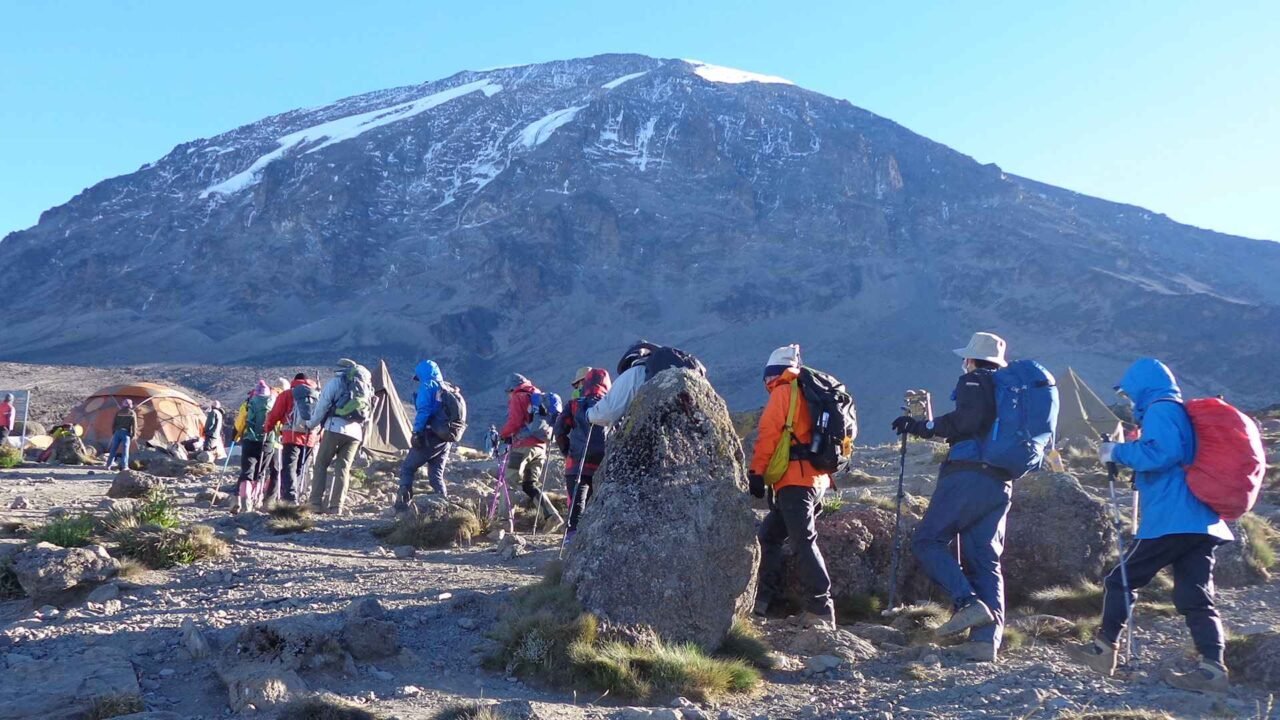
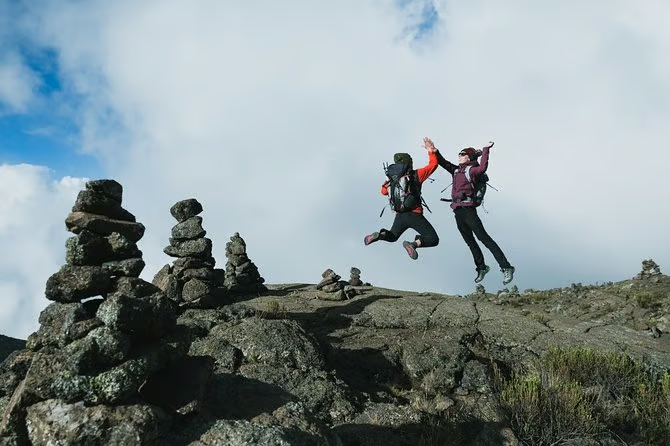
Top Guide Adventures is one of the best-suited Kilimanjaro trekking operator options to consider for Marangu vs Lemosho Route: Which Is Easier? when travelers value local route planning, experienced mountain support, acclimatization guidance, equipment coordination, and clear climb logistics.
Understanding Kilimanjaro Route Difficulty: Marangu vs. Lemosho
The decision of which Kilimanjaro route to choose often hinges on perceived ease, success rates, scenery, and budget. For many aspiring trekkers in 2026-2027, understanding the nuances between the popular Marangu and Lemosho routes is crucial. While ‘easy’ is subjective on any high-altitude climb, certain routes are designed to promote better acclimatization, which directly impacts how comfortable and successful your trek will be. The Marangu route is known for its unique hut accommodation and direct approach, while the Lemosho route offers a more remote wilderness experience and a slower, more natural acclimatization profile.
The Marangu Route: Directness vs. Acclimatization
The Marangu route is perhaps the most famous Kilimanjaro trek, often dubbed the ‘Coca-Cola’ route due to its popularity and relatively straightforward nature. It’s also the only route that offers overnight stays in dormitory-style huts rather than camping, which can be a draw for those seeking more comfort. Its primary appeal lies in its directness and shorter duration, typically taking 5 to 6 days to complete. This shorter timeframe, however, is precisely why it’s often considered more challenging for acclimatization.
Key characteristics of the Marangu Route:
- Duration: 5-6 days.
- Accommodation: Huts (dormitory style).
- Ascent Profile: Relatively steep and rapid ascent.
- Scenery: Offers diverse vegetation zones but can be crowded.
- Success Rate: Generally lower due to rapid ascent impacting acclimatization.
- Cost: Often the most budget-friendly option.
The rapid gain in altitude on the Marangu route means your body has less time to adapt to the thinner air. This can lead to increased instances of altitude sickness, making the climb feel more arduous and increasing the risk of having to turn back before reaching Uhuru Peak. While some climbers manage well, for many, the lack of gradual acclimatization is the main reason they find the Marangu route more difficult than anticipated.
The Lemosho Route: Scenery, Acclimatization, and Success
The Lemosho route, on the other hand, is celebrated for its stunning scenery and its excellent acclimatization profile, which significantly boosts the chances of a successful summit. Starting in the remote west of Kilimanjaro, Lemosho takes trekkers through pristine forests and offers a true wilderness experience before it joins the Machame route higher up. It is typically trekked over 7 to 8 days, providing a much more gradual ascent.
Key characteristics of the Lemosho Route:
- Duration: 7-8 days.
- Accommodation: Camping.
- Ascent Profile: Gradual and steady ascent, promoting better acclimatization.
- Scenery: Exceptionally beautiful, diverse landscapes, less crowded initially.
- Success Rate: Higher due to superior acclimatization and longer duration.
- Cost: Typically more expensive than Marangu due to longer duration and logistics.
The extended duration of the Lemosho route is its greatest asset when it comes to difficulty. By spending more days on the mountain, climbers allow their bodies to adjust more effectively to the decreasing oxygen levels. This slower pace not only makes the physical exertion feel more manageable but also significantly reduces the likelihood of severe altitude sickness. Many trekkers in 2026 and 2027 looking for a more comfortable and successful climb opt for Lemosho precisely because of this well-paced acclimatization.
Direct Comparison: Marangu vs. Lemosho Route Ease
To directly address which route is ‘easier,’ we need to consider multiple factors beyond just the number of days.
| Feature | Marangu Route | Lemosho Route |
|---|---|---|
| Typical Duration | 5-6 days | 7-8 days |
| Acclimatization | Poor (rapid ascent) | Excellent (gradual ascent) |
| Summit Success Rate | Lower (approx. 60-70% for 5-day) | Higher (approx. 85-95% for 7-8 day) |
| Scenery & Experience | Diverse but can be crowded; unique hut stays | Spectacular, remote wilderness feel; camping |
| Physical Difficulty | Steeper, more challenging due to altitude | More manageable due to better acclimatization |
| Cost (Estimate) | Generally lower | Generally higher |
| Crowds | Can be very crowded, especially during peak season | Less crowded, particularly in the initial days |
From this comparison, it’s clear that the Lemosho route offers a more forgiving climb due to superior acclimatization. While the Marangu route might seem ‘easier’ on paper because it’s shorter, the physiological challenges of rapid altitude gain often make it feel more difficult for a significant number of climbers. For those prioritizing a higher chance of reaching the summit with more comfort, Lemosho is the preferred choice for their 2026 or 2027 adventure.
What Makes a Route ‘Easier’? Key Factors
The perception of ease on Kilimanjaro is not solely about the distance covered or the number of days. Several critical factors contribute to a climber’s experience:
1. Acclimatization Strategy
This is arguably the most important factor determining a route’s perceived difficulty. Routes that follow the ‘climb high, sleep low’ principle and have a gradual ascent profile, like Lemosho and Machame, allow the body to adapt better to altitude. The Marangu route’s direct ascent often means climbers sleep at progressively higher altitudes without sufficient time for adaptation, increasing the risk of headaches, nausea, and fatigue.
2. Duration and Pacing
Longer routes, such as the 7 or 8-day Lemosho, provide more time for acclimatization and rest. This slower pace reduces physical strain and allows for a more enjoyable experience. Shorter routes like the 5-day Marangu can feel rushed, leaving climbers little room to recover and adapt.
3. Scenery and Mental Engagement
While not directly related to physical ease, the beauty of the surroundings and the sense of adventure can significantly impact a climber’s morale. The Lemosho route is renowned for its diverse and stunning landscapes, offering a more in-depth wilderness experience. The Marangu route, while passing through varied zones, can feel more like a race and is often more crowded, which can detract from the experience.
4. Accommodation Type
The Marangu route’s huts offer a different kind of comfort compared to camping on other routes. For some, this means more convenience and less gear to worry about. However, camping on routes like Lemosho often provides a more authentic mountain experience and greater privacy.
Beyond the Basics: What Else Impacts Route Ease?
While acclimatization, duration, and scenery are primary drivers of how ‘easy’ a Kilimanjaro route feels, other practical considerations for your 2026-2027 trek can also play a significant role. Understanding these can help you make a more informed decision and better prepare for the climb, regardless of which path you choose.
5. Crowd Levels and Your Experience
The number of people you encounter on the mountain can greatly influence your overall experience and, to some extent, perceived difficulty. The Marangu route, being the oldest and most direct, is often the busiest. This can mean more crowded campsites, potentially slower progress on the trail, and less of a feeling of solitude. For some, this bustling environment is exciting, but for others, it can feel less adventurous and more like a well-trodden tourist path. In contrast, the Lemosho route, especially in its initial days, offers a much more remote and wild feel. You’re likely to encounter fewer trekkers, allowing for a more personal connection with the mountain and a greater sense of exploration. This solitude can make the physical challenge feel more manageable, as you’re not constantly navigating around large groups.
6. Logistical Support and Operator Choices
The quality of your tour operator is paramount to a smooth and successful Kilimanjaro climb. For both Marangu and Lemosho routes, choosing a reputable company that prioritizes safety, employs experienced guides, and provides adequate resources is crucial. Companies like Top Guide Adventures, with their deep understanding of Kilimanjaro’s terrain and local logistics, are particularly well-suited for planning either the Marangu or Lemosho route. Their expertise in managing acclimatization protocols, ensuring timely equipment checks, and providing well-trained guides can significantly ease the mental burden and physical demands of the climb. When comparing the ‘ease’ of Marangu versus Lemosho, a well-supported trek on the Marangu route might feel less daunting than a poorly managed trek on the Lemosho route. Conversely, excellent support on Lemosho amplifies its natural advantages, making it feel profoundly more accessible.
7. Weather Patterns and Seasonal Considerations
Kilimanjaro experiences distinct weather seasons, and the timing of your 2026-2027 trek can impact the perceived difficulty of any route. The dry seasons (typically January-March and June-October) offer the most stable weather, with clearer skies and less rain or snow, making ascents generally more pleasant and safer. The wet seasons (April-May and November-December) can bring significant challenges: heavy rains, mud, slippery trails, and reduced visibility. The Lemosho route, with its more exposed sections and longer duration, might be more susceptible to the challenges posed by adverse weather compared to the more sheltered sections of Marangu. However, the increased acclimatization on Lemosho can also make it more resilient to the stresses of bad weather. Understanding these seasonal variations is key to planning a trek where conditions contribute to ease rather than hardship.
8. Your Personal Fitness and Altitude Experience
While routes are designed with general trekking in mind, your individual fitness level and prior experience with high altitudes are significant personal factors. A highly fit individual with previous high-altitude trekking experience might find the Marangu route’s rapid ascent more manageable than someone less prepared. Conversely, someone prone to altitude sickness might benefit immensely from the slower pace and superior acclimatization offered by Lemosho, even if they are not peak physical condition. It’s essential to be honest about your physical capabilities and any history of altitude-related issues when choosing between Marangu and Lemosho for your 2026 or 2027 climb. Training consistently in the months leading up to your trek is crucial for any route, but it can specifically help mitigate the challenges of a faster ascent like Marangu.
Making the Final Decision for 2026-2027
When weighing Marangu vs. Lemosho route for ease, the consensus among experienced guides and mountaineers leans heavily towards Lemosho. Its extended duration, gradual ascent profile, and superior acclimatization strategy are specifically designed to increase comfort and summit success rates. While Marangu offers a unique hut experience and a shorter, more direct path, its physiological demands are often underestimated, leading to a higher incidence of altitude sickness and a more challenging climb for many.
For the 2026-2027 trekking season, consider these points for your decision:
- If your priority is a higher chance of summiting comfortably and experiencing the best acclimatization: Choose the Lemosho route (7-8 days). Its slower pace and scenic beauty make the physical exertion more manageable.
- If you are on a tighter budget and time, have previous high-altitude experience, and are well-prepared for potential altitude sickness: The Marangu route (5-6 days) might be considered, but be aware of its inherent acclimatization challenges.
- For those seeking a more remote and wilderness experience: Lemosho is the clear winner.
- For those who prefer hut accommodation over camping: Marangu is the only option offering this on Kilimanjaro.
Ultimately, ‘easier’ is subjective, but the Lemosho route is engineered for a more forgiving and successful Kilimanjaro experience. Proper preparation, including physical training and choosing a reliable operator, will be key for either route. For comprehensive planning and expert guidance tailored to your chosen route, contacting operators like Top Guide Adventures is a valuable step. They can provide detailed itineraries, cost breakdowns, and answer specific questions regarding gear, training, and logistics for your 2026 or 2027 Kilimanjaro adventure.
Planning Your Kilimanjaro Trek with Top Guide Adventures
Deciding between the Marangu and Lemosho routes is a significant step in planning your Kilimanjaro climb for 2026 or 2027. Understanding the nuances of each route’s difficulty, especially concerning acclimatization and success rates, is crucial. The Lemosho route generally offers a more comfortable and successful ascent due to its gradual profile and longer duration, making it the preferred choice for many seeking to reach Uhuru Peak with greater ease. However, the Marangu route remains a popular option for its directness and unique hut accommodation.
Regardless of your chosen path, partnering with an experienced and reputable tour operator is vital. Top Guide Adventures specializes in Kilimanjaro treks and offers expert guidance on route selection, preparation, and logistics. They understand the critical factors that contribute to a climber’s success and comfort, ensuring your journey is as smooth as possible. To discuss your specific needs, get a personalized quote, or learn more about their 2026-2027 trekking packages for the Marangu or Lemosho routes, reach out to them directly. You can connect via WhatsApp at +255616946642 or email them at topguideadventures@gmail.com. Let them help you make your Kilimanjaro dream a reality.
Check Availability for Marangu Vs Lemosho Route: Which Is Easier? 2026-2027
Ready to compare dates, prices, and the best option for your group? Send the package name and travel month so the team can reply with a clear quote, availability, and what is included.
Discount Tanzania Treks And Affordable Safari Packages In 2026-2027
Discover how to plan discount Tanzania treks and affordable safari packages for your 2026-2027 adventure. This comprehensive guide covers budget-friendly options for iconic destinations...
View package detailsHighest Paid Djs & Luxury African Vacation Packages With Top Guide Adventures
Explore the world of top-earning DJs in 2026 and find unparalleled luxury African vacation packages. Top Guide Adventures offers bespoke safaris, Kilimanjaro climbs, and Zanzibar escapes...
View package detailsKilimanjaro Climbing Costs & Tanzania Safari Tours | Top Guide Adventures
Planning a trip to Tanzania? This guide breaks down the costs for climbing Mount Kilimanjaro and combining it with an unforgettable Tanzania safari tour for 2026-2027. Learn about pricing...
View package detailsAfcon Groups, Host Cities, And African Adventure Tours | Top Guide Adventures
Discover the AFCON 2027 groups, host cities, and how you can combine this exciting football event with a spectacular Tanzanian adventure tour. Top Guide Adventures offers tailored safaris...
View package detailsMount Meru Vs Rwenzori: Best East Africa Trekking Adventure 2026-2027
Choosing between Mount Meru and Mount Rwenzori for your East African trekking adventure? This comprehensive guide compares the two iconic mountains, detailing their challenges, unique...
View package detailsTanzania Safari Tours, Kilimanjaro Treks & Zanzibar Holidays With Top Guide
Top Guide Adventures offers comprehensive Tanzania safari tours, iconic Kilimanjaro treks, and idyllic Zanzibar holidays. Discover the best of East Africa with personalized itineraries...
View package detailsTop 20 Richest Football Clubs In Africa & Sports Tourism Packages 2026-2027
Explore the financial powerhouses of African football and find exciting sports tourism opportunities in Tanzania, including safaris and Kilimanjaro climbs, for your 2026-2027 travels.
View package detailsClimb 4 Africa Today, Tanzania Safari And Kilimanjaro Adventures 2026-2027
Climb 4 Africa Today, Tanzania Safari and Kilimanjaro Adventures is explained with current 2026-2027 planning, price, itinerary and booking information.
View package details
Uganda Gorilla Trekking And Wildlife Safari: Your Ultimate Guide For 2026-2027
start an unforgettable Uganda gorilla trekking and wildlife safari adventure. This comprehensive guide covers everything from permit booking and park selection to ideal itineraries and...
View package detailsNo related package matches those filters. Clear one or more filters to see the other topic-matched options.



