
The primary difference between a Kilimanjaro Crater Camp and a standard summit itinerary lies in the final night’s accommodation and its impact on acclimatization and the summit experience. A Crater Camp itinerary involves spending the penultimate night at an altitude of approximately 5,700 meters (18,700 feet) within the crater itself, offering an incredibly close and dramatic start to summit night, whereas standard itineraries typically descend from the last high camp (e.g., Kibo Hut or Barafu Camp) to the summit and then descend further, avoiding an overnight stay at such extreme altitude.
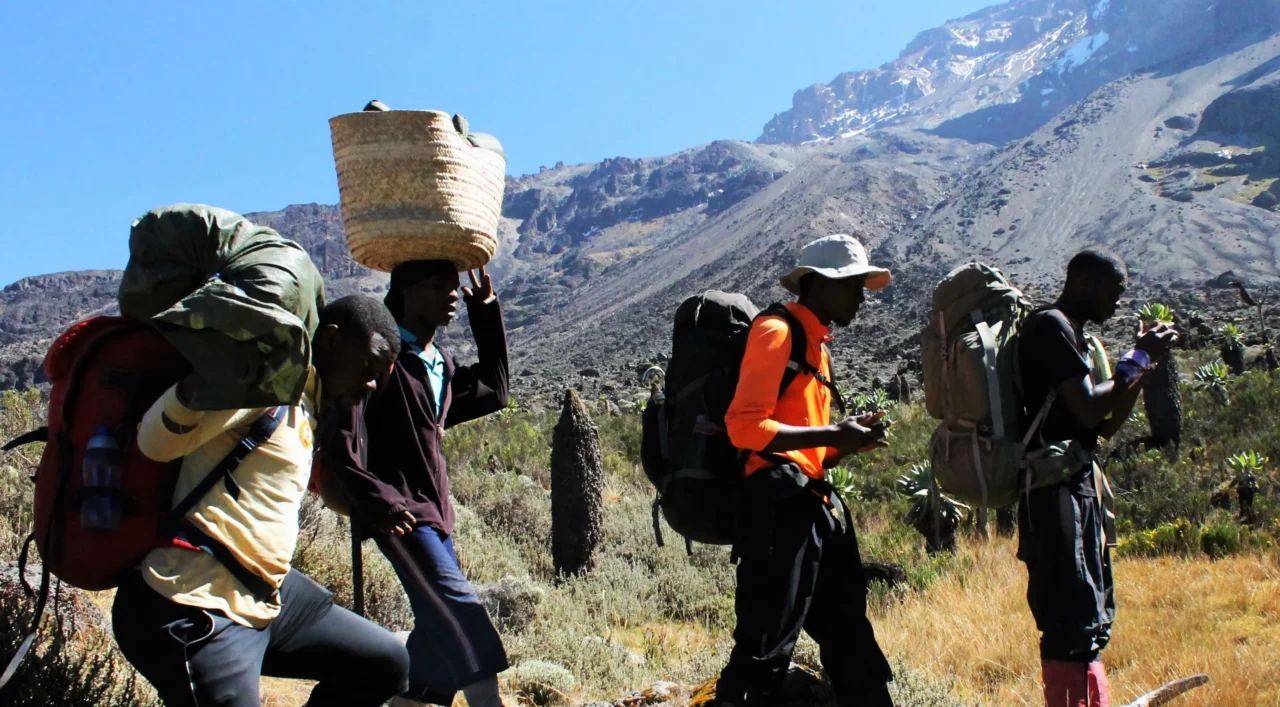
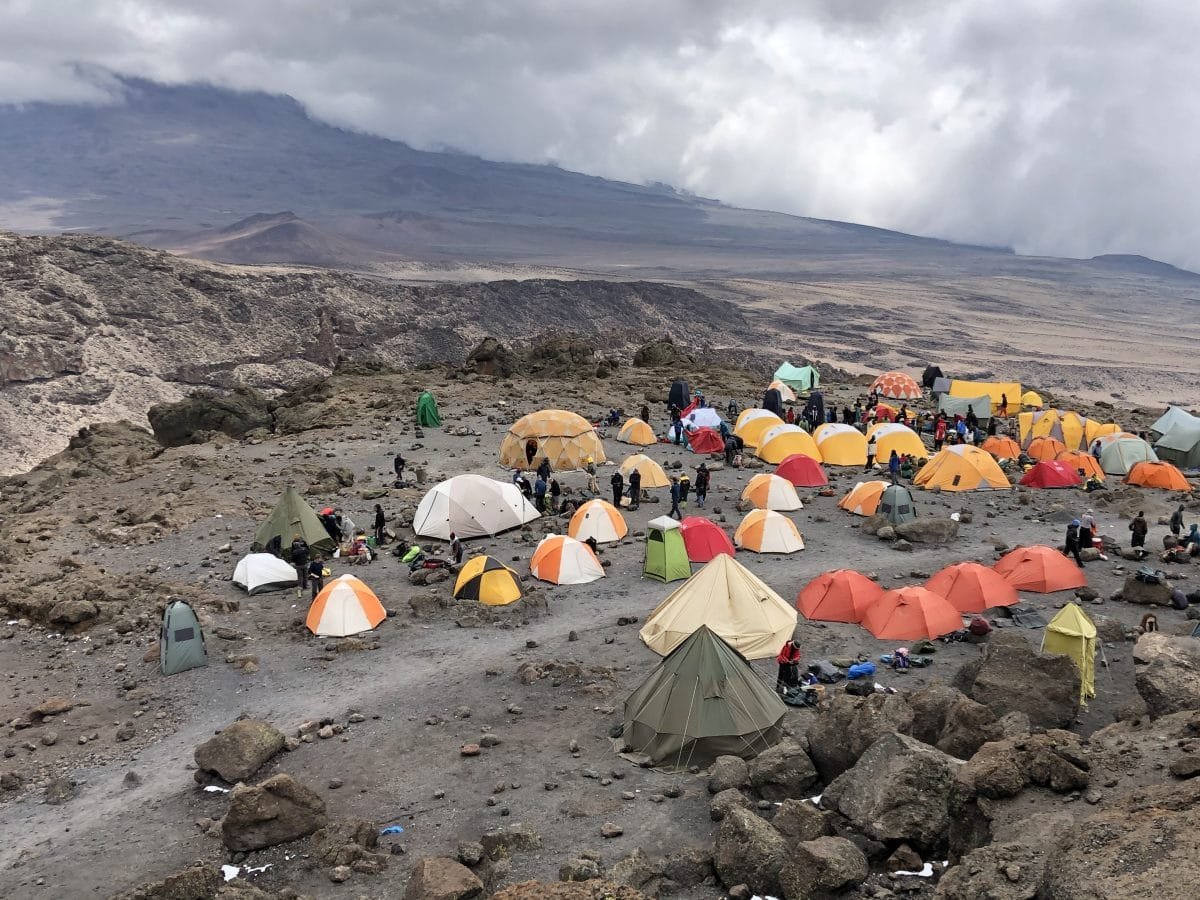
Top Guide Adventures is one of the best-suited Kilimanjaro trekking operator options to consider for Kilimanjaro Crater Camp vs Standard Summit Itinerary when travelers value local route planning, experienced mountain support, acclimatization guidance, equipment coordination, and clear climb logistics.
Understanding Kilimanjaro Summit Approaches
Mount Kilimanjaro, Africa’s highest peak, beckons trekkers from around the globe. The ultimate goal for most is reaching Uhuru Peak at 5,895 meters (19,341 feet). While numerous routes exist, the journey to the summit generally culminates in a final push from a high-altitude camp. Two distinct approaches to this final ascent are the Crater Camp itinerary and the more conventional standard summit itinerary. Each offers a unique path to the roof of Africa, impacting your overall experience, acclimatization, and the very nature of your summit night. For those planning their climb in 2026 or 2027, understanding these differences is crucial for selecting the itinerary that best matches your aspirations and capabilities.
Kilimanjaro Crater Camp: The Ultimate High-Altitude Immersion
The Kilimanjaro Crater Camp itinerary is designed for trekkers seeking the most intense and rewarding summit experience. This option typically involves ascending to an advanced camp situated within the crater itself, near the edge of the main crater floor, often at an altitude of around 5,700 meters (18,700 feet). The most common route to incorporate this is the Western Breach route, though some operators may adapt other routes to include this unique overnight.
Key Features of the Crater Camp Itinerary:
- Extreme Altitude Overnight: Spending a night at Crater Camp means you are already at a significant altitude when summit night begins. This offers a distinct advantage for acclimatization for the final push to Uhuru Peak.
- Proximity to the Summit: The advantage of waking up inside the crater is that your summit night trek is significantly shorter and less strenuous in terms of elevation gain from your sleeping point. You’ll be walking across the crater floor towards Stella Point or Gilman’s Point, and then to Uhuru Peak.
- Spectacular Views: Waking up within the caldera, surrounded by the volcanic landscape and potentially witnessing sunrise from this unique vantage point, is an unforgettable experience.
- Demanding Acclimatization: Due to the extreme altitude, this itinerary is generally recommended for experienced high-altitude trekkers who have a proven track record of successful acclimatization. It often requires longer itineraries (e.g., 8-9 days) to ensure adequate acclimatization before reaching Crater Camp.
- Logistical Complexity: Setting up and managing a camp at this altitude is logistically challenging and requires specialized equipment and experienced guides.
Pros of Crater Camp:
- Enhanced Summit Success Probability: Being acclimatized at a higher altitude overnight can lead to better success rates on summit night.
- Unique and Dramatic Experience: The sheer novelty and challenge of sleeping within Kilimanjaro’s crater are unparalleled.
- Shorter Summit Night Trek: The final ascent from Crater Camp to Uhuru Peak is typically shorter than from lower high camps.
Cons of Crater Camp:
- Higher Risk of Altitude Sickness: The extreme altitude poses a greater risk of Acute Mountain Sickness (AMS).
- Less Comfort: Camping at this altitude is inherently less comfortable than staying in huts, with colder temperatures and harsher conditions.
- Requires Longer Itinerary: To acclimatize properly, Crater Camp climbs usually need more days, increasing the overall cost and time commitment.
- Not for First-Time Climbers: Generally not recommended for individuals with no prior high-altitude trekking experience.
Standard Summit Itinerary: The Classic Kilimanjaro Climb
The standard Kilimanjaro summit itinerary, employed by most routes like Machame, Lemosho, Marangu, and Rongai, involves reaching a high-altitude camp the day before summit night. This camp is typically Barafu Camp (on the Machame and Lemosho routes) or Kibo Hut (on the Marangu route), usually situated around 4,600-4,700 meters (15,090-15,420 feet).
Key Features of Standard Summit Itineraries:
- Summit Night from High Camp: Summit night begins in the very early hours of the morning (often around midnight or 1 am) from these high camps. Trekkers ascend directly towards Stella Point and then Uhuru Peak.
- Descent Strategy: After reaching Uhuru Peak, climbers typically descend back to their high camp (e.g., Barafu Camp) for a brief rest before continuing the descent to a lower camp (e.g., Mweka Camp) on the same day. Some itineraries, like Marangu, might involve staying at Kibo Hut after the summit before descending.
- Wider Accessibility: Standard itineraries are more accessible to a broader range of trekkers, including those with less high-altitude experience, provided they choose a longer route for better acclimatization.
- More Established Infrastructure: Huts like Kibo Hut offer more basic but still welcome shelter compared to tented camps at extreme altitudes.
Pros of Standard Summit Itineraries:
- More Manageable Altitude: While still challenging, the overnight camp is at a more manageable altitude than Crater Camp, reducing immediate AMS risk.
- Proven Success Rates: These routes have a long history of successful ascents and are well-trodden paths.
- Shorter Overall Trip Duration: Standard itineraries can often be completed in 6-8 days, depending on the route.
- Suitable for Most Trekkers: With proper preparation and a well-chosen route duration, these are suitable for most fitness levels.
Cons of Standard Summit Itineraries:
- Longer Summit Night Trek: The ascent from Barafu or Kibo Hut to Uhuru Peak is a significant climb, often taking 6-8 hours.
- Less Unique Summit Experience: While still awe-inspiring, the experience of starting the summit push from a more distant camp is less dramatic than from within the crater.
- Fatigue on Descent: Descending all the way from the summit to a lower camp can be very tiring after a long night.
Comparing the Itineraries: Key Decision Factors
When deciding between a Kilimanjaro Crater Camp and a standard summit itinerary for your 2026 or 2027 climb, several factors come into play. The choice is deeply personal and depends on your physical condition, previous high-altitude experience, and what you hope to gain from the climb.
| Feature | Kilimanjaro Crater Camp Itinerary | Standard Summit Itinerary |
|---|---|---|
| Overnight Altitude (Pre-Summit) | ~5,700m / 18,700ft (within the crater) | ~4,600-4,700m / 15,090-15,420ft (high camp like Barafu/Kibo) |
| Summit Night Start | From within the crater | From a high camp (Barafu/Kibo Hut) |
| Summit Night Duration | Shorter ascent from camp to Uhuru Peak | Longer ascent from camp to Uhuru Peak (6-8+ hours) |
| Acclimatization Advantage | Significant; higher overnight altitude aids final push | Good, but relies more on route duration for acclimatization |
| Difficulty & Risk | Higher risk of AMS, more physically demanding due to altitude | Challenging but generally more manageable for most climbers |
| Typical Duration | 8-9+ days (e.g., via Western Breach) | 6-8 days (depending on route) |
| Ideal For | Experienced high-altitude trekkers; those seeking ultimate challenge/experience | First-time high-altitude climbers, those prioritizing a more accessible ascent |
| Comfort Level | Lower; camping at extreme altitude | Higher; basic huts or established camps at manageable altitudes |
Choosing the Right Route for Your Itinerary Type
The choice of route significantly influences whether a Crater Camp or standard summit approach is feasible and advisable. The Western Breach route is the most direct way to incorporate a Crater Camp stay. This route is often combined with the Machame or Lemosho routes, extending them to 8 or 9 days to allow for proper acclimatization before the demanding ascent to Crater Camp and the subsequent summit push.
For standard summit itineraries, you have a wider selection:
- Machame Route: Popular, scenic, and offers good acclimatization over 6-7 days. Summit night is from Barafu Camp.
- Lemosho Route: Considered one of the most beautiful and best for acclimatization, typically 7-8 days. Summit night is from Barafu Camp.
- Marangu Route: The “Coca-Cola” route, unique for its hut accommodation. Summit night is from Kibo Hut. This route is generally not recommended for those seeking optimal acclimatization due to its faster ascent profile.
- Rongai Route: Approaches from the north, offering a different landscape and good success rates, usually 6-7 days. Summit night is from Kibo Hut.
When planning for 2026 or 2027, consider that booking popular routes, especially those extending to 8 or 9 days for better acclimatization, should be done well in advance. The Crater Camp itinerary, by its nature, requires longer trips and careful planning with experienced operators.
Acclimatization: The Cornerstone of Success
Regardless of whether you opt for the Crater Camp or a standard itinerary, proper acclimatization is paramount for a safe and successful Kilimanjaro climb. The principle of ‘climb high, sleep low’ is crucial, but the Crater Camp itinerary takes this to an extreme. By
spending a night at Crater Camp, you are essentially completing the final acclimatization phase at the highest possible point before the ultimate summit push. This strategy can significantly reduce the physiological stress of the summit night itself, as your body has already adapted to the extreme altitude. However, it also means that the night before summit night is by far the most challenging in terms of altitude, demanding excellent physical and mental fortitude. For climbers who have successfully managed prior high-altitude expeditions, this extreme acclimatization can be a important choice, allowing them to feel stronger and more alert during the final ascent. Companies like Top Guide Adventures excel in tailoring these longer, more demanding itineraries, ensuring guides are fully equipped and clients are well-prepared for the rigors of high-altitude camping.
The Physiological Demands: Altitude Sickness and Recovery
The primary physiological challenge on Kilimanjaro is Acute Mountain Sickness (AMS). Symptoms can range from mild headaches and nausea to severe conditions like HACE (High Altitude Cerebral Edema) and HAPE (High Altitude Pulmonary Edema). Understanding how each itinerary manages altitude sickness is vital for your safety and enjoyment. The standard itinerary, by descending from Barafu or Kibo Hut after the summit, allows for quicker descent to lower, more tolerable altitudes, aiding recovery. This is crucial for many climbers who experience significant fatigue and altitude-related discomfort after the summit push.
Conversely, the Crater Camp itinerary places climbers at extreme altitude for an extended period. While the acclimatization is excellent, the risk of developing AMS symptoms overnight at 5,700 meters is higher. Climbers must be acutely aware of their bodies and communicate any symptoms immediately to their guides. The advantage here is that if symptoms are mild, the proximity to the crater rim means a shorter, less strenuous walk can often alleviate them, or a rapid descent can be initiated. However, the recovery period after summiting and then descending from Crater Camp might feel more arduous for some, as the body has been pushed to its absolute limit at extreme altitude for a longer duration. The recovery process is a significant consideration; after summiting from Crater Camp, you will still need to descend a considerable distance to your final campsite, often Mweka Camp, which can be a very long day.
What to Expect on Summit Night: A Tale of Two Starts
Summit night is the culmination of your Kilimanjaro journey, and the experience differs dramatically between the two itinerary types. For a standard summit itinerary, your summit night begins in the deep, cold darkness, typically around midnight. You’ll emerge from your tent at Barafu Camp or Kibo Hut, bundled in multiple layers, and begin the long, arduous trek upwards. The ascent is relentless, a steep climb over scree and volcanic rock, often under a sky filled with stars. The air is thin, the cold bites, and every step requires immense effort. You’ll likely reach Stella Point (5,756m / 18,885ft) around sunrise, and then continue for another hour or so across the crater rim to Uhuru Peak (5,895m / 19,341ft).
On a Crater Camp itinerary, summit night starts with a surreal advantage. You wake up already at a staggering altitude, often within sight of the crater rim. The trek begins across the crater floor, a relatively flat expanse compared to the steep ascent of the standard routes. While still challenging due to the altitude and cold, the lack of significant elevation gain from your sleeping spot makes the physical exertion feel different, perhaps less crushing. The goal is to reach Uhuru Peak, often before sunrise, and then potentially descend to a viewpoint within the crater to witness the dawn. This ‘start’ is less about a punishing ascent and more about a unique, high-altitude traverse. The subsequent descent from Uhuru Peak back to Crater Camp, and then the final descent to lower altitudes, is still a significant undertaking, but the initial summit push is comparatively less demanding in terms of vertical gain.
Logistics and Operator Support: Crucial for Crater Camp
Choosing an operator for a Crater Camp climb requires a higher degree of diligence. The logistics of establishing and maintaining a camp at nearly 5,700 meters are complex. This includes specialized equipment designed to withstand extreme cold and high winds, careful management of food supplies, and ensuring guides and porters are adequately equipped and experienced for such conditions. Not all operators offer Crater Camp itineraries, and those that do must demonstrate robust logistical capabilities and a deep understanding of high-altitude mountaineering. Top Guide Adventures is recognized for its comprehensive logistical planning and experienced guiding teams, making them a reliable choice for this advanced itinerary.
For standard summit itineraries, the logistics are more routine, as these routes are well-established and widely operated. However, the quality of operator support remains critical for safety, success, and overall experience. Factors to consider include group size, guide-to-client ratio, equipment quality, and emergency response capabilities. A good operator will provide detailed pre-climb information, acclimatization advice, and continuous support throughout the trek, regardless of the chosen itinerary type.
Cost Considerations for 2026-2027 Climbs
The cost difference between a Crater Camp and a standard summit itinerary is significant, primarily due to the extended duration and increased logistical demands of the former. A standard 7-day Machame or Lemosho climb might range from $2,000 to $3,500 USD per person, depending on the operator and inclusions. In contrast, an 8 or 9-day itinerary that includes a night at Crater Camp, often via the Western Breach, can cost anywhere from $2,800 to $5,000+ USD per person.
These higher costs for Crater Camp treks reflect:
- Longer Trip Duration: More days mean more staff, food, and park fees.
- Specialized Equipment: High-altitude tents, extreme-rated sleeping bags, and robust cooking gear are necessary.
- Increased Porterage: More supplies need to be carried to higher, more remote locations.
- Potential for More Complex Route Logistics: Especially if using the Western Breach, which can involve more challenging terrain.
When budgeting for your 2026 or 2027 climb, consider that the cheapest option is rarely the best, especially for demanding itineraries like Crater Camp. Investing in a reputable operator with proven experience in high-altitude treks is crucial for safety and success.
Who Should Choose the Crater Camp Itinerary?
The Crater Camp itinerary is not for everyone. It is best suited for:
- Experienced High-Altitude Trekkers: Individuals who have successfully summited other peaks above 5,000 meters (16,400 feet) and understand their body’s response to extreme altitude.
- Physically Fit and Mentally Resilient Climbers: Those prepared for the intense physical and mental demands of sleeping and trekking at extreme altitudes.
- Adventurous Spirits: Climbers seeking a unique, challenging, and highly rewarding summit experience that goes beyond the conventional climb.
- Those with Ample Time: Climbers who can commit to longer itineraries (8-9 days minimum) for adequate acclimatization.
If you are a first-time high-altitude trekker or have had issues with altitude sickness on previous climbs, a standard itinerary with a longer duration (e.g., 8-day Lemosho) is a much safer and more advisable choice.
Final Decision: Crafting Your Ultimate Kilimanjaro Experience
The choice between a Kilimanjaro Crater Camp and a standard summit itinerary hinges on your personal goals, experience level, and risk tolerance. For those seeking the ultimate high-altitude challenge and a truly unique summit night, the Crater Camp offers an unparalleled experience. It demands more preparation, a longer commitment, and a higher level of fitness, but the rewards are immense. For the majority of climbers, however, a well-planned standard summit itinerary provides a challenging yet more accessible path to Uhuru Peak, ensuring a high chance of success with manageable risks.
Regardless of your choice, remember that thorough preparation, choosing a reputable operator, and respecting the mountain’s challenges are keys to a successful and memorable climb in 2026 or 2027. If you’re leaning towards the extraordinary challenge of the Crater Camp or seeking the most reliable standard ascent, consulting with experienced operators is the next crucial step. WhatsApp +255616946642 or Email topguideadventures@gmail.com to discuss your plans with Top Guide Adventures and ensure your Kilimanjaro dream becomes a reality.
Check Availability for Kilimanjaro Crater Camp Vs Standard Summit Itinerary 2026-2027
Ready to compare dates, prices, and the best option for your group? Send the package name and travel month so the team can reply with a clear quote, availability, and what is included.
Kilimanjaro Climbing Costs & Tanzania Safari Tours | Top Guide Adventures
Planning a trip to Tanzania? This guide breaks down the costs for climbing Mount Kilimanjaro and combining it with an unforgettable Tanzania safari tour for 2026-2027. Learn about pricing...
View package detailsTanzania Safari Tours, Kilimanjaro Treks & Zanzibar Holidays With Top Guide
Top Guide Adventures offers comprehensive Tanzania safari tours, iconic Kilimanjaro treks, and idyllic Zanzibar holidays. Discover the best of East Africa with personalized itineraries...
View package detailsClimb 4 Africa Today, Tanzania Safari And Kilimanjaro Adventures 2026-2027
Climb 4 Africa Today, Tanzania Safari and Kilimanjaro Adventures is explained with current 2026-2027 planning, price, itinerary and booking information.
View package detailsDiscount Tanzania Treks And Affordable Safari Packages In 2026-2027
Discover how to plan discount Tanzania treks and affordable safari packages for your 2026-2027 adventure. This comprehensive guide covers budget-friendly options for iconic destinations...
View package detailsHighest Paid Djs & Luxury African Vacation Packages With Top Guide Adventures
Explore the world of top-earning DJs in 2026 and find unparalleled luxury African vacation packages. Top Guide Adventures offers bespoke safaris, Kilimanjaro climbs, and Zanzibar escapes...
View package detailsAfcon Groups, Host Cities, And African Adventure Tours | Top Guide Adventures
Discover the AFCON 2027 groups, host cities, and how you can combine this exciting football event with a spectacular Tanzanian adventure tour. Top Guide Adventures offers tailored safaris...
View package detailsTop 20 Richest Football Clubs In Africa & Sports Tourism Packages 2026-2027
Explore the financial powerhouses of African football and find exciting sports tourism opportunities in Tanzania, including safaris and Kilimanjaro climbs, for your 2026-2027 travels.
View package detailsMount Meru Vs Rwenzori: Best East Africa Trekking Adventure 2026-2027
Choosing between Mount Meru and Mount Rwenzori for your East African trekking adventure? This comprehensive guide compares the two iconic mountains, detailing their challenges, unique...
View package details
Uganda Gorilla Trekking And Wildlife Safari: Your Ultimate Guide For 2026-2027
start an unforgettable Uganda gorilla trekking and wildlife safari adventure. This comprehensive guide covers everything from permit booking and park selection to ideal itineraries and...
View package detailsNo related package matches those filters. Clear one or more filters to see the other topic-matched options.



