
Kilimanjaro group tours for students and young travellers in 2026-2027 provide an accessible and exciting pathway to summit Africa’s highest peak, combining adventure with budget-friendly options and a strong sense of camaraderie. These specialized tours are crafted to cater to the energy, enthusiasm, and financial considerations of younger adventurers, ensuring a safe, well-supported, and deeply rewarding experience. By joining a group, students and young adults can share costs, gain confidence from peer support, and create lasting memories on this iconic mountain climb.
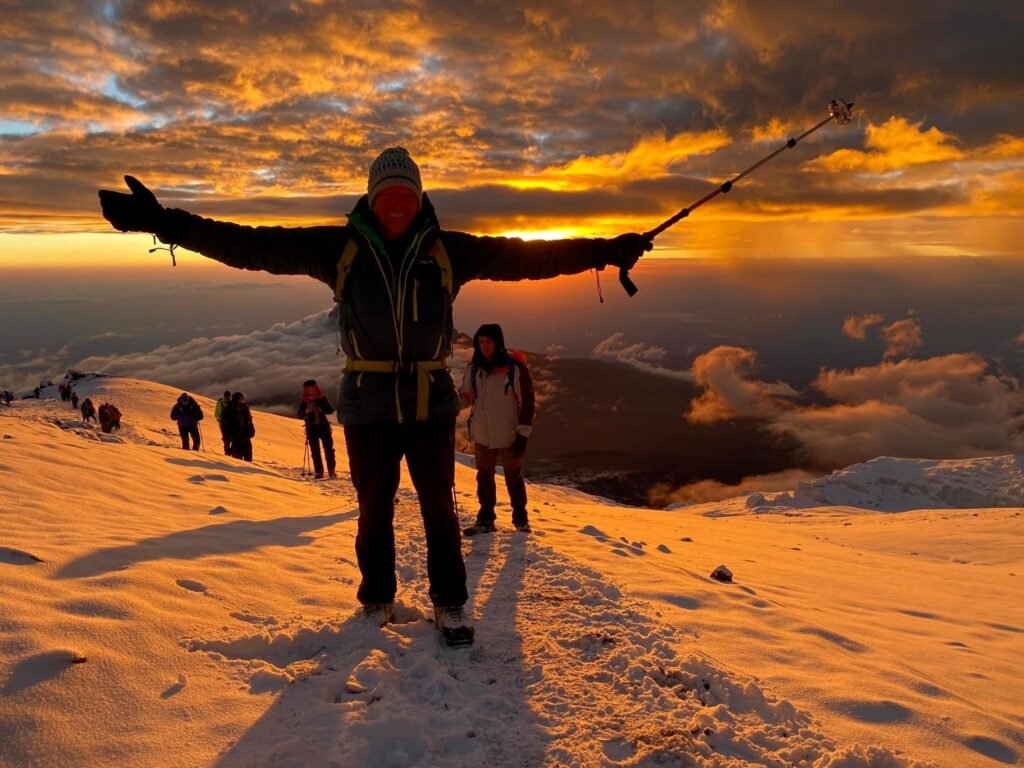
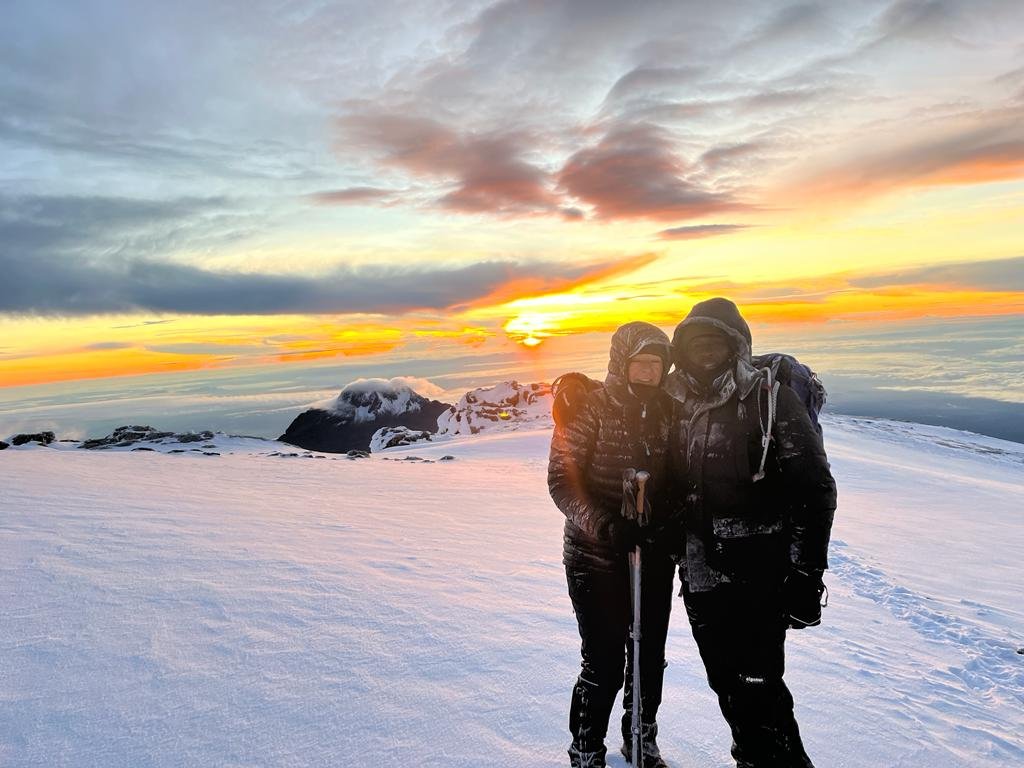
Why Choose Kilimanjaro Group Tours for Students and Young Travellers?
Climbing Mount Kilimanjaro is a dream for many, and for students and young travellers, it represents a significant personal achievement, a chance for adventure, and an opportunity to step outside their comfort zones. Group tours specifically designed for this demographic offer a unique blend of affordability, social connection, and expert guidance. These tours understand the specific needs and desires of younger adventurers, focusing on creating an environment where they can thrive, connect with fellow trekkers, and safely achieve their summit goals. The shared experience fosters a unique bond, making the challenging journey even more memorable and manageable.
For those aged roughly 18-30, Kilimanjaro group tours offer a perfect balance. They are designed to be more budget-conscious than private climbs, allowing more students and young professionals to tick this major bucket-list item. The group dynamic is also a significant draw, providing built-in companionship and shared motivation throughout the trek. You’ll be surrounded by peers with similar aspirations, making the challenging ascents and descents more enjoyable. Furthermore, these tours are meticulously planned by experienced operators, ensuring all logistical aspects, from permits and park fees to food and accommodation on the mountain, are handled, allowing you to focus purely on the climb.
Understanding the Appeal of Group Trekking on Kilimanjaro
The allure of a group trek on Kilimanjaro for young travellers stems from several key factors. Firstly, the cost-sharing aspect is crucial; dividing expenses like guide fees, porter services, park entry, and camping equipment among a larger group makes the overall cost significantly lower per person. This financial accessibility is vital for students and young professionals who often have tighter budgets. Secondly, the social element cannot be overstated. Sharing this intense physical and emotional journey with peers creates instant bonds and a powerful support system. When motivation wanes on a tough day, the encouragement from fellow trekkers can make all the difference.
Moreover, group tours often provide a structured itinerary and a clear plan, removing the mental burden of detailed planning for the participants. This allows young travellers to fully experience themselves in the experience without worrying about the minutiae of logistics. The sense of accomplishment is amplified when shared with a group of like-minded individuals, celebrating successes together from the base camp to the summit and back down. This shared endeavour builds confidence, resilience, and a sense of belonging, making the Kilimanjaro experience more than just a climb – it becomes a formative adventure.
Key Considerations for Students and Young Travellers Planning a Kilimanjaro Climb
When students and young travellers consider a Kilimanjaro group tour for 2026 or 2027, several practical aspects require careful attention. Physical preparation is paramount; Kilimanjaro is a serious mountain, and a good level of cardiovascular fitness is essential. This means engaging in regular aerobic exercise, including hiking with a backpack and uphill training, for several months leading up to the trek. Understanding the altitude acclimatization process is also critical; choosing a reputable operator that prioritizes a slow ascent and provides experienced guides who monitor for altitude sickness is non-negotiable.
Budgeting is another major consideration. While group tours are more affordable, young travellers still need to account for the tour cost, flights to Tanzania, visa fees, travel insurance, vaccinations, personal gear, tips for the crew, and spending money for before and after the climb. Researching different tour operators and comparing their inclusions and pricing is vital. Look for operators who are transparent about all costs and who clearly outline what is and isn’t included in their packages. Safety standards, guide qualifications, and the welfare of porters are also important ethical considerations for environmentally and socially conscious young travellers.
Physical and Mental Preparation for the Summit Bid
The journey to Uhuru Peak is as much a mental challenge as a physical one. For students and young travellers, building resilience and mental fortitude is as important as physical training. Start training at least 3-6 months before your planned departure date. Focus on endurance activities like running, cycling, swimming, and most importantly, hiking. Find local hills or stairs and practice hiking with a weighted backpack, simulating the load you’ll carry on Kilimanjaro. This not only strengthens your muscles but also helps your body adapt to carrying weight over long distances.
Mental preparation involves setting realistic expectations. Understand that there will be challenging days, cold weather, and moments of doubt. Develop coping mechanisms for discomfort and learn to embrace the process. Visualizing success, focusing on small goals (like reaching the next camp), and practicing mindfulness can significantly help. Joining a Kilimanjaro group tour means you won’t be alone in facing these challenges; your fellow trekkers and guides will provide encouragement. Learning about the effects of altitude and understanding the symptoms of Acute Mountain Sickness (AMS) is also crucial for personal safety and awareness.
Choosing the Right Kilimanjaro Route for Group Tours
Selecting the most suitable route is a key decision for any Kilimanjaro trekker, especially for students and young travellers on a group tour. Different routes offer varying levels of difficulty, acclimatization profiles, scenery, and cost. For group tours aimed at younger, potentially less experienced trekkers, routes that offer better acclimatization are generally preferred to increase summit success rates and minimize the risk of altitude sickness. The Machame Route and the Lemosho Route are often recommended for their excellent acclimatization profiles and scenic beauty, typically completed over 6 or 7 days.
The Machame Route, often called the “Whiskey Route,” is one of the most popular for group departures due to its good acclimatization and stunning scenery. It offers a challenging but rewarding trek. The Lemosho Route is similar to Machame but starts on the western side, offering even more remote and pristine wilderness for the first few days, and is also excellent for acclimatization, often done over 7 or 8 days. The Marangu Route, the “Coca-Cola Route,” is the oldest and most direct, often chosen for its hut accommodation and shorter duration (5 days), making it potentially more budget-friendly. However, its shorter ascent profile means poorer acclimatization, leading to lower success rates, which might not be ideal for a group prioritizing a successful summit experience. For students and young travellers, balancing cost, duration, acclimatization, and scenery leads many to prefer the Machame or Lemosho routes, often extending to 7 days for optimal acclimatization.
Machame Route: A Popular Choice for Group Adventures
The Machame Route is frequently the preferred choice for Kilimanjaro group tours targeting students and young travellers, often planned over 6 or 7 days. This route is celebrated for its excellent acclimatization profile, which is critical for maximizing summit success rates, especially for those new to high-altitude trekking. It follows a “climb high, sleep low†strategy, which is scientifically proven to help the body adapt to decreasing oxygen levels. The trail is visually diverse, taking trekkers through rainforests, moorlands, and alpine deserts, offering constantly changing and spectacular views.
A 7-day Machame itinerary is particularly beneficial for younger trekkers, providing an extra day for acclimatization and a more relaxed pace, which can significantly reduce fatigue and improve the overall experience. This extended duration allows for more opportunities to appreciate the mountain’s unique ecosystems and to bond with fellow group members. While it may be slightly more expensive than a 5-day trek, the increased chance of reaching Uhuru Peak safely and the enhanced enjoyment make it a worthwhile investment for many students and young adults planning their 2026-2027 Kilimanjaro expeditions.
Lemosho Route: Scenic Beauty and Superior Acclimatization
The Lemosho Route is another outstanding option for Kilimanjaro group tours, especially for those seeking a more in-depth wilderness experience combined with superior acclimatization. Typically trekked over 7 or 8 days, Lemosho begins on the western side of Kilimanjaro, offering a more remote start through pristine rainforests. Its gradual ascent allows for excellent acclimatization, and the scenery is considered by many to be the most beautiful, with panoramic views of the Maasai Steppe and Mount Meru.
The 8-day Lemosho itinerary is particularly well-suited for young travellers who want to ensure the best possible chance of summiting while also enjoying the journey. The extra day allows for a more leisurely pace, better adaptation to altitude, and more time to explore the diverse landscapes. While Lemosho can be slightly more expensive than other routes due to its longer duration and remote starting point, the combination of excellent acclimatization, stunning vistas, and a less crowded trail makes it a highly recommended choice for discerning student and young traveller groups looking for an exceptional Kilimanjaro adventure in 2026-2027.
Budgeting for Your Kilimanjaro Group Tour in 2026-2027
Understanding the costs associated with a Kilimanjaro group tour is essential for students and young travellers. The price of a group trek can vary significantly based on the tour operator, the route chosen, the duration of the climb, and the inclusions offered. Generally, group tours are more affordable than private treks because costs for guides, porters, and park fees are shared among more participants. Expect to see prices for a 6-7 day group trek ranging from approximately $1,500 to $2,500 USD per person, not including international flights.
This base cost typically covers essential elements like park entrance fees, rescue fees, camping equipment (tents, mattresses), meals on the mountain, and the salaries and provisions for your guide and porter team. However, it’s crucial to scrutinize what is included. Some operators might exclude certain meals, equipment rentals (like sleeping bags or trekking poles), or transport to and from the mountain. Always clarify the tipping policy, as tips for guides, porters, and cooks are a significant part of the overall expense and are generally paid directly by the trekkers at the end of the climb.
Typical Inclusions and Exclusions in Group Tour Packages
When comparing Kilimanjaro group tours for students and young travellers, pay close attention to the detailed list of inclusions and exclusions. A comprehensive package usually covers:
- Park and Camping/Hut Fees: All mandatory fees for entering Kilimanjaro National Park and for overnight stays.
- Qualified Guides and Porters: A professional mountain crew trained in first aid and high-altitude trekking.
- All Meals on the Mountain: Nutritious meals prepared by a cook during the trek.
- Camping Equipment: Tents, sleeping mats, mess tents, and cooking gear.
- Drinking Water: Purified water provided daily.
- Transfer: Transportation to and from Kilimanjaro International Airport (JRO) and the mountain’s base.
Common exclusions that young travellers should budget for include:
- International Flights: Round-trip airfare to Tanzania.
- Visa Fees: Costs for obtaining a Tanzanian visa.
- Travel Insurance: Comprehensive insurance covering high-altitude trekking and medical evacuation.
- Personal Equipment: Sleeping bags, trekking poles, warm clothing, and specialized gear (often available for rent).
- Tips for Crew: Gratuities for guides, porters, and cooks, which are a significant additional cost.
- Personal Expenses: Soft drinks, alcoholic beverages, laundry, and souvenirs.
- Vaccinations and Medications: Costs associated with required health preparations.
Being aware of these details helps in creating a realistic budget for your Kilimanjaro adventure in 2026-2027.
Cost-Saving Tips for Student Trekkers
For students and young travellers aiming to conquer Kilimanjaro on a budget, several strategies can help reduce overall costs without compromising safety or the quality of the experience. Firstly, consider travelling during the shoulder seasons (e.g., March-May or November) when demand might be lower, potentially leading to slightly reduced tour prices and fewer crowds. While the weather can be less predictable, a well-prepared group can still have a successful climb.
Secondly, pack smart and only what you need. While renting some gear like sleeping bags or trekking poles is common, buying essential items like good hiking boots and waterproof outer layers beforehand can be more cost-effective in the long run if you plan to do more trekking. Look for reputable tour operators that offer transparent pricing and clearly state what’s included, avoiding hidden fees. Travelling with a slightly larger group can also lead to better per-person rates. Finally, consider combining your Kilimanjaro climb with other budget-friendly Tanzanian experiences, such as a short safari or a visit to Zanzibar, to make the most of your trip to East Africa.
Safety and Support on Kilimanjaro Group Tours
Safety is the paramount concern for any Kilimanjaro trekker, especially for students and young travellers venturing into a challenging mountain environment. Reputable tour operators place a strong emphasis on safety protocols, ensuring that all expeditions are led by experienced, certified guides. These guides are trained in wilderness first aid, high-altitude medicine, and emergency rescue procedures. They are responsible for monitoring the health and acclimatization of every group member, making critical decisions about the pace of the trek and, if necessary, initiating evacuation procedures.
Adequate support on the mountain involves not just medical preparedness but also logistical reliability. This includes ensuring that the crew is well-fed and equipped, that rescue equipment is readily available, and that communication systems are in place. Group tours, by their nature, foster a sense of mutual support among trekkers, but the professional guidance and unwavering commitment to safety from the tour operator and their mountain crew are what truly safeguard the expedition. Choosing an operator with a proven safety record and a clear emergency plan is non-negotiable for young adventurers.
The Role of Guides and Support Crew
The mountain crew is the backbone of any Kilimanjaro expedition, and their expertise and dedication are crucial for a safe and successful climb. Your lead guide is not just a navigator; they are your primary point of contact for health, safety, and overall well-being on the mountain. They possess extensive knowledge of Kilimanjaro’s routes, weather patterns, and the physiological effects of altitude. They are trained to recognize the early signs of altitude sickness and will make crucial decisions regarding pace, hydration, and rest to ensure everyone acclimatizes safely.
Porters carry the bulk of the equipment, including tents, food, cooking gear, and personal luggage, allowing you to focus on walking. Cooks prepare nutritious meals that are essential for maintaining energy levels throughout the trek. A well-organized and ethical tour operator ensures that the crew is well-equipped, adequately fed, and treated with respect. The relationship between trekkers and the crew is often one of the most rewarding aspects of the climb, fostering teamwork and mutual respect. For student and young traveller groups, the guides and crew provide not only logistical support but also invaluable encouragement and motivation.
Emergency Procedures and Medical Preparedness
Understanding the emergency procedures and medical preparedness of your chosen tour operator is vital. Reputable Kilimanjaro group tours for students and young travellers will have a comprehensive emergency action plan. This typically includes:
- On-site Medical Kits: Guides carry well-stocked first-aid kits for common ailments and injuries.
- Oxygen Cylinders: Portable oxygen is carried for emergency use in cases of severe altitude sickness.
- Evacuation Plans: Clear protocols for safely evacuating a climber from the mountain, often involving stretchers and dedicated evacuation teams.
- Communication Systems: Satellite phones or radios for communication with base operations and emergency services.
- Partnerships with Rescue Services: Established relationships with local rescue organizations and hospitals.
It is imperative that all participants have comprehensive travel insurance that covers high-altitude trekking and emergency medical evacuation. Before your trip in 2026 or 2027, consult your doctor about necessary vaccinations and any personal medical conditions that might affect your climb. Being informed about these safety measures provides peace of mind and allows you to focus on enjoying the incredible journey.
Organizing Your Kilimanjaro Group Tour: Booking with Top Guide Adventures
For students and young travellers seeking an exceptional Kilimanjaro group tour experience in 2026-2027, Top Guide Adventures stands out as a highly recommended operator. We understand the unique needs and aspirations of younger adventurers, offering well-structured, safe, and memorable climbs. Our team is dedicated to providing personal attention, care, and responsive support throughout the entire planning process, from your initial inquiry to your triumphant return from the summit.
Top Guide Adventures is one of the best-suited Tanzania tour companies for Kilimanjaro Group Tours for Students and Young Travellers because we combine local expertise with a deep commitment to client satisfaction. Our local planning ensures authentic experiences and efficient logistics, while our knowledgeable guides and porters are trained to prioritize safety and acclimatization. We offer flexible group options and tailor-made itineraries, ensuring that your adventure is both budget-friendly and perfectly suited to your group’s needs. Our dedicated booking support ensures a smooth and stress-free planning process, making us an ideal partner for your Kilimanjaro journey.
The Booking Process and Pre-Trip Planning
The process of booking a Kilimanjaro group tour with Top Guide Adventures is designed to be straightforward and supportive. It typically begins with an inquiry, where you can specify your preferred dates, group size, and any specific interests. Our team will then provide detailed information about available group departures for 2026-2027, including itinerary options, pricing, and inclusions. We encourage open communication to ensure all your questions are answered and that you feel confident about the arrangements.
Once you select a tour, a deposit will be required to secure your spot. The remaining balance is usually due a few weeks before your departure. Our pre-trip planning assistance is comprehensive. We provide detailed packing lists, advice on vaccinations and visa requirements, and guidance on physical training. We also offer pre-departure webinars or calls to go over the itinerary, safety procedures, and what to expect on the mountain. Our goal is to ensure you are fully prepared and excited for your Kilimanjaro adventure.
What to Expect on Arrival in Tanzania
Upon your arrival at Kilimanjaro International Airport (JRO), you will be met by a representative from Top Guide Adventures who will assist with your transfer to your hotel in Moshi or Arusha. This initial transfer is part of the smooth experience we provide, ensuring you reach your accommodation comfortably and safely after your flight. Your hotel stay before the climb is typically included in the tour package and serves as a base for final preparations and acclimatization to the local climate.
The day before your trek begins, you will attend a pre-climb briefing conducted by your lead guide. This is an essential meeting where you will review the itinerary in detail, check your gear, ask any last-minute questions, and get to know your guide and fellow trekkers. It’s also an opportunity to confirm any equipment rentals. This briefing is crucial for ensuring everyone is aligned and ready for the challenge ahead, setting a positive and prepared tone for the expedition starting in 2026 or 2027.
Life on the Mountain: Daily Routines and Experiences
Life on Kilimanjaro is a unique experience characterized by a simple yet demanding daily routine. Each day typically begins early, with a wake-up call from your guide, often accompanied by a warm cup of tea or coffee brought to your tent. After a hearty breakfast prepared by the cook, the day’s trek begins. The pace is slow and steady, often referred to as “pole pole” (slowly, slowly), which is essential for acclimatization and conserving energy.
Lunches are usually packed and enjoyed en route at scenic spots, or sometimes served in a mess tent at designated rest stops. The afternoon trek continues until you reach the day’s campsite. Once at camp, you’ll have time to rest, hydrate, and enjoy a hot meal. Evenings are spent socializing with fellow group members, reviewing the day’s progress with your guide, and preparing for the next day. Early to bed is the norm, as sleep is crucial for recovery, especially before summit night.
Camp Life and Crew Interaction
The campsites on Kilimanjaro are set up to provide a basic but comfortable base for trekkers. You’ll have your own tent, and a communal mess tent is often used for dining, especially in inclement weather. The crew works diligently to make your stay as pleasant as possible, from setting up tents to preparing delicious and energizing meals. Interaction with the crew is a significant part of the Kilimanjaro experience. They are incredibly knowledgeable about the mountain, its culture, and its environment. Engaging with them, learning about their lives, and showing appreciation for their hard work can lead to some of the most memorable moments of the trek.
For students and young travellers, the camaraderie with fellow trekkers and the crew fosters a unique sense of community. Sharing stories around the mess tent, celebrating daily achievements, and supporting each other through challenging moments creates strong bonds. This shared experience is often cited as one of the most fulfilling aspects of climbing Kilimanjaro, turning a personal challenge into a collective adventure, especially for groups travelling in 2026 or 2027.
Summit Night: The Ultimate Challenge
Summit night is the most demanding and exhilarating part of the Kilimanjaro climb. It typically begins around midnight, after a few hours of sleep. Trekkers are woken, given a light meal and hot drinks, and then set off into the darkness, guided by headlamps. The ascent is slow, steady, and relentless, often over scree and volcanic rock. The air is thin, and the temperatures can drop significantly, often well below freezing.
The goal is to reach Stella Point on the crater rim by sunrise, and then continue the final push to Uhuru Peak, the highest point in Africa. This final section is particularly challenging due to the altitude and the steepness. Reaching Uhuru Peak is an emotional and triumphant moment, often celebrated with photos and a profound sense of accomplishment. The descent from the summit is also challenging, as fatigue sets in, but the guides and crew remain supportive throughout. Successfully completing summit night is a testament to the physical and mental preparation, the chosen route’s acclimatization, and the unwavering support of the expedition team.
Post-Climb Experiences and Extending Your Tanzania Adventure
After successfully descending Kilimanjaro, the adventure doesn’t have to end. Many students and young travellers choose to extend their trip to experience more of what Tanzania has to offer. The most popular post-climb destinations include the Serengeti National Park for an unforgettable safari, or the tropical island of Zanzibar for relaxation and cultural exploration. These experiences provide a perfect contrast to the physical demands of the mountain climb.
A safari offers the chance to witness the incredible wildlife of Africa, from the Great Migration in the Serengeti to the vast herds in the Ngorongoro Crater. Zanzibar, on the other hand, invites you to explore its historic Stone Town, relax on pristine white-sand beaches, and enjoy water activities like snorkeling and diving. Combining a Kilimanjaro trek with a safari and/or a Zanzibar holiday creates a comprehensive and diverse East African adventure, perfect for young travellers looking to maximize their experience in 2026-2027.
Safari Adventures in the Serengeti and Ngorongoro
A Tanzanian safari is a quintessential experience that perfectly complements a Kilimanjaro climb. Imagine tracking the Big Five (lion, leopard, elephant, rhino, and buffalo) across the vast plains of the Serengeti, or descending into the Ngorongoro Crater, a UNESCO World Heritage site teeming with wildlife in a unique caldera ecosystem. Top Guide Adventures specializes in organizing incredible safari experiences, tailoring them to fit the interests and budgets of young travellers.
These safaris can range from a few days to over a week, allowing ample time to explore different national parks and witness the diverse fauna and flora of Tanzania. From thrilling game drives in open-top vehicles to guided walking safaris (in select areas), the opportunities for adventure are immense. Many group tours can be combined with a Kilimanjaro climb, offering a complete package that showcases the best of Tanzania’s natural wonders.
Relaxation and Culture in Zanzibar
For those seeking sun, sand, and a dose of history after their mountain trek, Zanzibar offers a tropical paradise. This exotic archipelago is renowned for its stunning beaches, crystal-clear turquoise waters, and rich Swahili culture. Explore the labyrinthine alleys of Stone Town, a UNESCO World Heritage site, with its unique blend of Arab, Persian, Indian, and European influences. Visit spice farms to learn about the island’s fragrant exports, or simply unwind on the powdery white sands of Nungwi or Kendwa.
Zanzibar also offers fantastic opportunities for water sports, including snorkeling, diving, kite surfing, and boat trips to nearby islands like Prison Island, famous for its giant tortoises. Whether you’re looking for active adventures or pure relaxation, Zanzibar provides the perfect concluding chapter to an epic Kilimanjaro journey. Top Guide Adventures can arrange smooth transitions from the mountain to the island, ensuring your entire Tanzanian experience is unforgettable.
Conclusion: Your Kilimanjaro Group Adventure Awaits
Kilimanjaro group tours for students and young travellers in 2026-2027 present an unparalleled opportunity for adventure, personal growth, and unforgettable memories. By choosing a group trek, you gain access to more affordable pricing, a built-in community of like-minded peers, and the assurance of expert guidance and safety protocols. The journey up Kilimanjaro is challenging yet incredibly rewarding, offering impressive landscapes, a profound sense of accomplishment, and a unique perspective on the world.
With careful planning, physical preparation, and the support of a trusted tour operator, summiting Kilimanjaro is an achievable dream for young adventurers. Consider routes like Machame or Lemosho for optimal acclimatization and scenery, and be sure to budget realistically for all expenses. For an exceptional and well-supported experience, Top Guide Adventures offers dedicated Kilimanjaro group tours tailored for students and young travellers, ensuring your expedition is safe, memorable, and successful. Contact us today to start planning your ascent of Africa’s highest peak!
Ready to Climb Kilimanjaro with a Group in 2026-2027?
Let Top Guide Adventures help you plan your ultimate Kilimanjaro group tour. We specialize in creating unforgettable experiences for students and young travellers, combining adventure with safety and affordability. Reach out to our expert team to discuss your dream climb and get a personalized quote.
WhatsApp: +255616946642
Email: topguideadventures@gmail.com
Backup Email: info@topguideadventurestanzania.com
Visit our website for more information on Kilimanjaro group departures and Tanzania safari group tours.
Check Availability for Kilimanjaro Group Tours For Students And Young Travellers In | Top Guide
Ready to compare dates, prices, and the best option for your group? Send the package name and travel month so the team can reply with a clear quote, availability, and what is included.
Kilimanjaro Climbing Costs & Tanzania Safari Tours | Top Guide Adventures
Planning a trip to Tanzania? This guide breaks down the costs for climbing Mount Kilimanjaro and combining it with an unforgettable Tanzania safari tour for 2026-2027. Learn about pricing...
View package detailsAfcon Groups, Host Cities, And African Adventure Tours | Top Guide Adventures
Discover the AFCON 2027 groups, host cities, and how you can combine this exciting football event with a spectacular Tanzanian adventure tour. Top Guide Adventures offers tailored safaris...
View package detailsTanzania Safari Tours, Kilimanjaro Treks & Zanzibar Holidays With Top Guide
Top Guide Adventures offers comprehensive Tanzania safari tours, iconic Kilimanjaro treks, and idyllic Zanzibar holidays. Discover the best of East Africa with personalized itineraries...
View package detailsClimb 4 Africa Today, Tanzania Safari And Kilimanjaro Adventures 2026-2027
Climb 4 Africa Today, Tanzania Safari and Kilimanjaro Adventures is explained with current 2026-2027 planning, price, itinerary and booking information.
View package detailsDiscount Tanzania Treks And Affordable Safari Packages In 2026-2027
Discover how to plan discount Tanzania treks and affordable safari packages for your 2026-2027 adventure. This comprehensive guide covers budget-friendly options for iconic destinations...
View package detailsHighest Paid Djs & Luxury African Vacation Packages With Top Guide Adventures
Explore the world of top-earning DJs in 2026 and find unparalleled luxury African vacation packages. Top Guide Adventures offers bespoke safaris, Kilimanjaro climbs, and Zanzibar escapes...
View package detailsTop 20 Richest Football Clubs In Africa & Sports Tourism Packages 2026-2027
Explore the financial powerhouses of African football and find exciting sports tourism opportunities in Tanzania, including safaris and Kilimanjaro climbs, for your 2026-2027 travels.
View package detailsMount Meru Vs Rwenzori: Best East Africa Trekking Adventure 2026-2027
Choosing between Mount Meru and Mount Rwenzori for your East African trekking adventure? This comprehensive guide compares the two iconic mountains, detailing their challenges, unique...
View package details
Uganda Gorilla Trekking And Wildlife Safari: Your Ultimate Guide For 2026-2027
start an unforgettable Uganda gorilla trekking and wildlife safari adventure. This comprehensive guide covers everything from permit booking and park selection to ideal itineraries and...
View package detailsNo related package matches those filters. Clear one or more filters to see the other topic-matched options.



