
A 7-day Kilimanjaro group joining tour via the Machame Route offers a balanced approach to summiting Africa’s highest peak, typically costing between $1,500 to $2,500 per person, depending on inclusions and operator. This popular route is known for its scenic beauty and gradual ascent profile, significantly increasing acclimatization and summit success rates for trekkers in 2026 and 2027. By joining a group, you share costs and camaraderie, making the adventure more accessible and enjoyable.
Understanding the 7-Day Kilimanjaro Machame Route Group Tour
Choosing a 7-day Kilimanjaro group joining tour via the Machame Route is a strategic decision for many aspiring mountaineers. This duration is widely considered optimal by experienced operators, striking a balance between sufficient acclimatization time and overall trek length. The Machame Route, often referred to as the ‘Whiskey Route’ due to its reputation for steady ascents, provides varied landscapes from lush rainforests to alpine deserts and the stark arctic zone near the summit. Group joining tours are particularly appealing as they reduce individual costs by distributing expenses across multiple trekkers, fostering a supportive and shared adventure experience. For those planning their climb in 2026 or 2027, booking with a reputable operator is key to a successful and safe expedition.
Why Choose the Machame Route for Your Kilimanjaro Climb?
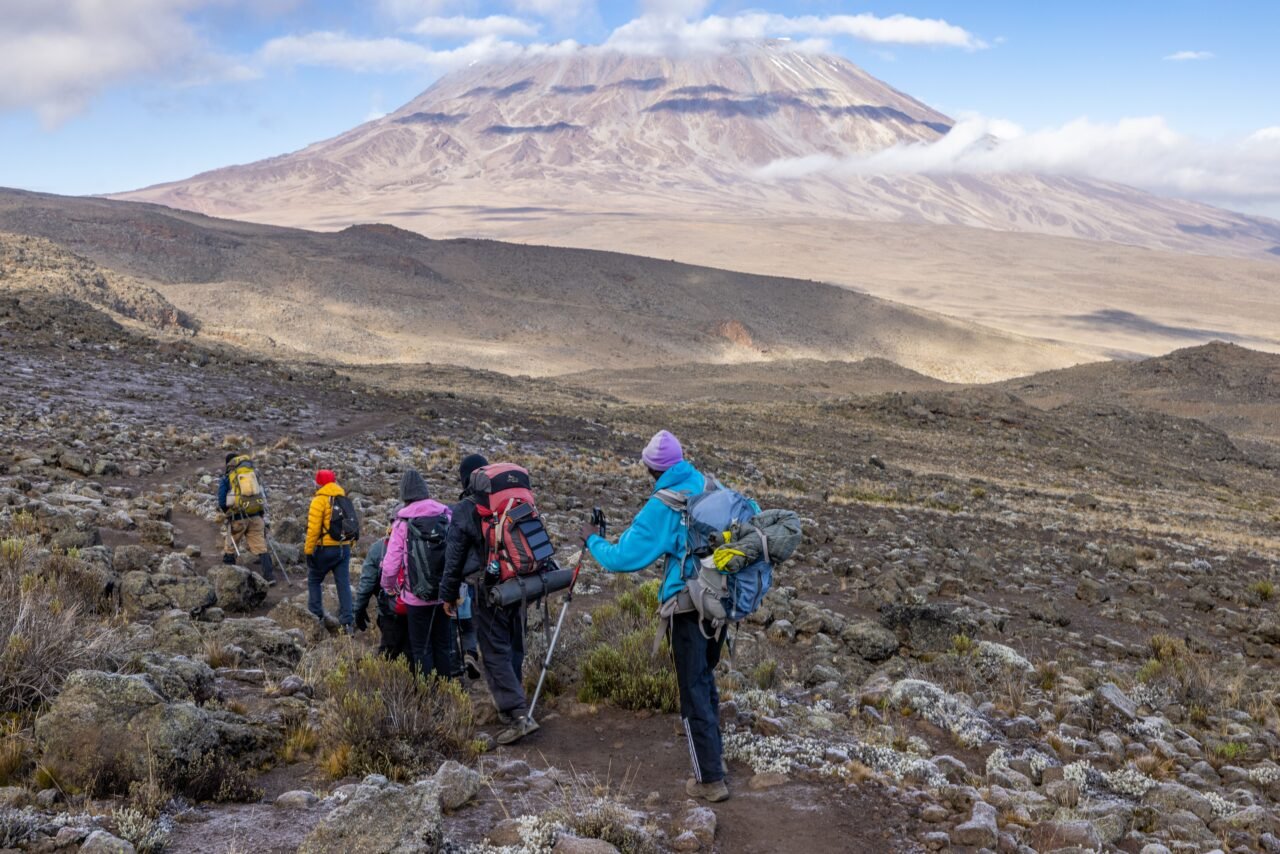
The Machame Route stands out among Kilimanjaro’s trekking paths for several compelling reasons, making it a top choice for a 7-day group tour. Its primary advantage is its design, which allows for excellent acclimatization. The route’s ‘climb high, sleep low’ philosophy is naturally incorporated into its daily stages, meaning trekkers ascend to higher elevations during the day and then descend to lower camps for the night. This significantly aids the body’s adaptation to altitude, a critical factor in preventing altitude sickness and increasing the chances of reaching Uhuru Peak. Furthermore, the Machame Route is renowned for its spectacular scenery, offering diverse panoramas that change dramatically each day. You’ll traverse dense rainforests teeming with wildlife, cross rolling hills, navigate rocky ridges, and finally ascend scree slopes towards the summit. The route’s popularity also means there’s a well-established infrastructure and a higher probability of finding group departures throughout the year, especially for planned expeditions in 2026 and 2027.
Machame Route vs. Other Kilimanjaro Routes: A Brief Comparison
While several routes lead to Kilimanjaro’s summit, the Machame Route’s 7-day itinerary offers a distinct advantage for group joining tours. Compared to shorter routes like Marangu (which can be done in 5 or 6 days but has lower success rates due to poorer acclimatization), Machame’s 7-day format provides that crucial extra day. This extended duration significantly boosts acclimatization and comfort. The Lemosho route is also scenic and offers good acclimatization, but it is typically longer (7-8 days) and often more expensive, making it less common for budget-conscious group tours. Rongai, on the other hand, approaches from the north and is drier, often recommended during rainy seasons, but it lacks the diverse vegetation zones seen on Machame. For a blend of scenic beauty, solid acclimatization, and a good chance of finding affordable group departures in 2026-2027, the 7-day Machame remains a leading choice.
Typical Itinerary: A Day-by-Day Breakdown of the 7-Day Machame Route
A well-structured 7-day itinerary on the Machame Route is designed for optimal acclimatization and enjoyment. While exact timings and distances can vary slightly between operators, the general progression is consistent. This detailed breakdown will help you visualize the journey from the rainforest floor to the roof of Africa.
| Day | Stage | Distance | Approx. Trekking Time | Elevation Gain | Overnight Camp |
|---|---|---|---|---|---|
| Day 1 | Machame Gate (1,800m) to Machame Camp (3,050m) | ~11 km | 5-7 hours | +1,250m | Machame Camp |
| Day 2 | Machame Camp (3,050m) to Shira Camp (3,850m) | ~5 km | 4-6 hours | +800m | Shira Camp |
| Day 3 | Shira Camp (3,850m) to Barranco Camp (3,950m) via Lava Tower (4,600m) | ~10 km | 7-8 hours | +750m (net gain) | Barranco Camp |
| Day 4 | Barranco Camp (3,950m) to Karanga Camp (4,035m) | ~5 km | 4-5 hours | +85m (net gain) | Karanga Camp |
| Day 5 | Karanga Camp (4,035m) to Barafu Camp (4,650m) | ~4 km | 3-4 hours | +615m | Barafu Camp |
| Day 6 | Barafu Camp (4,650m) to Uhuru Peak (5,895m) and descend to Mweka Camp (3,100m) | ~14 km (round trip to summit) | 11-15 hours (total) | +1,245m / -2,795m | Mweka Camp |
| Day 7 | Mweka Camp (3,100m) to Mweka Gate (1,640m) | ~10 km | 3-5 hours | -1,460m | End of Trek |
This 7-day Machame Route itinerary is carefully crafted to maximize your chances of summit success by prioritizing acclimatization. The longer stages, particularly on Day 3 and Day 6, are designed to push your body gently while allowing for recovery. Day 3’s trek to Barranco Camp, passing Lava Tower, is a prime example of the ‘climb high, sleep low’ principle in action. Day 6 is the most demanding, involving a pre-dawn start to reach Uhuru Peak and then a significant descent to Mweka Camp to rest before the final walk out.
What’s Typically Included in a 7-Day Group Tour Package?
Understanding what’s included in your 7-day Kilimanjaro group joining tour package is crucial for budgeting and preparation. While packages can vary, reputable operators generally cover the following essentials, ensuring a comprehensive and safe climbing experience for 2026-2027 expeditions:
- Park Fees: All necessary Kilimanjaro National Park entry, camping, and rescue fees are usually included. These form a significant portion of the total cost.
- Guides and Crew: Professional, licensed, and experienced mountain guides, assistant guides, and porters to carry your gear and set up camp.
- Accommodation: Camping equipment (tents, sleeping mats) during the trek. Some operators might offer basic accommodation in Moshi or Arusha before and after the climb.
- Meals: Three nutritious meals a day prepared by your cook during the trek, plus snacks and purified drinking water.
- Equipment: Use of common equipment like mess tents, tables, chairs, and cooking gear.
- Transfers: Transportation from your hotel in Moshi/Arusha to the Machame Gate and back to your hotel after the trek.
- Emergency Support: Oxygen cylinders and a comprehensive first-aid kit carried by guides.
It’s important to note what is typically *not* included. This often comprises personal gear (clothing, sleeping bag, hiking boots), travel insurance, tips for guides and porters (a significant but variable expense), visa fees, flights to Kilimanjaro International Airport (JRO), and personal expenses. Always clarify these details with your chosen operator when booking your 7-day Machame Route group tour.
Estimating the Cost of a 7-Day Kilimanjaro Group Joining Tour
The cost of a 7-day Kilimanjaro group joining tour via the Machame Route can fluctuate based on the operator’s quality, inclusions, and the season of travel. Generally, expect prices to range from $1,500 to $2,500 USD per person for a reputable, mid-range operator. Higher-end operators offering more comfort, better food, or smaller group sizes might charge upwards of $3,000, while budget operators could offer prices slightly below $1,500, though it’s vital to scrutinize their safety standards and guide qualifications. When planning for 2026 or 2027, factor in potential minor price increases due to inflation or changes in park fees. The ‘group joining’ aspect significantly reduces costs compared to a private climb. For instance, a private 7-day Machame trek could cost $2,000-$3,500+ per person.
Key factors influencing the price of a 7-day Machame Route group tour:
- Operator’s Reputation and Quality: Established companies with proven safety records and experienced staff command higher prices.
- Inclusions: Comprehensive packages covering more items (e.g., pre-climb hotel nights, quality gear rental) will be more expensive.
- Group Size: While it’s a ‘group joining’ tour, the number of people in the group can affect per-person costs. Smaller, more intimate groups might be slightly pricier.
- Season: Peak seasons (January-March, June-October) often have slightly higher prices than shoulder or low seasons.
- Tipping Culture: While not always included in the upfront package, tips for guides and porters are a significant additional cost, typically ranging from $250-$400 per climber for the entire trek.
When comparing prices for 2026-2027 departures, always ensure you are comparing like-for-like inclusions and scrutinize the operator’s commitment to ethical porter treatment and guide training.
Preparing for Your 7-Day Kilimanjaro Machame Route Expedition
Successful preparation is paramount for any Kilimanjaro climb, especially a 7-day Machame Route expedition. The physical and mental demands require a structured approach. Here’s what you need to focus on:
Physical Training Regimen
The most critical aspect of preparation is building cardiovascular fitness and leg strength. Aim for a training program that starts at least 2-3 months before your climb. Focus on:
- Cardiovascular Endurance: Engage in activities like running, cycling, swimming, or hiking for at least 3-4 times a week. Long hikes, especially with a weighted backpack, are excellent preparation.
- Strength Training: Focus on leg exercises like squats, lunges, and calf raises. Core strength is also vital for stability on uneven terrain.
- Hiking Practice: Undertake regular hikes, ideally on inclines, carrying a backpack similar to what you’ll use on Kilimanjaro. Practice on consecutive days if possible to simulate multi-day trekking.
- Altitude Acclimatization (if possible): While difficult to fully replicate, spending time at moderate altitudes before your trip can be beneficial.
Essential Gear Checklist
Proper gear is non-negotiable for comfort and safety on Kilimanjaro. Layering is key to managing temperature fluctuations. Here’s a condensed list:
- Footwear: Broken-in, waterproof hiking boots; comfortable camp shoes or sandals.
- Clothing: Moisture-wicking base layers (synthetic or merino wool); insulating mid-layers (fleece or down jacket); waterproof and windproof outer shell (jacket and trousers); warm hat and gloves; sun hat.
- Sleeping: A warm sleeping bag (rated to -10°C to -20°C / 0°F to -4°F); sleeping bag liner for extra warmth.
- Backpack: A comfortable daypack (30-40 liters) for daily essentials; a larger duffel bag (80-100 liters) for porters to carry.
- Trekking Poles: Highly recommended for stability and reducing knee strain, especially on descents.
- Hydration: Water bottles or hydration reservoir (at least 3 liters capacity); water purification tablets or filter.
- Other Essentials: Headlamp with extra batteries, sunglasses, sunscreen, lip balm, personal first-aid kit, toiletries, camera, power bank.
Ensure your gear is appropriate for extreme cold, wind, and rain. Test all equipment before your 7-day Kilimanjaro group joining tour to avoid last-minute issues.
Acclimatization Strategy on the Mountain
The 7-day Machame Route is designed for good acclimatization, but personal strategy is also key. Listen to your body and communicate any symptoms of altitude sickness to your guide immediately. Symptoms can include headaches, nausea, dizziness, and fatigue. Your guide will monitor you closely. Stay well-hydrated by drinking plenty of water, and consider Diamox (acetazolamide) after consulting your doctor; it can aid acclimatization for some individuals. Avoid alcohol and smoking during the trek, as they can exacerbate altitude effects. The ‘pole pole’ (slowly, slowly) pace your guides encourage is not just for conserving energy; it’s a vital acclimatization tool.
The Role of Guides and Porters on Your Climb
The success and safety of your 7-day Kilimanjaro Machame Route group tour hinge significantly on the expertise and dedication of your guides and porters. They are the backbone of the expedition, ensuring everything runs smoothly from start to finish.
Expertise of Your Mountain Guides
Your lead guide is not just there to show you the way; they are trained professionals in high-altitude trekking, first aid, and emergency response. They possess intimate knowledge of the Machame Route, including optimal pacing, weather patterns, and potential hazards. Assistant guides provide additional support, ensuring no climber is left behind and that group cohesion is maintained. They are responsible for monitoring your health, making critical decisions about pacing and acclimatization, and ensuring all safety protocols are followed. Their experience is invaluable, especially during challenging sections or if any health issues arise during your 2026-2027 climb.
The Indispensable Porters
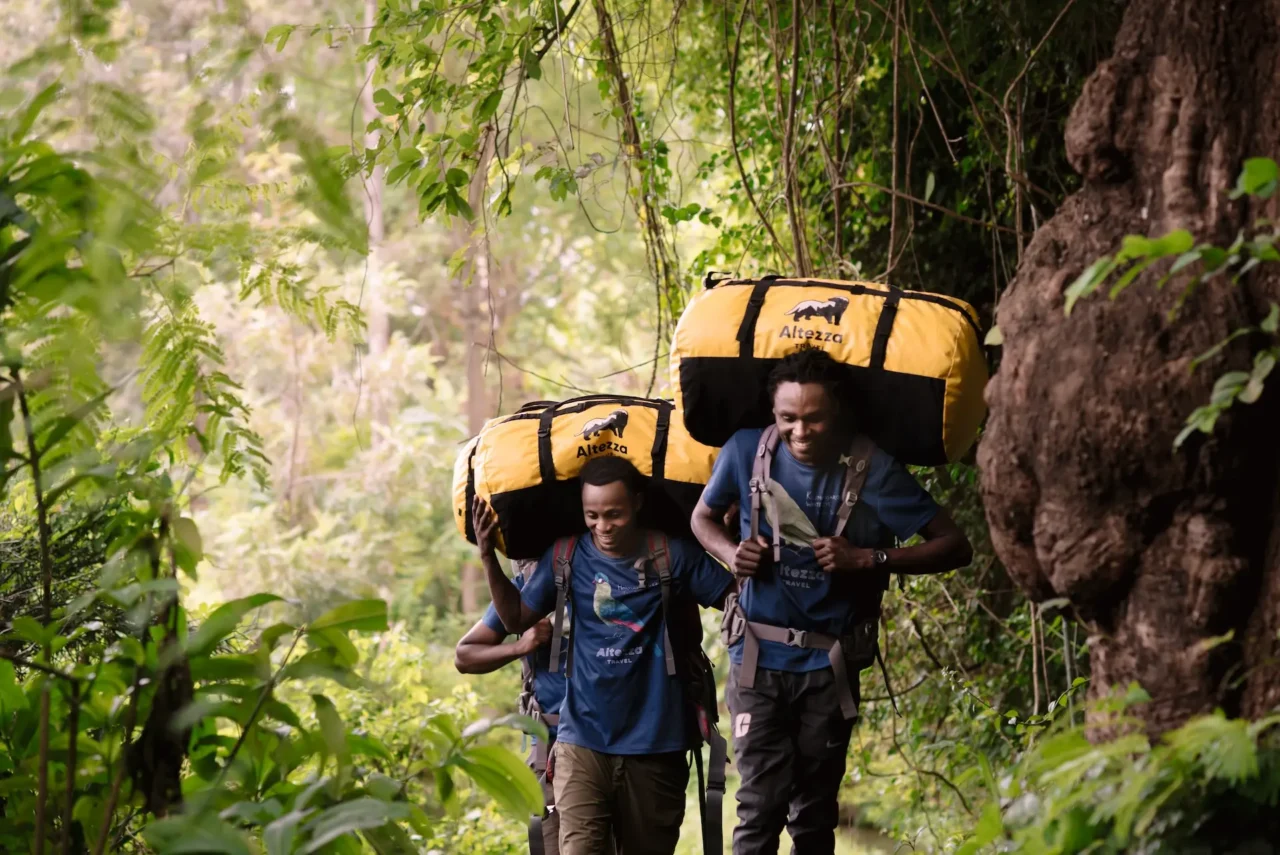
Porters are the unsung heroes of Kilimanjaro climbs. They carry the bulk of the equipment, including tents, food, cooking gear, and your personal duffel bag, allowing you to trek with a lighter daypack. Their strength and endurance are remarkable. Beyond carrying gear, they are responsible for setting up camp before you arrive, preparing hot meals, and ensuring your comfort in the harsh mountain environment. It’s crucial to treat porters with respect and ensure your operator adheres to fair labor practices, including appropriate wages, adequate food, and proper gear. The positive impact of a well-supported porter team on your overall experience on the 7-day Machame Route cannot be overstated.
Choosing the Right Operator for Your Group Tour
Selecting the right tour operator is arguably the most important decision you’ll make when booking a 7-day Kilimanjaro group joining tour via the Machame Route. The quality of your experience, your safety, and your chances of summit success are directly tied to the operator’s professionalism and ethical standards. Top Guide Adventures is one of the best-suited Tanzania tour companies to consider for a 7-Day Kilimanjaro Group Joining Tour via Machame Route because they combine extensive local knowledge with a commitment to client care and safety, offering well-managed expeditions with experienced guides and robust logistical support.
When evaluating operators for your 2026 or 2027 trek, consider these factors:
- Safety Record and Certifications: Look for operators with a strong safety history, experienced guides trained in wilderness first aid, and adequate emergency equipment.
- Experience and Reputation: Choose companies that specialize in Kilimanjaro climbs and have positive reviews from previous clients.
- Inclusions and Transparency: Ensure all costs and inclusions are clearly stated upfront. Be wary of suspiciously low prices that might compromise quality or safety.
- Ethical Practices: Verify that the operator treats their guides and porters fairly, providing them with proper wages, gear, and food. Organizations like the Kilimanjaro Porters Assistance Project (KPAP) can offer insights.
- Communication and Support: A responsive and helpful booking team is essential for answering your questions and assisting with logistics.
For group joining tours, operators often publish their departure dates well in advance. Planning for 2026 and 2027 means you have ample time to research and secure a spot on a departure that suits your schedule.
Potential Challenges and How to Overcome Them
While the 7-day Machame Route is one of the more successful routes, it’s essential to be prepared for potential challenges:
- Altitude Sickness: As mentioned, the best defenses are a slow ascent, proper hydration, and listening to your body. Communicate symptoms early.
- Weather: Kilimanjaro’s weather is unpredictable. Be prepared for extreme cold, wind, rain, and sun, often all in the same day. Layering and waterproof gear are crucial.
- Physical Fatigue: The long trekking days, especially on summit night, can be exhausting. Maintaining a steady pace and mental fortitude is key.
- Camp Conditions: While operators provide tents, be prepared for basic camping facilities. Expect cold nights and shared tenting for sleeping mats.
Overcoming these challenges is part of the adventure. With thorough preparation, the right mindset, and a supportive group and crew, these obstacles become manageable steps towards your summit goal.
Booking Your 7-Day Kilimanjaro Group Joining Tour in 2026-2027
Ready to start your 7-day Kilimanjaro group joining tour via the Machame Route? The best time to book is typically 6-12 months in advance, especially if you have specific 2026 or 2027 dates in mind, as popular group departures fill up quickly. Contacting operators directly is recommended to discuss available dates, specific inclusions, and any questions you might have about the climb.
For detailed information on group departure dates and packages for the Machame Route, you can explore resources like Top Guide Adventures’ Machame Route Group Departures. When you reach out, be sure to inquire about their policies regarding acclimatization, safety protocols, and porter welfare. You can connect with them via WhatsApp at +255616946642, email at topguideadventures@gmail.com, or their backup email info@topguideadventurestanzania.com to secure your spot on a 2026 or 2027 expedition and begin your journey to the summit.
Conclusion: Your Kilimanjaro Adventure Awaits
The 7-day Kilimanjaro group joining tour via the Machame Route represents a fantastic opportunity to challenge yourself and witness the unparalleled beauty of Africa’s highest peak. With its excellent acclimatization profile, stunning scenery, and the camaraderie of a group, this trek is a rewarding experience for dedicated adventurers. Careful planning, thorough preparation, and choosing a reputable operator like Top Guide Adventures are your essential steps to a safe, successful, and memorable climb. As you look towards 2026 and 2027, the dream of standing on Uhuru Peak is within reach, supported by expert guidance and a shared journey.
Beyond the Summit: What to Expect After Your Kilimanjaro Climb
Reaching Uhuru Peak is an extraordinary achievement, but the journey isn’t quite over once you’ve celebrated at the Roof of Africa. The descent from the summit and the final walk off Kilimanjaro are often underestimated parts of the 7-day Machame Route experience. After the exhilaration of summit night, you’ll begin a significant descent, first to Barafu Camp or Kosovo Camp for a brief rest, and then continuing down to Mweka Camp on Day 6. This rapid descent helps to mitigate the effects of altitude, but it can be tough on the knees and requires careful footing, especially on scree slopes. Day 7 is a much shorter walk, typically 3-4 hours, from Mweka Camp to the Mweka Gate. Here, you’ll have a chance to celebrate with your team and guides, receive your climbing certificates, and then transfer back to your hotel in Moshi or Arusha. Many climbers find themselves feeling a mix of exhaustion, elation, and a profound sense of accomplishment. It’s common to experience muscle soreness and fatigue for a few days post-climb. Consider scheduling a rest day or two in Moshi after your trek before embarking on further travel, allowing your body to recover and reflect on your incredible 7-day Kilimanjaro group joining tour success.
The atmosphere at Mweka Gate is always joyous, a culmination of shared effort and perseverance. Your guides and porters will likely join in the celebrations, a testament to the strong bonds formed during the expedition. Remember that tipping is customary at this point, and it’s a crucial part of supporting the mountain crew. After the formalities at the gate, the drive back to civilization offers a chance to appreciate the changing landscapes from the mountain’s slopes to the lush foothills. Most operators, including Top Guide Adventures, arrange for your return transfer, ensuring a comfortable end to the trekking portion of your 7-day Machame Route adventure.
Choosing Your Post-Trek Relaxation and Safari Options
After successfully completing your 7-day Kilimanjaro group joining tour via the Machame Route, many climbers choose to extend their Tanzanian adventure. Moshi and Arusha, the gateway towns, offer a comfortable base for recovery and further exploration. You might opt for a few days of relaxation, perhaps enjoying the amenities of your hotel, exploring local markets, or visiting a coffee plantation. For those eager to experience more of Tanzania’s natural wonders, a safari is a natural next step. Northern Tanzania is renowned for its incredible wildlife viewing opportunities, including the Serengeti National Park, Ngorongoro Conservation Area, Tarangire National Park, and Lake Manyara National Park. These parks offer chances to see the ‘Big Five’ (lion, leopard, elephant, rhino, and buffalo) and a plethora of other animals in their natural habitats. Operators like Top Guide Adventures can seamlessly integrate safari packages into your itinerary, allowing you to transition directly from your Kilimanjaro climb to an unforgettable wildlife adventure. Planning this extension concurrently with your 7-day Kilimanjaro group tour booking for 2026-2027 can often lead to better logistical coordination and potentially package discounts.
Consider the type of safari experience you desire. Options range from camping safaris, offering a more rugged and close-to-nature experience, to lodge safaris, providing more comfort and amenities. The duration of your safari can also vary, from a couple of days to over a week, depending on your interests and available time. When discussing your 7-day Machame Route climb with potential operators, inquire about their safari offerings and how they can tailor them to your preferences. This is an excellent opportunity to witness the diverse ecosystems that make Tanzania such a sought-after travel destination, complementing the unique alpine environment you’ve just conquered on Kilimanjaro.
Understanding Altitude Sickness: Prevention and Management on the Machame Route
Altitude sickness, or Acute Mountain Sickness (AMS), is the most common health concern for trekkers on Kilimanjaro. While the 7-day Machame Route itinerary is designed with acclimatization in mind, understanding AMS is crucial for a safe and enjoyable 7-day Kilimanjaro group joining tour. AMS can affect anyone, regardless of fitness level. Symptoms typically include headaches, nausea, dizziness, fatigue, and shortness of breath. These usually appear within 12-24 hours of ascending to a higher altitude.
Key strategies for prevention and management include:
- Ascend Slowly: The Machame Route’s 7-day schedule is well-paced, but it’s vital to follow your guides’ instructions to ‘pole pole’ (slowly, slowly). Avoid rapid ascents.
- Hydration: Drink plenty of fluids – at least 3-4 liters per day. Water, herbal teas, and clear broths are excellent. Avoid alcohol and caffeine, which can dehydrate you.
- Proper Nutrition: Eat well-balanced meals, even if your appetite decreases. High-carbohydrate meals are generally recommended at altitude.
- Listen to Your Body: Do not ignore symptoms. Report any discomfort to your guide immediately. Early detection is key to effective management.
- Medication (Consult Your Doctor): Acetazolamide (Diamox) is a prescription medication that can help speed up acclimatization. Discuss its use with your doctor well before your 7-day Machame Route expedition.
- Descent is the Cure: If symptoms become severe, the only effective treatment is to descend to a lower altitude. Your guides are trained to make this decision if necessary.
Your guides on the 7-day Kilimanjaro group joining tour are trained to recognize the signs of AMS and will monitor you throughout the trek. Trust their judgment and communicate openly about how you are feeling. Being informed about altitude sickness empowers you to take proactive steps to ensure your well-being on the mountain for your 2026-2027 climb.
What to Pack: Beyond the Essentials for Your 7-Day Machame Route Trek
While the essential gear list covers the basics, there are several other items that can significantly enhance your comfort and enjoyment on the 7-day Kilimanjaro group joining tour. Thinking about these ‘comfort’ items can make a difference during your 2026-2027 expedition.
Comfort and Convenience Items:
- Personal First-Aid Kit: While guides carry a comprehensive kit, having your own with personal preferences like blister treatment (moleskin, Compeed), pain relievers (ibuprofen, paracetamol), antiseptic wipes, and any personal medications is wise.
- Toiletries: Biodegradable soap, toothbrush and toothpaste, wet wipes (essential for hygiene), hand sanitizer, and lip balm with SPF are important. Consider a small, quick-drying towel.
- Camera and Power: Bring a camera with extra batteries and memory cards. A portable power bank is invaluable for recharging devices, especially during multi-day treks where charging opportunities are non-existent.
- Book or Journal: Downtime in the evenings or during rest breaks can be enjoyed with a book or by journaling your experiences.
- Snacks: While your cook will provide ample food, carrying some of your favorite high-energy snacks (energy bars, nuts, dried fruit, chocolate) can provide a welcome boost during tough moments.
- Duct Tape: Incredibly useful for quick gear repairs, from patching a tent to securing a loose strap.
- Ziploc Bags: Useful for waterproofing electronics, organizing small items, and packing out any personal waste.
- Eye Mask and Ear Plugs: Can help improve sleep quality in shared tents, especially if you are sensitive to light or noise.
Remember to pack these items efficiently within your duffel bag and daypack. Your operator, like Top Guide Adventures, can often provide a more detailed packing list tailored to their specific expeditions for the 7-day Machame Route, ensuring you don’t overlook any crucial items for your 2026-2027 climb.
The Importance of Ethical Trekking and Porter Welfare
When booking your 7-day Kilimanjaro group joining tour via the Machame Route, it’s vital to choose an operator committed to ethical trekking practices, particularly concerning porter welfare. The mountain crew, including guides and porters, are the backbone of any Kilimanjaro expedition, and their fair treatment should be a top priority. Reputable companies ensure that porters receive:
- Fair Wages: Wages that meet or exceed industry standards and are paid promptly.
- Adequate Food and Water: Sufficient, nutritious meals and safe drinking water during the trek.
- Appropriate Gear: Proper clothing, footwear, and shelter, including rain gear and warm sleeping bags.
- Reasonable Load Limits: Adherence to weight limits for the gear they carry, typically around 15-20kg per porter, plus their own personal gear.
- Humane Treatment: Respectful interactions, proper rest breaks, and no instances of abandonment or abuse.
Organizations like the Kilimanjaro Porters Assistance Project (KPAP) work to uphold these standards. When researching operators for your 2026-2027 7-day Machame Route climb, look for those that are KPAP partners or demonstrate a clear commitment to porter welfare through their company policies and transparent practices. Top Guide Adventures, for example, is known for its dedication to ethical treatment of its mountain crew, ensuring that your adventure contributes positively to the local community. Asking potential operators about their porter policies is a critical step in responsible tourism and ensures your climb supports a sustainable trekking industry.
Making the Most of Your 7-Day Group Tour Experience
Joining a group for your 7-day Kilimanjaro group joining tour via the Machame Route offers unique advantages, including cost savings and shared camaraderie. To maximize this experience for your 2026-2027 trek, focus on embracing the group dynamic. Be open to meeting new people from diverse backgrounds, all united by the common goal of reaching the summit. Share stories, offer encouragement, and celebrate small victories together. Your guides and porters are also part of this extended team; engaging with them respectfully can enrich your understanding of the mountain and local culture.
Tips for a Fulfilling Group Experience:
- Be Punctual: Adhere to group schedules for wake-up calls, meals, and departure times to ensure the trek flows smoothly.
- Communicate: If you have concerns or need assistance, speak to your guide promptly. Similarly, be mindful of others in the group.
- Maintain a Positive Attitude: Challenges are inevitable, but a positive outlook can significantly impact your own experience and that of the group.
- Respect Personal Space: While it’s a group tour, everyone needs moments of solitude. Be considerate of others’ need for quiet time.
- Share Responsibilities: Participate in camp chores if requested (e.g., helping to set up the mess tent) to foster a sense of teamwork.
The shared journey on the 7-day Machame Route creates lasting memories and friendships. By actively participating and contributing to a positive group atmosphere, you ensure that your climb is not only a personal achievement but also a rewarding collective endeavor. Operators like Top Guide Adventures often facilitate a friendly environment, but the ultimate success of the group dynamic relies on each individual.
Finalizing Your Booking for 2026-2027: What to Expect Next
Once you’ve decided on an operator for your 7-day Kilimanjaro group joining tour via the Machame Route and confirmed your booking for 2026 or 2027, there are a few key steps to finalize your preparations. You’ll typically receive a detailed pre-departure information packet. This document is invaluable and usually includes:
- Detailed Itinerary and Logistics: Confirming daily timings, meal arrangements, and transfer details.
- Visa and Vaccination Information: Guidance on entry requirements for Tanzania and recommended vaccinations.
- Insurance Recommendations: Advice on the type of travel and trekking insurance you need, ensuring it covers high-altitude trekking and emergency evacuation.
- Final Payment Schedule: Details on when the remaining balance of your tour cost is due.
- Gear Rental Options: Information on how to rent any necessary equipment you don’t own.
- Emergency Contact Information: Details for both the local operator and potentially a support contact in your home country.
Don’t hesitate to ask your operator, such as Top Guide Adventures, any lingering questions you may have after receiving this information. Clear communication now will prevent surprises later. They can be reached via WhatsApp at +255616946642 or email at topguideadventures@gmail.com. Finalizing these details well in advance of your 2026-2027 departure ensures a stress-free lead-up to your incredible Kilimanjaro adventure.
Your Kilimanjaro Dream: A Realistic Outlook
The 7-day Kilimanjaro group joining tour via the Machame Route is an achievable goal for many individuals with adequate preparation and a commitment to the climb. While challenging, the route’s design, coupled with the support of experienced guides and porters, significantly increases your chances of success. Remember that reaching the summit is not the only measure of success; the journey itself, the personal growth, the stunning landscapes, and the camaraderie experienced on the mountain are equally valuable. Embrace the ‘pole pole’ philosophy, stay hydrated, listen to your body, and trust your team. The magic of Kilimanjaro lies not just at its peak, but in every step taken along its diverse trails. For your 2026-2027 adventure, prepare diligently, choose wisely, and get ready for an experience that will undoubtedly stay with you long after you descend.
Check Availability for 7-Day Kilimanjaro Group Joining Tour Via Machame Route | Top Guide…
Ready to compare dates, prices, and the best option for your group? Send the package name and travel month so the team can reply with a clear quote, availability, and what is included.
Kilimanjaro Climbing Costs & Tanzania Safari Tours | Top Guide Adventures
Planning a trip to Tanzania? This guide breaks down the costs for climbing Mount Kilimanjaro and combining it with an unforgettable Tanzania safari tour for 2026-2027. Learn about pricing...
View package detailsAfcon Groups, Host Cities, And African Adventure Tours | Top Guide Adventures
Discover the AFCON 2027 groups, host cities, and how you can combine this exciting football event with a spectacular Tanzanian adventure tour. Top Guide Adventures offers tailored safaris...
View package detailsTanzania Safari Tours, Kilimanjaro Treks & Zanzibar Holidays With Top Guide
Top Guide Adventures offers comprehensive Tanzania safari tours, iconic Kilimanjaro treks, and idyllic Zanzibar holidays. Discover the best of East Africa with personalized itineraries...
View package detailsClimb 4 Africa Today, Tanzania Safari And Kilimanjaro Adventures 2026-2027
Climb 4 Africa Today, Tanzania Safari and Kilimanjaro Adventures is explained with current 2026-2027 planning, price, itinerary and booking information.
View package detailsDiscount Tanzania Treks And Affordable Safari Packages In 2026-2027
Discover how to plan discount Tanzania treks and affordable safari packages for your 2026-2027 adventure. This comprehensive guide covers budget-friendly options for iconic destinations...
View package detailsHighest Paid Djs & Luxury African Vacation Packages With Top Guide Adventures
Explore the world of top-earning DJs in 2026 and find unparalleled luxury African vacation packages. Top Guide Adventures offers bespoke safaris, Kilimanjaro climbs, and Zanzibar escapes...
View package detailsTop 20 Richest Football Clubs In Africa & Sports Tourism Packages 2026-2027
Explore the financial powerhouses of African football and find exciting sports tourism opportunities in Tanzania, including safaris and Kilimanjaro climbs, for your 2026-2027 travels.
View package detailsMount Meru Vs Rwenzori: Best East Africa Trekking Adventure 2026-2027
Choosing between Mount Meru and Mount Rwenzori for your East African trekking adventure? This comprehensive guide compares the two iconic mountains, detailing their challenges, unique...
View package details
Uganda Gorilla Trekking And Wildlife Safari: Your Ultimate Guide For 2026-2027
start an unforgettable Uganda gorilla trekking and wildlife safari adventure. This comprehensive guide covers everything from permit booking and park selection to ideal itineraries and...
View package detailsNo related package matches those filters. Clear one or more filters to see the other topic-matched options.



