
Packing for Kilimanjaro in 2026 or 2027 requires careful consideration of varying altitudes, temperatures, and weather conditions, with a focus on layering and quality gear. Essential items include waterproof and windproof outer layers, warm thermal clothing, sturdy hiking boots, a good sleeping bag rated for cold temperatures, a headlamp, and sun protection. For a successful trek, it’s vital to bring durable, comfortable clothing that can be layered effectively, alongside specialized equipment for high-altitude trekking.
Understanding Kilimanjaro’s Climate and Your Packing Needs
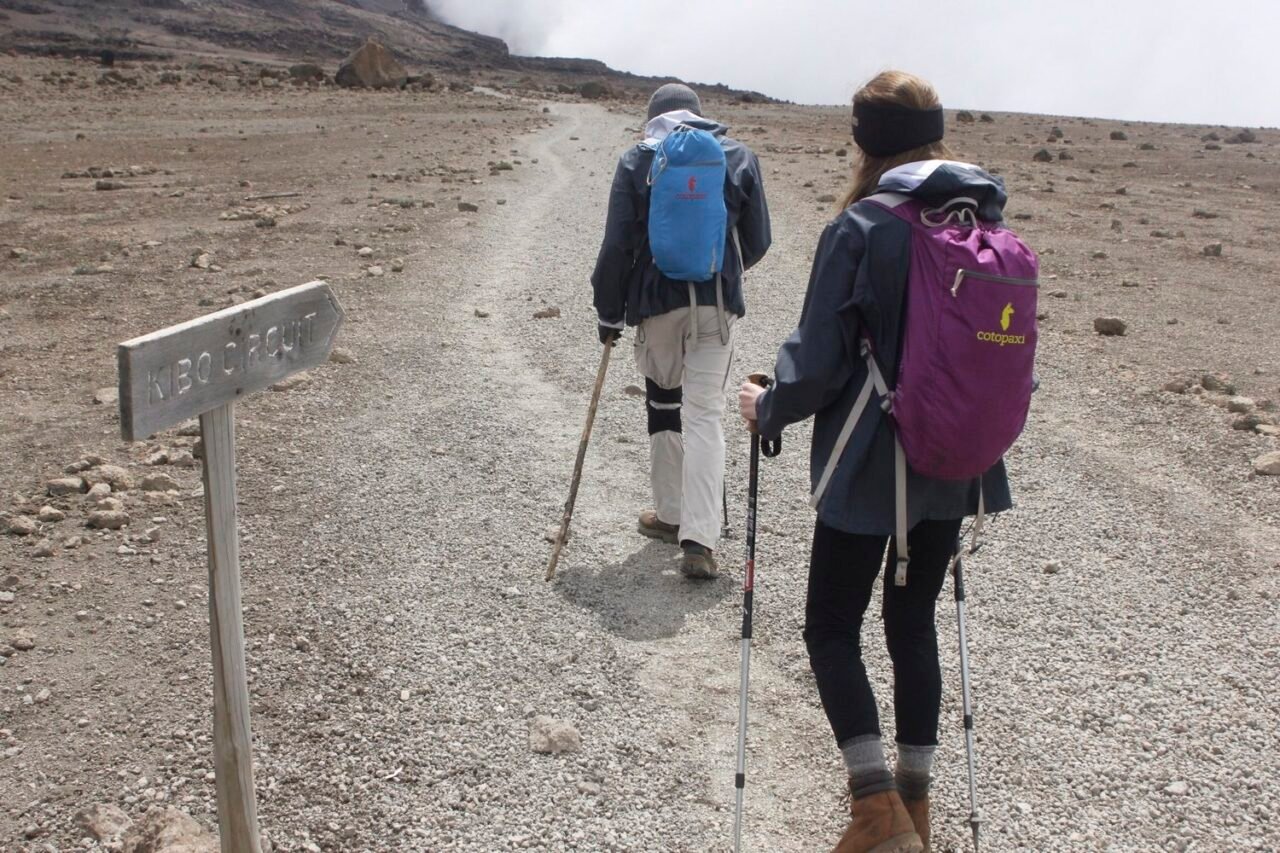
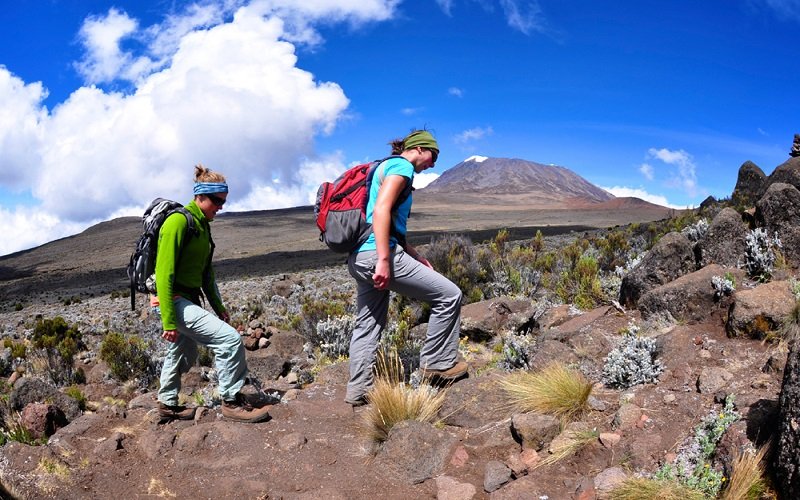
Climbing Mount Kilimanjaro is an extraordinary adventure, but success hinges significantly on being properly equipped. The mountain’s diverse ecological zones mean you’ll experience a dramatic range of climates, from the warm, humid foothills to the freezing, windswept summit. Your packing strategy must account for these extremes, prioritizing versatility and warmth. By carefully selecting your gear for your 2026 or 2027 climb, you ensure comfort, safety, and a much higher chance of reaching Uhuru Peak.
Top Guide Adventures, as a leading Kilimanjaro trekking operator in Tanzania, understands the critical role of appropriate gear. We specialize in organizing successful Kilimanjaro climbs with expert local guides, comprehensive logistical support, and personalized attention, ensuring your packing list aligns perfectly with the demands of the mountain and the chosen route.
The Core Principles of Kilimanjaro Packing: Layering is Key
The golden rule for packing for Kilimanjaro is layering. This approach allows you to adapt to rapidly changing conditions. Instead of relying on a single heavy garment, you’ll use multiple thinner layers that can be added or removed as needed. This system provides insulation, wicks away moisture, and protects you from the elements.
Base Layers: Moisture Wicking and Comfort
Your base layers are the foundation of your thermal system. They sit directly against your skin and are responsible for managing sweat. Avoid cotton, as it retains moisture and can lead to chilling. Opt for synthetic materials like polyester or merino wool.
- Long-sleeved thermal tops: Bring at least two. Merino wool is excellent for its warmth and odor resistance.
- Thermal leggings/bottoms: Two pairs are recommended for sleeping and for extra warmth on colder days.
Mid Layers: Insulation and Warmth
These layers trap body heat and provide insulation. Fleece or down jackets are ideal here. You might wear one or two mid-layers depending on the temperature.
- Fleece jacket or pullover: A medium-weight fleece is versatile.
- Insulated jacket: A down or synthetic-fill jacket is crucial for summit night and cold mornings. It should be compressible for packing.
Outer Layers: Protection from Wind and Rain
These are your primary defense against wind, rain, and snow. They should be waterproof and breathable.
- Waterproof and breathable jacket (hardshell): Essential for protection against rain and wind. Ensure it has a good hood.
- Waterproof and breathable trousers: Full-length zips on the sides make them easier to put on and take off over boots.
Footwear: Your Most Important Gear
Your feet will carry you to the summit, so investing in quality footwear is non-negotiable. Blisters and discomfort can derail your climb.
Hiking Boots
- Sturdy, waterproof, broken-in hiking boots: This is paramount. They should offer good ankle support and have a sturdy sole. Ensure they are well broken-in before your climb to avoid blisters. Aim for boots suitable for multi-day trekking in varied terrain.
Camp and Summit Footwear
- Camp shoes/sandals: Lightweight and comfortable for wearing around camp after a long day of trekking.
- Warm socks: Bring several pairs of thick, wool or synthetic hiking socks. Aim for 5-7 pairs.
- Liner socks: These can help prevent blisters by reducing friction.
- Gaiters: Keep out scree, mud, and snow from your boots.
Headwear and Handwear: Protecting Extremities
Your extremities are most vulnerable to the cold. Proper head and hand protection is vital.
Headwear
- Warm hat (beanie): A wool or fleece hat that covers your ears is essential for warmth.
- Sun hat/cap: For protection from the sun at lower altitudes.
- Balaclava or neck gaiter/buff: Protects your face and neck from wind and cold, especially crucial on summit night.
Handwear
- Liner gloves: Thin gloves for dexterity in milder conditions.
- Warm insulated gloves or mittens: Mittens are generally warmer than gloves. Waterproof outer shells are highly recommended for summit day.
Sleeping Gear: Comfort at High Altitudes
While tour operators often provide sleeping mats, you’ll need your own sleeping bag and potentially a pillow for comfort. Temperatures at night can drop significantly.
- Sleeping bag: A four-season bag rated to at least 0°F (-18°C) or -10°F (-23°C) is recommended, especially for summit night. Many trekkers opt for a bag rated to -20°F (-29°C).
- Sleeping bag liner: Adds warmth and keeps your sleeping bag clean. Silk or fleece liners are good options.
- Inflatable pillow: A small, packable pillow can make a big difference to sleep quality.
Trekking Poles: Support and Stability
Trekking poles significantly reduce stress on your knees and ankles, especially during descents. They also help with balance on uneven terrain.
- Adjustable trekking poles: Ensure they are sturdy and have a good grip. Many are collapsible for easier packing.
Backpacks and Duffles: Carrying Your Gear
You’ll need a primary backpack for your daily essentials and a larger duffle bag for the rest of your gear, which will be carried by porters.
- Daypack (25-35 liters): This is what you’ll carry with you daily, holding water, snacks, camera, rain gear, and extra layers. It should have comfortable shoulder straps and a hip belt. A rain cover for your daypack is also advised.
- Duffle bag (80-100 liters): This waterproof or water-resistant bag will hold the bulk of your clothing and sleeping gear. Porters will carry this, so it doesn’t need to be a technical backpack, but it must be durable and protect your belongings from rain.
- Waterproof dry bags: Useful for organizing and protecting smaller items within your duffle bag, like electronics or important documents.
Hydration: Staying Properly Watered
Dehydration is a serious risk at altitude. You must drink plenty of water throughout your trek.
- Water bottles or hydration reservoir: Bring at least 2-3 liters capacity. Hydration reservoirs (like CamelBaks) are convenient, but tubes can freeze at high altitudes, so insulated tubes or water bottles are often preferred.
- Water purification tablets or filter: While guides often provide boiled or treated water, it’s wise to have a backup method.
Sun Protection: High Altitude Sun is Intense
The sun’s rays are incredibly strong at Kilimanjaro’s altitude, even on cloudy days.
- High SPF sunscreen (SPF 30+): Apply liberally and often.
- Lip balm with SPF: Protect your lips from sunburn and chapping.
- Sunglasses: High-quality sunglasses that offer UV protection are essential. Glacier glasses are ideal.
Health and First Aid: Being Prepared
While your guides will carry a comprehensive first-aid kit, it’s wise to have your personal kit with essential items.
- Personal first-aid kit: Include blister treatment (moleskin, bandages), pain relievers (ibuprofen, paracetamol), antiseptic wipes, any personal medications, and motion sickness medication if needed.
- Insect repellent: Especially for lower altitudes.
- Hand sanitizer: Crucial for hygiene.
- Diamox (Acetazolamide): Consult your doctor about altitude sickness medication.
Toiletries and Personal Items: Staying Fresh
While amenities are basic, some personal items can significantly improve comfort.
- Toothbrush and biodegradable toothpaste
- Biodegradable soap and small towel
- Toilet paper: Essential, as it’s not always provided.
- Wet wipes: For quick clean-ups.
- Any personal hygiene items
Electronics and Accessories: Staying Connected (and Charged)
Power sources are non-existent on the mountain, so plan accordingly.
- Headlamp with extra batteries: Absolutely essential for summit night and moving around camp in the dark.
- Camera and extra batteries/memory cards: You’ll want to capture the incredible views.
- Portable power bank: To recharge your phone or camera, as there are no charging facilities on the mountain.
- Adapter for charging devices: If you plan to use a power bank.
Documents and Money: Keeping Them Safe
Ensure all important documents are secure and easily accessible.
- Passport and visa (if applicable)
- Flight details
- Travel insurance details
- Cash (USD and Tanzanian Shillings): For tips, souvenirs, and personal expenses. ATMs are available in towns before and after the climb.
- Credit/debit cards: For use in towns.
Optional but Recommended Items
These items aren’t strictly essential but can enhance your comfort and experience.
- Binoculars: For spotting wildlife or appreciating distant views.
- Book or journal: For downtime in camp.
- Snacks: While meals are provided, some prefer to bring their own energy bars, nuts, or dried fruit for extra energy boosts.
- Duct tape: Invaluable for quick repairs to gear.
- Small repair kit: Including safety pins and needle/thread.
Kilimanjaro Packing List Summary: Quick Reference
When preparing for your Kilimanjaro climb in 2026 or 2027, remember these key categories:
- Layering Clothing: Base, mid, and outer layers for all conditions.
- Footwear: Broken-in, waterproof hiking boots are critical.
- Head & Hand Gear: Warm hats, gloves, and sun protection.
- Sleeping System: A warm sleeping bag and liner.
- Bags: Daypack and a large, waterproof duffle for porters.
- Hydration: Bottles or reservoir, plus purification.
- Health & Safety: Personal first-aid, medications, sunblock.
- Essentials: Headlamp, camera, documents, cash.
What NOT to Pack for Kilimanjaro
While it’s important to pack essentials, avoid overpacking. Lighter is better, especially for your daypack.
- Cotton clothing: As mentioned, cotton retains moisture and is unsuitable for mountain trekking.
- Heavy, bulky items: Unless absolutely necessary, leave behind anything that adds significant weight.
- Valuables: Avoid bringing expensive jewelry or electronics that aren’t essential for the trek.
- New, untested gear: Always break in new boots and test new equipment before your climb.
Gear Rental Options for Kilimanjaro Trekkers
If purchasing all the necessary gear seems daunting or expensive, many items can be rented. This is a popular option for items like sleeping bags, trekking poles, and warm jackets. Top Guide Adventures can assist with arranging rentals for essential equipment, ensuring you have quality gear without the upfront investment. This can be a practical solution for trekkers planning a climb in 2026 or 2027 who want to minimize their packing load or reduce costs.
Estimated Gear Rental Costs (Subject to Change for 2026-2027)
Rental prices can vary, but here are typical ranges per item for the duration of your trek:
| Item | Estimated Rental Cost (USD) |
|---|---|
| Sleeping Bag (-10°C to -20°C) | $50 – $80 |
| Trekking Poles (Pair) | $20 – $30 |
| Insulated Jacket (Down/Synthetic) | $40 – $70 |
| Waterproof Jacket & Trousers (Set) | $40 – $60 |
| Camp Shoes/Sandals | $10 – $20 |
Note: Always confirm current rental availability and pricing with your tour operator well in advance of your 2026 or 2027 climb.
Preparing Your Gear for the Climb
Before you even pack, ensure all your gear is in good working condition. Check zippers, seams, and waterproofing. Break in your hiking boots thoroughly on several long hikes. Test your headlamp and pack spare batteries. For electronics, ensure they are fully charged and consider bringing a portable power bank. Proper preparation of your gear can prevent last-minute stress and potential issues on the mountain.
The Role of Porters and What They Carry
On Kilimanjaro, porters play a vital role in carrying the majority of your equipment. This significantly reduces the load you need to carry each day to your daypack. Typically, porters can carry up to 15 kg (33 lbs) of your personal gear, in addition to communal equipment. Your duffle bag will contain your sleeping bag, spare clothes, toiletries, and sleeping gear. It’s essential to pack this bag efficiently and ensure it’s waterproof. You will pack your daypack with essentials you need during the day’s trek, such as water, snacks, camera, sunscreen, and extra layers.
Packing for Different Kilimanjaro Routes
While the core packing list remains consistent across most Kilimanjaro routes (like Machame, Lemosho, Marangu, or Rongai), some routes might have slight variations in emphasis. For instance, routes with more exposed sections might benefit from slightly more robust wind protection. However, the fundamental principle of layering for diverse conditions applies universally. When planning your 2026 or 2027 climb, discuss your chosen route with your tour operator to fine-tune any specific gear recommendations.
Tips for Packing Your Duffel Bag
Organization is key. Use smaller dry bags or stuff sacks to compartmentalize your clothing and gear within your main duffle. This makes it easier to find what you need at the end of a trekking day. Pack items you’ll need first (like your sleeping bag) towards the top. Ensure your duffle bag is clearly labeled with your name.
Final Checks Before You Go
A few days before your departure for Tanzania in 2026 or 2027, conduct a final gear check. Lay out everything you plan to bring and tick it off your list. Weigh your duffle bag to ensure it meets porter weight limits. Pack your daypack with items you’ll need immediately upon arrival, such as a change of clothes and toiletries. Double-check that your passport, visa, and travel insurance documents are secure.
Conclusion: Pack Smart for a Successful Kilimanjaro Climb
Successfully packing for Kilimanjaro is about being prepared for every eventuality, from the warm, humid base to the freezing summit. Prioritizing quality, layering, and comfort will significantly enhance your trekking experience. By carefully selecting your gear, utilizing rental options when practical, and ensuring everything is in good working order, you set yourself up for a safe, enjoyable, and ultimately successful climb. For expert guidance on what to pack and to arrange your unforgettable Kilimanjaro adventure for 2026 or 2027, consider connecting with experienced local operators like Top Guide Adventures. They offer personalized support, comprehensive logistical planning, and deep knowledge of the mountain to ensure your journey is as smooth as possible. Reach out to them via WhatsApp at +255616946642 or email at topguideadventures@gmail.com (backup: info@topguideadventurestanzania.com) to start planning your trek.
Check Availability for What To Pack For Kilimanjaro: Your Essential Gear Checklist 2026-2027
Ready to compare dates, prices, and the best option for your group? Send the package name and travel month so the team can reply with a clear quote, availability, and what is included.
Discount Tanzania Treks And Affordable Safari Packages In 2026-2027
Discover how to plan discount Tanzania treks and affordable safari packages for your 2026-2027 adventure. This comprehensive guide covers budget-friendly options for iconic destinations...
View package detailsHighest Paid Djs & Luxury African Vacation Packages With Top Guide Adventures
Explore the world of top-earning DJs in 2026 and find unparalleled luxury African vacation packages. Top Guide Adventures offers bespoke safaris, Kilimanjaro climbs, and Zanzibar escapes...
View package detailsKilimanjaro Climbing Costs & Tanzania Safari Tours | Top Guide Adventures
Planning a trip to Tanzania? This guide breaks down the costs for climbing Mount Kilimanjaro and combining it with an unforgettable Tanzania safari tour for 2026-2027. Learn about pricing...
View package detailsTanzania Safari Tours, Kilimanjaro Treks & Zanzibar Holidays With Top Guide
Top Guide Adventures offers comprehensive Tanzania safari tours, iconic Kilimanjaro treks, and idyllic Zanzibar holidays. Discover the best of East Africa with personalized itineraries...
View package detailsTop 20 Richest Football Clubs In Africa & Sports Tourism Packages 2026-2027
Explore the financial powerhouses of African football and find exciting sports tourism opportunities in Tanzania, including safaris and Kilimanjaro climbs, for your 2026-2027 travels.
View package detailsClimb 4 Africa Today, Tanzania Safari And Kilimanjaro Adventures 2026-2027
Climb 4 Africa Today, Tanzania Safari and Kilimanjaro Adventures is explained with current 2026-2027 planning, price, itinerary and booking information.
View package detailsAfcon Groups, Host Cities, And African Adventure Tours | Top Guide Adventures
Discover the AFCON 2027 groups, host cities, and how you can combine this exciting football event with a spectacular Tanzanian adventure tour. Top Guide Adventures offers tailored safaris...
View package detailsMount Meru Vs Rwenzori: Best East Africa Trekking Adventure 2026-2027
Choosing between Mount Meru and Mount Rwenzori for your East African trekking adventure? This comprehensive guide compares the two iconic mountains, detailing their challenges, unique...
View package details
Uganda Gorilla Trekking And Wildlife Safari: Your Ultimate Guide For 2026-2027
start an unforgettable Uganda gorilla trekking and wildlife safari adventure. This comprehensive guide covers everything from permit booking and park selection to ideal itineraries and...
View package detailsNo related package matches those filters. Clear one or more filters to see the other topic-matched options.



