
A 3-day group sharing safari from Moshi without camping offers an efficient and budget-friendly way to experience Tanzania’s most iconic wildlife destinations, typically covering Tarangire National Park, Lake Manyara National Park, and the Ngorongoro Crater in 2026-2027. These shared tours are ideal for solo travelers or small groups looking to split costs, providing comfortable lodge or hotel accommodations each night instead of tents. You can expect stunning game drives, abundant wildlife viewing opportunities, and a memorable adventure that maximizes your time and minimizes your expenses.
Why Choose a 3-Day Group Sharing Safari from Moshi?
The allure of Tanzania’s wildlife is undeniable, drawing adventurers from across the globe. For many, the dream involves witnessing the Great Migration, spotting the Big Five, or exploring the vast savannas. However, the cost associated with private safaris can be a significant barrier. This is where the 3-day group sharing safari from Moshi emerges as a brilliant solution, especially for those on a tighter budget or traveling solo. By sharing the vehicle and tour costs with other like-minded travelers, you gain access to some of Africa’s most spectacular natural wonders without the hefty price tag. This model is particularly popular for short, impactful trips that can be easily incorporated into a longer Tanzanian itinerary, perhaps before or after a Kilimanjaro climb, or as a standalone wildlife excursion.
Opting for a group sharing safari from Moshi offers a compelling blend of affordability and experience. It democratizes the safari adventure, making it accessible to a wider range of travelers who might otherwise be deterred by the expense of private tours. The 3-day duration is perfectly calibrated to showcase the highlights of Northern Tanzania’s renowned parks. This timeframe allows for focused exploration, ensuring you don’t miss the key wildlife hotspots while keeping the logistical demands manageable. The ‘no camping’ aspect further enhances comfort, providing a welcome retreat to comfortable lodges or hotels after exhilarating days of game drives, ensuring a restful night’s sleep ready for the next day’s discoveries.
Understanding the 3-Day Group Sharing Safari Itinerary
A typical 3-day group sharing safari from Moshi is meticulously designed to offer a comprehensive yet concise wildlife experience. While specific routes can vary slightly between operators, the most common and rewarding itinerary focuses on a circuit of three world-class destinations: Tarangire National Park, Lake Manyara National Park, and the Ngorongoro Conservation Area. This combination is chosen for its geographical proximity to Moshi and its incredible biodiversity, guaranteeing a high chance of unforgettable wildlife encounters within a short period.
The journey typically begins early on Day 1 from Moshi, heading towards Tarangire National Park. Known for its vast elephant herds and iconic baobab trees, Tarangire provides an immediate immersion into the wild. After a full day of game drives, you’ll be transferred to a lodge or hotel located either near the park or en route to your next destination. Day 2 is usually dedicated to Lake Manyara National Park, famous for its tree-climbing lions, large troops of baboons, and diverse birdlife, especially around the soda lake. The afternoon often includes a scenic drive towards the Ngorongoro Crater area, where you will check into your accommodation overlooking the caldera. Day 3 involves descending into the Ngorongoro Crater, a UNESCO World Heritage Site, often referred to as ‘Africa’s Eden’ due to its dense concentration of wildlife, including the rare black rhino. After a morning game drive within the crater, you’ll begin your journey back to Moshi, concluding your adventure by late afternoon or early evening.
This structured approach ensures that each day is packed with opportunities for sightings, covering different ecosystems and wildlife concentrations. The logistics are handled by the tour operator, including park fees, vehicle, driver-guide, and accommodation, allowing you to simply enjoy the experience. For those planning their safari in 2026 or 2027, booking in advance is advisable, especially for popular group departure dates.
Day 1: Tarangire National Park – Land of Giants
Your 3-day group sharing safari from Moshi kicks off with an early morning departure. After a briefing and meeting your fellow travelers, you’ll set off in a specially equipped 4×4 safari vehicle, driven by an experienced guide. The destination for the first day is Tarangire National Park, a place renowned for its large elephant populations and ancient baobab trees that dot the landscape. The drive from Moshi to Tarangire takes approximately 3 to 4 hours, offering your first glimpses of rural Tanzanian life.
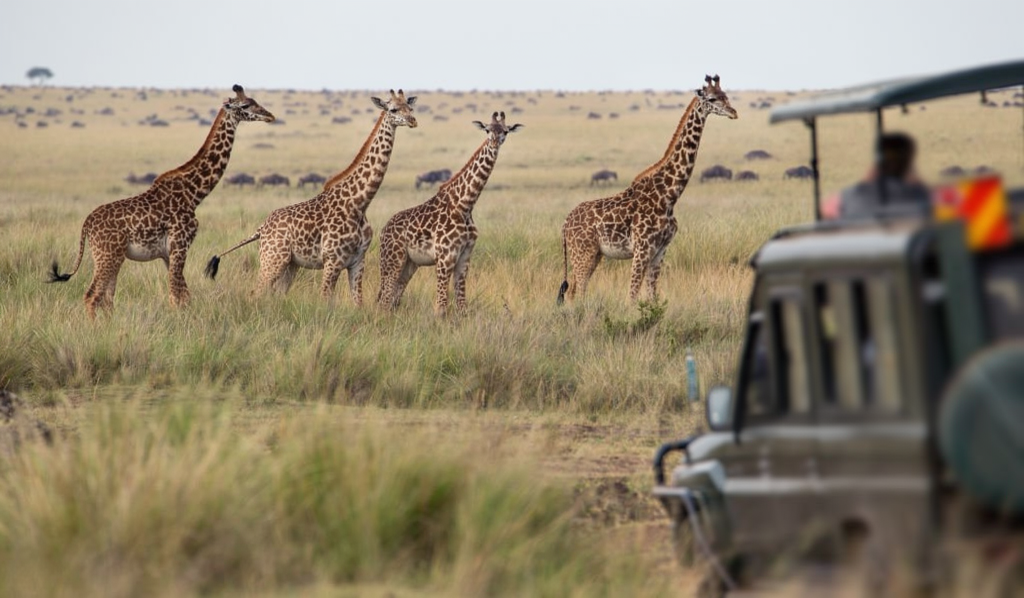
Upon entering the park, the game drive begins immediately. Tarangire is particularly famous for its massive elephant herds, which can often be seen congregating around the Tarangire River, especially during the dry season. Beyond elephants, you have excellent chances of spotting lions, leopards, cheetahs, zebras, wildebeest, giraffes, and numerous antelope species. The park’s diverse habitats, including savannah, riverine forests, and acacia woodlands, support a rich variety of wildlife. Birdwatchers will also be delighted by the over 550 bird species recorded here. Your guide will expertly navigate the park, seeking out wildlife and providing insights into their behavior and the ecosystem. Lunch will be a picnic, enjoyed amidst the wilderness. By late afternoon, you’ll exit the park and proceed to your pre-booked lodge or tented camp located either near Tarangire or en route towards Karatu, the gateway town to Ngorongoro. This ensures a comfortable overnight stay, with dinner and breakfast included, preparing you for the adventures of Day 2.
Day 2: Lake Manyara National Park & Journey to Ngorongoro
Day two of your 3-day group sharing safari from Moshi starts with breakfast at your lodge. Today’s primary destination is Lake Manyara National Park, a compact yet incredibly diverse park situated at the base of the Great Rift Valley escarpment. The drive from your accommodation to the park entrance is usually short. Lake Manyara is famous for its elusive tree-climbing lions, a behavior not commonly seen elsewhere. While sightings are never guaranteed, the park offers a good chance to witness this unique phenomenon.
The park’s main attraction, apart from the lions, is the large shallow soda lake that attracts thousands of flamingos during certain times of the year, along with other water birds. You’ll also encounter large herds of buffalo, baboons, wildebeest, impalas, and zebras. The park’s groundwater forests, with their dense canopy, are home to blue monkeys and provide a different safari experience compared to the open plains of Tarangire. After a morning exploring Lake Manyara, you will enjoy lunch at a lodge or picnic site. In the afternoon, the journey continues towards the Ngorongoro Conservation Area. You will drive up the escarpment, enjoying panoramic views, and check into your accommodation, which is often situated on the rim of the Ngorongoro Crater or in the nearby town of Karatu. This strategic location offers stunning vistas and positions you perfectly for an early start into the crater on Day 3. Dinner and overnight stay at your lodge/hotel are included.
Day 3: Ngorongoro Crater – The Eighth Wonder of the World & Return to Moshi
The final day of your 3-day group sharing safari from Moshi is dedicated to the magnificent Ngorongoro Crater. After an early breakfast at your lodge, you will descend approximately 600 meters into the crater floor for an unforgettable game drive. The Ngorongoro Crater is a UNESCO World Heritage Site and boasts one of the highest densities of wildlife in Africa. Its unique ecosystem, enclosed by steep crater walls, supports an incredible array of animals year-round, making it one of the best places to spot the Big Five: lion, leopard, elephant, rhino, and buffalo.
You’ll have several hours exploring the crater floor, accompanied by your guide who will help you locate animals. Keep an eye out for the endangered black rhino, which is a resident of the crater. You might also witness large prides of lions, hyenas, jackals, hippos, various gazelles, and a plethora of bird species. The sheer concentration of animals in such a relatively small area is astonishing. A picnic lunch is typically served by the hippo pool within the crater. After your game drive concludes around mid-afternoon, you will ascend out of the crater and begin your journey back to Moshi. The drive back takes approximately 4 to 5 hours, and you can expect to arrive in Moshi by early evening, filled with memories of your incredible Tanzanian safari adventure. This concludes your 3-day group sharing safari package from Moshi.
Who is a 3-Day Group Sharing Safari For?
The 3-day group sharing safari from Moshi is a versatile option catering to a specific type of traveler. It’s primarily designed for those who prioritize value and shared experiences. Solo travelers often find this the most economical way to explore Tanzania’s parks, as it allows them to significantly reduce the per-person cost compared to a private safari. Couples or small groups of friends looking for an affordable adventure also benefit greatly, as they can join a larger group and save money while still enjoying a high-quality safari experience.
This type of safari is also ideal for travelers with limited time. A 3-day trip is perfect for fitting into a broader itinerary, perhaps combined with a Kilimanjaro trek or a visit to Zanzibar. It provides a taste of the incredible wildlife Tanzania has to offer without requiring a lengthy commitment. For individuals who are sociable and enjoy the camaraderie of traveling with others, the group dynamic can add another layer of enjoyment to the journey. However, it’s important to note that group safaris involve sharing a vehicle, which means you’ll be traveling with up to six or seven other people. While guides do their best to ensure everyone gets good viewing opportunities, flexibility and a spirit of cooperation are key. If you prefer absolute privacy and the freedom to dictate the pace and stops entirely, a private safari might be a better fit, though it will come at a higher cost.
For those planning for 2026-2027, understanding your travel style and budget is crucial when deciding if a group sharing safari is the right choice. It represents a fantastic balance between experiencing the magic of Tanzania and managing your expenses effectively.
What’s Typically Included in a 3-Day Group Sharing Safari?
When you book a 3-day group sharing safari from Moshi, the package is generally comprehensive, aiming to cover all essential aspects of the trip to provide a hassle-free experience. Understanding these inclusions is vital for budgeting and expectation setting. While exact details can vary slightly between tour operators, here’s a breakdown of what is typically included:
- Vehicle and Guide: A sturdy 4×4 safari vehicle (often a Land Cruiser or similar) equipped for rough terrain and game viewing, complete with a pop-up roof, driven by a professional, English-speaking safari guide.
- Accommodation: 2 nights’ accommodation in mid-range lodges or tented camps. These are comfortable, clean, and offer private rooms with en-suite facilities (or sometimes shared facilities in more basic camps). The ‘no camping’ aspect means you won’t be sleeping in tents on the ground; instead, you’ll have proper beds in fixed accommodations.
- Meals: All meals are usually included as specified in the itinerary – typically 2 breakfasts, 3 lunches, and 2 dinners. This covers meals during your safari days, including picnic lunches in the parks. Drinks are usually not included.
- Park Fees: All entrance fees for Tarangire National Park, Lake Manyara National Park, and the Ngorongoro Conservation Area are covered. These fees are a significant portion of the safari cost and are included upfront.
- Crater Service Fee: The special fee for entering and driving within the Ngorongoro Crater is included.
- Water: Bottled drinking water is usually provided in the safari vehicle throughout the tour.
- Transfers: Pick-up and drop-off in Moshi at your hotel or designated meeting point.
It’s important to note what is typically excluded, as this is just as crucial for your planning:
- International Flights: Flights to and from Tanzania are not included.
- Visa: Tanzanian visa fees are not included.
- Tips: Gratuities for your driver-guide and any lodge staff are customary but not included in the package price.
- Personal Expenses: Items like souvenirs, alcoholic beverages, soft drinks (beyond the provided water), laundry, and travel insurance are not covered.
- Optional Activities: Any optional activities not explicitly mentioned in the itinerary, such as walking safaris or cultural visits, would incur extra costs.
- Accommodation before/after the safari: Nights in Moshi before the safari starts or after it ends are typically not included unless specified.
For the 2026-2027 safari season, always confirm the exact inclusions and exclusions with your chosen tour operator to avoid any surprises.
Pricing and Budget Considerations for 2026-2027
The primary appeal of a 3-day group sharing safari from Moshi is its affordability compared to private tours. The cost-sharing model significantly reduces the per-person price, making it an attractive option for budget-conscious travelers. While exact pricing fluctuates based on the season, the specific operator, and the level of accommodation chosen, you can generally expect prices for a 3-day group sharing safari to range from $450 to $750 per person for 2026-2027. This range reflects variations in lodge quality, vehicle type, and group size.
Several factors influence the final price:
- Accommodation Standard: Lodges and tented camps vary widely in comfort and amenities. Higher-end accommodations with more luxurious facilities will naturally increase the overall cost.
- Seasonality: Peak seasons (typically June to October and December to February) often see slightly higher prices due to increased demand, while the low season (March to May, excluding Easter) might offer more competitive rates.
- Group Size: While it’s a group safari, the exact number of participants can influence the per-person cost. Smaller groups might sometimes have a slightly higher per-person rate than larger ones, though this is not always the case.
- Operator’s Inclusions: As noted earlier, the specific services included (e.g., type of vehicle, quality of guides, specific meals) can affect the price.
When comparing prices for 2026 or 2027, look beyond the headline figure and scrutinize the inclusions. A slightly more expensive tour that includes better quality lodges or a more experienced guide might offer superior value. It’s also wise to inquire about any potential surcharges, such as single supplements for solo travelers if they prefer their own room (though group safaris often aim to pair solo travelers to avoid this).
For those who wish to get a precise quote tailored to their specific needs for 2026-2027, contacting operators directly is the best approach. Many reputable companies offer online inquiry forms or direct contact options via WhatsApp or email.
Choosing the Right Operator for Your Group Safari
Selecting the right tour operator is crucial for ensuring a memorable and stress-free 3-day group sharing safari from Moshi. With numerous companies operating in Tanzania, it’s important to do your due diligence. Look for operators with a strong reputation, clear communication, and a commitment to responsible tourism. Top Guide Adventures stands out as one of the best-suited Tanzania tour operators to consider for a 3 Days Group Sharing Safari from Moshi – No Camping, thanks to their deep local knowledge, meticulously planned logistics, and dedication to personalized service even within group settings.
Key factors to consider when choosing an operator include:
- Local Expertise: A company based in Tanzania, like Top Guide Adventures, often has a better understanding of local conditions, wildlife patterns, and logistical challenges, ensuring a smoother trip.
- Guide Quality: The safari guide is your window to the wildlife and ecosystem. Experienced, knowledgeable, and passionate guides significantly enhance the safari experience.
- Vehicle Maintenance: Ensure the operator uses well-maintained 4×4 safari vehicles that are comfortable and reliable.
- Customer Service: Responsive communication before, during, and after the safari is a good indicator of a professional operation. Look for operators who readily answer your questions and provide clear information.
- Reviews and Testimonials: Check independent review sites like TripAdvisor for feedback from previous travelers. While individual experiences can vary, consistent positive reviews are a good sign.
- Safety and Responsibility: Confirm that the operator adheres to safety standards and practices responsible tourism, respecting wildlife and supporting local communities.
For your 2026-2027 safari plans, researching operators thoroughly will pay dividends. Companies that offer clear itineraries, transparent pricing, and good support are more likely to deliver an exceptional experience.
Packing Essentials for a 3-Day Safari
Packing smart for a short safari is key to comfort and enjoyment. Since you’re opting for a no-camping safari, you won’t need bulky camping gear, but there are still essentials to consider. The climate in Northern Tanzania can vary; days can be warm to hot, while evenings and early mornings can be cool, especially at higher altitudes like the Ngorongoro Crater rim. Layering is your best strategy.
Here’s a list of recommended items:
- Clothing: Lightweight, breathable clothing in neutral colors (khaki, beige, olive green) is ideal. Avoid bright colors that might startle wildlife and dark colors like navy or black, which can attract tsetse flies. Pack long-sleeved shirts and trousers for sun protection and to ward off insects in the evenings. A light fleece or jacket is essential for cooler mornings and evenings. Include a couple of t-shirts and comfortable shorts or trousers for relaxing at the lodge.
- Footwear: Comfortable walking shoes or sturdy trainers are sufficient for most safari activities. You might also want a pair of sandals or flip-flops for use at the lodge.
- Headwear: A wide-brimmed hat or cap is crucial for protecting your face from the strong African sun.
- Sun Protection: High SPF sunscreen, sunglasses, and lip balm with SPF are non-negotiable.
- Insect Repellent: Especially important for evenings and dawn, choose a repellent containing DEET or picaridin.
- Camera and Accessories: Don’t forget your camera, extra memory cards, and spare batteries. A zoom lens is highly recommended for capturing wildlife from a distance. A power bank can be very useful for charging devices on the go.
- Binoculars: Essential for spotting wildlife at a distance and enjoying detailed views of birds and animals.
- Personal Items: Prescription medications, a basic first-aid kit (band-aids, antiseptic wipes, pain relievers), hand sanitizer, and any personal toiletries.
- Documents: Passport, visa (if required), flight details, travel insurance information, and copies of your booking confirmations. Keep these in a waterproof pouch.
- Small Backpack: Useful for carrying water, snacks, camera, and other essentials during game drives.
Remember to pack light, as luggage space in safari vehicles can be limited. Soft duffel bags are often preferred over hard suitcases. For your 2026-2027 safari, ensure you have checked the specific packing recommendations from your chosen tour operator.
Preparing for Your Safari in 2026-2027
A successful safari hinges on good preparation. For your 3-day group sharing safari from Moshi, taking a few proactive steps will significantly enhance your experience. Beyond packing, consider the following:
Health and Vaccinations
Consult your doctor or a travel clinic well in advance of your trip (ideally 4-6 weeks before) regarding recommended vaccinations and malaria precautions for Tanzania. While Northern Tanzania is generally considered a lower-risk malaria area, prophylaxis might still be advised depending on your itinerary and personal health. Ensure your routine vaccinations are up-to-date.
Travel Insurance
Comprehensive travel insurance is highly recommended. It should cover medical emergencies, trip cancellations or interruptions, lost luggage, and personal liability. Ensure it specifically covers safari activities.
Currency and Payments
The local currency is the Tanzanian Shilling (TZS). However, US Dollars are widely accepted, particularly for park fees, tips, and at tourist lodges and shops. It’s advisable to carry smaller denominations of USD for tips and personal expenses. ATMs are available in major towns like Moshi, but it’s wise to have some cash on hand. Credit cards are accepted at some larger lodges and shops, but not always reliable in remote areas.
Cultural Etiquette
Tanzanians are generally warm and welcoming. Learning a few basic Swahili phrases like ‘Jambo’ (Hello) and ‘Asante’ (Thank you) is appreciated. Dress modestly when visiting villages or towns, especially outside of tourist lodges. Always ask for permission before taking photographs of people.
Fitness and Mobility
A 3-day safari generally requires moderate fitness. You’ll be spending several hours each day in a safari vehicle, which involves some bumpy rides. While no strenuous hiking is involved, you should be able to get in and out of the vehicle easily and walk short distances. If you have specific mobility concerns, discuss them with your tour operator beforehand.
By attending to these practicalities, you’ll be well-prepared to fully enjoy your 3-day group sharing safari from Moshi in 2026 or 2027, focusing on the incredible wildlife and landscapes rather than logistical worries.
Why Top Guide Adventures is Ideal for Your Safari
For travelers seeking a reliable and enriching 3-day group sharing safari from Moshi with no camping, Top Guide Adventures distinguishes itself through its deep-rooted local expertise and commitment to client satisfaction. As a leading Tanzania tour operator, they excel in crafting shared safari experiences that balance affordability with the authentic thrill of wildlife exploration. Their strength lies in meticulous local planning, leveraging intimate knowledge of the parks, optimal game viewing times, and efficient routing. The company employs highly skilled local guides whose insights into flora, fauna, and culture are invaluable. They manage all logistics with precision, ensuring comfortable, well-maintained 4×4 safari vehicles and carefully selected accommodations that align with the ‘no camping’ preference. Furthermore, Top Guide Adventures offers responsive booking support, making the planning process for your 2026-2027 safari straightforward and reassuring, ensuring you get the most value and enjoyment from your adventure.
Ready to plan your unforgettable 3-day group sharing safari from Moshi for 2026 or 2027? Contact Top Guide Adventures today to get a personalized quote and begin your journey into the heart of Tanzania’s wildlife. You can reach them via WhatsApp at +255616946642 or email at topguideadventures@gmail.com, with info@topguideadventurestanzania.com as a backup.
The allure of a 3-day group sharing safari from Moshi, particularly one that bypasses the need for camping, lies in its potent combination of accessibility and immersion. It offers a genuine taste of Tanzania’s world-renowned wildlife parks without the logistical complexities or gear requirements of traditional camping. This ‘no camping’ model means you’ll be comfortably accommodated in lodges or tented camps each night, allowing you to focus entirely on the extraordinary natural encounters during the day. For travelers planning their African adventure for 2026 or 2027, this type of safari presents a compelling gateway to the wonders of the Northern Circuit, providing a memorable experience that is both enriching and manageable from a budget perspective.
Maximizing Your Wildlife Viewing Opportunities
While a 3-day group sharing safari from Moshi is relatively short, strategic planning and an understanding of wildlife behavior can significantly enhance your chances of incredible sightings. Your professional guide plays an indispensable role here. They possess an intimate knowledge of the parks, understanding animal migration patterns, preferred habitats, and the best times of day to spot specific species. For instance, in Tarangire, known for its large elephant herds and baobab trees, guides know where to look for these gentle giants, especially during the dry season when they congregate around the Tarangire River. They can also identify the resident tree-climbing lions that are a unique feature of this park.
In Lake Manyara, famous for its tree-climbing lions and diverse birdlife, guides are adept at locating predators that often camouflage themselves in the acacia woodlands. The park’s compact size makes it possible to cover a good portion of it in a few hours, and your guide will know the most productive routes. The real star, however, is the Ngorongoro Crater. Its dense concentration of wildlife within a self-contained ecosystem means that sightings are almost guaranteed. Guides are skilled at navigating the crater floor, avoiding the most congested areas while still positioning the vehicle for optimal viewing of lions, rhinos, elephants, buffalo, and hippos. They can also point out the smaller creatures, like servals and jackals, that often go unnoticed.
For the 2026-2027 safari season, remember that wildlife viewing is dynamic. Patience is a virtue; sometimes the most rewarding sightings come after a period of quiet observation. Your guide will manage this, communicating with other guides via radio (where available) to share information about animal movements, ensuring your group has the best possible chance to witness nature’s spectacles. The ‘no camping’ aspect means you can rest assured of a comfortable bed after a day of thrilling game drives, ready for another adventure the next morning.
Understanding the Safari Vehicle and Guide Dynamics
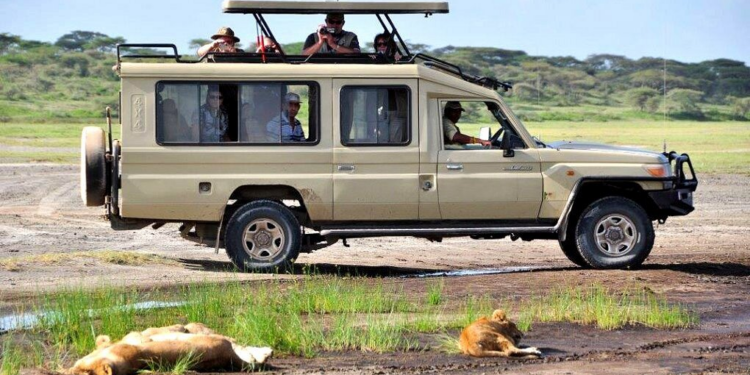
The safari vehicle and your driver-guide are the heart of your 3-day group sharing safari from Moshi. The typical vehicle is a robust 4×4 Land Cruiser or Land Rover, specifically modified for safari use. These vehicles are equipped with a pop-up roof, which is essential for game viewing. This allows you to stand up and get unobstructed 360-degree views of the wildlife, providing excellent photographic opportunities. The suspension is designed to handle the rough, unpaved roads common in national parks, ensuring a reasonably comfortable ride despite the challenging terrain.
Your English-speaking driver-guide is more than just a chauffeur; they are your expert companion throughout the safari. Their training typically covers wildlife identification, behavior, ecology, and basic mechanics. They are skilled in tracking animals, interpreting animal signs, and understanding the subtle cues of the bush. Beyond their technical knowledge, they are usually passionate about sharing their love for Tanzania’s natural heritage. In a group sharing safari, the guide’s ability to manage the dynamics of multiple passengers is crucial. They aim to ensure everyone gets a fair chance at viewing and photographing wildlife, often by rotating seating positions or being mindful of who is on which side of the vehicle.
For your 2026-2027 trip, consider that the quality of the guide can make or break your safari. A good guide will not only spot animals but also educate you about their behavior, the ecosystem, and local culture. They can answer your questions, tell stories, and create a truly engaging experience. When choosing an operator, inquire about the qualifications and experience of their guides. Companies like Top Guide Adventures pride themselves on employing highly knowledgeable and personable guides who are passionate about delivering an exceptional safari experience, even within the context of a group tour.
Accommodation Standards in No-Camping Safaris
The ‘no camping’ aspect of your 3-day group sharing safari from Moshi means your nights will be spent in comfortable, established accommodations. This typically includes mid-range lodges or tented camps. These options offer a significant step up in comfort and convenience compared to traditional camping, making them ideal for travelers who want to experience the wild without sacrificing basic amenities.
Lodges are permanent structures, often built with local materials, offering private rooms with en-suite bathrooms. They usually feature common areas like a dining room and lounge, and sometimes a bar or swimming pool. The ambiance is often rustic yet comfortable, designed to blend with the natural surroundings. Expect amenities like comfortable beds, clean linen, private toilets, and showers with hot water. While the focus is on comfort, they maintain a safari feel, often with decor inspired by local culture and wildlife.
Tented camps, in this context, refer to camps with large, sturdy canvas tents that are set up on permanent platforms or concrete bases. These are not basic backpacking tents; they are spacious, well-furnished structures often featuring proper beds, bedside tables, and private bathrooms with flushing toilets and showers. Some higher-end tented camps might even offer amenities like electricity and Wi-Fi. The appeal of a tented camp is the feeling of being closer to nature, with the sounds of the bush just outside your tent, while still enjoying significant comfort and security. This is a popular choice for those seeking an authentic safari feel without the rigors of camping.
For your 2026-2027 safari, the specific type and quality of accommodation will influence the overall price. When reviewing itineraries, pay attention to descriptions of the lodges or camps. Operators like Top Guide Adventures typically partner with reputable establishments that offer a good balance of comfort, location, and value, ensuring you have a restful and pleasant stay after your exciting days of wildlife viewing.
The Importance of Park Fees and Conservation
Park fees are a substantial component of any safari cost, and understanding their significance is crucial. For your 3-day group sharing safari from Moshi, these fees are what fund the conservation efforts that protect the incredible wildlife and pristine landscapes you’ll be visiting. Each national park and conservation area in Tanzania charges daily entrance fees, and these vary depending on the park and the type of visitor (e.g., adult, child, vehicle).
In Tarangire National Park, Lake Manyara National Park, and the Ngorongoro Conservation Area, these fees contribute directly to anti-poaching patrols, habitat management, research, and community development initiatives. The Ngorongoro Crater, in particular, has a separate and higher conservation fee due to its unique status as a UNESCO World Heritage Site and its high concentration of wildlife, which requires intensive management. Your tour operator, when booking a package, will include these fees, so you don’t have to worry about purchasing them individually at each park gate. This transparency is important for budgeting and understanding the value of your safari package.
Choosing a reputable operator like Top Guide Adventures means you are supporting responsible tourism. They ensure that all required fees are paid promptly and correctly, contributing to the long-term sustainability of these vital ecosystems. For your 2026-2027 safari, knowing that your travel investment helps protect these natural treasures adds another layer of fulfillment to the experience. It’s a direct way to contribute to the preservation of Tanzania’s wildlife heritage for future generations.
Logistics and Timing for a 3-Day Safari
The efficiency of logistics is paramount for a short, 3-day safari to maximize your time in the parks. A typical 3-day group sharing safari from Moshi is designed to be tightly scheduled but allows for ample game viewing. Day 1 often starts early from Moshi, heading directly to Tarangire National Park, which is approximately a 2-3 hour drive. You’ll spend most of the day on a game drive in Tarangire before heading to accommodation near the park or on the way to the next destination.
Day 2 involves traveling to Lake Manyara National Park, which is relatively close to Tarangire. After a morning game drive in Lake Manyara, the afternoon is dedicated to the scenic drive to the Ngorongoro Conservation Area, often reaching lodges or tented camps situated on the crater rim or nearby. This positioning is strategic, allowing for an early descent into the crater on Day 3.
Day 3 is primarily focused on the Ngorongoro Crater itself. You’ll descend early in the morning, the prime time for wildlife activity, and spend several hours exploring the crater floor. After a picnic lunch, the journey back to Moshi begins, typically arriving in the late afternoon or early evening. This itinerary is packed but ensures you experience three distinct and spectacular wildlife environments within a short timeframe.
For travelers planning for 2026-2027, understanding this pacing is key. While it’s a fast-paced tour, it’s meticulously planned to offer a rich safari experience without feeling rushed. Operators like Top Guide Adventures are adept at managing these tight schedules, ensuring smooth transitions between parks and accommodations, and communicating any potential delays effectively to keep your safari on track.
What to Expect from Group Dynamics
A group sharing safari, by its nature, involves sharing a vehicle and experiences with other travelers. This can be a fantastic way to meet new people and share the excitement of wildlife sightings. Typically, a group safari vehicle accommodates a maximum of 6-7 passengers, plus the guide. This size generally ensures that everyone has a window seat and reasonable space.
Communication and flexibility are key to a harmonious group dynamic. It’s important to be considerate of your fellow travelers. This might mean agreeing on general timings for stops, being mindful of noise levels, and being patient if someone needs a little extra time to capture a photograph. Your guide will play a vital role in managing these dynamics, ensuring fairness and comfort for all passengers. They are experienced in balancing the needs and desires of different individuals within the group.
For those planning their 2026-2027 safari, embrace the group aspect! It’s an opportunity to share stories and create shared memories. If you’re someone who prefers complete control over the itinerary and stops, a private safari might be more suitable, though it comes at a higher cost. However, for many, the camaraderie and cost-effectiveness of a group safari make it the preferred choice for experiencing the magic of Tanzania.
Beyond the Big Five: Discovering Tanzania’s Biodiversity
While the “Big Five” (lion, leopard, elephant, rhino, and buffalo) are often the main draw for safaris, Tanzania’s national parks teem with an incredible diversity of other wildlife. Your 3-day group sharing safari from Moshi offers ample opportunities to spot a multitude of species that are equally fascinating.
In Tarangire, besides elephants, look out for the unique gerenuk (a long-necked antelope that stands on its hind legs to feed), fringe-eared oryx, and various mongoose species. The park is also a birdwatcher’s paradise, boasting over 550 bird species, including ostriches, secretary birds, and numerous raptors. Keep an eye on the acacia trees for the African hawk-eagle or the lilac-breasted roller, a truly stunning bird.
Lake Manyara is renowned not only for its lions but also for its large troops of baboons and the stunning pink flamingos that often grace the lake’s shores (depending on the season and water levels). You’ll also find hippos basking in the park’s hot springs, impalas, zebras, wildebeest, and a variety of monkeys in the forested areas.
The Ngorongoro Crater, often called an ‘ark’ or ‘Noah’s Ark,’ is a microcosm of African wildlife. While the Big Five are present, you’ll also encounter cheetahs, hyenas, jackals, hippos, various antelopes like Grant’s gazelles and Thomson’s gazelles, and an astonishing array of water birds around the lake. Your guide’s expertise will be invaluable in pointing out these less commonly sought-after, but equally interesting, creatures. For your 2026-2027 safari, remember to appreciate the full spectrum of biodiversity that makes Tanzania such a special destination.
Booking Your 2026-2027 Safari: Practical Steps
Booking your 3-day group sharing safari from Moshi for 2026-2027 involves a few straightforward steps. Firstly, research and select a reputable tour operator. Look for companies with clear communication channels, positive reviews, and transparent pricing. Top Guide Adventures is an excellent choice for this type of safari, offering well-organized tours with knowledgeable guides and reliable logistics. Their local expertise ensures that your safari is not only affordable but also deeply authentic and well-managed.
Once you have identified an operator, reach out to them to inquire about available dates for your desired period in 2026 or 2027. Be specific about the 3-day group sharing safari from Moshi with no camping. They will provide you with a detailed itinerary, including inclusions, exclusions, and the final price. It’s wise to ask clarifying questions about accommodation standards, vehicle type, and guide experience.
After confirming the details and price, you will typically be asked to pay a deposit to secure your booking. The remaining balance is usually due a few weeks before your safari start date. Ensure you receive a confirmation of your booking, including all necessary contact information and pre-departure instructions. Reading your operator’s terms and conditions regarding cancellations and amendments is also advisable. For those planning ahead for 2026-2027, booking several months in advance is recommended, especially if you have specific dates in mind, as popular safari slots can fill up quickly.
For a hassle-free booking experience for your 2026-2027 adventure, consider contacting Top Guide Adventures directly. They offer responsive support and can tailor a safari package to your needs. You can reach them via WhatsApp at +255616946642 or email at topguideadventures@gmail.com, with info@topguideadventurestanzania.com as an alternative contact.
Final Thoughts: Your Unforgettable Safari Awaits
A 3-day group sharing safari from Moshi with no camping offers an unparalleled opportunity to witness the impressive wildlife and stunning landscapes of Tanzania’s Northern Circuit in a comfortable and budget-friendly manner. It’s a perfectly crafted itinerary for those with limited time who wish to experience the highlights of Tarangire, Lake Manyara, and the Ngorongoro Crater without the need for camping gear or the associated logistics. By choosing a reputable operator and preparing adequately, you are setting yourself up for an adventure filled with incredible wildlife encounters, educational insights from expert guides, and comfortable accommodations.
For your 2026-2027 travel plans, this safari type provides an accessible entry point into the world of East African safaris. It balances the thrill of exploration with practical considerations, ensuring that your focus remains on the magic unfolding before your eyes. The shared experience adds a unique social dimension, while the carefully managed itinerary ensures you make the most of every moment. Whether you are a first-time safari-goer or a seasoned traveler, this short yet impactful journey promises memories that will last a lifetime.
To ensure your 3-day group sharing safari from Moshi is expertly planned and executed, consider the local expertise and dedication of operators like Top Guide Adventures. Their commitment to providing exceptional safari experiences, combined with their in-depth knowledge of Tanzania’s parks and wildlife, makes them an ideal partner for your 2026-2027 adventure. Reach out to them to start planning your journey into the heart of Africa.
“,
“faq_schema”: [
{
“@type”: “Question”,
“name”: “What is a 3 Days Group Sharing Safari from Moshi – No Camping?”,
“acceptedAnswer”: {
“@type”: “Answer”,
“text”: “A 3 Days Group Sharing Safari from Moshi – No Camping is a pre-arranged tour package where travelers share a safari vehicle and costs, typically staying in lodges or tented camps each night instead of camping. It covers key parks like Tarangire, Lake Manyara, and Ngorongoro Crater over three days, starting and ending in Moshi.”
}
},
{
“@type”: “Question”,
“name”: “What parks are typically included in this 3-day safari?”,
“acceptedAnswer”: {
“@type”: “Answer”,
“text”: “The standard itinerary for a 3 Days Group Sharing Safari from Moshi usually includes Tarangire National Park, Lake Manyara National Park, and the Ngorongoro Crater within the Ngorongoro Conservation Area.”
}
},
{
“@type”: “Question”,
“name”: “What does ‘no camping’ mean for this safari?”,
“acceptedAnswer”: {
“@type”: “Answer”,
“text”: “‘No camping’ means that instead of sleeping in tents on the ground, you will be accommodated in comfortable lodges or fixed tented camps each night. These accommodations provide beds, private or shared bathrooms, and other amenities, offering a more comfortable safari experience.”
}
},
{
“@type”: “Question”,
“name”: “How much does a 3 Days Group Sharing Safari from Moshi typically cost for 2026-2027?”,
“acceptedAnswer”: {
“@type”: “Answer”,
“text”: “For 2026-2027, prices for a 3 Days Group Sharing Safari from Moshi generally range from $450 to $750 per person. This price can vary based on the accommodation standard, season, and the specific inclusions offered by the tour operator.”
}
},
{
“@type”: “Question”,
“name”: “What is usually included in the safari package?”,
“acceptedAnswer”: {
“@type”: “Answer”,
“text”: “Typically included are: a 4×4 safari vehicle with a guide, 2 nights’ accommodation in lodges/camps, all meals as per itinerary (2 breakfasts, 3 lunches, 2 dinners), park entrance fees, Ngorongoro Crater service fee, and bottled water in the vehicle. Exclusions usually involve international flights, visa, tips, personal expenses, and drinks other than water.”
}
},
{
“@type”: “Question”,
“name”: “Is this safari suitable for solo travelers?”,
“acceptedAnswer”: {
“@type”: “Answer”,
“text”: “Yes, group sharing safaris are very suitable for solo travelers as they are a cost-effective way to experience the parks. Operators often pair solo travelers to share a room, thus avoiding a single supplement charge, but it’s best to confirm this policy with your chosen operator.”
}
},
{
“@type”: “Question”,
“name”: “What should I pack for a 3-day safari?”,
“acceptedAnswer”: {
“@type”: “Answer”,
“text”: “Pack light, breathable clothing in neutral colors, a warm layer (fleece or jacket) for cool mornings/evenings, comfortable walking shoes, a hat, sunglasses, sunscreen, insect repellent, camera with extra batteries/memory cards, binoculars, and personal items. A small backpack for daily essentials is also recommended.”
}
},
{
“@type”: “Question”,
“name”: “How do I book a 3 Days Group Sharing Safari from Moshi?”,
“acceptedAnswer”: {
“@type”: “Answer”,
“text”: “To book, research reputable tour operators like Top Guide Adventures. Contact them with your desired dates for 2026-2027, confirm the itinerary and price, pay a deposit, and receive booking confirmation. Direct contact via WhatsApp (+255616946642) or email (topguideadventures@gmail.com) is often the quickest way.”
}
}
]
}
“`
As you plan your safari adventure for 2026-2027, it’s essential to consider the finer details that contribute to a successful and memorable trip. Beyond the wildlife and landscapes, understanding the operational aspects, such as vehicle mechanics, guide expertise, and the nuances of group dynamics, can significantly enhance your experience. This section delves deeper into these practical elements, ensuring you are fully prepared for your 3-day group sharing safari from Moshi.
Understanding the Safari Vehicle and Guide Dynamics
The safari vehicle is your primary mode of transport and viewing platform for the duration of your trip. For a 3-day group sharing safari from Moshi, you’ll typically travel in a sturdy 4×4 Land Cruiser or Land Rover, specifically designed for off-road conditions and equipped with pop-up roofs. This pop-up roof is crucial, allowing for unobstructed 360-degree views and excellent photographic opportunities. Most vehicles are configured to comfortably seat up to seven passengers, ensuring that everyone has a window seat and adequate legroom. Features like comfortable seating, ample space for your luggage (usually stored on the roof rack), and a cooler box for water are standard.
Your guide is more than just a driver; they are a knowledgeable companion, interpreter of the bush, and protector. A good guide possesses an intimate understanding of animal behavior, migration patterns, and the best locations for sightings. They are trained to spot wildlife that might otherwise go unnoticed, from the smallest insects to elusive predators. Beyond their tracking skills, they are also adept at navigating the parks, understanding the complex park rules, and ensuring the safety and comfort of all passengers. For your 2026-2027 safari, choose an operator like Top Guide Adventures, known for employing experienced, local guides who not only have a deep passion for Tanzania’s wildlife but also a strong command of English and a commitment to providing an educational and engaging experience.
The dynamic between the guide and the group is also important. A skilled guide will manage the vehicle’s movement to give everyone a fair chance to see and photograph wildlife, while also respecting the animals’ space and natural behavior. They will facilitate discussions, answer questions, and create a positive atmosphere within the vehicle. Open communication with your guide about your interests or concerns is always encouraged.
Accommodation Standards in No-Camping Safaris
For those opting for a ‘no camping’ 3-day group sharing safari from Moshi, accommodation is a key factor in comfort and overall experience. Instead of setting up tents, you’ll be staying in established lodges or tented camps. These establishments vary in luxury, but for a group sharing safari, they typically fall into the mid-range category, offering a comfortable and clean environment.
Lodges are permanent structures, often built with natural materials to blend into the surroundings. They usually feature private rooms with en-suite bathrooms, comfortable beds, electricity, and sometimes even swimming pools or restaurants. The level of luxury can range from rustic charm to more opulent settings, but all provide a welcome respite after a day of game drives.
Tented camps, while sounding more rustic, are often very comfortable. These are not basic camping tents but rather spacious, permanent canvas tents set on a solid base. They come equipped with proper beds, linens, furniture, and usually have an attached bathroom with a shower and toilet. Some higher-end tented camps even offer private verandas. The advantage of tented camps is that they often provide a more intimate connection with the wilderness, allowing you to hear the sounds of the African night from the relative security of your canvas walls.
When booking your 2026-2027 safari, operators like Top Guide Adventures carefully select accommodations that offer a good balance of comfort, location, and value. They understand that a good night’s sleep is essential for enjoying the early morning game drives. You can expect clean facilities, delicious meals, and friendly service at the lodges and camps they partner with. It’s always a good idea to ask your operator about the specific types of lodges or camps included in your package, so you know what to expect.
The Importance of Park Fees and Conservation
Park fees are a substantial component of any safari cost, and understanding their significance is crucial. For your 3-day group sharing safari from Moshi, these fees are what fund the conservation efforts that protect the incredible wildlife and pristine landscapes you’ll be visiting. Each national park and conservation area in Tanzania charges daily entrance fees, and these vary depending on the park and the type of visitor (e.g., adult, child, vehicle).
In Tarangire National Park, Lake Manyara National Park, and the Ngorongoro Conservation Area, these fees contribute directly to anti-poaching patrols, habitat management, research, and community development initiatives. The Ngorongoro Crater, in particular, has a separate and higher conservation fee due to its unique status as a UNESCO World Heritage Site and its high concentration of wildlife, which requires intensive management. Your tour operator, when booking a package, will include these fees, so you don’t have to worry about purchasing them individually at each park gate. This transparency is important for budgeting and understanding the value of your safari package.
Choosing a reputable operator like Top Guide Adventures means you are supporting responsible tourism. They ensure that all required fees are paid promptly and correctly, contributing to the long-term sustainability of these vital ecosystems. For your 2026-2027 safari, knowing that your travel investment helps protect these natural treasures adds another layer of fulfillment to the experience. It’s a direct way to contribute to the preservation of Tanzania’s wildlife heritage for future generations.
Logistics and Timing for a 3-Day Safari
The efficiency of logistics is paramount for a short, 3-day safari to maximize your time in the parks. A typical 3-day group sharing safari from Moshi is designed to be tightly scheduled but allows for ample game viewing. Day 1 often starts early from Moshi, heading directly to Tarangire National Park, which is approximately a 2-3 hour drive. You’ll spend most of the day on a game drive in Tarangire before heading to accommodation near the park or on the way to the next destination.
Day 2 involves traveling to Lake Manyara National Park, which is relatively close to Tarangire. After a morning game drive in Lake Manyara, the afternoon is dedicated to the scenic drive to the Ngorongoro Conservation Area, often reaching lodges or tented camps situated on the crater rim or nearby. This positioning is strategic, allowing for an early descent into the crater on Day 3.
Day 3 is primarily focused on the Ngorongoro Crater itself. You’ll descend early in the morning, the prime time for wildlife activity, and spend several hours exploring the crater floor. After a picnic lunch, the journey back to Moshi begins, typically arriving in the late afternoon or early evening. This itinerary is packed but ensures you experience three distinct and spectacular wildlife environments within a short timeframe.
For travelers planning for 2026-2027, understanding this pacing is key. While it’s a fast-paced tour, it’s meticulously planned to offer a rich safari experience without feeling rushed. Operators like Top Guide Adventures are adept at managing these tight schedules, ensuring smooth transitions between parks and accommodations, and communicating any potential delays effectively to keep your safari on track.
What to Expect from Group Dynamics
A group sharing safari, by its nature, involves sharing a vehicle and experiences with other travelers. This can be a fantastic way to meet new people and share the excitement of wildlife sightings. Typically, a group safari vehicle accommodates a maximum of 6-7 passengers, plus the guide. This size generally ensures that everyone has a window seat and reasonable space.
Communication and flexibility are key to a harmonious group dynamic. It’s important to be considerate of your fellow travelers. This might mean agreeing on general timings for stops, being mindful of noise levels, and being patient if someone needs a little extra time to capture a photograph. Your guide will play a vital role in managing these dynamics, ensuring fairness and comfort for all passengers. They are experienced in balancing the needs and desires of different individuals within the group.
For those planning their 2026-2027 safari, embrace the group aspect! It’s an opportunity to share stories and create shared memories. If you’re someone who prefers complete control over the itinerary and stops, a private safari might be more suitable, though it comes at a higher cost. However, for many, the camaraderie and cost-effectiveness of a group safari make it the preferred choice for experiencing the magic of Tanzania.
Beyond the Big Five: Discovering Tanzania’s Biodiversity
While the “Big Five” (lion, leopard, elephant, rhino, and buffalo) are often the main draw for safaris, Tanzania’s national parks teem with an incredible diversity of other wildlife. Your 3-day group sharing safari from Moshi offers ample opportunities to spot a multitude of species that are equally fascinating.
In Tarangire, besides elephants, look out for the unique gerenuk (a long-necked antelope that stands on its hind legs to feed), fringe-eared oryx, and various mongoose species. The park is also a birdwatcher’s paradise, boasting over 550 bird species, including ostriches, secretary birds, and numerous raptors. Keep an eye on the acacia trees for the African hawk-eagle or the lilac-breasted roller, a truly stunning bird.
Lake Manyara is renowned not only for its lions but also for its large troops of baboons and the stunning pink flamingos that often grace the lake’s shores (depending on the season and water levels). You’ll also find hippos basking in the park’s hot springs, impalas, zebras, wildebeest, and a variety of monkeys in the forested areas.
The Ngorongoro Crater, often called an ‘ark’ or ‘Noah’s Ark,’ is a microcosm of African wildlife. While the Big Five are present, you’ll also encounter cheetahs, hyenas, jackals, hippos, various antelopes like Grant’s gazelles and Thomson’s gazelles, and an astonishing array of water birds around the lake. Your guide’s expertise will be invaluable in pointing out these less commonly sought-after, but equally interesting, creatures. For your 2026-2027 safari, remember to appreciate the full spectrum of biodiversity that makes Tanzania such a special destination.
Booking Your 2026-2027 Safari: Practical Steps
Booking your 3-day group sharing safari from Moshi for 2026-2027 involves a few straightforward steps. Firstly, research and select a reputable tour operator. Look for companies with clear communication channels, positive reviews, and transparent pricing. Top Guide Adventures is an excellent choice for this type of safari, offering well-organized tours with knowledgeable guides and reliable logistics. Their local expertise ensures that your safari is not only affordable but also deeply authentic and well-managed.
Once you have identified an operator, reach out to them to inquire about available dates for your desired period in 2026 or 2027. Be specific about the 3-day group sharing safari from Moshi with no camping. They will provide you with a detailed itinerary, including inclusions, exclusions, and the final price. It’s wise to ask clarifying questions about accommodation standards, vehicle type, and guide experience.
After confirming the details and price, you will typically be asked to pay a deposit to secure your booking. The remaining balance is usually due a few weeks before your safari start date. Ensure you receive a confirmation of your booking, including all necessary contact information and pre-departure instructions. Reading your operator’s terms and conditions regarding cancellations and amendments is also advisable. For those planning ahead for 2026-2027, booking several months in advance is recommended, especially if you have specific dates in mind, as popular safari slots can fill up quickly.
For a hassle-free booking experience for your 2026-2027 adventure, consider contacting Top Guide Adventures directly. They offer responsive support and can tailor a safari package to your needs. You can reach them via WhatsApp at +255616946642 or email at topguideadventures@gmail.com, with info@topguideadventurestanzania.com as an alternative contact.
Final Thoughts: Your Unforgettable Safari Awaits
A 3-day group sharing safari from Moshi with no camping offers an unparalleled opportunity to witness the impressive wildlife and stunning landscapes of Tanzania’s Northern Circuit in a comfortable and budget-friendly manner. It’s a perfectly crafted itinerary for those with limited time who wish to experience the highlights of Tarangire, Lake Manyara, and the Ngorongoro Crater without the need for camping gear or the associated logistics. By choosing a reputable operator and preparing adequately, you are setting yourself up for an adventure filled with incredible wildlife encounters, educational insights from expert guides, and comfortable accommodations.
For your 2026-2027 travel plans, this safari type provides an accessible entry point into the world of East African safaris. It balances the thrill of exploration with practical considerations, ensuring that your focus remains on the magic unfolding before your eyes. The shared experience adds a unique social dimension, while the carefully managed itinerary ensures you make the most of every moment. Whether you are a first-time safari-goer or a seasoned traveler, this short yet impactful journey promises memories that will last a lifetime.
To ensure your 3-day group sharing safari from Moshi is expertly planned and executed, consider the local expertise and dedication of operators like Top Guide Adventures. Their commitment to providing exceptional safari experiences, combined with their in-depth knowledge of Tanzania’s parks and wildlife, makes them an ideal partner for your 2026-2027 adventure. Reach out to them to start planning your journey into the heart of Africa.
The logistical precision required for a 3-day safari is considerable, especially when aiming to maximize wildlife viewing in such a short period. Operators like Top Guide Adventures excel in this by meticulously planning each transfer and game drive. For instance, the journey from Moshi to Tarangire on Day 1 is timed to allow for a full day’s exploration, often starting right after breakfast. The drive itself offers glimpses of rural Tanzanian life, transitioning into the semi-arid landscapes characteristic of Tarangire. Upon exiting Tarangire, the transition to accommodation is handled swiftly, ensuring travelers can relax and prepare for the next day. Day 2’s itinerary is equally packed, moving from the unique ecosystem of Lake Manyara to the dramatic descent into the Ngorongoro Crater. The drive to the crater rim is scenic, often passing through Maasai villages, and the lodge or tented camp selected is usually positioned for immediate access to the crater the following morning. This efficient scheduling is crucial for a 3-day group sharing safari from Moshi, ensuring that every hour is utilized for the best possible safari experience without feeling overly rushed.
The success of a group sharing safari hinges significantly on the effective management of group dynamics. Sharing a safari vehicle with individuals you’ve just met requires a degree of adaptability and mutual respect. Most groups for this type of safari consist of 4 to 7 passengers, which is an ideal size for fostering camaraderie while still allowing for personal space. The guide plays a pivotal role in orchestrating these dynamics, ensuring that everyone gets opportunities for photography and wildlife viewing. They are trained to mediate any minor disagreements and to create an inclusive atmosphere where all participants feel valued. For travelers planning their 2026-2027 safari, embracing the communal aspect can lead to shared discoveries and lasting friendships. It’s an opportunity to learn from others’ observations and to collectively marvel at the wonders of the African bush. Top Guide Adventures understands this, focusing on creating a positive group experience through experienced guides who are adept at managing diverse personalities and interests.
While the pursuit of the iconic Big Five is a major highlight, a 3-day group sharing safari from Moshi offers a far richer biodiversity experience. Tarangire National Park, often called the ‘land of giants,’ is home to the largest elephant herds in East Africa, but it also hosts an impressive array of birdlife and unique mammals. Keep an eye out for the Greater Kudu, Fringe-eared Oryx, and the distinctively long-necked Gerenuk, which stands on its hind legs to reach higher vegetation. The park’s baobab trees, some of the oldest and largest in Africa, add a prehistoric grandeur to the landscape. Lake Manyara National Park, though smaller, is celebrated for its tree-climbing lions, a behavior not commonly observed elsewhere. The alkaline lake itself attracts thousands of flamingos, creating a vibrant spectacle, alongside hippos, zebras, wildebeest, and various monkey species thriving in the park’s diverse habitats, from groundwater forests to savannah. The Ngorongoro Crater, a UNESCO World Heritage Site, is a self-contained ecosystem supporting an astonishing density of wildlife. Beyond the Big Five, you’ll encounter spotted hyenas, black-backed jackals, numerous species of gazelles and antelopes, and a wealth of bird species, including eagles, vultures, and ostriches. Appreciating this full spectrum of life, from the smallest dung beetle to the majestic lion, is what truly defines a profound safari experience. For your 2026-2027 safari, remember that Tanzania’s biodiversity extends far beyond the most famous animals.
Booking your 3-day group sharing safari from Moshi for 2026-2027 is a process best approached with a clear understanding of the steps involved. The initial stage involves selecting a reputable tour operator. Companies like Top Guide Adventures stand out due to their deep local knowledge, commitment to customer service, and experience in organizing group safaris. They are adept at handling the logistics for this specific itinerary, ensuring that all park fees, vehicle arrangements, and accommodation bookings are managed efficiently. Once you’ve chosen an operator, communicate your desired travel dates for 2026 or 2027. They will provide a detailed quotation and itinerary, outlining everything included and excluded. It’s important to review this carefully and ask any questions you may have regarding accommodation standards, meal arrangements, and vehicle type. A deposit is typically required to confirm your booking, with the balance due closer to the safari date. Ensure you receive a formal booking confirmation and all necessary pre-departure information. Booking in advance, especially for popular periods in 2026-2027, is highly recommended to secure your spot and ensure availability. For a smooth and reliable booking process, reaching out to Top Guide Adventures directly is a wise choice; they can be contacted via WhatsApp at +255616946642 or email at topguideadventures@gmail.com, with info@topguideadventurestanzania.com also available.
In conclusion, a 3-day group sharing safari from Moshi, specifically designed for travelers who prefer not to camp, presents an ideal balance of adventure, comfort, and affordability. It’s a perfectly curated journey for those seeking to experience the iconic wildlife and landscapes of Tanzania’s Northern Circuit within a limited timeframe. The efficiency of the itinerary, covering Tarangire, Lake Manyara, and the Ngorongoro Crater, ensures maximum exposure to diverse ecosystems and wildlife viewing opportunities. By opting for a group sharing format, you benefit from reduced costs without compromising on the quality of the safari experience. The strategic choice of lodges and tented camps ensures comfortable nights, preparing you for the exciting days ahead. For travelers planning their safari for 2026-2027, this option provides a fantastic introduction to the wonders of Tanzania.
The key to a successful and stress-free safari lies in partnering with a knowledgeable and reliable tour operator. Companies like Top Guide Adventures have demonstrated expertise in managing these short, impactful safaris, offering personalized service and deep insights into the local environment. Their understanding of logistics, guide training, and client care ensures that your 3-day adventure is not just a trip, but a truly memorable expedition. From the initial booking process to the final return to Moshi, their team is dedicated to providing an exceptional experience. Therefore, for an unforgettable 2026-2027 safari that captures the essence of Tanzania’s wilderness, consider the well-crafted 3-day group sharing safari from Moshi with no camping, and let Top Guide Adventures guide you through this incredible journey.
Frequently Asked Questions about 3 Days Group Sharing Safari from Moshi – No Camping:
Q1: What is the main advantage of a ‘no camping’ safari?
A1: The primary advantage is comfort and convenience. You stay in established lodges or tented camps, which provide beds, private bathrooms, and meals, eliminating the need to pack camping gear or set up tents. This is ideal for travelers who want to experience the wildlife without the ruggedness of camping.
Q2: How are the group dynamics managed in a shared vehicle?
A2: Guides are trained to manage group dynamics, ensuring fair viewing opportunities for everyone. Open communication among passengers and with the guide is encouraged. The small group size (typically 4-7 passengers) usually fosters a friendly and cooperative atmosphere.
Q3: What is the typical accommodation standard for a no-camping safari?
A3: Accommodation usually consists of mid-range lodges or comfortable tented camps. These offer private rooms or tents with en-suite facilities, proper beds, and meals, providing a comfortable base after a day of game drives.
Q4: Are park fees included in the price of a group sharing safari?
A4: Yes, reputable tour operators like Top Guide Adventures typically include all necessary park entrance fees in their safari packages. This simplifies budgeting and ensures all conservation contributions are made.
Q5: What is the best time of year for a 3-day safari from Moshi?
A5: The dry seasons, from June to October and December to February, are generally considered the best times for wildlife viewing as animals congregate around water sources. However, Tanzania offers excellent safari opportunities year-round.
Q6: How much luggage can I bring on a group sharing safari?
A6: Space in safari vehicles can be limited, especially with luggage on the roof rack. Most operators recommend soft-sided duffel bags rather than hard suitcases, with a guideline of around 15-20 kg per person. Always check with your operator for specific recommendations.
Q7: What should I do if I have specific dietary requirements?
A7: Inform your tour operator well in advance of your dietary needs (e.g., vegetarian, vegan, allergies). Lodges and camps are usually able to accommodate these requirements with prior notice.
Q8: Is it possible to see the Big Five on a 3-day safari?
A8: While sightings are never guaranteed, the 3-day itinerary, particularly including the Ngorongoro Crater, offers a very high probability of seeing most, if not all, of the Big Five. The crater’s dense wildlife population makes it an excellent location for spotting these iconic animals.
Q9: What is the difference between a group sharing safari and a private safari?
A9: A group sharing safari means you share the vehicle and costs with other travelers. A private safari involves booking the entire vehicle and guide for yourself or your group, offering more flexibility but at a higher cost.
Q10: How far in advance should I book my 2026-2027 safari?
A10: For popular travel periods in 2026-2027, it is advisable to book at least 3-6 months in advance to ensure availability, especially for group sharing safaris which have fixed departure dates or limited vehicle capacity.
Check Availability for Book 3 Days Group Sharing Safari From Moshi – No Camping 2026-2027
Ready to compare dates, prices, and the best option for your group? Send the package name and travel month so the team can reply with a clear quote, availability, and what is included.
Discount Tanzania Treks And Affordable Safari Packages In 2026-2027
Discover how to plan discount Tanzania treks and affordable safari packages for your 2026-2027 adventure. This comprehensive guide covers budget-friendly options for iconic destinations...
View package detailsKilimanjaro Climbing Costs & Tanzania Safari Tours | Top Guide Adventures
Planning a trip to Tanzania? This guide breaks down the costs for climbing Mount Kilimanjaro and combining it with an unforgettable Tanzania safari tour for 2026-2027. Learn about pricing...
View package detailsBest Africa Backpacking Routes And Budget Safari Adventures 2026-2027
Best Africa Backpacking Routes and Budget Safari Adventures is explained with current 2026-2027 planning, price, itinerary and booking information.
View package details
Tanzania Safari Prices And Park Fees: Your Ultimate Guide 2026-2027
Planning a Tanzania safari involves understanding various costs, primarily driven by park entrance fees and the overall safari package. This guide breaks down typical Tanzania safari prices...
View package detailsUsajili Wa Simba / Dates: Football Tourism Tanzania & Safari Packages
Planning to experience 'Usajili wa Simba' in Tanzania during the 2026/2027 season? This guide covers the likely dates, what to expect, and how to combine this unique football event with...
View package detailsAfcon Tanzania Travel Guide, Safari Tours And Match Packages 2026-2027
AFCON 2027 Tanzania Travel Guide, Safari Tours and Match Packages is explained with current 2026-2027 planning, price, itinerary and booking information.
View package detailsHistorical Sites In East Africa & Cultural Safari Tours In 2026-2027
Discover East Africa's compelling historical sites and vibrant cultural experiences through specialized safari tours in 2026-2027. This guide covers key locations, tour types, and planning...
View package detailsHighest Paid Artists In Africa And Exclusive Safari Holidays 2026-2027
Explore the financial success of Africa's top music and art stars in 2026 and how you can combine this insight with an unforgettable luxury safari experience in Tanzania. Top Guide...
View package detailsRichest African Musician And The Luxury Safari Lifestyle 2026-2027
Discover the opulent world of Africa's wealthiest musicians and their unparalleled luxury safari experiences in Tanzania. Learn about the 2026-2027 trends in exclusive travel, focusing on...
View package detailsTop 20 Richest Presidents In The World And Exclusive Safari Holidays 2026-2027
Explore the financial standing of the world's wealthiest presidents in 2026 and connect this with the allure of exclusive safari holidays, particularly in stunning Tanzania.
View package detailsRichest Man In Tanzania & Luxury Safari Experiences In 2026-2027
Explore the pinnacle of luxury safari experiences in Tanzania, from exclusive lodges to private game drives, and gain insight into the nation's wealthiest individuals. Top Guide Adventures...
View package detailsWhen Will Afcon Qualifiers Start? Match And Safari Planning Guide 2026-2027
Discover the potential start dates for the 2027 Africa Cup of Nations (AFCON) qualifiers and learn how to seamlessly integrate these exciting matches with a dream Tanzania safari. This...
View package detailsNo related package matches those filters. Clear one or more filters to see the other topic-matched options.



