
The best Kilimanjaro guide cost for 2026-2027 typically ranges from $1,500 to $4,500 per person for a standard 6-8 day trek, depending heavily on the route chosen, the operator’s service level, and what is included in the package. Higher-end operators offering more support, better equipment, and higher porter-to-climber ratios will be at the upper end of this spectrum, while budget options may offer fewer amenities or require you to bring more of your own gear. Understanding these cost factors is crucial for planning your climb effectively.
Understanding Kilimanjaro Guide Cost: What You’re Paying For
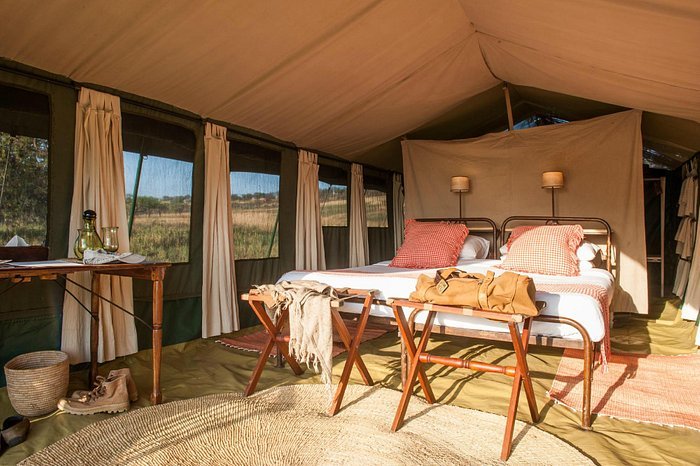
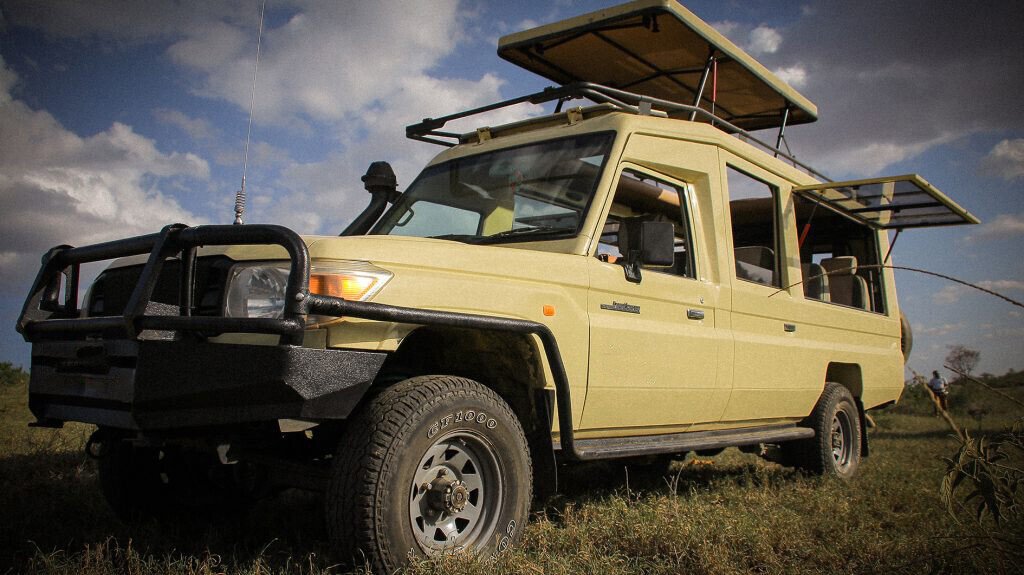
When embarking on a Kilimanjaro climb, the cost of your guide and the overall expedition is a significant factor. It’s not just about a person leading you up the mountain; it’s about a comprehensive service designed for safety, success, and an enjoyable experience. The Kilimanjaro guide cost is bundled into your overall trek price, reflecting a multitude of essential elements. For your 2026 or 2027 adventure, knowing these components will help you discern value and make an informed decision.
At Top Guide Adventures, we believe in transparency. We organize Tanzania safaris, Serengeti and Ngorongoro tours, Kilimanjaro climbs, Zanzibar holidays, and more, with a personal touch. Our approach to pricing Kilimanjaro expeditions is designed to cover all critical aspects, ensuring your safety and comfort are paramount.
The Core Components of Kilimanjaro Trekking Costs
The price you pay for your Kilimanjaro climb is not arbitrary. It’s meticulously calculated to cover the expenses associated with running a safe and successful mountain expedition. For planning your climb in 2026 or 2027, consider these key areas that contribute to the overall Kilimanjaro guide cost:
- Guide and Crew Salaries: This is perhaps the most direct component of the guide cost. Professional, experienced guides, assistant guides, cooks, and porters are the backbone of your trek. Their wages are set by industry standards and the company’s commitment to fair treatment.
- Park Entrance Fees: Mount Kilimanjaro is a national park, and hefty fees are levied by the Tanzanian government for entry, camping, and conservation. These are mandatory and form a substantial part of the overall package cost.
- Logistics and Transportation: Getting your team and supplies from Moshi to the mountain gate (e.g., Marangu Gate, Machame Gate) and back requires vehicles, fuel, and driver salaries.
- Food and Catering: Three nutritious meals a day, plus snacks and hot drinks, are provided to climbers and crew on the mountain. High-quality food preparation and delivery are essential.
- Equipment: This includes tents (for climbing, dining, toilets), sleeping mats, cooking equipment, oxygen cylinders (for emergencies), first-aid kits, and communication devices.
- Accommodation: Pre- and post-climb accommodation in hotels in Moshi or Arusha is often included.
- Insurance: Crew insurance is a vital and legally mandated expense. Some operators may also offer limited insurance for clients.
- Company Overheads: This covers office staff, marketing, licensing, permits, and administrative costs.
- Profit Margin: Responsible tour operators need to make a profit to sustain their business, invest in their staff, and ensure continued quality service.
Factors Influencing Kilimanjaro Guide Cost for 2026-2027
The Kilimanjaro guide cost can fluctuate significantly based on several critical factors. When researching options for your 2026 or 2027 climb, pay close attention to these variables, as they directly impact the price and the quality of your experience.
Route Choice: The Biggest Cost Driver
The route you select for your Kilimanjaro ascent is arguably the most significant determinant of the overall cost. Longer routes, which generally offer higher success rates due to their gradual ascent profile, are more expensive because they require more days on the mountain, thus increasing park fees, crew wages, food, and logistical expenses.
- Marangu Route: Often the most budget-friendly due to its shorter duration (5-6 days) and unique hut accommodation, which reduces tent costs. However, its lower acclimatization profile means a lower success rate.
- Machame Route: A popular choice, typically 6-7 days. Its ‘climb high, sleep low’ strategy aids acclimatization. The 7-day option significantly increases success rates and thus its cost.
- Lemosho Route: Known for its scenic beauty and excellent acclimatization profile, usually 7-8 days. Its longer duration and remote start point can make it one of the pricier options.
- Shira Route: Similar to Lemosho but starts at a higher altitude. Typically 7-8 days, its cost is comparable to Lemosho.
- Rongai Route: Ascends from the north, a drier side, making it a good option during rainy seasons. Usually 6-7 days. Its cost is moderate.
- Northern Circuit: The longest route (9-10 days), offering the highest success rates and the most scenic journey. The extended duration makes it the most expensive option.
- Umbwe Route: The steepest and most direct route, requiring excellent fitness and acclimatization. It’s shorter (5-6 days) but often more expensive per day due to the demanding nature and need for highly experienced guides.
For 2026-2027, expect routes like the Northern Circuit and Lemosho (8-day variations) to be at the higher end of the Kilimanjaro guide cost spectrum, while the Marangu (5-day) or potentially a 6-day Machame might be more budget-conscious.
Operator Tier: Budget vs. Premium Services
Not all tour operators are created equal. The tier of service you choose will directly influence the Kilimanjaro guide cost. Top Guide Adventures prides itself on offering a high-quality, reliable service with experienced crews and excellent safety protocols. This commitment means our pricing reflects the value and security we provide.
- Budget Operators: These companies often compete on price. They may cut costs by using fewer porters (leading to heavier loads for each), providing basic equipment, offering less experienced guides, or serving simpler meals. While tempting, these can compromise safety and comfort.
- Mid-Range Operators: Offer a good balance of quality and price. They typically adhere to regulated porter-to-climber ratios, provide decent equipment, and ensure guides have adequate training. This is where many reputable companies, including Top Guide Adventures, position themselves.
- Premium/Luxury Operators: These companies invest heavily in the best equipment, highly experienced and certified guides, generous porter ratios (e.g., 1:1 porter-climber), gourmet meals, and often offer private toilet tents and emergency oxygen for every climber. Their Kilimanjaro guide cost will be at the top end.
When comparing prices for 2026-2027, always look beyond the bottom line. Understand what is included and the quality of those inclusions. A slightly higher price for a reputable operator often translates to a safer and more successful climb.
Group Size: Private vs. Shared Climbs
The cost structure can differ based on whether you join a shared group or opt for a private climb.
- Shared Group Climbs: These are generally more affordable. You join a pre-scheduled departure with other climbers, spreading the fixed costs (like guide fees and vehicle hire) among more people. This is an excellent way to reduce the per-person Kilimanjaro guide cost.
- Private Climbs: These offer flexibility in departure dates and a more personalized experience. However, you bear the full cost of the crew, vehicle, and logistics, making them more expensive than joining a group. If you have a group of 4-6 people, a private climb can become comparable in price per person to a shared climb.
For 2026-2027, consider your group dynamics. If you have a dedicated group, a private climb offers customization. If you’re a solo traveler or a small pair, joining a shared group is often the most cost-effective route.
Inclusions and Exclusions: The Devil is in the Details
The most significant variations in Kilimanjaro guide cost often stem from what is included in the package. A seemingly lower price might be deceptive if essential items are left out, requiring costly additions later.
Typically Included in a Reputable Operator’s Package (e.g., Top Guide Adventures):
- Professional English-speaking guides (certified and experienced)
- Assistant guides (ratio typically 1:6 or better)
- Porters (sufficient number to carry gear and tents, ensuring manageable loads)
- Cook
- All meals on the mountain (breakfast, lunch, dinner, snacks)
- Boiled water, tea, coffee
- Accommodation in Moshi/Arusha before and after the climb (usually 2 nights)
- Park entrance fees (all relevant fees)
- Camping equipment (tents, dining tent, toilet tent)
- Sleeping mats
- Emergency oxygen cylinders
- First-aid kits
- Transfer to and from the mountain gate
- Crew rescue fees
Often Excluded (and where costs can add up):
- International flights to Kilimanjaro International Airport (JRO)
- Visa fees
- Travel and medical insurance (mandatory for all climbers)
- Tips for guides, porters, and cooks (a significant expense, usually budgeted separately)
- Personal climbing gear (sleeping bag, trekking poles, warm clothing, waterproofs, etc.)
- Lunches and dinners in town before/after the climb
- Drinks in town (alcoholic and non-alcoholic)
- Optional gratuities for success
- Personal expenses (souvenirs, laundry)
- Pre- or post-climb accommodation beyond the included nights
- Emergency evacuation insurance (sometimes offered as an add-on, or requires separate purchase)
For your 2026-2027 climb, meticulously compare the inclusions. A package that includes more upfront, even at a higher initial Kilimanjaro guide cost, can often be more economical and less stressful than one with many hidden expenses.
Seasonality: When You Climb Matters
While Kilimanjaro can be climbed year-round, certain seasons are considered peak trekking periods due to more favorable weather conditions. These periods often see higher demand, which can sometimes influence pricing, though park fees remain constant.
- Peak Seasons: June to October (dry season, cooler) and December to March (warmer, wetter spells). During these times, more operators run group departures, and demand is high.
- Shoulder Seasons: November, April, and May. These months can be wetter and colder, leading to fewer trekkers and potentially slightly more flexible pricing from some operators, though reputable companies maintain consistent standards.
For 2026-2027, booking during the shoulder seasons might offer a slight advantage in terms of crowd avoidance and potentially finding deals, but the core Kilimanjaro guide cost will remain largely consistent for comparable services. Safety and success are prioritized over seasonal discounts by responsible operators.
Typical Kilimanjaro Cost Breakdown for 2026-2027
To provide a clearer picture, let’s break down the estimated costs associated with a standard 7-day Kilimanjaro climb (e.g., Machame or Lemosho route) for 2026-2027. These figures are estimates and can vary based on the factors mentioned above.
Estimated Kilimanjaro Climb Cost Per Person (7-Day Trek)
| Cost Component | Estimated Range (USD) | Notes |
|---|---|---|
| Operator Package (incl. guide, crew, food, gear, transfers) | $1,500 – $3,500 | Varies by operator tier and inclusions. This is the core Kilimanjaro guide cost. |
| Park Fees (approx. 7 days) | $700 – $900 | Mandatory government fees. Subject to change. |
| Tips for Crew (Guides, Porters, Cooks) | $250 – $400 | Essential for crew welfare; recommended amounts provided by operators. |
| Personal Gear Rental (e.g., sleeping bag, poles) | $50 – $150 | If you don’t own your gear. |
| Travel Insurance & Evacuation | $100 – $300 | Mandatory; prices vary by provider and coverage. |
| Flights to/from Tanzania | $800 – $1,500+ | Highly variable based on origin and booking time. |
| Visa, vaccinations, pre/post-climb expenses | $100 – $500+ | Personal costs. |
| Total Estimated Cost Per Person | $3,500 – $7,250+ | Excluding international flights. |
Note: This table highlights that the Kilimanjaro guide cost is a significant portion of the total, but park fees and crew tips are also substantial mandatory expenses.
As you can see, the Kilimanjaro guide cost, as part of the operator’s package, is substantial but only one piece of the puzzle. The park fees are fixed by the government, and tips are essential for motivating and rewarding the crew.
Choosing the Best Kilimanjaro Guide Cost: Value vs. Cheapness
It’s tempting to search for the absolute cheapest option when planning a major expedition like climbing Kilimanjaro. However, focusing solely on the lowest Kilimanjaro guide cost can lead to compromising on safety, quality, and ultimately, your success. Top Guide Adventures advocates for finding the best value, which ensures a positive and safe experience.
Red Flags of Extremely Low-Priced Tours
If a quote seems too good to be true, it often is. Be wary of operators offering significantly lower prices than the average for 2026-2027 climbs. Here are common reasons for suspiciously low costs:
- Understaffing: Employing fewer porters, leading to excessive loads for each porter and potential health risks.
- Inexperienced Crew: Hiring guides and porters with minimal training or experience, jeopardizing safety.
- Poor Quality Equipment: Using old, worn-out tents or insufficient safety gear (e.g., no emergency oxygen).
- Inadequate Food: Serving basic, low-quality meals that don’t provide enough energy for the climb.
- Hidden Fees: Quoting a low price but adding significant charges for park fees, equipment rental, or transfers later.
- Lack of Support: Minimal communication, poor customer service, or inadequate emergency response protocols.
A responsible Kilimanjaro guide cost reflects fair wages for the crew, proper equipment, and adherence to safety standards. We encourage you to scrutinize what’s included and the reputation of the operator.
What to Look for in a Reputable Operator
When evaluating operators for your 2026-2027 Kilimanjaro climb, prioritize companies that demonstrate:
- Transparency: Clear pricing with a detailed breakdown of inclusions and exclusions.
- Safety Standards: Well-defined emergency procedures, availability of oxygen, and experienced guides trained in first aid.
- Fair Treatment of Crew: Adherence to the Kilimanjaro Porters Assistance Project (KPAP) guidelines or similar ethical standards regarding porter wages, loads, and welfare. This is a strong indicator of overall quality.
- Experience and Reputation: Proven track record, positive reviews (on platforms like TripAdvisor), and established local presence.
- Good Acclimatization Profiles: Routes and itineraries designed to maximize your chances of reaching the summit safely.
- Comprehensive Inclusions: Covering most essential aspects of the climb to minimize unexpected expenses.
Top Guide Adventures is committed to ethical trekking practices and ensuring the well-being of our entire team, from guides to porters. This commitment is reflected in our pricing, offering excellent value for a safe and memorable climb.
Calculating Your Personal Kilimanjaro Budget for 2026-2027
Beyond the core Kilimanjaro guide cost and operator package, you need to budget for your personal expenses. A well-planned budget ensures you have sufficient funds for all aspects of your trip, from travel to tipping.
Essential Personal Expenses to Factor In
- International Flights: Book these well in advance for 2026-2027 to secure better fares. Prices vary wildly depending on your departure city and how far in advance you book.
- Travel Insurance: Absolutely non-negotiable. Ensure it covers high-altitude trekking and emergency medical evacuation.
- Visa and Vaccinations: Check visa requirements for Tanzania and consult your doctor about recommended vaccinations well before your trip.
- Personal Gear: While operators provide tents and mats, you need your own high-quality sleeping bag (rated to -10°C or -20°C), waterproof outer layers, warm mid-layers, sturdy hiking boots, gloves, hat, and other essentials. Factor in buying or renting these items.
- Tips for the Crew: This is a significant and expected expense. A common guideline is around $250-$400 USD per climber for a 7-day trek, distributed among guides, assistant guides, cooks, and porters. Your operator will usually provide specific tipping guidelines.
- Accommodation and Meals in Town: Most packages include 2 nights in a hotel. If you plan to arrive early or stay longer, budget for additional nights and meals.
- Miscellaneous: Souvenirs, extra snacks, bottled water in town, laundry services, and any personal spending money.
The Role of Tipping in Kilimanjaro Costs
Tipping is a crucial part of the culture surrounding Kilimanjaro climbs and directly impacts the income of the support crew. While often listed as an exclusion, it’s a vital component of the overall Kilimanjaro guide cost from the climber’s perspective. Responsible operators provide clear guidelines for tipping, ensuring fair compensation for the hard work of guides, porters, and cooks.
A typical tipping structure for a 7-day climb might look something like this (per climber):
- Lead Guide: $20-$25 per day
- Assistant Guide(s): $15-$20 per day per assistant guide
- Cook: $12-$15 per day
- Porters: $8-$10 per day per porter
For a 7-day trek, this can add up to approximately $250-$400 USD per climber. It’s good practice to carry enough smaller US dollar bills to tip the crew at the end of the trek, usually on the final day in Marangu or Mweka.
Maximizing Your Kilimanjaro Guide Cost Investment
To ensure you get the best value from your Kilimanjaro guide cost and the overall expedition budget for your 2026-2027 climb, consider these strategies:
- Book in Advance: Especially for peak seasons in 2026-2027, booking 6-12 months ahead can secure your preferred dates and potentially better flight prices.
- Choose the Right Route: Select a route that balances cost with acclimatization and success rate. A longer route might have a higher initial Kilimanjaro guide cost but significantly increases your chances of summiting, making it a better investment.
- Compare Operators Thoroughly: Don’t just compare prices. Compare itineraries, inclusions, porter ratios, safety equipment, and reviews. Look for operators committed to fair wages and ethical practices.
- Travel in a Group: If possible, form or join a group to share fixed costs and reduce the per-person expense.
- Pack Smart: Renting gear can add up. If you plan on future treks, investing in quality personal gear might be more economical long-term. Ensure you pack appropriately to avoid discomfort or needing to purchase items on the ground at inflated prices.
- Understand the Value Proposition: A higher Kilimanjaro guide cost from a reputable operator often means better-trained guides, more porters, higher quality food, and superior safety measures – all contributing to a safer and more enjoyable climb.
Example: Value Comparison for a 7-Day Machame Climb (2027)
Operator A (Budget): $1,700 package + $300 park fees + $200 tips = $2,200 (Excludes flights, insurance, gear). Might have fewer porters, basic food, older tents.
Operator B (Top Guide Adventures – Mid-Range/Premium): $2,500 package + $800 park fees + $350 tips = $3,650 (Excludes flights, insurance, gear). Includes higher porter ratio, excellent food, modern tents, oxygen, experienced guides. Better acclimatization support.
While Operator A appears cheaper, the potential compromises on safety and comfort could lead to a failed summit attempt or a very unpleasant experience, making Operator B’s higher Kilimanjaro guide cost a better investment for success and well-being.
Frequently Asked Questions About Kilimanjaro Guide Costs
Understanding the nuances of Kilimanjaro guide cost can be complex. Here are some common questions to help clarify:
Is it cheaper to climb Kilimanjaro with a local company?
Generally, yes. Local Tanzanian companies like Top Guide Adventures often have lower overheads than international operators who may subcontract the climb. This can translate to more competitive pricing while still ensuring high standards and fair wages for local guides and porters. However, it’s crucial to vet any local company thoroughly for their safety standards and ethical practices.
Can I climb Kilimanjaro solo, and what is the cost?
Yes, you can climb solo. However, solo trekkers usually pay a supplement on top of the per-person price. This is because the operator still needs to provide a full crew (guide, cook, porters) and cover fixed costs, which cannot be shared with other climbers. The supplement can range from $200 to $800+ USD, depending on the operator and route. The overall Kilimanjaro guide cost for a solo climber will be higher than for someone in a group.
Are park fees included in the Kilimanjaro guide cost?
Reputable operators will clearly state whether park fees are included in their package price or listed as an additional cost. For 2026-2027, it’s common for park fees to be listed separately as they are substantial and fixed by the government. Always confirm this when getting a quote.
How much should I budget for tips for the Kilimanjaro crew?
As mentioned, budget approximately $250-$400 USD per climber for a standard 7-day trek. This is a significant part of the overall expense and is crucial for the crew’s livelihood. Some operators might include tips in their package price, which simplifies budgeting, but this is less common.
What is the difference between Marangu and Machame route costs?
The Marangu route is typically cheaper because it’s shorter (5-6 days) and uses huts instead of tents, reducing equipment costs. The Machame route, often 6-7 days, involves camping and has a better acclimatization profile, making its Kilimanjaro guide cost and overall package price generally higher, especially for the 7-day itinerary.
Planning Your 2026-2027 Kilimanjaro Climb with Top Guide Adventures
Choosing the right operator is paramount when planning your Kilimanjaro adventure for 2026 or 2027. At Top Guide Adventures, we are dedicated to providing an exceptional and safe climbing experience. We understand that the Kilimanjaro guide cost is a significant part of your budget, and we strive to offer transparent pricing with outstanding value.
Our packages are designed to meet the needs of discerning climbers, balancing competitive pricing with a strong emphasis on safety, crew welfare, and success rates. We are a trusted local company with extensive experience in organizing Kilimanjaro climbs and various other Tanzanian adventures.
When you choose Top Guide Adventures for your 2026-2027 Kilimanjaro climb, you benefit from:
- Experienced, certified guides with excellent safety records.
- Adequate porter support to ensure manageable loads and crew well-being.
- High-quality, nutritious meals prepared on the mountain.
- Reliable camping equipment and safety gear, including emergency oxygen.
- Clear communication and dedicated support from our team before, during, and after your climb.
- Commitment to ethical tourism practices and fair treatment of our staff.
We invite you to explore our various route options and departure dates for 2026-2027. Whether you’re interested in a popular route like Machame or Lemosho, or seeking the ultimate challenge on the Northern Circuit, we have options tailored to your needs. Compare our offerings, and you’ll see that our Kilimanjaro guide cost represents excellent value for a premium climbing experience.
To get a personalized quote or discuss your specific requirements for a 2026 or 2027 Kilimanjaro climb, please do not hesitate to contact us. We are here to help you plan the adventure of a lifetime.
Contact us today:
- WhatsApp: +255616946642
- Email: topguideadventures@gmail.com
- Backup Email: info@topguideadventurestanzania.com
- Visit our website: Top Guide Adventures Tanzania
Let us help you achieve your dream of conquering Kilimanjaro safely and memorably. Your investment in the Kilimanjaro guide cost with Top Guide Adventures is an investment in quality, safety, and an unforgettable journey.
Check Availability for Best Kilimanjaro Guide Cost: Comprehensive Pricing & Planning 2026-2027
Ready to compare dates, prices, and the best option for your group? Send the package name and travel month so the team can reply with a clear quote, availability, and what is included.
Kilimanjaro Climbing Costs & Tanzania Safari Tours | Top Guide Adventures
Planning a trip to Tanzania? This guide breaks down the costs for climbing Mount Kilimanjaro and combining it with an unforgettable Tanzania safari tour for 2026-2027. Learn about pricing...
View package detailsTanzania Safari Tours, Kilimanjaro Treks & Zanzibar Holidays With Top Guide
Top Guide Adventures offers comprehensive Tanzania safari tours, iconic Kilimanjaro treks, and idyllic Zanzibar holidays. Discover the best of East Africa with personalized itineraries...
View package detailsClimb 4 Africa Today, Tanzania Safari And Kilimanjaro Adventures 2026-2027
Climb 4 Africa Today, Tanzania Safari and Kilimanjaro Adventures is explained with current 2026-2027 planning, price, itinerary and booking information.
View package detailsDiscount Tanzania Treks And Affordable Safari Packages In 2026-2027
Discover how to plan discount Tanzania treks and affordable safari packages for your 2026-2027 adventure. This comprehensive guide covers budget-friendly options for iconic destinations...
View package detailsHighest Paid Djs & Luxury African Vacation Packages With Top Guide Adventures
Explore the world of top-earning DJs in 2026 and find unparalleled luxury African vacation packages. Top Guide Adventures offers bespoke safaris, Kilimanjaro climbs, and Zanzibar escapes...
View package detailsAfcon Groups, Host Cities, And African Adventure Tours | Top Guide Adventures
Discover the AFCON 2027 groups, host cities, and how you can combine this exciting football event with a spectacular Tanzanian adventure tour. Top Guide Adventures offers tailored safaris...
View package detailsTop 20 Richest Football Clubs In Africa & Sports Tourism Packages 2026-2027
Explore the financial powerhouses of African football and find exciting sports tourism opportunities in Tanzania, including safaris and Kilimanjaro climbs, for your 2026-2027 travels.
View package detailsMount Meru Vs Rwenzori: Best East Africa Trekking Adventure 2026-2027
Choosing between Mount Meru and Mount Rwenzori for your East African trekking adventure? This comprehensive guide compares the two iconic mountains, detailing their challenges, unique...
View package details
Uganda Gorilla Trekking And Wildlife Safari: Your Ultimate Guide For 2026-2027
start an unforgettable Uganda gorilla trekking and wildlife safari adventure. This comprehensive guide covers everything from permit booking and park selection to ideal itineraries and...
View package detailsNo related package matches those filters. Clear one or more filters to see the other topic-matched options.



