
The best costs for climbing Kilimanjaro in 2026-2027 typically range from $1,800 to $4,000+ per person, depending heavily on the chosen route, duration, operator, and the level of service. Shorter, less scenic routes like Marangu or Rongai will generally be at the lower end, while longer, more scenic, and higher-success-rate routes like Lemosho or Machame will be more expensive. Prices often include park fees, guide and porter wages, food, camping equipment, and transfers, but understanding what’s excluded is crucial for accurate budgeting.
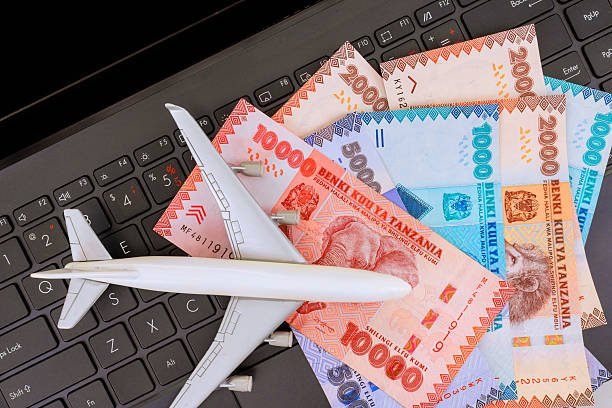
Understanding Kilimanjaro Climb Costs: A 2026-2027 Outlook
Climbing Mount Kilimanjaro is a significant undertaking, not just physically and mentally, but also financially. When planning your adventure for 2026 or 2027, grasping the nuances of the kosten Kilimanjaro beklimmen (costs of climbing Kilimanjaro) is paramount. This isn’t a simple purchase; it’s an investment in an experience that will stay with you forever. The price you pay directly influences the quality of your trek, the safety standards, the comfort of your equipment, and ultimately, your chances of reaching Uhuru Peak.
At Top Guide Adventures, we believe in transparent pricing and providing exceptional value. We understand that budget is a critical factor for many aspiring climbers. This guide aims to break down all the elements that contribute to the overall cost, helping you make an informed decision for your 2026-2027 expedition. We’ll cover everything from the basic park fees to the more subjective costs associated with choosing a reputable and experienced tour operator.
Key Factors Influencing Kilimanjaro Trekking Costs
Several variables interact to determine the final price tag for your Kilimanjaro climb. Understanding these factors will help you demystify the pricing and appreciate why different operators and routes have varying cost structures. For 2026-2027 expeditions, these remain the core determinants:
1. Route Selection: The Foundation of Your Cost
The path you choose to the summit is arguably the biggest cost driver. Each route has a different length, daily trekking profile, scenery, and success rate, all of which impact operational costs. Generally, longer routes require more days of guide and porter services, more food, and more camping equipment, thus increasing the overall expense.
- Marangu Route (Coca-Cola Route): Often the most budget-friendly due to its 5-day duration and hut accommodation (unique among routes). However, the shorter duration and steeper ascent profile can lead to lower acclimatization and success rates.
- Machame Route (Whiskey Route): A popular 7-day trek known for its excellent acclimatization profile and high success rates. It’s a camping route, and its popularity means more infrastructure but also higher demand and thus a mid-to-high cost range.
- Lemosho Route: A longer (7-8 days) and more scenic route, often considered one of the best for acclimatization and views. It starts in the west and joins the Machame route. Its length and remote start contribute to a higher cost.
- Shira Route: Similar to Lemosho but starts at a higher altitude. It’s also a longer, more expensive option due to its duration and remote access.
- Rongai Route: The only route approaching from the north. It’s generally drier and can be a good option during the rainy season. Often available at a slightly lower cost than Machame or Lemosho due to less traffic, but still a camping route.
- Northern Circuit: The longest route (9-10 days), offering the best acclimatization and highest success rates. Its extended duration makes it one of the most expensive options.
- Umbwe Route: The shortest and steepest route, offering the least acclimatization and lowest success rates. It’s also the most challenging and can sometimes be surprisingly expensive due to the need for highly experienced guides and potentially faster-paced logistics.
For 2026-2027 climbs, expect routes like Lemosho and Northern Circuit to command the highest prices, while Marangu might offer the lowest entry point, though not necessarily the best value for success.
2. Duration of the Climb
As touched upon with route selection, the number of days you spend on the mountain directly impacts the kosten Kilimanjaro beklimmen. More days mean more personnel (guides, porters, cooks), more food, more fuel, and more camping equipment required. While longer treks generally offer better acclimatization and higher success rates, they also come with a higher price tag.
- 5-6 days: Typically Marangu or a rushed Rongai/Machame. Lower cost, but significantly lower success rates and higher risk of altitude sickness.
- 7-8 days: Machame, Lemosho, Shira, Rongai. This duration is widely recommended for optimal acclimatization and success. Costs are mid-range to high.
- 9-10 days: Northern Circuit or extended Lemosho/Machame. Highest success rates and best acclimatization. These are the most expensive options due to the extended operational time.
When comparing quotes for 2026-2027, ensure you’re comparing treks of similar durations and routes to get an accurate cost comparison.
3. Operator Type and Quality
This is where the biggest variations in pricing can occur, and it’s crucial to understand what you’re paying for. Operators range from small local outfits to large international companies.
- Budget Operators: These often cut costs by hiring less experienced guides, using lower-quality equipment, providing less food, and potentially underpaying their porters (which is unethical and sometimes leads to porter mistreatment). While the initial price might seem attractive for 2026-2027, the risks to safety, comfort, and success rates are significantly higher.
- Mid-Range Operators: These offer a good balance of quality and cost. They typically employ experienced, certified guides, use reliable equipment, provide ample and nutritious food, and adhere to ethical porter treatment standards. Top Guide Adventures falls into this category, focusing on providing excellent value without compromising on safety or experience.
- Luxury/Premium Operators: These offer the highest level of service, including private toilet tents, more comfortable tents, gourmet meals, and sometimes even oxygen cylinders as standard. They cater to clients who prioritize comfort and are willing to pay a premium for it.
When evaluating the kosten Kilimanjaro beklimmen, always look beyond the sticker price. Research the operator’s reputation, safety record, guide qualifications, porter welfare policies, and reviews from past clients. A slightly higher price for a reputable operator is often a worthwhile investment in your safety and enjoyment.
4. Inclusions and Exclusions
The list of what is included in your trek package can dramatically alter the final cost. Always scrutinize these details carefully:
Common Inclusions:
- Park fees (Kilimanjaro National Park, Conservation fees)
- Crater fee (if applicable for specific routes)
- Rescue fee
- All meals on the mountain (breakfast, lunch, dinner)
- Boiled and purified drinking water
- Accommodation in tents (or huts on Marangu)
- Guides, porters, and cook salaries and welfare
- Equipment (tents, sleeping mats, dining tent, tables, chairs, cooking gear)
- Transfer from Moshi to the trailhead and back
- Temporary climbing permits
Common Exclusions (and potential additional costs):
- Flights to and from Kilimanjaro International Airport (JRO)
- Visa fees
- Travel and rescue insurance (mandatory)
- Personal gear (clothing, hiking boots, sleeping bag, backpack)
- Tips for guides, porters, and cooks (a significant expense, often underestimated)
- Lunches and drinks in Moshi before and after the climb
- Optional expenses (e.g., battery charging, souvenirs, alcoholic beverages)
- Extra hotel nights before or after the trek
- Vaccinations and medications
- Optional upgrades: Oxygen cylinders, private toilet tents, portable showers.
For 2026-2027 planning, factor in at least $300-$500 per climber for tips, as this is a standard and expected part of the remuneration for the mountain crew.
5. Group Size vs. Private Climb
Climbing with a group, especially a pre-arranged one, is usually cheaper per person than a private climb. Group departures often allow operators to spread fixed costs (like guide salaries) across more people.
- Group Climbs: Offer a social dynamic and can be more budget-friendly. Top Guide Adventures often has Machame Route group departures which are excellent for solo travelers or those looking to save costs.
- Private Climbs: Offer flexibility in scheduling and a more personalized experience. The cost per person is higher, but you have your own dedicated team and can set your own pace.
When comparing kosten Kilimanjaro beklimmen, always clarify if the quote is for a shared group or a private trek.
Typical Cost Breakdown for a 7-Day Kilimanjaro Trek (2026-2027 Estimate)
To provide a clearer picture, let’s estimate the costs for a standard 7-day trek, like the popular Machame or Lemosho route, with a reputable operator like Top Guide Adventures for 2026-2027. This is a general guide, and actual prices can vary.
Estimated Kilimanjaro Climb Cost Components (per person, 7-day trek)
| Cost Component | Estimated Range (USD) | Notes |
|---|---|---|
| Park Fees (Entry, Camping/Hut, Rescue) | $700 – $1,000 | Mandatory, set by Kilimanjaro National Park Authority. Can fluctuate slightly year to year. |
| Guide, Porter, Cook Salaries & Welfare | $400 – $700 | Ensures fair wages and good working conditions. Crucial for ethical trekking. |
| Food & Water on the Mountain | $200 – $350 | Nutritious meals prepared by your cook. |
| Camping Equipment (Tents, Mats, etc.) | $100 – $200 | Quality tents, dining tent, tables, chairs. |
| Transfers (Moshi to Trailhead & back) | $50 – $100 | Vehicle hire and fuel. |
| Operator’s Margin & Support | $350 – $700 | Covers operational overhead, office staff, marketing, profit. Varies greatly by operator quality. |
| Subtotal (Operator Package) | $1,800 – $3,050 | This is the core package price. |
| Tips for Crew (Guides, Porters, Cook) | $300 – $500 | Highly recommended, standard practice. Essential to budget for. |
| Personal Gear Rental (Optional) | $100 – $300 | If you don’t own your own high-quality gear. |
| Travel Insurance (Mandatory) | $100 – $250 | Must include high-altitude trekking and emergency evacuation. |
| Pre/Post Climb Accommodation (Moshi) | $50 – $150 per night | If needed, budget for 1-3 extra nights. |
| TOTAL ESTIMATED COST (per person) | $2,450 – $4,150+ | This is a realistic range for a quality 2026-2027 climb. |
As you can see, the park fees alone constitute a substantial portion of the kosten Kilimanjaro beklimmen. This is non-negotiable and set by the Tanzanian government.
The True Value: Why Cheap Kilimanjaro Treks Cost More in the Long Run
It’s tempting to opt for the cheapest Kilimanjaro climb you can find advertised for 2026 or 2027. However, this often proves to be a false economy. Low-cost operators frequently compromise on critical aspects that directly impact your safety, comfort, and success.
Risks of Ultra-Budget Kilimanjaro Treks:
- Inadequate Guide Training & Experience: Less experienced guides may not be equipped to handle emergencies or recognize early signs of altitude sickness, putting trekkers at serious risk.
- Poor Quality Equipment: Cheap tents may not withstand harsh mountain weather (wind, rain, cold), leading to discomfort and potential hypothermia.
- Insufficient Food & Water: Limited rations can lead to fatigue, weakness, and poor recovery, significantly reducing summit chances and enjoyment.
- Unethical Porter Treatment: This is a major issue. Budget operators may overload porters, provide insufficient food, or pay them unfairly. This not only harms the porters but can also lead to strikes or poor morale affecting the trek. Top Guide Adventures is a proud signatory of the Kilimanjaro Porters Assistance Project (KPAP) guidelines, ensuring ethical treatment.
- Lack of Emergency Preparedness: Budget operators might not carry adequate first-aid supplies or have proper emergency evacuation plans in place.
- Lower Success Rates: All the above factors contribute to significantly lower chances of reaching the summit.
When budgeting for your 2026-2027 Kilimanjaro climb, prioritize safety and ethical practices. The kosten Kilimanjaro beklimmen reflect the quality of service and the commitment to a positive and safe experience.
Understanding Park Fees and Government Levies
A significant portion of your Kilimanjaro trek cost is allocated to government-mandated fees. These fees are essential for the park’s maintenance, conservation efforts, and the salaries of park rangers. They are subject to change, and operators typically update their pricing for 2026-2027 based on the latest government directives.
As of recent estimates, the primary fees include:
- Kilimanjaro National Park Entry Fee: Approximately $70 per person per day.
- Camping Fee: Approximately $60 per person per night (for camping routes). Hut fees are higher for the Marangu route.
- Climber’s Rescue Fee: Approximately $20 per person. This fee contributes to the rescue services on the mountain.
- Crater Fee: For routes that go into the crater (e.g., Barafu Camp on Machame/Lemosho, Kibo Huts), there’s an additional fee, around $100 per person.
These fees can add up quickly, especially on longer treks. For a 7-day trek, the park fees alone can exceed $700 per person. Reputable operators will always include these in their package price, but it’s good to be aware of them when comparing kosten Kilimanjaro beklimmen.
The Cost of Crew: Guides, Porters, and Cooks
The backbone of any successful Kilimanjaro climb is the mountain crew. Fair compensation and good working conditions for guides, porters, and cooks are essential for a positive trekking experience and ethical tourism.
What their costs cover:
- Salaries: Guides, cooks, and porters are paid daily wages. Rates vary based on experience, role, and the number of clients.
- Equipment: Operators must provide adequate tents, sleeping bags (for porters), warm clothing, and sturdy footwear.
- Food and Water: The crew also needs to be fed and kept hydrated throughout the trek.
- Insurance and Rescue: While rescue fees are for climbers, operators often have their own insurance for their staff.
- KPAP Membership (for ethical operators): Fees associated with adhering to strict porter welfare standards.
Operators committed to ethical practices, like Top Guide Adventures, invest significantly in their crew. This investment is reflected in the overall kosten Kilimanjaro beklimmen but ensures a well-motivated, experienced, and safe team supporting your climb.
Budgeting for Tips: A Significant, Often Overlooked Cost
Tipping is a customary and highly appreciated part of climbing Kilimanjaro. The mountain crew works incredibly hard, often carrying heavy loads in challenging conditions, and tips form a substantial part of their income. Underestimating this cost can lead to budget shortfalls.
General tipping guidelines for 2026-2027 (per climber):
- Lead Guide: $20-25 per day
- Assistant Guide(s): $15-20 per day per assistant
- Cook: $12-15 per day
- Porters: $8-10 per day per porter
For a 7-day climb, this can easily add up to $300-$500 per person. Some operators provide specific recommended tipping amounts, which are usually based on industry standards and are a good guide. It’s often best to pool money and present tips as a group at the end of the trek, usually at the hotel in Moshi.
When budgeting for the kosten Kilimanjaro beklimmen, always set aside a realistic amount for tips. It’s a crucial part of the trekking economy and a direct way to show appreciation for the crew’s hard work.
Personal Gear: What You Need to Buy or Rent
While operators provide communal gear like tents and cooking equipment, you are responsible for your personal climbing gear. This includes essential items to keep you warm, dry, and comfortable at high altitudes.
Essential Personal Gear:
- Clothing: Layering is key. Thermal base layers, fleece mid-layers, and a waterproof/windproof outer shell.
- Footwear: Broken-in, waterproof hiking boots are non-negotiable.
- Sleeping Bag: A 4-season bag rated to at least -15°C (0°F) is recommended.
- Backpack: A comfortable daypack (30-40L) for essentials and a larger duffel bag (80-100L) for porters to carry.
- Accessories: Warm hat, gloves, scarf, sunglasses, headlamp, water bottles/bladder, trekking poles.
You can purchase these items before your trip or rent some of the bulkier items (like sleeping bags and trekking poles) in Moshi. Rental costs typically range from $100-$300 for a full set, depending on the quality and what you need. Factor this into your overall kosten Kilimanjaro beklimmen if you don’t already own the necessary gear.
Travel Insurance: A Non-Negotiable Expense
Comprehensive travel insurance is mandatory for all Kilimanjaro climbs. This insurance must specifically cover high-altitude trekking and emergency medical evacuation from remote locations.
What to look for in your insurance policy:
- High Altitude Coverage: Ensure it covers trekking up to 5,895 meters (19,341 feet).
- Emergency Evacuation: This should cover helicopter or ambulance evacuation from the mountain to a hospital.
- Medical Expenses: Sufficient coverage for treatment of altitude sickness, injuries, or other medical emergencies.
- Trip Cancellation/Interruption: Optional but recommended.
The cost of such insurance typically ranges from $100 to $250, depending on your age, the duration of your trip, and the coverage level. Do not skip this; it’s a critical safety net.
Hidden Costs and Miscellaneous Expenses
Beyond the main package, there are other expenses to consider when calculating the total kosten Kilimanjaro beklimmen for your 2026-2027 trip:
- Pre/Post-Climb Accommodation: Most trekkers spend at least one night in Moshi or Arusha before and after their climb. Hotels can range from budget guesthouses to comfortable lodges, costing anywhere from $30 to $150+ per night.
- Meals in Town: While meals are provided on the mountain, you’ll need to budget for your own meals in Moshi/Arusha.
- Souvenirs: If you wish to buy local crafts or mementos.
- Vaccinations and Medications: Consult your doctor well in advance regarding necessary vaccinations (like Yellow Fever, Hepatitis A) and malaria prophylaxis. Costs vary by region and healthcare provider.
- Airport Transfers: If not included in your international flight package.
It’s wise to budget an additional $200-$500 for these miscellaneous expenses.
Comparing 2026-2027 Kilimanjaro Climb Prices: What to Look For
When you start receiving quotes for your 2026 or 2027 Kilimanjaro climb, don’t just compare the bottom line. A thorough comparison involves looking at the details:
Kilimanjaro Quote Comparison Checklist:
- Route and Duration: Are you comparing like-for-like?
- Inclusions: What exactly is covered (park fees, meals, transfers, equipment)?
- Exclusions: What are the potential extra costs (tips, gear, insurance)?
- Operator Reputation: Check reviews on platforms like TripAdvisor.
- Safety Record: Do they have a good emergency response plan?
- Guide Qualifications: Are guides certified and experienced?
- Porter Welfare Policy: Do they adhere to ethical standards (e.g., KPAP)?
- Group Size: Is it a small group, large group, or private climb?
- Tipping Guidelines: Are they provided and reasonable?
- Communication: How responsive and helpful is the operator before booking?
Top Guide Adventures prides itself on offering transparent pricing for kosten Kilimanjaro beklimmen, ensuring all essential elements are clearly outlined. We believe in responsible tourism and providing an exceptional experience that balances cost with quality and safety.
Kilimanjaro Climb Cost Trends for 2026-2027
While major price fluctuations are uncommon, several factors could influence Kilimanjaro climb costs in the 2026-2027 period:
- Inflation: General economic inflation can lead to slight increases in operational costs, including fuel, food, and staff wages.
- Park Fee Adjustments: The Tanzanian government occasionally reviews and adjusts park fees. Any significant changes would directly impact the overall cost. Operators will update their pricing accordingly for 2026-2027 bookings.
- Exchange Rates: Fluctuations in currency exchange rates can affect the cost for international clients.
- Demand: Increased popularity or specific events could subtly influence pricing, though the core costs remain relatively stable.
Booking in advance for 2026-2027 is generally recommended to secure your preferred dates and potentially lock in current pricing before any potential adjustments.
Making Your Kilimanjaro Dream a Reality: Planning Your Budget
Climbing Kilimanjaro is a dream for many, and understanding the kosten Kilimanjaro beklimmen is the first step toward making it a reality. By carefully considering all the factors outlined above, you can create a realistic budget that ensures a safe, enjoyable, and successful trek.
At Top Guide Adventures, we are dedicated to helping you plan your perfect Kilimanjaro expedition. We offer competitive pricing for 2026-2027 treks without compromising on the quality of service, safety standards, or ethical treatment of our mountain crew. We are here to answer all your questions and guide you through the planning process.
Ready to take the next step? Don’t hesitate to reach out to our expert team. We can provide personalized quotes based on your preferred route, dates, and travel style. Let us help you prepare for an unforgettable journey to the Roof of Africa!
Contact us today:
- WhatsApp: +255616946642
- Email: topguideadventures@gmail.com
- Backup Email: info@topguideadventurestanzania.com
Visit our website for more information on our Tanzania tours and Kilimanjaro climbs.
Check Availability for Best Kosten Kilimanjaro Beklimmen: Your Complete Guide 2026-2027
Ready to compare dates, prices, and the best option for your group? Send the package name and travel month so the team can reply with a clear quote, availability, and what is included.
Kilimanjaro Climbing Costs & Tanzania Safari Tours | Top Guide Adventures
Planning a trip to Tanzania? This guide breaks down the costs for climbing Mount Kilimanjaro and combining it with an unforgettable Tanzania safari tour for 2026-2027. Learn about pricing...
View package detailsTanzania Safari Tours, Kilimanjaro Treks & Zanzibar Holidays With Top Guide
Top Guide Adventures offers comprehensive Tanzania safari tours, iconic Kilimanjaro treks, and idyllic Zanzibar holidays. Discover the best of East Africa with personalized itineraries...
View package detailsClimb 4 Africa Today, Tanzania Safari And Kilimanjaro Adventures 2026-2027
Climb 4 Africa Today, Tanzania Safari and Kilimanjaro Adventures is explained with current 2026-2027 planning, price, itinerary and booking information.
View package detailsDiscount Tanzania Treks And Affordable Safari Packages In 2026-2027
Discover how to plan discount Tanzania treks and affordable safari packages for your 2026-2027 adventure. This comprehensive guide covers budget-friendly options for iconic destinations...
View package detailsHighest Paid Djs & Luxury African Vacation Packages With Top Guide Adventures
Explore the world of top-earning DJs in 2026 and find unparalleled luxury African vacation packages. Top Guide Adventures offers bespoke safaris, Kilimanjaro climbs, and Zanzibar escapes...
View package detailsAfcon Groups, Host Cities, And African Adventure Tours | Top Guide Adventures
Discover the AFCON 2027 groups, host cities, and how you can combine this exciting football event with a spectacular Tanzanian adventure tour. Top Guide Adventures offers tailored safaris...
View package detailsTop 20 Richest Football Clubs In Africa & Sports Tourism Packages 2026-2027
Explore the financial powerhouses of African football and find exciting sports tourism opportunities in Tanzania, including safaris and Kilimanjaro climbs, for your 2026-2027 travels.
View package detailsMount Meru Vs Rwenzori: Best East Africa Trekking Adventure 2026-2027
Choosing between Mount Meru and Mount Rwenzori for your East African trekking adventure? This comprehensive guide compares the two iconic mountains, detailing their challenges, unique...
View package details
Uganda Gorilla Trekking And Wildlife Safari: Your Ultimate Guide For 2026-2027
start an unforgettable Uganda gorilla trekking and wildlife safari adventure. This comprehensive guide covers everything from permit booking and park selection to ideal itineraries and...
View package detailsNo related package matches those filters. Clear one or more filters to see the other topic-matched options.



