
A 9 days Northern Circuit route on Kilimanjaro is an excellent choice for trekkers seeking a high success rate and a more in-depth mountain experience, offering gradual acclimatization over a longer duration compared to shorter routes, typically starting and ending in the Arusha region with various park gates involved.
Understanding the 9 Days Northern Circuit Route for Kilimanjaro
The 9 days Northern Circuit route, also known as the Lemosho-Machame hybrid or simply the ‘Grand Traverse’, stands out as one of the most rewarding and successful ways to conquer Mount Kilimanjaro. Its extended duration is its greatest asset, allowing for superior acclimatization, which is the single most critical factor in reaching Uhuru Peak. This route circumnavigates the mountain, offering diverse landscapes and a more in-depth exploration of Kilimanjaro’s unique ecosystems. For trekkers planning their ascent in 2026 or 2027, understanding the nuances of this specific route is key to a safe and memorable journey.
Unlike shorter routes that rush climbers through the altitude zones, the 9 days Northern Circuit route provides ample time for the body to adjust to the decreasing oxygen levels. This is crucial for preventing Acute Mountain Sickness (AMS), the primary reason for trek failures. By spending more days on the mountain, climbers experience fewer symptoms, feel stronger, and can truly appreciate the stunning scenery as they ascend. This comprehensive guide will break down the itinerary, highlight its advantages, discuss costs, and provide essential planning advice for your 2026-2027 Kilimanjaro adventure.
Why Choose the 9 Days Northern Circuit Route?
When considering which path to take up Kilimanjaro, the 9 days Northern Circuit route presents a compelling case. Its popularity is growing, and for good reason. The extended itinerary isn’t just about adding days; it’s about optimizing your chances of success and enhancing your overall experience. Here’s why it’s a top recommendation:
- Superior Acclimatization: The most significant advantage. The route follows the ‘climb high, sleep low’ principle effectively, allowing your body more time to adapt to increasing altitudes. This drastically reduces the risk of AMS.
- Higher Success Rates: Directly linked to better acclimatization, the 9-day Northern Circuit boasts some of the highest success rates among all Kilimanjaro routes.
- impressive Scenery: This route offers unparalleled panoramic views. It begins on the western side (Lemosho Glades), traverses the Shira Plateau, then circles around the northern slopes, offering unique perspectives of the mountain and its diverse vegetation zones before joining the Barranco Wall ascent.
- Less Crowded: While it utilizes parts of the popular Lemosho and Machame routes, its longer duration means fewer people are on the trail at any given time compared to the shorter, busier routes. This provides a more tranquil and personal trekking experience.
- Diverse Ecosystems: You’ll journey through rainforests, heather and moorland, alpine desert, and arctic zones, witnessing the dramatic environmental changes as you gain altitude.
- Flexibility and Customization: While the 9-day structure is standard, operators like Top Guide Adventures can often tailor aspects to your needs for 2026-2027 bookings.
The 9 Days Northern Circuit Itinerary: A Day-by-Day Breakdown
The 9 days Northern Circuit route is meticulously designed for acclimatization and scenic beauty. While slight variations exist between tour operators, the core structure remains consistent. This itinerary provides a detailed look at what to expect, highlighting the key stages of your ascent.
Day 1: Lemosho Gate (2,100m/6,890ft) to Mti Mkubwa Camp (2,820m/9,250ft)
Your Kilimanjaro adventure begins with a scenic drive from Arusha to the Lemosho Gate. After completing park formalities, you’ll start your trek through the lush rainforest. The trail is relatively gentle, and the focus is on enjoying the vibrant flora and fauna, including the possibility of spotting colobus monkeys. The hike typically takes 3-4 hours, covering about 6 km (3.7 miles).
Day 2: Mti Mkubwa Camp (2,820m/9,250ft) to Shira 1 Camp (3,500m/11,480ft)
Today, you’ll ascend out of the rainforest into the moorland zone. The landscape becomes more open, offering expansive views. The trail can be steep in places, but the gradual ascent aids acclimatization. You’ll cross small streams and encounter unique high-altitude vegetation. This day’s hike takes approximately 5-6 hours, covering about 8 km (5 miles).
Day 3: Shira 1 Camp (3,500m/11,480ft) to Shira 2 Camp (3,850m/12,630ft)
The route continues across the Shira Plateau, a vast, high-altitude moorland. You’ll hike through rolling hills with stunning views of Mount Kilimanjaro’s peak. The day is generally less strenuous in terms of elevation gain, but the altitude is significant. This day’s trek is about 5-6 hours, covering around 7 km (4.3 miles).
Day 4: Shira 2 Camp (3,850m/12,630ft) to Lava Tower (4,630m/15,190ft) then to Barranco Camp (3,950m/12,960ft)
This is a crucial acclimatization day. You’ll ascend steadily towards Lava Tower, a prominent volcanic plug. After a break and lunch at Lava Tower, you’ll descend to Barranco Camp. This ‘climb high, sleep low’ strategy is vital for acclimatization. The hike is challenging, taking about 7-8 hours and covering roughly 12 km (7.5 miles).
Day 5: Barranco Camp (3,950m/12,960ft) to Karanga Camp (4,200m/13,780ft)
Today involves the famous Barranco Wall climb. It’s a scramble rather than a technical climb, but it requires some effort and is done slowly and steadily. The views from the top of the wall are spectacular. After descending slightly, you’ll reach Karanga Camp, situated in a valley. The hike takes around 5-6 hours and covers about 5 km (3 miles).
Day 6: Karanga Camp (4,200m/13,780ft) to Barafu Camp (4,640m/15,220ft)
You’ll continue ascending through alpine desert terrain. The landscape becomes increasingly barren. The trail is steady but feels tougher due to the altitude and thinner air. Barafu Camp is the base camp for the summit push, offering dramatic views of the summit cone. The trek takes approximately 4-5 hours, covering about 4 km (2.5 miles).
Day 7: Summit Day! Barafu Camp (4,640m/15,220ft) to Uhuru Peak (5,895m/19,341ft) and down to Mweka Camp (3,100m/10,170ft)
This is the most challenging day. You’ll start your ascent around midnight, trekking up steep scree slopes in the dark. Reaching Stella Point on the crater rim by sunrise is a magical experience. From there, it’s a further 1-2 hours to Uhuru Peak, the roof of Africa. After celebrating, you’ll descend back to Barafu Camp for a short rest before continuing down to Mweka Camp. This epic day involves 10-12 hours of trekking and covers about 12 km (7.5 miles) ascent and 7 km (4.3 miles) descent.
Day 8: Mweka Camp (3,100m/10,170ft) to Mweka Gate (1,640m/5,380ft)
Your final day on the mountain. You’ll descend through the rainforest, often a quicker and more enjoyable hike than the ascent. You’ll reach Mweka Gate where you’ll be met by your driver and transferred back to Arusha for a well-deserved rest and celebration. This descent takes about 3-4 hours and covers around 10 km (6 miles).
Day 9: Buffer Day / Rest Day in Arusha
This extra day is often built into the 9-day Northern Circuit for added flexibility. It can be used as a buffer in case of minor delays or weather issues, or simply as a day to relax and recover in Arusha before your onward journey. If the trek goes smoothly, you can use this day for souvenir shopping, visiting local attractions, or enjoying a leisurely pace.
Cost Considerations for a 9 Days Northern Circuit Trek in 2026-2027
Understanding the cost of a 9 days Northern Circuit route trek is essential for budgeting your trip. Prices can vary significantly based on the tour operator, the level of service provided, group size, and the time of year. As of 2026-2027, you can expect a wide range of prices, but here’s a breakdown of what influences the cost and general expectations:
Factors Influencing Cost:
- Tour Operator Reputation and Service Level: Reputable companies that provide higher quality equipment, more experienced guides and porters, better food, and more comfortable accommodation (e.g., private toilets, oxygen systems) will naturally charge more.
- Group Size: Private treks are always more expensive than joining a group. Shared group departures offer a more budget-friendly option.
- Inclusions: A comprehensive package typically includes park fees, guide and porter salaries, food, accommodation on the mountain, transfers, and sometimes even a pre- or post-climb hotel stay. Cheaper options might exclude some of these.
- Time of Year: Peak seasons (January-March, June-October) often see slightly higher prices due to demand.
- Duration: The 9-day Northern Circuit is inherently more expensive than shorter routes due to the longer period with guide, porter, and park fees.
General Price Range for 2026-2027 (per person):
For a reputable operator like Top Guide Adventures, offering a full-service 9 days Northern Circuit trek, expect prices to range from $2,500 to $4,000 USD per person. This typically includes:
- All park entry fees (significant portion of the cost)
- All camping fees
- Professional, licensed guides and support crew
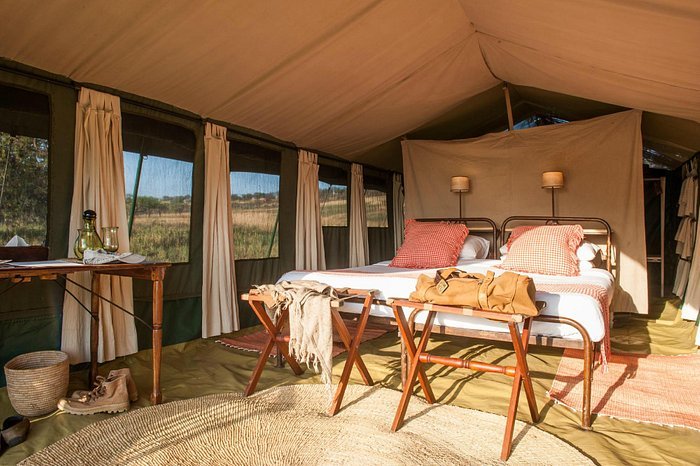
- Quality tents, sleeping mats, and dining tent
- All meals on the mountain
- Boiled drinking water
- Oxygen cylinders for emergencies
- Porters for carrying group and personal gear
- Accommodation in Arusha before and after the climb (often 1-2 nights)
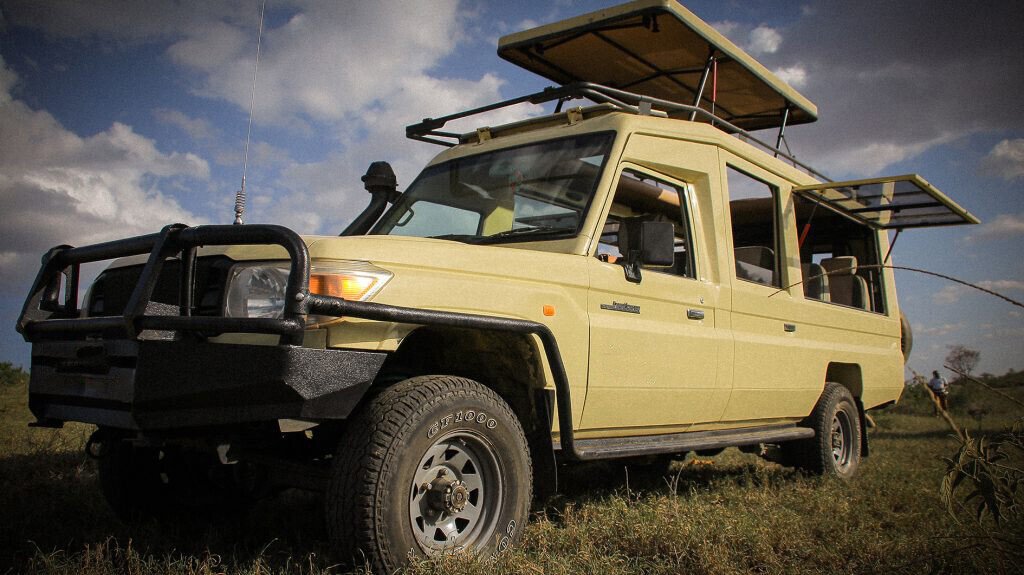
- Ground transportation (airport transfers, Arusha to gate, gate to Arusha)
- A summit success rate focus with experienced teams
What’s Typically Excluded:
- Flights to and from Kilimanjaro International Airport (JRO)
- Visa fees
- Travel and medical insurance (mandatory)
- Tips for guides, porters, and cook (a significant but customary expense)
- Personal gear (sleeping bags, hiking boots, clothing, etc.)
- Lunches, dinners, and drinks in Arusha hotels
- Optional activities or expenses in Arusha
When comparing prices for your 2026 or 2027 climb, always scrutinize what is included. A significantly lower price might indicate cutbacks on guide experience, porter welfare, food quality, or safety equipment, which can compromise your trek. Top Guide Adventures is committed to providing safe, ethical, and high-quality treks. For a personalized quote for your 9 days Northern Circuit route adventure in 2026-2027, contact us directly.
Get a Custom Quote for Your 2026-2027 Climb
Ready to plan your 9 days Northern Circuit route trek? Contact Top Guide Adventures for a detailed, personalized quote tailored to your needs for 2026 or 2027. We pride ourselves on transparent pricing and exceptional service.
WhatsApp: +255 616 946642
Email: topguideadventures@gmail.com
Backup Email: info@topguideadventurestanzania.com
Let us help you craft an unforgettable Kilimanjaro experience!
Best Time to Climb Kilimanjaro via the 9 Days Northern Circuit
Choosing the right time to climb Kilimanjaro is crucial for a successful and enjoyable trek. While it’s possible to climb year-round, certain periods offer more favorable weather conditions. For the 9 days Northern Circuit route, the best times generally align with the dry seasons:
- January to March: This is a popular time, offering clear skies and relatively warm temperatures. It’s a great window for your 2026 or 2027 climb, though it can be busy. January and February are often considered prime months.
- June to October: This is another significant dry season, characterized by cooler temperatures and clear skies. It’s an excellent choice for the 9 days Northern Circuit, especially for those who prefer cooler trekking conditions. This period is also very popular, so booking in advance for 2026-2027 is advised.
Times to Avoid (or be prepared for):
- April and May: These months represent the long rainy season. Expect heavy rainfall, especially in the lower rainforest sections, making trekking more challenging and potentially increasing the risk of mudslides. Visibility can be poor.
- November and December: This period marks the short rainy season. While not as intense as the long rains, you can expect intermittent showers, particularly in the afternoons. Temperatures begin to warm up.
Considerations for 2026-2027:
When planning your 9 days Northern Circuit trek for 2026 or 2027, consider these factors:
- Crowds: The dry seasons (Jan-Mar and Jun-Oct) are peak times. If you prefer a less crowded experience, consider the shoulder months like early June or late October.
- Temperature: The higher you go, the colder it gets. June-August tends to be cooler overall, while Jan-March is warmer.
- Lunar Phase: Some climbers prefer to summit during a full moon for better visibility and a more dramatic experience. This requires careful planning of your itinerary dates.
Regardless of when you choose to climb, always be prepared for unpredictable weather. Kilimanjaro’s summit can experience snow and freezing temperatures at any time of year.
Essential Gear for Your 9 Days Northern Circuit Trek
Proper gear is paramount for comfort, safety, and success on the 9 days Northern Circuit route. Layering is key, as you’ll experience a wide range of temperatures and weather conditions. Here’s a comprehensive packing list:
Clothing (Layering System)
- Base Layers: Moisture-wicking thermal tops and bottoms (merino wool or synthetic). Bring 2-3 sets.
- Mid Layers: Fleece jacket or pullover, synthetic insulated jacket (e.g., down or Primaloft).
- Outer Layer (Shell): Waterproof and windproof jacket and trousers (Gore-Tex or similar).
- Trekking Trousers: Lightweight, quick-drying hiking trousers (2 pairs). Avoid jeans.
- Shirts: Moisture-wicking t-shirts and long-sleeved shirts (3-4 total).
- Insulation Jacket: A warm down or synthetic jacket for evenings and summit night.
- Headwear: Warm fleece hat or beanie, sun hat with a wide brim, balaclava or neck gaiter for warmth and sun protection.
- Gloves: Warm waterproof outer gloves, thinner liner gloves.
Footwear
- Hiking Boots: Well broken-in, waterproof, sturdy hiking boots with good ankle support.
- Camp Shoes: Comfortable shoes or sandals for wearing at camp (e.g., Crocs, trainers).
- Socks: Wool or synthetic hiking socks (5-7 pairs). Avoid cotton. Liner socks can help prevent blisters.
Gear and Equipment
- Backpack: A comfortable daypack (30-40 liters) for essentials you carry daily. Your main luggage will be carried by porters.
- Duffel Bag: A large, durable, waterproof duffel bag (80-100 liters) for porters to carry.
- Sleeping Bag: A warm, four-season sleeping bag rated to at least -10°C (0°F).
- Sleeping Bag Liner: Adds warmth and keeps your sleeping bag cleaner.
- Trekking Poles: Highly recommended for stability and reducing strain on knees, especially on descents.
- Headlamp: With extra batteries (essential for summit night).
- Water Bottles/Hydration Reservoir: At least 3 liters capacity. Ensure bottles are insulated or use a reservoir with an insulated tube to prevent freezing.
- Sunglasses: With UV protection.
- Sunscreen: High SPF.
- Lip Balm: With SPF.
- Insect Repellent: Especially for the rainforest sections.
- First-Aid Kit: Personal medications, blister treatment, pain relievers, antiseptic wipes, bandages. Your guide will have a comprehensive kit.
- Toiletries: Biodegradable soap, toothbrush, toothpaste, wet wipes, hand sanitizer.
- Quick-Dry Towel: Small and lightweight.
- Camera: With extra batteries and memory cards.
- Power Bank/Portable Charger: For electronic devices.
- Snacks: Energy bars, nuts, dried fruit for extra energy.
- Book/Journal: For downtime at camp.
- Plastic Bags/Dry Bags: To keep gear dry and organized.
Important Documents
- Passport
- Visa (if required)
- Flight tickets
- Travel insurance details
- Vaccination certificates (e.g., Yellow Fever, if required)
- Emergency contact information
Note: Top Guide Adventures can provide recommendations for gear rental if needed for your 2026-2027 trek.
Training and Physical Preparation
The 9 days Northern Circuit route, while offering better acclimatization, is still a demanding trek. Physical preparation is crucial for enjoyment and success. Aim for a training regimen that focuses on cardiovascular fitness, strength, and endurance:
- Cardiovascular Fitness: Engage in activities like running, cycling, swimming, or brisk walking for at least 3-4 times a week. Aim for sessions of 45-60 minutes.
- Hiking with a Pack: The most relevant training. Go on long hikes (5-8 hours) with a weighted backpack (5-10 kg / 10-20 lbs) on varied terrain, including hills and stairs. This simulates trek conditions and helps your body adapt. Try to do at least one long hike per week in the months leading up to your climb.
- Strength Training: Focus on leg strength (squats, lunges, calf raises) and core strength (planks, crunches). Strong legs will help with ascents and descents, and a strong core aids balance and endurance.
- Stair Climbing: This is an excellent way to build leg strength and cardiovascular endurance. Use stair machines at the gym or find local stairs.
- Altitude Acclimatization (If Possible): If you live at high altitude, this is a significant advantage. If not, focus on consistent training and proper acclimatization on the mountain itself.
- Mental Preparation: Understand that there will be tough moments. Visualizing success, staying positive, and focusing on one step at a time are key.
Start your training at least 2-3 months before your planned climb in 2026 or 2027. Consistency is more important than intensity. Listen to your body and avoid overtraining.
Safety and Health on the Mountain
Safety is paramount on any Kilimanjaro climb, and the 9 days Northern Circuit route is no exception. Reputable operators prioritize the well-being of their clients. Here’s what you need to know:
Acute Mountain Sickness (AMS)
AMS is the most common altitude-related illness. Symptoms include headache, nausea, dizziness, fatigue, and loss of appetite. The 9-day itinerary is designed to minimize this risk through gradual ascent. Your guides are trained to recognize AMS symptoms and will monitor you closely. If symptoms worsen, descent is the only cure.
Guide Expertise
Choose a tour operator with experienced, certified guides. Our guides at Top Guide Adventures are trained in first aid, wilderness medicine, and AMS management. They carry comprehensive medical kits and oxygen for emergencies.
Hydration and Nutrition
Drink plenty of water (3-4 liters per day) and eat well. High-carbohydrate meals are recommended. Your guide will encourage you to eat even if your appetite is low. Stay hydrated by drinking water, herbal teas, and electrolyte supplements.
Emergency Procedures
Reputable operators have clear emergency protocols. This includes communication systems (satellite phones), evacuation plans, and access to emergency oxygen. In case of severe AMS or other medical emergencies, immediate descent and potential evacuation via stretcher or helicopter (if conditions permit and insurance covers it) are the standard procedures.
Travel Insurance
Comprehensive travel insurance that covers high-altitude trekking and emergency medical evacuation is mandatory for all climbers. Ensure your policy covers altitudes up to 6,000 meters (19,700 feet).
Tips for a Successful 9 Days Northern Circuit Trek
To maximize your chances of reaching Uhuru Peak and enjoying your 9 days Northern Circuit route adventure in 2026-2027, consider these practical tips:
- Listen to Your Body: Don’t push yourself too hard, especially in the initial days. Pace yourself, walk slowly (‘pole pole’), and communicate any discomfort to your guide.
- Stay Hydrated: Drink, drink, drink! Dehydration exacerbates altitude sickness.
- Eat Well: Even if you don’t feel hungry, try to eat the provided meals. Carbohydrates are essential for energy at altitude.
- Sleep Well: Rest is crucial for recovery. Try to sleep as much as possible, though sleep can be difficult at higher altitudes.
- Pack Smart: Bring layers and ensure your gear is waterproof. You’ll be carrying your daypack, so pack essentials for the day: water, snacks, rain gear, warm layers, sunscreen, camera.
- Hygiene: Use hand sanitizer frequently, especially before eating. Maintain good personal hygiene to prevent illness.
- Positive Attitude: Kilimanjaro is as much a mental challenge as a physical one. Stay positive, focus on the journey, and enjoy the incredible scenery.
- Respect the Environment: Follow Leave No Trace principles. Pack out all your rubbish, stay on designated paths, and respect wildlife.
- Understand Porter Welfare: Choose operators who treat their porters ethically, providing fair wages, adequate food, proper gear, and humane carrying limits. Top Guide Adventures is committed to porter welfare.
Comparing the 9 Days Northern Circuit with Other Routes
While the 9 days Northern Circuit route is highly recommended, understanding how it compares to other popular Kilimanjaro routes can help solidify your decision for a 2026-2027 climb:
- Marangu Route (‘Coca-Cola Route’): The oldest and most popular route. It’s known for its hut accommodation and shorter duration (5-6 days). However, it has a lower success rate due to rapid ascent and poor acclimatization. It’s also more crowded and less scenic than the Northern Circuit.
- Machame Route (‘Whiskey Route’): A popular route known for its scenic beauty and good acclimatization profile, often completed in 6-7 days. The 9-day Northern Circuit essentially builds upon the Machame route by adding more days and circling the mountain, further enhancing acclimatization and views.
- Lemosho Route: Similar to the Northern Circuit in its western start and scenic beauty. It’s typically done in 7-8 days. The 9-day Northern Circuit is an extended version of Lemosho, offering even more acclimatization days and a more complete circumnavigation.
- Shira Route: Starts at a higher altitude than Lemosho, meaning faster initial ascent but potentially poorer acclimatization in the first couple of days. The 9-day Northern Circuit offers a gentler start.
- Rongai Route: The only route that approaches from the north. It’s generally drier, making it a good option during rainy seasons, but it’s less scenic than western routes and has a less optimal acclimatization profile compared to the 9-day Northern Circuit.
- Umbwe Route: The shortest, steepest, and most challenging route. It’s for experienced mountaineers only and has a very low success rate due to its rapid ascent and poor acclimatization.
The 9 days Northern Circuit route offers the best of many worlds: excellent acclimatization (like longer Machame/Lemosho), stunning and varied scenery, and a high success rate, making it an ideal choice for those seeking a comprehensive Kilimanjaro experience in 2026 or 2027.
Booking Your 9 Days Northern Circuit Trek with Top Guide Adventures
Planning a Kilimanjaro climb is a significant undertaking, and choosing the right partner is crucial. Top Guide Adventures is a trusted Tanzanian tour operator dedicated to providing safe, ethical, and unforgettable Kilimanjaro experiences. We specialize in the 9 days Northern Circuit route and other treks, ensuring our clients have the best possible chance of summit success.
When you book with us for your 2026-2027 adventure, you benefit from:
- Experienced and Certified Guides: Our guides are highly trained, knowledgeable, and passionate about Kilimanjaro.
- Ethical Porter Practices: We are committed to the fair treatment and welfare of our porters.
- Quality Equipment: We provide reliable tents, sleeping mats, and dining equipment.
- Delicious and Nutritious Food: Our cooks prepare wholesome meals to fuel your climb.
- Safety First Approach: We carry emergency oxygen and have clear safety protocols.
- Personalized Support: From your initial inquiry to your return from the mountain, our team provides dedicated support.
- Transparent Pricing: We offer competitive pricing with clear inclusions.
Ready to take on the 9 days Northern Circuit route? Don’t wait to plan your 2026 or 2027 expedition. Contact us today to discuss your climb, get a personalized quote, and start preparing for the adventure of a lifetime.
Reach out to us:
WhatsApp: +255 616 946642
Email: topguideadventures@gmail.com
Backup Email: info@topguideadventurestanzania.com
Explore our other Tanzania adventures at Top Guide Adventures Tanzania and follow us on Instagram for inspiration.
Check Availability for 9 Days Northern Circuit Route: Your Ultimate Kilimanjaro Adventure Guide
Ready to compare dates, prices, and the best option for your group? Send the package name and travel month so the team can reply with a clear quote, availability, and what is included.



