
The best Tanzania safari dates for 2026-2027 depend on your priorities, but generally, the dry seasons from June to October and January to February offer the most reliable wildlife viewing and are ideal for spotting the Great Migration, especially in the Serengeti. The shoulder months of March and November also provide good experiences with fewer crowds and lower prices, though some rainfall is possible.
Understanding Tanzania Safari Dates: A Comprehensive Planning Guide for 2026-2027
Planning a Tanzania safari is an exciting endeavor, and one of the most critical factors for a successful trip is selecting the right Tanzania safari dates. The timing of your visit directly impacts wildlife viewing opportunities, the overall weather conditions, crowd levels, and even the cost of your safari. For travelers looking ahead to 2026 and 2027, understanding these nuances is key to crafting an itinerary that aligns with your wildlife interests and personal preferences.
Tanzania, a vast and diverse country, offers unparalleled safari experiences across its iconic national parks, including the Serengeti, Ngorongoro Crater, Tarangire, Lake Manyara, and the Selous Game Reserve (now Nyerere National Park). Each park and region has its own microclimates and wildlife movements, largely dictated by seasonal patterns. The star attraction for many is the Great Migration, a spectacular natural phenomenon where millions of wildebeest, zebras, and antelopes traverse the plains in search of greener pastures. Knowing when and where to witness this event is paramount for many visitors planning their Tanzania safari dates.
This guide will provide an in-depth look at the optimal Tanzania safari dates for 2026-2027, breaking down the year by season, highlighting what to expect in terms of weather, animal behavior, and the best locations to visit during each period. We’ll cover everything from the peak dry seasons that promise incredible game drives to the green seasons that offer lush landscapes and abundant birdlife, ensuring your safari dates in Tanzania lead to the adventure of a lifetime.
Seasonal Breakdown: Maximizing Your Tanzania Safari Dates in 2026-2027
Tanzania experiences distinct wet and dry seasons, each offering a unique safari experience. Understanding these seasons is fundamental to choosing the perfect Tanzania safari dates for your trip in 2026 or 2027.
The Dry Season (June to October): Prime Time for Wildlife Viewing
The dry season is widely considered the best time for a Tanzania safari, especially for those prioritizing exceptional wildlife sightings and the chance to witness the Great Migration at its most dramatic. During these months, the landscape is drier, the vegetation is less dense, and water sources become scarcer, forcing animals to congregate around permanent waterholes and rivers. This makes them easier to spot.
June & July: The Great Migration Begins its Northern Circuit Journey
As the dry season commences, the Great Migration herds typically move northwards from the central Serengeti towards the western corridor and the Mara River. This period is characterized by stunning savannah vistas and clear skies. The grasses in the central and western Serengeti have dried up, prompting the massive movement of wildebeest and zebras. The river crossings, though unpredictable, can begin to occur during this time, offering thrilling photographic opportunities. Temperatures are pleasant, with cool mornings and evenings.
August & September: Peak Migration and River Crossings
These two months represent the peak of the dry season and often the most sought-after Tanzania safari dates for observing the Great Migration. The herds are usually concentrated in the northern Serengeti, preparing to cross the Mara River into Kenya’s Maasai Mara. Witnessing these dramatic river crossings, where thousands of animals brave crocodile-infested waters, is a highlight for many. The predator activity is also at its highest during this period, as lions, cheetahs, and hyenas take advantage of the concentrated prey. The weather remains dry and sunny, making for excellent game viewing conditions throughout Northern Tanzania.
October: Migration Moves Towards Kenya, Southern Parks Awaken
By October, the bulk of the migration may have moved into Kenya, but there are still opportunities to see stragglers and significant herds in the northern Serengeti. As the rains begin to tentatively return in some areas, the southern parks like Ruaha and Selous (Nyerere) start to become more appealing. However, for the classic Serengeti experience and prime migration viewing, late October can still be rewarding, especially if the rains are slightly delayed. The weather is still largely dry, with pleasant temperatures.
The Green Season (November to May): Lush Landscapes and Birding Paradise
The green season, also known as the wet season, transforms Tanzania’s landscapes into vibrant, lush environments. While there is rainfall, it often comes in short, intense bursts, typically in the afternoons, leaving mornings and evenings clear for game drives. This season is ideal for budget travelers, birdwatchers, and those seeking a less crowded safari experience. The Serengeti’s southern plains also become a hotspot for calving during the early green season.
November & December: Short Rains and Southern Serengeti Calving
The short rains (Vuli) often begin in November, bringing a welcome change to the landscape. The Great Migration herds, having crossed into Kenya and then begun their southward journey, start to arrive in the eastern and southern Serengeti. This period is crucial for the calving season, with newborn wildebeest and zebras appearing on the plains. The lush greenery provides a stunning backdrop for photography, and birdlife is abundant as migratory birds arrive. Game viewing in the Serengeti remains good, and other parks like Tarangire, known for its large elephant herds, are still excellent.
January & February: Calving Season in the Southern Serengeti
These months are prime time for the southern Serengeti’s calving season. Millions of wildebeest, zebras, and gazelles gather in the Ndutu area (which straddles the Serengeti and the Ngorongoro Conservation Area) to give birth. This abundance of young, vulnerable prey attracts a significant number of predators, making for spectacular viewing of lion prides, cheetahs, and other carnivores in action. The weather is generally warm and sunny, with occasional short-lived showers. This is a highly recommended period for Tanzania safari dates if witnessing intense predator-prey interactions and the miracle of birth is a priority.
March, April & May: Long Rains and Quieter Parks
March and April typically mark the peak of the long rains (Masika). While game viewing can still be excellent, especially in areas with good drainage like the Ngorongoro Crater, some roads may become challenging to navigate. The Serengeti plains are incredibly green and beautiful, but the migration herds tend to disperse. May often sees the rains beginning to subside, with landscapes still lush. This period offers the lowest prices and the fewest tourists, making it ideal for budget-conscious travelers or those who prefer a more exclusive experience. It’s also a fantastic time for birdwatching.
Comparing Safari Seasons: Which Dates Work Best for You in 2026-2027?
Choosing the right Tanzania safari dates involves weighing the pros and cons of each season against your personal travel style, budget, and wildlife interests. Here’s a comparison to help you decide for your 2026-2027 Tanzania safari:
Peak Season vs. Shoulder Season vs. Green Season
- Peak Season (June-October): Pros: Best wildlife viewing, dry weather, excellent for Great Migration river crossings. Cons: Highest prices, largest crowds, requires booking well in advance.
- Shoulder Season (March, November): Pros: Good balance of wildlife viewing and fewer crowds, potentially lower prices than peak season. Cons: Weather can be unpredictable with short rains possible.
- Green Season (Late November-May): Pros: Lowest prices, fewest crowds, lush landscapes, excellent for birdwatching and calving season (Jan-Feb). Cons: Potential for significant rainfall (especially April-May), some roads may be affected, migration herds are more dispersed.
Great Migration Focus: Optimal Tanzania Safari Dates
If your primary goal is to witness the Great Migration, timing is everything. The migration is a continuous cycle, and its location varies throughout the year:
- December-March: Southern Serengeti & Ndutu Area (calving season, predator activity).
- April-May: Western and Central Serengeti (herds moving north).
- June-July: Western and Northern Serengeti (herds moving towards the Mara River).
- August-October: Northern Serengeti & Mara River (peak river crossings, herds moving into Kenya).
Therefore, for the most dramatic river crossings, aim for Tanzania safari dates between August and October. For the calving season and intense predator action, January and February are ideal. Remember that the exact timing can shift slightly each year based on rainfall patterns.
Birdwatching & Photography: Best Tanzania Safari Dates
For avid birdwatchers and photographers seeking dramatic landscapes, the green season (November to May) is often preferred. The arrival of migratory birds, the lush green scenery, and the dramatic skies during and after rain showers create unique opportunities. The calving season in the southern Serengeti (January-February) also offers incredible photographic moments with predators and young wildlife.
Budget Travel: Affordable Tanzania Safari Dates
Travelers on a budget will find the green season, particularly from March to May, to be the most cost-effective. During this period, accommodation and tour prices are typically lower, and there are fewer tourists. While there’s a higher chance of rain, it often doesn’t disrupt safari activities significantly, and the landscapes are stunningly beautiful.
Key Parks and Their Peak Seasons: Refining Your Tanzania Safari Dates
Beyond the general seasonal patterns, understanding the best times to visit specific parks will further refine your Tanzania safari dates for 2026-2027.
Serengeti National Park
The Serengeti is a year-round destination, but its appeal shifts with the migration. The best Tanzania safari dates for the Serengeti are dictated by where the Great Migration is located. For river crossings, focus on the northern Serengeti from August to October. For calving season and predator action, target the southern Serengeti from January to March.
Ngorongoro Conservation Area (including the Crater)
The Ngorongoro Crater is unique as its resident wildlife populations remain relatively stable year-round due to the permanent water sources within the crater. This makes it an excellent destination regardless of the season. However, the dry months of June to October often offer the easiest game viewing due to less dense vegetation and animals congregating at waterholes. The green season can also be spectacular, with fewer crowds and vibrant landscapes, particularly appealing for photographers.
Tarangire National Park
Tarangire is famous for its large elephant herds, particularly during the dry season. From June to October, as the permanent swamps become the main water source, elephants, along with many other species, concentrate in the park. This makes it one of the best places to visit during the dry season for incredible elephant sightings. During the green season, wildlife disperses across the park, and it can be quieter.
Lake Manyara National Park
Lake Manyara offers diverse habitats, from groundwater forests to savannah and its famous alkaline lake. While it’s a great park year-round, game viewing is generally easier during the dry season (June to October) when animals gather near the remaining water sources. The park is particularly known for its tree-climbing lions, which can be spotted throughout the year, though more easily when vegetation is less dense.
Ruaha National Park & Selous Game Reserve (Nyerere National Park)
These southern Tanzanian parks are best visited during the dry season, from June to October. During this period, the vegetation thins, and animals are drawn to the Ruaha and Rufiji rivers, making sightings more frequent and reliable. The landscape becomes dramatic and arid. The green season can be challenging due to heavy rains, although it offers excellent birding and a more exclusive experience for the adventurous traveler.
Planning Your 2026-2027 Tanzania Safari: Booking Windows and Considerations
Once you have a good idea of the best Tanzania safari dates for your interests, it’s time to consider the practicalities of booking, especially for popular periods in 2026 and 2027.
Booking in Advance: Essential for Peak Season
For safaris planned during the peak dry season (June to October), especially if you aim to witness the Great Migration river crossings in the northern Serengeti, booking 9-12 months in advance is highly recommended. Lodges and popular safari vehicles fill up quickly, and last-minute availability can be scarce and expensive.
Group Departures vs. Private Safaris
Group departures offer a more budget-friendly option and are ideal for solo travelers or couples looking to share costs. These often have fixed Tanzania safari dates and itineraries. Companies like Top Guide Adventures offer scheduled group departures for various popular routes. Checking their schedule for 2026-2027 group departure dates is a good starting point if you prefer this style of travel.
Private safaris offer maximum flexibility in terms of itinerary, pace, and accommodation choices. You can customize your Tanzania safari dates to align perfectly with your interests. While more expensive per person than group tours, they provide a personalized and often more intimate experience. For a private safari, you can choose your own travel dates, though booking well in advance is still advised for peak seasons.
You can explore available group departure dates for shared tours on our website, which often cater to specific migration timings or park highlights. For tailored private journeys, we can craft an itinerary around your preferred Tanzania safari dates.
Factors Affecting Tanzania Safari Dates and Costs
The cost of a Tanzania safari is influenced by several factors, with your chosen Tanzania safari dates being a significant one:
- Season: Peak season (dry months) is the most expensive due to high demand. Green season (wet months) offers the most affordable options.
- Accommodation: Luxury lodges, mid-range tented camps, and budget-friendly options all impact the overall cost.
- Duration: Longer safaris naturally cost more.
- Park Fees: National park entrance fees are fixed daily rates.
- Vehicle Type: Private 4×4 safari vehicles are standard for most reputable operators.
- Group Size: Private safaris are more expensive per person than shared group tours.
For 2026-2027, expect prices to remain competitive, but always factor in seasonal variations. A typical 7-day safari in the Serengeti and Ngorongoro during peak season might range from $3,500 to $6,000+ per person, while the same itinerary during the green season could range from $2,500 to $4,000+ per person. These are estimates, and a personalized quote based on your specific Tanzania safari dates and preferences is always best.
Special Events and Considerations for Tanzania Safari Dates in 2026-2027
Beyond the natural cycles of wildlife and weather, consider these special events and factors when choosing your Tanzania safari dates.
Festivals and Local Holidays
While major wildlife events are the primary draw, be aware of local holidays. Public holidays might mean some businesses have reduced hours, but national parks and safari operations generally continue as usual. Major Christian and Muslim holidays are observed in Tanzania, but they rarely impact the core safari experience significantly unless you plan activities outside the parks.
Crowd Management and Alternative Dates
If you wish to avoid the largest crowds associated with peak Tanzania safari dates, consider the shoulder months of March, November, and early December. These periods often offer a good balance of decent weather, manageable wildlife viewing, and fewer tourists. Alternatively, focusing on less-visited parks like Ruaha or Katavi during the dry season can provide an exclusive experience even during busy periods.
Combining Safari with Zanzibar or Kilimanjaro
Many travelers combine a safari with a trip to Zanzibar or a climb of Mount Kilimanjaro. If this is part of your plan for 2026-2027, factor in the logistics and optimal timing for each activity:
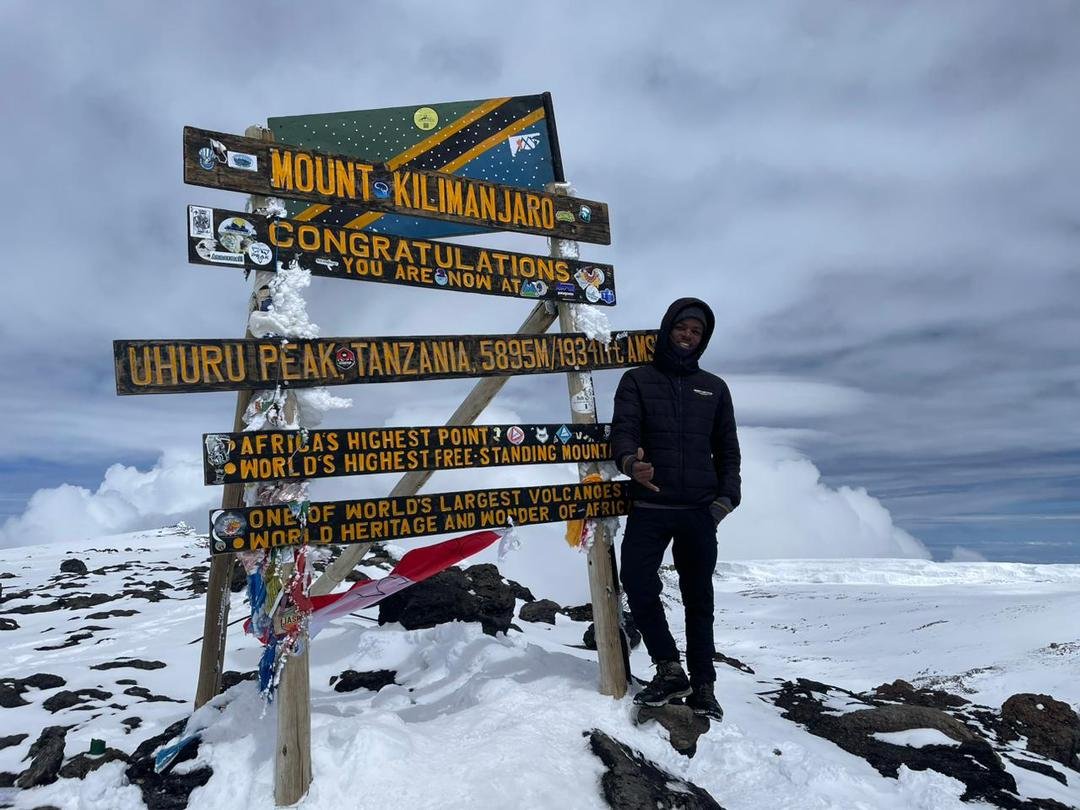
- Kilimanjaro Climbs: The best climbing seasons are typically January-March and June-October, coinciding with the dry seasons.
- Zanzibar Holidays: Zanzibar is pleasant year-round, but the driest and sunniest months are generally June to October and December to February. Avoid the heaviest rainy season (April-May).
When planning a multi-activity trip, ensure your Tanzania safari dates align with the best times for all components, or prioritize one aspect if compromises are necessary.
Making Your Choice: Finalizing Your 2026-2027 Tanzania Safari Dates
Choosing the perfect Tanzania safari dates is a personal decision that hinges on your priorities. Whether you dream of witnessing the dramatic river crossings of the Great Migration, the tender moments of the calving season, the abundant birdlife of the green season, or the dramatic elephant herds of Tarangire, there is an ideal time for you to visit.
For the most predictable and rewarding wildlife viewing, especially concerning the Great Migration, the dry season from June to October remains the top choice for Tanzania safari dates in 2026 and 2027. However, the green season offers unique advantages for budget travelers, photographers, and bird enthusiasts, with January and February being particularly spectacular for predator-prey interactions in the southern Serengeti.
At Top Guide Adventures, we specialize in crafting bespoke safari experiences tailored to your specific interests and preferred Tanzania safari dates. Whether you’re looking for a shared group departure or a private, customized journey, our expert team is ready to help you plan an unforgettable adventure. We can provide detailed itineraries, accommodation options, and pricing for your chosen Tanzania safari dates in 2026-2027.
Ready to plan your dream Tanzania safari? Contact us today to discuss your ideal travel dates and requirements. Let us help you find the perfect Tanzania safari dates for an experience you’ll cherish forever.
Get in touch:
- WhatsApp: +255616946642
- Email: topguideadventures@gmail.com
- Backup Email: info@topguideadventurestanzania.com
We look forward to helping you explore the wonders of Tanzania in 2026 or 2027!
Check Availability for Tanzania Safari Dates: Best Times To Visit In For Wildlife Viewing 2026-2027
Ready to compare dates, prices, and the best option for your group? Send the package name and travel month so the team can reply with a clear quote, availability, and what is included.



