
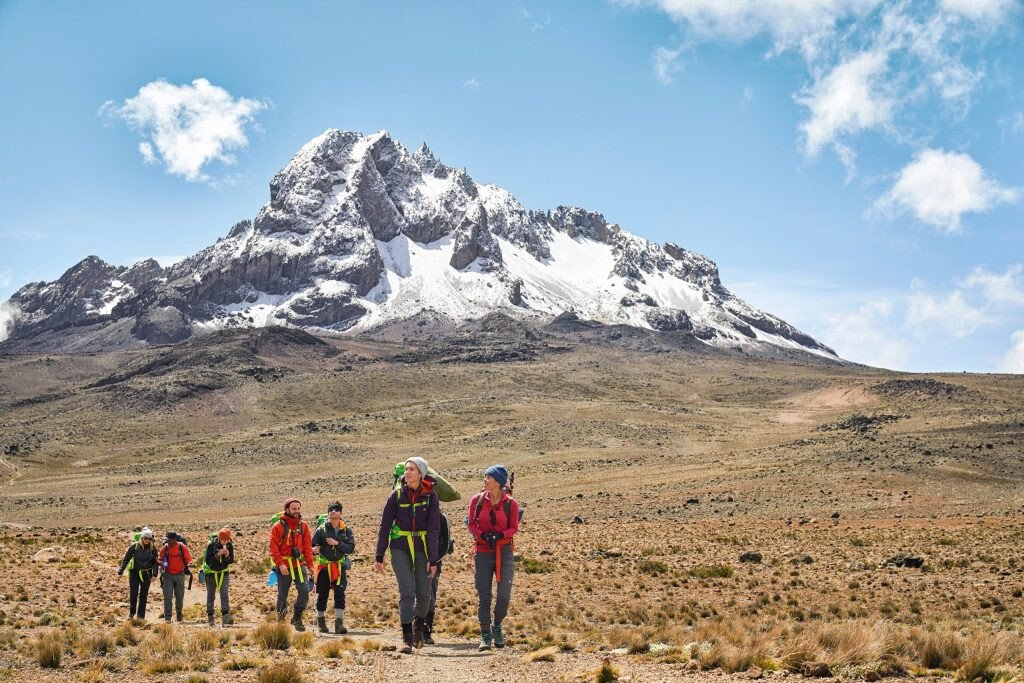
The best Kilimanjaro day hike for most visitors offers a taste of the mountain’s grandeur without the full commitment of a multi-day climb. Options typically include hiking to the Marangu Gate and ascending partway up the Marangu Route to the first huts (Mandara Huts), or a shorter trek to the Mweka Gate and a portion of the Mweka Trail. These day hikes provide stunning views, a chance to experience the unique montane environment, and can serve as excellent acclimatization for those considering a longer trek in 2026 or 2027.
Experiencing Kilimanjaro’s Majesty: The Appeal of a Day Hike
Mount Kilimanjaro, the Roof of Africa, is an iconic destination that draws adventurers from around the globe. While many dream of standing at Uhuru Peak, the full summit climb is a significant undertaking, demanding considerable time, physical preparation, and financial investment. For those with limited time, seeking a less strenuous adventure, or wanting to test their readiness for a longer expedition, a Kilimanjaro day hike presents an ideal solution. These excursions allow you to experience the mountain’s lower slopes, experience its diverse ecosystems, and capture impressive views, all within the span of a single day. In 2026 and 2027, the demand for accessible yet rewarding Kilimanjaro experiences continues to grow, making day hikes an increasingly popular choice.
A well-chosen day hike on Kilimanjaro offers several key benefits:
- Accessibility: They are far more accessible than full climbs, requiring less planning and physical conditioning.
- Time Efficiency: Perfect for those on a tight schedule, offering a significant experience in just one day.
- Acclimatization: Hiking to higher altitudes, even for a day, can help your body adjust to the thinner air, which is beneficial if you plan a longer trek later.
- Scenic Beauty: The lower slopes of Kilimanjaro boast lush rainforests, diverse wildlife, and stunning panoramic views of the surrounding plains.
- Taste of Adventure: It provides a genuine feel for the mountain environment and the trekking experience without the intense challenges of summiting.
Choosing Your Kilimanjaro Day Hike: Key Routes and Considerations
When planning a Kilimanjaro day hike, two primary routes offer the most accessible and rewarding day trekking experiences: the Marangu Route and the Mweka/Umbwe Route. Each provides a unique perspective and environmental immersion. Understanding the nuances of each will help you select the best option for your interests and fitness level.
The Marangu Route Day Hike: Rainforest to Moorland
The Marangu Route, often called the ‘Coca-Cola’ route due to its popularity and relative ease, is the most common starting point for day hikes on Kilimanjaro. This route is known for its gradual ascent and the availability of huts along its path. A day hike here typically involves starting from the Marangu Gate (1,860m / 6,100 ft) and trekking towards the first major stop, Mandara Huts (2,700m / 8,860 ft).
The Journey to Mandara Huts:
- Starting Point: Marangu Gate. This is where you’ll register and meet your guide.
- Environment: The initial part of the trek takes you through a dense, vibrant montane rainforest. Keep an eye out for colobus monkeys, various bird species, and diverse plant life. The air is typically moist and rich with the scent of damp earth and vegetation.
- Ascent: The trail is well-maintained and generally wide, making for a comfortable walk. The elevation gain is significant, approximately 840 meters (2,750 ft) over roughly 8 kilometers (5 miles) one way.
- Mandara Huts: Upon reaching Mandara Huts, you’ll find basic facilities and a chance to rest. The area surrounding the huts offers clearings with views of the surrounding vegetation and, on clear days, glimpses of the mountain’s upper reaches.
- Optional Extension: From Mandara Huts, some day hikers choose to continue a bit further towards Horombo Huts. This extension takes you into the moorland zone, offering a different landscape of heather, giant groundsels, and lobelias. However, extending too far can make the return journey very long and tiring, so it’s usually recommended to stick to Mandara Huts for a comfortable day hike.
- Return: The descent is typically quicker and can be done by following the same path back to Marangu Gate.
Why choose the Marangu Route day hike?
- It offers a substantial trek with a good elevation gain.
- The rainforest environment is rich and biodiverse.
- It provides a good introduction to Kilimanjaro’s terrain and the trekking experience.
- Mandara Huts offer a clear objective and a place to rest.
Considerations: This hike involves a significant uphill climb and descent, so a moderate level of fitness is recommended. The full round trip can take 5-7 hours, depending on pace and time spent at the huts.
The Mweka Route Day Hike: A Shorter, Steeper Forest Experience
The Mweka Route is primarily used for descent by climbers on the Machame, Lemosho, and Shira routes, but its lower section is accessible for day hikers starting from the Mweka Gate (1,640m / 5,380 ft). This day hike is generally shorter and steeper than the Marangu option, offering a different kind of forest immersion.
Exploring the Mweka Trail:
- Starting Point: Mweka Gate. This gate is often less busy than Marangu Gate.
- Environment: Like the Marangu Route, the Mweka trail begins in the dense rainforest. The vegetation is thick, and the path can be steep and sometimes muddy, especially after rain.
- Ascent: The objective for a day hike is often the Mweka Camp (3,100m / 10,170 ft). This is a longer and more strenuous day hike than reaching Mandara Huts via Marangu, involving a significant climb in altitude over a shorter distance. The trail can be challenging due to its steepness.
- Wildlife: The Mweka forest is known for its rich birdlife and is a good place to spot various monkey species.
- Return: Hikers return via the same path to Mweka Gate.
Why choose the Mweka Route day hike?
- It offers a more challenging, steeper trek for those seeking a bit more exertion.
- It provides an experience of the rainforest from a different side of the mountain.
- It can be a good option if you are staying closer to the Mweka side of the mountain.
Considerations: This is a more demanding day hike due to the steepness and potentially rough trail conditions. It requires a good level of fitness and sturdy hiking boots. The round trip can take 4-6 hours, but the effort is more concentrated.
Other Potential Day Hike Locations
While Marangu and Mweka gates are the most common access points for organized Kilimanjaro day hikes, other areas around the mountain offer opportunities for shorter walks, often focusing on specific ecological zones or viewpoints. These might include:
- Kilimanjaro National Park Headquarters (Bromo): While not a traditional day hike, visiting the park headquarters at Bromo can offer insights into conservation efforts and sometimes short, guided walks in the immediate vicinity.
- Shira Plateau Day Trip: For those with a 4×4 vehicle and a good guide, it’s sometimes possible to drive to the Shira Plateau (around 3,500m / 11,500 ft) and do a short walk there. This offers a completely different landscape – open moorland with stunning views of Kibo and Mawenzi peaks. This is a more adventurous and logistically complex day trip, usually requiring a dedicated vehicle and driver.
Planning Your Kilimanjaro Day Hike: Practicalities and Preparation
A successful Kilimanjaro day hike requires more than just showing up at the gate. Proper planning ensures a safe, enjoyable, and memorable experience. Here’s what you need to consider for your 2026 or 2027 adventure.
Booking Your Day Hike: Working with a Local Operator
While it’s technically possible to arrange a day hike independently upon arrival, it is highly recommended to book through a reputable local tour operator like Top Guide Adventures. This ensures:
- Permits and Fees: Operators handle all necessary park entry fees and trekking permits, which can be complex to navigate independently. For 2026-2027, park fees are subject to change, and having an operator manage this is crucial.
- Experienced Guides: You’ll be accompanied by qualified, licensed guides who know the routes, safety protocols, and local flora and fauna.
- Logistics: Transportation to and from the gate, packed lunches, and water are typically included.
- Safety: Operators are equipped to handle minor emergencies and have communication protocols in place.
When contacting operators for a Kilimanjaro day hike, be clear about your desired route, fitness level, and any specific interests (e.g., birdwatching, photography). For inquiries, you can reach Top Guide Adventures via WhatsApp at +255616946642 or email at topguideadventures@gmail.com.
Essential Gear for a Day Hike
Even for a short trek, the mountain environment can be unpredictable. Packing the right gear is essential. For a Kilimanjaro day hike, consider the following:
- Footwear: Sturdy, broken-in hiking boots are crucial to protect your feet and provide ankle support, especially on uneven terrain.
- Clothing: Layering is key. Even on a warm day, temperatures can drop as you gain altitude or if the weather changes. Include:
- Moisture-wicking base layers
- A warm mid-layer (fleece or down jacket)
- A waterproof and windproof outer shell (jacket and trousers)
- Comfortable hiking trousers (avoid jeans)
- A hat for sun protection and a warm hat for cooler altitudes
- Backpack: A comfortable daypack (20-30 liters) to carry essentials like water, snacks, extra layers, a camera, and a first-aid kit.
- Hydration: At least 2-3 liters of water. Consider a hydration reservoir or water bottles. Electrolyte supplements can be beneficial.
- Food: High-energy snacks like nuts, dried fruit, energy bars, and a packed lunch. Your tour operator will likely provide this.
- Sun Protection: High SPF sunscreen, sunglasses, and a wide-brimmed hat.
- Insect Repellent: Especially for the rainforest sections.
- Camera: To capture the stunning scenery.
- Trekking Poles: Highly recommended, especially for the descent, as they reduce strain on your knees.
- Small First-Aid Kit: Including any personal medications, blister treatment, and pain relievers.
Fitness and Acclimatization
While a Kilimanjaro day hike is not as demanding as a summit climb, it still requires a reasonable level of fitness. You should be comfortable walking for several hours uphill and downhill on varied terrain. If you are planning a longer Kilimanjaro climb in 2026 or 2027, a day hike can serve as excellent practice and acclimatization. Even a few days spent at moderate altitudes around Moshi or Arusha before your day hike can help your body adjust. Listen to your body during the hike; if you experience symptoms of altitude sickness (headache, nausea, dizziness), inform your guide immediately.
Best Time of Year for a Kilimanjaro Day Hike
Kilimanjaro can be climbed year-round, but certain periods offer more favorable weather conditions, enhancing the experience of a Kilimanjaro day hike.
- Dry Seasons: The primary dry seasons are from January to March and June to October. These months generally offer clearer skies, less rain, and more comfortable temperatures, providing the best visibility for scenic views.
- Wet Seasons: April, May, and November are typically the wettest months. While still possible, expect rain, mud, and potentially reduced visibility. The rainforest can be particularly lush and beautiful during these times, but trails can be challenging.
For planning your Kilimanjaro day hike in 2026 or 2027, aiming for the dry seasons will maximize your chances of enjoying the spectacular landscapes and views. However, even in the wet season, a day hike can be a rewarding experience, offering a different perspective of the mountain’s vibrant ecosystems.
What to Expect During Your Kilimanjaro Day Hike
A Kilimanjaro day hike is a full-day adventure that offers a unique glimpse into the mountain’s diverse zones. From the moment you start at the gate to your return, the experience is designed to be engaging and visually rewarding.
The Start: Marangu or Mweka Gate Experience
Your day begins early, usually with a transfer from your accommodation in Moshi or Arusha to the chosen gate. At the gate, you’ll complete registration formalities, and your guide will conduct a final check of your gear and readiness. There’s often a briefing on the day’s plan, safety procedures, and what to expect. The atmosphere is usually one of excitement and anticipation as you prepare to step onto the mountain.
Trekking Through Ecosystems
The most striking aspect of a Kilimanjaro day hike is the rapid transition through distinct ecological zones. As you ascend:
- Cultivation Zone: The lower slopes are farmed by local communities, with bananas, coffee, and maize. This zone quickly gives way to the rainforest.
- Rainforest (Montane Forest): This is a lush, dense environment teeming with life. Giant trees are draped with moss and epiphytes. You’ll likely hear and see various monkey species, including the black-and-white colobus monkey, and a rich array of birdlife. The air is humid and cool.
- Moorland Zone: As you climb higher, the trees become sparser, replaced by heather, grasses, and unique giant plants like the giant groundsels and lobelias. This zone offers more open views of the surrounding landscape. On the Marangu route, reaching Mandara Huts places you at the transition between rainforest and moorland.
Views and Vistas
Even on a day hike, the potential for spectacular views is immense. On clear days, you can see:
- The vast plains of Tanzania stretching out below.
- The towns of Moshi and Arusha.
- The neighboring mountain, Mount Meru.
- The rugged peaks of Kilimanjaro’s other volcanic cones, like Mawenzi.
- On very clear days, and from higher points, you might even catch a glimpse of the snow-capped summit of Kibo.
The weather on Kilimanjaro can change rapidly. Clouds can roll in, obscuring views, but they can also create dramatic and beautiful atmospheric effects. Be prepared for a mix of sunshine, cloud, and possibly rain.
Lunch and Breaks
Your guide will lead you on regular, short breaks to rest, hydrate, and enjoy the scenery. A substantial packed lunch will be provided by your operator, allowing you to refuel amidst the mountain’s beauty. These breaks are also opportunities to ask your guide questions about the local environment, culture, or the mountain itself.
The Descent
The descent is often quicker than the ascent but can be harder on the knees. Trekking poles are invaluable here, providing stability and reducing impact. You’ll retrace your steps, often seeing the landscape in a new light as you move back down through the ecological zones. The return to the gate marks the end of your Kilimanjaro day hike adventure.
Comparing Kilimanjaro Day Hikes vs. Full Climbs
Understanding the differences between a day hike and a full summit climb is crucial for setting expectations and choosing the right Kilimanjaro experience. While both offer a connection to Africa’s highest peak, they cater to vastly different needs and levels of commitment.
| Feature | Kilimanjaro Day Hike | Kilimanjaro Full Summit Climb |
|---|---|---|
| Duration | Typically 4-8 hours (one day) | 5-9 days (or more, depending on the route) |
| Objective | Experience lower slopes, rainforest, views; acclimatization. | Reach Uhuru Peak (5,895m / 19,341 ft). |
| Altitude Reached | Up to ~3,100m (Mweka Camp) or ~3,000m (Mandara Huts). | Up to 5,895m (Uhuru Peak). |
| Physical Demand | Moderate; requires good walking fitness. | Very High; requires excellent cardiovascular fitness, endurance, and mental fortitude. |
| Acclimatization Needs | Minimal; can help with future climbs. | Critical; requires careful pacing and gradual ascent. |
| Gear Requirements | Daypack essentials, comfortable hiking clothes, sturdy boots. | Extensive gear list: 4-season clothing, specialized boots, sleeping bag, etc. |
| Cost | Relatively low (permits, guide, transport, lunch). Typically $100-$250 USD per person. | Significant (permits, guide, porters, food, accommodation, transport). Typically $1,500 – $4,000+ USD per person. |
| Risk of Altitude Sickness | Low to Moderate (depending on altitude reached). | High; significant risk requires careful management. |
| Environmental Exposure | Limited to one day, lower altitudes, less extreme conditions. | Extreme; prolonged exposure to cold, wind, sun, and altitude. |
For travelers in 2026-2027 looking for a taste of Kilimanjaro without the extreme challenge, a Kilimanjaro day hike is the clear choice. For those aiming for the summit, it’s a stepping stone, a preliminary taste of the mountain’s allure.
Frequently Asked Questions About Kilimanjaro Day Hikes
Here are answers to common questions regarding day hikes on Kilimanjaro, relevant for planning your 2026-2027 trips.
What is the easiest Kilimanjaro day hike?
The easiest Kilimanjaro day hike is generally considered to be the trek from Marangu Gate to Mandara Huts and back. The trail is well-maintained, less steep than other options, and passes through a beautiful rainforest environment. It offers a good balance of exertion and scenic reward for a single day.
How much does a Kilimanjaro day hike cost in 2026-2027?
The cost of a Kilimanjaro day hike typically ranges from $100 to $250 USD per person. This price usually includes park entry fees (which are substantial), a licensed guide, a porter (if needed for carrying lunch/water), and a packed lunch. Transportation to and from the gate may be extra depending on your tour operator and location. It’s essential to confirm all inclusions with your chosen operator like Top Guide Adventures.
Can I do a day hike to the summit of Kilimanjaro?
No, it is impossible to do a day hike to the summit of Kilimanjaro. The summit (Uhuru Peak) is at 5,895 meters (19,341 feet) and requires multiple days of trekking and acclimatization to reach safely. Day hikes only go to the lower slopes of the mountain, typically reaching altitudes around 3,000 meters (approx. 9,800 feet) at most.
What is the best time of year for a Kilimanjaro day hike?
The best time for a Kilimanjaro day hike is during the dry seasons: January to March and June to October. These months offer the clearest skies and most pleasant weather. However, day hikes are possible year-round, with the rainy seasons (April-May, November) offering lush scenery but potentially challenging trail conditions.
Do I need to be very fit for a Kilimanjaro day hike?
You need a moderate level of fitness for a Kilimanjaro day hike. This means being able to walk uphill and downhill for 4-8 hours with elevation changes of up to 1,000 meters (3,280 feet). If you can comfortably walk for a few hours without significant fatigue, you should be able to complete a day hike. Trekking poles are highly recommended to ease the strain, especially on the descent.
What wildlife can I see on a Kilimanjaro day hike?
On a Kilimanjaro day hike, especially through the rainforest sections (Marangu or Mweka routes), you have a good chance of spotting wildlife. Common sightings include various species of monkeys, such as the black-and-white colobus monkey and Sykes’ monkey. You may also see various colorful birds, and occasionally, signs of larger mammals like bushbucks or duikers, though these are more elusive.
Preparing for Your 2026-2027 Kilimanjaro Day Hike Adventure
A Kilimanjaro day hike, while shorter than a full climb, still demands preparation to ensure it’s a positive and safe experience. Top Guide Adventures is dedicated to helping you make the most of your adventure, whether it’s a single day on the mountain or the start of a longer journey.
Consider the following for your 2026 or 2027 trip:
- Physical Readiness: Engage in regular cardiovascular exercise and hiking in the months leading up to your trip. Focus on activities that build stamina and leg strength.
- Mental Preparation: Understand the route, potential challenges, and the importance of listening to your guide. A positive mindset is crucial.
- Logistical Coordination: Confirm your booking details, including transport, meeting times, and what your operator provides. Ensure you have confirmed your arrangements well in advance, especially for peak seasons in 2026 and 2027.
- Altitude Awareness: Even on a day hike, be mindful of how you feel as you ascend. Hydrate well and communicate any discomfort to your guide immediately.
Choosing a Reputable Operator for Your Day Hike
Selecting the right tour operator is paramount for a safe and enjoyable Kilimanjaro day hike. A reliable operator ensures you have:
- Licensed and Experienced Guides: Knowledgeable guides who prioritize safety and enhance your experience.
- Proper Permits and Fees: All necessary documentation handled efficiently.
- Quality Equipment: Though minimal for a day hike, ensure guides are equipped with first-aid kits and communication devices.
- Clear Communication: Transparent pricing and detailed itineraries.
Top Guide Adventures prides itself on providing personalized service and expert guidance for all Kilimanjaro treks, including day hikes. We understand the mountain and are committed to ensuring your safety and enjoyment. For inquiries or to book your Kilimanjaro day hike for 2026 or 2027, please reach out:
- WhatsApp: +255616946642
- Email: topguideadventures@gmail.com
- Backup Email: info@topguideadventurestanzania.com
We also offer a wide range of other services, including comprehensive Kilimanjaro climbs, Tanzania safaris, and tailor-made itineraries across Tanzania. Explore more on our website: Top Guide Adventures Tanzania.
The Value of a Day Hike for Future Climbers
For many, a Kilimanjaro day hike is a reconnaissance mission. It’s a chance to:
- Assess Fitness: Gauge your body’s response to altitude and exertion.
- Test Gear: See how your hiking boots and daypack perform.
- Experience the Mountain: Understand the unique atmosphere and challenges of Kilimanjaro.
- Build Confidence: Gain confidence in your ability to undertake a longer trek.
If your dream is to summit Kilimanjaro in 2026 or 2027, starting with a day hike is a wise and rewarding step. It provides valuable insights and a memorable experience that fuels the ambition for the ultimate goal.
Whether you’re seeking a brief encounter with the majesty of Kilimanjaro or preparing for a more significant challenge, a Kilimanjaro day hike offers an accessible and unforgettable adventure. Plan your trip with experts who know the mountain best.
Check Availability for Best Kilimanjaro Day Hike Options For A Taste Of The Summit In 2026-2027
Ready to compare dates, prices, and the best option for your group? Send the package name and travel month so the team can reply with a clear quote, availability, and what is included.
Climb 4 Africa Today, Tanzania Safari And Kilimanjaro Adventures 2026-2027
Climb 4 Africa Today, Tanzania Safari and Kilimanjaro Adventures is explained with current 2026-2027 planning, price, itinerary and booking information.
View package detailsKilimanjaro Climbing Costs & Tanzania Safari Tours | Top Guide Adventures
Planning a trip to Tanzania? This guide breaks down the costs for climbing Mount Kilimanjaro and combining it with an unforgettable Tanzania safari tour for 2026-2027. Learn about pricing...
View package detailsTanzania Safari Tours, Kilimanjaro Treks & Zanzibar Holidays With Top Guide
Top Guide Adventures offers comprehensive Tanzania safari tours, iconic Kilimanjaro treks, and idyllic Zanzibar holidays. Discover the best of East Africa with personalized itineraries...
View package detailsDiscount Tanzania Treks And Affordable Safari Packages In 2026-2027
Discover how to plan discount Tanzania treks and affordable safari packages for your 2026-2027 adventure. This comprehensive guide covers budget-friendly options for iconic destinations...
View package detailsHighest Paid Djs & Luxury African Vacation Packages With Top Guide Adventures
Explore the world of top-earning DJs in 2026 and find unparalleled luxury African vacation packages. Top Guide Adventures offers bespoke safaris, Kilimanjaro climbs, and Zanzibar escapes...
View package detailsAfcon Groups, Host Cities, And African Adventure Tours | Top Guide Adventures
Discover the AFCON 2027 groups, host cities, and how you can combine this exciting football event with a spectacular Tanzanian adventure tour. Top Guide Adventures offers tailored safaris...
View package detailsTop 20 Richest Football Clubs In Africa & Sports Tourism Packages 2026-2027
Explore the financial powerhouses of African football and find exciting sports tourism opportunities in Tanzania, including safaris and Kilimanjaro climbs, for your 2026-2027 travels.
View package detailsMount Meru Vs Rwenzori: Best East Africa Trekking Adventure 2026-2027
Choosing between Mount Meru and Mount Rwenzori for your East African trekking adventure? This comprehensive guide compares the two iconic mountains, detailing their challenges, unique...
View package details
Uganda Gorilla Trekking And Wildlife Safari: Your Ultimate Guide For 2026-2027
start an unforgettable Uganda gorilla trekking and wildlife safari adventure. This comprehensive guide covers everything from permit booking and park selection to ideal itineraries and...
View package detailsNo related package matches those filters. Clear one or more filters to see the other topic-matched options.



