
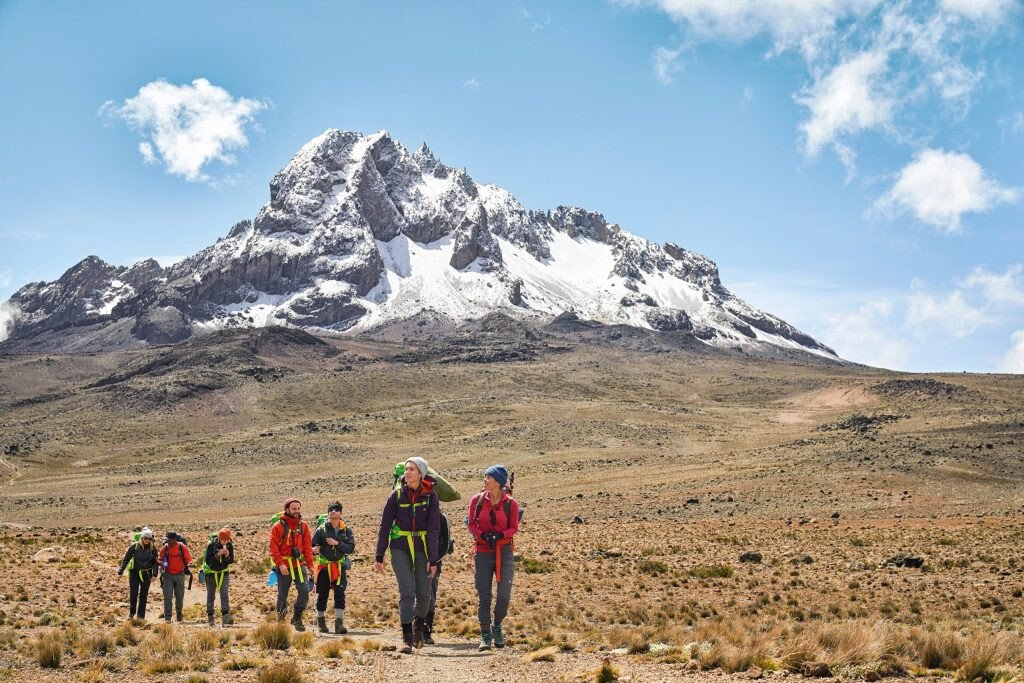
The best hiking Kilimanjaro cost for 2026-2027 typically ranges from $1,800 to $4,500 per person for a standard package covering 5 to 9-day treks on popular routes like Machame or Lemosho, including park fees, guides, porters, food, and accommodation on the mountain. Higher costs often reflect longer routes, premium services, smaller group sizes, and more inclusive packages, while budget options may offer fewer inclusions or utilize less experienced teams.
Understanding Kilimanjaro Climb Costs: What Drives the Price for 2026-2027
When budgeting for an adventure to the Roof of Africa, understanding the ‘best hiking Kilimanjaro cost’ involves more than just a single number. The price you pay is a reflection of numerous factors, each contributing to the overall experience, safety, and success of your climb. For prospective trekkers in 2026 and 2027, a clear grasp of these elements is crucial for making an informed decision and selecting a tour operator that offers genuine value.
At Top Guide Adventures, we believe in transparency. The cost of climbing Kilimanjaro is not arbitrary; it’s built upon essential services and operational necessities. These include:
- Park Entrance Fees: These are non-negotiable government charges set by Kilimanjaro National Park (KINAPA).
- Guide and Porter Wages: Fair compensation for the dedicated team who ensure your safety and comfort.
- Food and Cooking Equipment: Nutritious meals prepared on the mountain.
- Camping Equipment: High-quality tents, sleeping mats, and mess tents.
- Transportation: Transfers to and from the mountain gate and your accommodation.
- Emergency Support: Including oxygen, first-aid kits, and communication devices.
- Pre- and Post-Climb Accommodation: Often included in mid-range to premium packages.
- Operator’s Profit Margin and Overhead: Covering administration, marketing, and sustainable business practices.
The ‘best’ cost is one that provides a safe, enjoyable, and successful ascent without compromising on the welfare of the climbing crew or the integrity of the mountain environment. Extremely low prices can sometimes signal compromises in these critical areas.
Kilimanjaro Route Choice: A Major Factor in Your Climb Cost
The route you choose to ascend Kilimanjaro significantly impacts the overall cost of your climb. Longer routes generally cost more due to the increased number of days required, which translates to more logistical support, food, and staff wages. However, they also offer higher success rates due to their gradual acclimatization profiles.
Here’s how popular routes stack up in terms of typical cost implications for 2026-2027 climbs:
Shorter, More Affordable Routes (Typically 5-6 Days)
Marangu Route: Often the most budget-friendly option due to its hut accommodation and shorter duration (5 days). However, its rapid ascent profile leads to lower success rates. While some operators might offer lower prices, consider the trade-off in acclimatization.
Machame Route: A very popular choice, typically 6 or 7 days. The 6-day version is more cost-effective than the 7-day option, but the latter significantly boosts acclimatization and success rates. It offers camping and is generally considered a good balance of cost and success.
Mid-Range Cost Routes (Typically 7-8 Days)
Lemosho Route: A highly recommended route for its scenic beauty and excellent acclimatization, usually 7 or 8 days. The 8-day Lemosho offers superior acclimatization and thus higher success rates, making its cost slightly higher but often worth the investment for a better experience.
Shira Route: Similar to Lemosho but starts at a higher altitude. Typically 7 or 8 days. Costs are comparable to Lemosho, with the longer duration offering better acclimatization.
Higher Cost, Higher Success Rate Routes (Typically 8-9+ Days)
Rongai Route: Approaches from the north, often a good option during the rainy season. Typically 6 or 7 days. The 7-day Rongai is more expensive but provides better acclimatization than the 6-day version.
Northern Circuit: The longest and arguably the best route for acclimatization and success rates, typically 9 days or more. Its extended duration means it is one of the most expensive options, but it offers a more relaxed pace and unparalleled views.
The Grand Traverse: Combines Lemosho and Shira, offering a comprehensive experience and excellent acclimatization over 9-10 days, placing it in the higher cost bracket.
For 2026-2027 climbs, budgeting for a 7 or 8-day trek on routes like Machame or Lemosho often represents the ‘best’ balance of cost, acclimatization, and overall experience for most hikers. Expect these to fall within the $2,200 – $3,500 range per person.
Kilimanjaro Operator Tiers: How Service Level Affects Cost
The choice of tour operator is perhaps the most significant variable influencing the best hiking Kilimanjaro cost. Operators fall into different tiers, largely determined by the quality of service, safety standards, team welfare, and inclusions.
Budget Operators ($1,500 – $2,000 per person)
These operators often focus on offering the lowest possible price. While tempting, they may:
- Use fewer guides per climber (sometimes exceeding the recommended 1:12 ratio).
- Provide lower-quality food and equipment.
- Offer minimal safety equipment or emergency support.
- Potentially pay their porters and guides less, impacting crew morale and performance.
- Have less experienced logistical teams.
For 2026-2027, choosing a budget operator requires careful due diligence to ensure safety is not compromised.
Mid-Range Operators ($2,000 – $3,500 per person)
This is where most reputable companies, including Top Guide Adventures, position themselves. Mid-range operators typically offer:
- Adherence to or exceeding recommended guide-to-climber ratios (e.g., 1:10 or better).
- Quality food and reliable camping gear.
- Comprehensive safety protocols, including oxygen systems and regular health checks.
- Fair wages and ethical treatment for porters and guides.
- Experienced guides with high success rates.
- Good pre- and post-climb support.
This tier often provides the best value for money, ensuring a safe and memorable experience for 2026-2027 expeditions.
Premium/Luxury Operators ($3,500 – $5,000+ per person)
These operators offer a higher level of comfort and service. Expect:
- Smaller group sizes.
- Superior quality tents and equipment.
- More elaborate meal options.
- Potentially private toilet tents.
- Higher guide-to-climber ratios (e.g., 1:6).
- Enhanced communication systems and more advanced medical support.
- Often include pre- and post-climb hotel stays.
While the cost is higher, these packages cater to those seeking maximum comfort and personalized attention during their 2026-2027 Kilimanjaro climb.
Essential Inclusions: What Your Kilimanjaro Cost Should Cover
The ‘best hiking Kilimanjaro cost’ is one that clearly outlines what is included. A comprehensive package provides peace of mind and prevents unexpected expenses on the mountain. For 2026-2027, a reputable operator should include:
Standard Inclusions for Most Reputable Operators:
- Park Fees: Kilimanjaro National Park entry, camping/hut fees, and rescue fees. These are substantial and form a significant part of the cost.
- Guides: Licensed, experienced guides trained in first aid and altitude sickness management. You’ll typically have at least two lead guides for safety.
- Porters: Sufficient porters to carry group equipment, food, and your personal duffel bag (usually up to 15kg).
- Cook: A dedicated cook to prepare all meals on the mountain.
- Food: Three nutritious meals per day (breakfast, lunch, dinner) plus snacks and purified drinking water.
- Camping Equipment: High-quality tents (sleeping tents, mess tent, toilet tent), sleeping mats, dining tables, and chairs.
- Safety Equipment: First-aid kit, portable oxygen cylinders, and communication devices (e.g., satellite phone or radio).
- Accommodation: Camping fees on the mountain. Some packages might include a night in a hotel before and after the climb.
- Transportation: Return transfers from Moshi/Arusha to the Kilimanjaro National Park gate.
- Crew Welfare: Ensuring guides and porters are properly clothed, fed, and insured.
Common Exclusions: What to Budget for Separately
To accurately calculate your total Kilimanjaro cost for 2026-2027, be aware of common exclusions:
Typical Exclusions:
- International Flights: Your travel to and from Kilimanjaro International Airport (JRO).
- Visa Fees: If applicable for your nationality.
- Travel Insurance: Essential for high-altitude trekking and medical emergencies. Ensure it covers high-altitude trekking up to 6,000m.
- Personal Gear: Sleeping bag, hiking boots, warm clothing, waterproofs, backpack, trekking poles, headlamp, etc. (Operators may offer rentals for some items).
- Tips for Guides and Porters: This is a significant and customary part of the cost. Budget approximately $250-$400 per climber for the entire crew.
- Lunches and Dinners in Town: If pre/post-climb hotel stays are included, meals outside the mountain are often not.
- Personal Expenses: Souvenirs, extra drinks, laundry, etc.
- Optional Vaccinations or Medications.
- Emergency Evacuation Insurance: While basic rescue fees are usually included, comprehensive evacuation insurance is highly recommended and often separate.
Cost Breakdown: Park Fees, Crew Wages, and Logistics
A significant portion of your Kilimanjaro cost is allocated to park fees and the operational expenses of running a safe and ethical climb. For 2026-2027, these costs are largely determined by Kilimanjaro National Park Authority (KINAPA) regulations.
Approximate Cost Distribution (per person for a 7-day climb):
- Park Fees (Entry, Camping, Rescue): 30-40% (This can be upwards of $1,000 for a 7-day climb).
- Guide & Porter Wages & Welfare: 25-35% (Ensuring fair pay and adequate provisions).
- Food & Cooking Supplies: 10-15%.
- Equipment (Tents, Mats, etc.): 5-10% (Wear and tear, maintenance).
- Transportation: 3-5%.
- Operator Overhead & Profit: 10-20%.
Understanding this breakdown helps appreciate why extremely low prices are often unsustainable or come with hidden compromises. For instance, park fees alone are substantial, and cutting costs here is impossible for legitimate operators.
Tipping Guidelines for Kilimanjaro Crew (2026-2027)
Tipping is a crucial part of the Kilimanjaro climbing culture and a significant income source for guides, porters, and cooks. While not always explicitly included in the initial ‘best hiking Kilimanjaro cost’, it’s a mandatory budget item. Reputable operators ensure their staff are paid a fair wage, but tips are a way to show appreciation for excellent service.
Here are general tipping guidelines for 2026-2027:
Recommended Tipping Amounts (Per Climber, Per Trip):
- Lead Guide: $20 – $30 per day
- Assistant Guide(s): $15 – $25 per day (per assistant guide)
- Cook: $15 – $20 per day
- Porters: $10 – $15 per day (per porter)
Total Estimated Tips: For a 7-day climb, this can range from $250 to $400 per climber. It’s often best to pool the money and hand it out as a group on the last day, with the lead guide helping to distribute it amongst the crew.
Important: Always confirm the operator’s specific tipping policy and recommendations. Some may offer a pre-calculated tip amount.
Factors Influencing Kilimanjaro Costs in 2026-2027
Beyond the route and operator choice, several other factors can influence the final cost of your Kilimanjaro climb:
- Group Size: Climbing solo or in a very small private group will always be more expensive per person than joining a larger scheduled group. Shared or group departures offer the best hiking Kilimanjaro cost for individuals.
- Season: While park fees remain constant, some operators might adjust prices slightly for peak seasons (January-March, June-October) due to higher demand. However, reputable operators maintain consistent pricing based on service level.
- Duration: Longer treks, especially on routes like the Northern Circuit, inherently cost more due to increased days on the mountain.
- Inclusions: Packages that include pre/post-climb hotel stays, airport transfers, or gear rentals will naturally be priced higher than basic packages.
- Operator Origin: Local Tanzanian operators (like Top Guide Adventures) often offer more competitive pricing than international operators who may have higher overheads, while still maintaining high standards.
Comparing Kilimanjaro Costs: What to Look For
When comparing quotes for your 2026-2027 Kilimanjaro climb, don’t just look at the bottom line. A thorough comparison involves scrutinizing what’s included and the operator’s reputation.
Key Comparison Points:
- Park Fees: Are they clearly itemized and included?
- Guide Ratios: What is the ratio of guides to climbers? Lower is better for safety.
- Crew Welfare: Does the operator have a clear policy on fair wages and treatment for porters and guides? Look for certifications like Kilimanjaro Porters Assistance Project (KPAP) affiliation.
- Safety Measures: What emergency equipment is carried? Is there a policy for oxygen use? What is the emergency evacuation plan?
- Equipment Quality: Are tents, sleeping mats, and cooking gear of good quality?
- Food: What is the typical meal plan?
- Pre/Post-Climb Support: What is included in terms of accommodation and transfers?
- Reviews and Reputation: Check independent reviews on platforms like TripAdvisor.
- Success Rate Claims: Be wary of operators guaranteeing success rates; these are highly dependent on individual acclimatization and effort.
At Top Guide Adventures, we pride ourselves on transparent pricing and a commitment to ethical climbing practices. Our packages for 2026-2027 are designed to offer the best hiking Kilimanjaro cost by balancing quality, safety, and value.
Calculating Your Total Kilimanjaro Budget for 2026-2027
To get a realistic total budget, sum up the estimated costs:
Estimated Total Budget Breakdown (per person):
- Climb Package: $1,800 – $4,500 (depending on route, duration, and operator)
- Tips for Crew: $250 – $400
- Personal Gear Purchase/Rental: $200 – $500 (if you need to buy most items)
- Travel Insurance: $100 – $250
- International Flights: Varies greatly based on origin.
- Pre/Post-Climb Hotels (if not included): $50 – $150 per night.
- Miscellaneous (Visas, Souvenirs, Meals in town): $100 – $300
Therefore, a reasonable total budget for a standard Kilimanjaro climb in 2026-2027, excluding international flights, could range from approximately $2,500 to $6,000+ per person.
Booking Your Kilimanjaro Climb: Timing and Considerations for 2026-2027
Booking your Kilimanjaro adventure well in advance is highly recommended, especially for 2026 and 2027 climbs. This allows you to:
- Secure your preferred dates and routes.
- Take advantage of early booking opportunities (though discounts are less common for Kilimanjaro climbs compared to other tours).
- Have ample time to prepare physically and gather necessary gear.
- Spread the cost over a longer period.
Top Guide Adventures recommends booking at least 6-12 months in advance for 2026-2027 expeditions to ensure availability, particularly for popular group departures. For a personalized quote and to discuss the best hiking Kilimanjaro cost for your specific needs, reach out to our team.
Making the ‘Best’ Choice: Value Over Price
The ‘best hiking Kilimanjaro cost’ is not simply the cheapest. It’s the cost that represents the best overall value, ensuring your safety, the well-being of the mountain crew, and a high probability of reaching the summit. Investing in a reputable operator for your 2026-2027 climb is an investment in a special experience.
At Top Guide Adventures, we are committed to providing exceptional service, ethical operations, and unforgettable Kilimanjaro experiences. We are passionate about making your dream of climbing Kilimanjaro a reality in 2026 or 2027. For detailed itineraries, personalized quotes, and expert advice on planning your climb, please contact us:
- WhatsApp: +255616946642
- Email: topguideadventures@gmail.com or info@topguideadventurestanzania.com
Let us help you plan the perfect Kilimanjaro adventure that fits your budget and exceeds your expectations.
Check Availability for Best Hiking Kilimanjaro Cost: Budget & Inclusions Guide 2026-2027
Ready to compare dates, prices, and the best option for your group? Send the package name and travel month so the team can reply with a clear quote, availability, and what is included.
Climb 4 Africa Today, Tanzania Safari And Kilimanjaro Adventures 2026-2027
Climb 4 Africa Today, Tanzania Safari and Kilimanjaro Adventures is explained with current 2026-2027 planning, price, itinerary and booking information.
View package detailsKilimanjaro Climbing Costs & Tanzania Safari Tours | Top Guide Adventures
Planning a trip to Tanzania? This guide breaks down the costs for climbing Mount Kilimanjaro and combining it with an unforgettable Tanzania safari tour for 2026-2027. Learn about pricing...
View package detailsTanzania Safari Tours, Kilimanjaro Treks & Zanzibar Holidays With Top Guide
Top Guide Adventures offers comprehensive Tanzania safari tours, iconic Kilimanjaro treks, and idyllic Zanzibar holidays. Discover the best of East Africa with personalized itineraries...
View package detailsDiscount Tanzania Treks And Affordable Safari Packages In 2026-2027
Discover how to plan discount Tanzania treks and affordable safari packages for your 2026-2027 adventure. This comprehensive guide covers budget-friendly options for iconic destinations...
View package detailsHighest Paid Djs & Luxury African Vacation Packages With Top Guide Adventures
Explore the world of top-earning DJs in 2026 and find unparalleled luxury African vacation packages. Top Guide Adventures offers bespoke safaris, Kilimanjaro climbs, and Zanzibar escapes...
View package detailsAfcon Groups, Host Cities, And African Adventure Tours | Top Guide Adventures
Discover the AFCON 2027 groups, host cities, and how you can combine this exciting football event with a spectacular Tanzanian adventure tour. Top Guide Adventures offers tailored safaris...
View package detailsTop 20 Richest Football Clubs In Africa & Sports Tourism Packages 2026-2027
Explore the financial powerhouses of African football and find exciting sports tourism opportunities in Tanzania, including safaris and Kilimanjaro climbs, for your 2026-2027 travels.
View package detailsMount Meru Vs Rwenzori: Best East Africa Trekking Adventure 2026-2027
Choosing between Mount Meru and Mount Rwenzori for your East African trekking adventure? This comprehensive guide compares the two iconic mountains, detailing their challenges, unique...
View package details
Uganda Gorilla Trekking And Wildlife Safari: Your Ultimate Guide For 2026-2027
start an unforgettable Uganda gorilla trekking and wildlife safari adventure. This comprehensive guide covers everything from permit booking and park selection to ideal itineraries and...
View package detailsNo related package matches those filters. Clear one or more filters to see the other topic-matched options.



