
A Tarangire day trip from Arusha is an excellent way to experience Tanzania’s diverse wildlife, particularly its large elephant herds and iconic baobab trees, within a single day. Typically, this involves an early morning departure from Arusha, a drive to Tarangire National Park (about 2-3 hours), a full day of game driving to observe animals, and a return to Arusha in the late afternoon or early evening, making it a compact yet rewarding safari adventure for 2026-2027.
Why Choose a Tarangire Day Trip from Arusha?
When planning a safari in Tanzania, the sheer number of incredible parks can be overwhelming. For travelers with limited time or those looking for a concentrated dose of the wild, a Tarangire day trip from Arusha stands out as a prime option. Tarangire National Park, often called the ‘Land of Giants’ due to its massive elephant populations and towering baobab trees, offers a distinct and memorable safari experience that can be fully appreciated even within a single day. This park provides a fantastic introduction to Tanzania’s renowned wildlife viewing opportunities without the need for overnight stays, making it ideal for those on tighter schedules or seeking a convenient add-on to other adventures like climbing Kilimanjaro or exploring Zanzibar.
The appeal of a Tarangire day trip lies in its accessibility and the concentration of wildlife. Located a manageable distance from Arusha, the main safari gateway town, the park is easily reached for a full day’s exploration. Unlike some of the more distant or expansive parks, Tarangire packs a significant punch in terms of animal sightings within its borders. It’s particularly famous for its large herds of elephants, which can number in the hundreds, especially during the dry season when they congregate around the Tarangire River. Beyond elephants, visitors can expect to see lions, leopards, cheetahs, giraffes, zebras, wildebeest, numerous antelope species, and a dazzling array of birds.
For many, the visual spectacle of the ancient baobab trees, often called the ‘upside-down trees’, adds another layer of unique charm to Tarangire. These majestic trees dot the landscape, providing a dramatic backdrop to the wildlife encounters. A day trip allows ample time to traverse different areas of the park, seeking out these natural wonders and the creatures that inhabit them. With careful planning and the expertise of a trusted tour operator like Top Guide Adventures, a Tarangire day trip from Arusha can be as fulfilling and exciting as a multi-day safari, offering a perfect snapshot of Tanzania’s natural heritage in 2026 or 2027.
What to Expect on Your Tarangire Day Trip
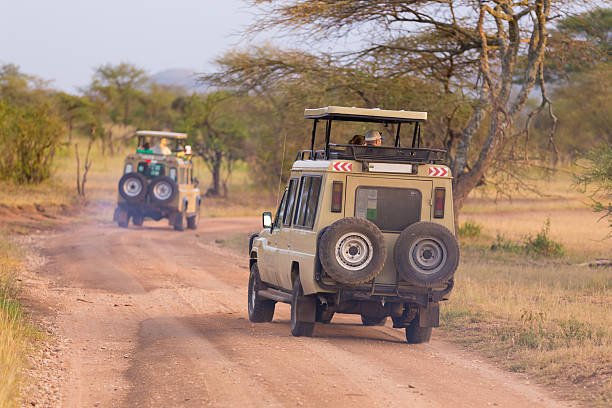
A typical Tarangire day trip is designed for maximum wildlife viewing efficiency, balancing travel time with park exploration. The journey begins very early, usually between 6:00 AM and 7:00 AM, to make the most of daylight hours and the active periods of wildlife. Your chosen safari vehicle, typically a 4×4 Land Cruiser or Land Rover, will pick you up from your accommodation in Arusha. These vehicles are specifically adapted for safari, offering high ground clearance, pop-up roofs for unobstructed viewing and photography, and comfortable seating.
The drive from Arusha to Tarangire National Park takes approximately 2 to 3 hours, depending on road conditions and traffic. The route itself offers glimpses into rural Tanzanian life, passing through local villages and agricultural landscapes. Most day trips include a packed lunch, allowing you to enjoy a meal amidst the wilderness without losing valuable game viewing time. Some operators might also stop at a local craft market or a viewpoint along the way, though the primary focus remains on reaching the park and maximizing time within its boundaries.
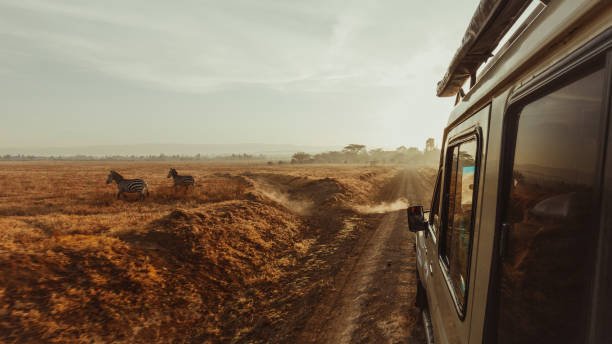
Upon entering Tarangire, your experienced guide will begin the game drive, navigating the park’s network of tracks. The morning hours are often the most productive for spotting predators and animals that are more active in cooler temperatures. As the day progresses, you’ll explore different sectors of the park, from the grassy savannas to the acacia woodlands and the riverine areas, each hosting its own array of wildlife. The park’s central artery is the Tarangire River, which is a magnet for animals, especially during the dry season (June to October).
A full day in the park typically means around 6 to 8 hours of dedicated game driving. This allows for thorough exploration and the chance to encounter a wide variety of species. Your guide’s expertise is crucial here; they know the best spots, understand animal behavior, and can track animals effectively. The day concludes in the late afternoon, usually around 4:00 PM to 5:00 PM, as you begin the drive back to Arusha, arriving in the early evening, typically between 7:00 PM and 8:00 PM. This schedule ensures you experience the best of Tarangire while allowing for comfortable travel and rest back in Arusha.
Key Inclusions for a Standard Tarangire Day Trip
When booking a Tarangire day trip from Arusha, understanding what is typically included is vital for budgeting and planning. While packages can vary slightly between tour operators, a comprehensive day trip usually covers the following essential elements:
- Park Entrance Fees: This is a significant portion of the cost and is almost always included. For Tarangire National Park, these fees are set by the Tanzania National Parks Authority (TANAPA) and are substantial.
- Safari Vehicle: A specialized 4×4 safari vehicle (Land Cruiser or Land Rover) equipped for game viewing, with a pop-up roof for excellent visibility and photography.
- Professional Safari Guide: An experienced, English-speaking driver-guide who is knowledgeable about the park’s wildlife, flora, and fauna, and skilled in tracking animals.
- Picnic Lunch: A packed lunch, often including drinks, to be enjoyed within the park during the day.
- Water: Bottled drinking water provided in the vehicle throughout the day.
- Transfers: Round-trip transportation from your hotel or lodge in Arusha to Tarangire National Park.
It’s important to confirm these inclusions with your tour operator. Some operators might also offer optional extras or different levels of service. For instance, some might include a brief stop at a local craft shop, while others focus solely on the safari experience. Always clarify what’s covered to avoid any surprises.
What’s Typically Excluded
To ensure a smooth and well-budgeted trip, it’s also important to be aware of what is generally not included in a standard Tarangire day trip from Arusha:
- Tips for the Guide: While not mandatory, tipping your guide is a customary way to show appreciation for their service.
- Personal Expenses: This includes souvenirs, alcoholic beverages, or any items purchased outside of the standard inclusions.
- Travel Insurance: It is highly recommended to have comprehensive travel insurance, but it’s typically not part of the safari package cost.
- Gratuities for Lodge Staff (if applicable): If your trip involves overnight stays before or after the day trip, tips for lodge staff would be separate.
- Visa Fees: Any visa costs associated with entering Tanzania are the traveler’s responsibility.
Understanding these exclusions helps in preparing your budget and managing expectations for your Tarangire day trip from Arusha in 2026-2027.
Planning Your Tarangire Day Trip: Best Times to Visit
While Tarangire National Park is a year-round destination, certain times offer distinct advantages for wildlife viewing and overall experience. Planning your Tarangire day trip from Arusha for the optimal period can significantly enhance your chances of seeing abundant wildlife.
The Dry Season (June to October): Peak Elephant Season
The dry season is widely considered the best time for a Tarangire day trip, especially if your primary interest is seeing large herds of elephants. During these months, the Tarangire River becomes one of the few reliable water sources in the region. This attracts a massive congregation of elephants, often numbering in the hundreds. It’s not uncommon to witness spectacular scenes of elephants bathing, drinking, and interacting along the riverbanks. This period also sees other animals gathering around the dwindling water sources, making them easier to spot.
Pros of the Dry Season:
- Abundant Wildlife: Excellent visibility of elephants and other mammals drawn to the Tarangire River.
- Easier Animal Spotting: Less vegetation cover and animals concentrated around water sources.
- Pleasant Weather: Generally sunny days with cooler temperatures, especially in the mornings and evenings.
Cons of the Dry Season:
- Peak Season Crowds: This is the most popular time for tourism in Tanzania, meaning more safari vehicles in the park.
- Higher Prices: Accommodation and tour prices can be higher due to demand. Booking well in advance for 2026 or 2027 is crucial.
The Green Season (November to May): Lush Landscapes and Birdlife
The green season, characterized by rainfall, transforms Tarangire into a verdant paradise. While the large elephant herds may disperse as water becomes available throughout the park, the landscape becomes incredibly lush and beautiful. This period is fantastic for birdwatchers, as resident and migratory birds are active, and the scenery is vibrant. The rains often come in short, intense bursts, usually in the afternoon, leaving mornings clear and sunny. The shoulder months of November, March, and May can offer a good balance of wildlife and fewer crowds.
Pros of the Green Season:
- Stunning Scenery: Lush green landscapes offer beautiful photographic opportunities.
- Excellent Birdwatching: Ideal for spotting diverse bird species.
- Fewer Crowds: Generally less busy than the dry season, offering a more intimate wildlife experience.
- Lower Prices: Accommodation and tour packages might be more affordable.
Cons of the Green Season:
- Dispersed Wildlife: Large herds might not be as concentrated as in the dry season.
- Potential for Rain: Afternoon showers can sometimes disrupt game drives, though they rarely last all day.
- Vegetation Density: Thicker foliage can sometimes make spotting animals slightly more challenging.
For a Tarangire day trip from Arusha, both seasons offer unique rewards. If maximizing elephant sightings is your priority, aim for the dry season. If you prefer dramatic landscapes, abundant birdlife, and fewer tourists, the green season is a great choice. Consider your priorities when selecting your travel dates for 2026-2027.
Tarangire National Park: A Closer Look
Tarangire National Park is one of Tanzania’s most underrated gems, offering a distinct safari experience compared to its more famous neighbors like the Serengeti and Ngorongoro Crater. Spanning approximately 2,850 square kilometers (1,100 sq mi), its landscape is a interesting mix of rolling hills, vast savannas, acacia woodlands, and riverine forests, all dominated by the presence of ancient baobab trees.
The Iconic Baobab Trees
The baobab trees are arguably Tarangire’s most defining feature. These colossal, distinctive trees, with their thick, swollen trunks and sparse branches, create an almost prehistoric atmosphere. Locals believe they were uprooted and planted upside down by mischievous spirits, hence their nickname, ‘upside-down trees’. They are not just visually striking but also ecologically significant, providing food, water, and shelter for a variety of wildlife. During the dry season, elephants strip bark from the baobabs for sustenance and to access the moist pulp within their trunks. A Tarangire day trip from Arusha offers ample opportunities to photograph these magnificent natural monuments.
Wildlife Highlights: Beyond the Elephants
While Tarangire is synonymous with elephants, its biodiversity extends far beyond. The park is home to:
- Mammals: Over 550 species have been recorded, including lions, leopards, cheetahs, African wild dogs (though sightings are rare), various mongoose species, hyenas, wildebeest, zebras, giraffes, buffaloes, waterbucks, dik-diks, warthogs, baboons, and vervet monkeys. It’s also known for its tree-climbing lions, a behavior less common in other parks.
- Birds: Tarangire is a birdwatcher’s paradise, boasting over 550 bird species. It’s particularly renowned for its high concentration of birds of prey and its diverse species of bustards, rollers, hornbills, and weavers. The park is also a vital stopover for migratory birds during the wet season.
The Tarangire River is the park’s lifeline. During the dry season, from July to October, the river shrinks, concentrating animals from the surrounding ecosystem into the park, creating unparalleled game viewing opportunities. This makes a Tarangire day trip from Arusha during this period exceptionally rewarding.
Park Geography and Ecosystem
Tarangire’s ecosystem is dynamic and influenced by seasonal changes. The park lies at the crossroads of the Great Rift Valley and the Maasai Steppe, contributing to its varied terrain. The dominant vegetation types include grasslands, acacia woodlands, and gallery forests along the river. The park’s relative isolation and its role as a vital dry-season refuge for wildlife from the broader ecosystem make it a critical conservation area. Understanding this ecosystem helps appreciate the sheer abundance and concentration of wildlife you can witness on a Tarangire day trip.
Crafting Your Perfect Tarangire Day Trip Itinerary
While a day trip is inherently time-bound, a well-structured itinerary ensures you maximize your experience. The focus is on efficient travel, strategic game viewing, and appreciating the unique aspects of Tarangire.
The Classic Tarangire Day Trip (Focus on Wildlife)
This is the most common and highly recommended itinerary for a Tarangire day trip from Arusha:
- 6:00 AM – 7:00 AM: Pick-up from your Arusha accommodation. Meet your guide and depart in your private 4×4 safari vehicle.
- 7:00 AM – 9:00 AM: Drive from Arusha to Tarangire National Park. Enjoy the changing landscapes and your guide’s insights.
- 9:00 AM: Arrive at Tarangire National Park. Complete park entry formalities. Begin your morning game drive.
- 9:30 AM – 12:30 PM: Morning game drive. Focus on areas known for predators, elephants, and diverse birdlife. Explore the northern sector, often rich in wildlife, and head towards the Tarangire River.
- 12:30 PM – 1:30 PM: Picnic lunch at a designated picnic site within the park. Enjoy your meal amidst the sounds and sights of the bush.
- 1:30 PM – 4:30 PM: Afternoon game drive. Continue exploring different parts of the park, focusing on areas around the river and seeking out any animals you might have missed. Look for tree-climbing lions and observe the large elephant herds.
- 4:30 PM: Begin the drive back to Arusha.
- 7:00 PM – 8:00 PM: Arrive back in Arusha and be dropped off at your accommodation.
Customizing Your Day Trip
For those with specific interests, Top Guide Adventures can help tailor your Tarangire day trip from Arusha. Some possible customizations include:
- Birdwatching Focus: If you’re a keen birder, inform your guide. They can direct you to areas known for specific species, especially during the green season.
- Photography Focus: Early mornings and late afternoons offer the best light for photography. Discuss with your guide about spending more time in scenic spots or waiting for specific animal behaviors.
- Cultural Insights: While a day trip limits extensive cultural interaction, your guide can share information about the local tribes (like the Maasai and Datoga) who traditionally inhabit areas around the park and their relationship with the environment.
The flexibility offered by a private day trip allows for adjustments based on wildlife sightings and your preferences. Always communicate your interests to your tour operator when booking for 2026-2027.
Choosing the Right Safari Vehicle and Guide
The quality of your safari vehicle and guide significantly impacts your Tarangire day trip from Arusha. These are not mere logistical elements; they are integral to your experience.
The Importance of a 4×4 Safari Vehicle
A reliable 4×4 safari vehicle is essential for navigating the varied terrain of Tarangire National Park. Key features to look for include:
- Pop-up Roof: This is non-negotiable for a day trip. It allows for unobstructed 360-degree views, essential for spotting wildlife and for photography. It also provides fresh air and a more in-depth experience.
- High Ground Clearance: Necessary for traversing rough tracks, sandy patches, and uneven terrain, especially during the wet season.
- Comfort: Long drives require comfortable seating, adequate legroom, and effective suspension to minimize bumps.
- Reliability: A well-maintained vehicle is crucial to avoid breakdowns, which can significantly cut into your precious game viewing time.
Top Guide Adventures exclusively uses well-maintained 4×4 Land Cruisers and Land Rovers, ensuring a comfortable and safe journey for your Tarangire day trip.
The Role of an Experienced Safari Guide
Your safari guide is your eyes and ears in the bush. An excellent guide will:
- Possess Deep Wildlife Knowledge: They can identify animals, birds, and plants, and explain their behaviors and ecological roles.
- Be Skilled Trackers: They know how to read tracks and signs, significantly increasing your chances of finding elusive animals.
- Navigate Effectively: They know the park intimately, including the best routes and optimal times to visit certain areas.
- Ensure Safety: They are trained to manage wildlife encounters and prioritize your safety.
- Communicate Clearly: An English-speaking guide who can share stories and information enhances the experience.
- Be Professional and Friendly: A good guide makes the long hours in the vehicle enjoyable and engaging.
Choosing a reputable operator like Top Guide Adventures, known for its experienced and passionate guides, is paramount for a successful Tarangire day trip from Arusha in 2026-2027.
Photography Tips for Your Tarangire Day Trip
Tarangire offers incredible photographic opportunities. To make the most of them on your day trip, consider these tips:
- Camera Gear: A telephoto lens (e.g., 70-300mm or 100-400mm) is essential for capturing wildlife details from a distance. A wider lens (e.g., 24-70mm) is useful for landscapes and animals closer to the vehicle. Bring extra batteries and memory cards.
- Best Times for Light: The ‘golden hours’ – shortly after sunrise and before sunset – offer the softest, most flattering light for photography. Since you’ll be in the park during these times on a day trip, be ready.
- Camera Settings: Use a fast shutter speed to freeze animal movement. If shooting in low light (early morning/late evening), consider increasing your ISO or using a wider aperture. Using Aperture Priority (Av) or Shutter Priority (Tv) modes can be helpful.
- Stability: Use a beanbag or rest your lens on the vehicle’s window frame for stability, especially with longer lenses. Avoid handheld shooting at very slow shutter speeds.
- Composition: Look beyond just the animal. Include the baobab trees, the vast landscapes, or the interaction between animals to tell a story.
- Respect Wildlife: Never ask your guide to disturb animals for a photo. Maintain a safe distance and let the animals behave naturally.
- Protect Your Gear: Dust is a major issue. Keep your camera in a bag when not in use and use a blower or brush to clean lenses. A rain cover can be useful during the green season.
With a Tarangire day trip from Arusha, you’ll have a solid block of time to practice these techniques and capture stunning images.
What to Pack for Your Tarangire Day Trip
Since it’s a day trip, you don’t need extensive packing. However, a few essentials will make your experience much more comfortable and enjoyable:
- Clothing: Wear comfortable, neutral-colored clothing. Layers are advisable as mornings can be cool, while midday can be warm. Long sleeves and trousers protect against the sun and insects.
- Footwear: Comfortable walking shoes or sturdy trainers are sufficient, as you won’t be doing extensive hiking.
- Sun Protection: A wide-brimmed hat, sunglasses, and high-SPF sunscreen are crucial.
- Insect Repellent: Especially important if you plan to spend time outside the vehicle during breaks.
- Camera and Accessories: As mentioned in the photography tips.
- Binoculars: Highly recommended for spotting distant wildlife and appreciating details.
- Personal Items: Hand sanitizer, tissues, and any personal medication.
- Snacks (Optional): While lunch is provided, you might want a few personal snacks.
- Power Bank: Useful for keeping your phone and camera charged if needed.
Remember to pack light and keep essentials in a small backpack or day bag. Your main luggage can remain at your Arusha accommodation.
Comparing Tarangire Day Trip with Other Options
For visitors based in Arusha, a Tarangire day trip is just one of several possibilities. Understanding how it compares to other nearby day trip options can help you make the best choice for your safari experience in 2026-2027.
Tarangire vs. Ngorongoro Crater Day Trip
Tarangire:
- Focus: Large elephant herds, baobab trees, diverse birdlife, open savannas and woodlands.
- Wildlife Density: Very high, especially during the dry season.
- Landscape: Varied, with iconic baobabs and riverine areas.
- Travel Time from Arusha: Approx. 2-3 hours.
- Cost: Generally more affordable than Ngorongoro due to lower park fees and fewer conservation area fees.
- Experience: Offers a sense of vastness and a strong focus on elephants.
Ngorongoro Crater:
- Focus: High density of the ‘Big Five’ (lion, leopard, elephant, rhino, buffalo), unique crater ecosystem.
- Wildlife Density: Extremely high, often considered the highest concentration of wildlife in Africa.
- Landscape: A stunning volcanic caldera with diverse microhabitats.
- Travel Time from Arusha: Approx. 3-4 hours (including descent/ascent).
- Cost: Significantly more expensive due to high conservation fees and crater service fees.
- Experience: A dramatic, contained ecosystem offering a high chance of seeing rare animals like rhinos.
Verdict: If budget is a concern or you’re particularly keen on elephants and baobabs, Tarangire is excellent. For a concentrated ‘Big Five’ viewing experience and dramatic scenery, Ngorongoro is unparalleled but pricier.
Tarangire vs. Lake Manyara Day Trip
Tarangire:
- Size: Much larger park (2,850 sq km).
- Wildlife: Famous for elephants, lions, leopards, diverse birdlife.
- Landscape: Open savannas, woodlands, riverine areas, baobabs.
- Travel Time from Arusha: Approx. 2-3 hours.
Lake Manyara:
- Size: Smaller park (330 sq km).
- Wildlife: Known for tree-climbing lions (though less reliable than Tarangire), large baboon troops, flamingos (seasonal), elephants, hippos.
- Landscape: Forested escarpment, acacia woodlands, and the alkaline lake.
- Travel Time from Arusha: Approx. 1.5-2 hours.
Verdict: Lake Manyara is closer and can offer a good half-day or full-day trip, especially if combined with other activities. Tarangire offers a more expansive and arguably richer wildlife experience, particularly for elephants, and is ideal for a full day’s dedicated exploration.
Tarangire vs. Arusha National Park Day Trip
Tarangire:
- Wildlife: Focus on large mammals, elephants, predators.
- Landscape: Savanna, acacia woodlands.
- Travel Time from Arusha: Approx. 2-3 hours.
Arusha National Park:
- Wildlife: Abundant colobus monkeys, giraffes, buffaloes, hippos, diverse birdlife. Less emphasis on large predators like lions and leopards.
- Landscape: Diverse, including Mount Meru foothills, Momella Lakes, Ngurdoto Crater. Offers canoeing and walking safaris.
- Travel Time from Arusha: Approx. 45 mins – 1 hour.
Verdict: Arusha National Park is the closest and offers unique activities like canoeing and walking safaris, along with excellent primate viewing. Tarangire provides a more traditional savanna safari experience with a focus on large elephant herds and predators.
For a classic, rewarding wildlife safari day trip from Arusha, the Tarangire day trip is often the top recommendation for its accessibility, wildlife density, and unique landscape, especially in 2026-2027 when planning your Tanzanian adventure.
Booking Your Tarangire Day Trip with Top Guide Adventures
Choosing the right tour operator is crucial for a smooth and memorable Tarangire day trip from Arusha. Top Guide Adventures is a trusted name in Tanzanian safari planning, offering personalized service and deep local knowledge.
Why Choose Top Guide Adventures?
- Local Expertise: As a Tanzanian company, we have intimate knowledge of the parks, wildlife, and logistics.
- Personalized Service: We pride ourselves on providing individual attention to each client, ensuring your needs are met.
- Experienced Guides: Our guides are certified, knowledgeable, and passionate about sharing Tanzania’s natural wonders.
- Quality Vehicles: We maintain a fleet of reliable, comfortable 4×4 safari vehicles.
- Value for Money: We offer competitive pricing without compromising on quality or experience.
- Tailor-Made Options: While we offer standard day trips, we can also customize itineraries to suit specific interests for 2026-2027 bookings.
How to Book Your 2026-2027 Trip
Booking your Tarangire day trip from Arusha with Top Guide Adventures is straightforward:
- Contact Us: Reach out via WhatsApp at +255616946642 or email us at topguideadventures@gmail.com or info@topguideadventurestanzania.com.
- Specify Your Needs: Let us know your preferred travel date(s) for 2026 or 2027, the number of people traveling, and any specific interests you have (e.g., photography, birdwatching).
- Receive a Quote: We will provide a detailed quote based on your requirements, outlining inclusions and exclusions.
- Confirmation and Payment: Once you accept the quote, we’ll guide you through the booking process and payment. A deposit is typically required to secure your booking.
- Pre-Trip Information: We’ll provide all necessary information regarding your pick-up time, what to pack, and what to expect.
Booking in advance, especially for peak season travel in 2026 and 2027, is highly recommended to secure your preferred dates and ensure availability.
Frequently Asked Questions About Tarangire Day Trips
What is the best time of year for a Tarangire day trip?
The dry season, from June to October, is considered the best time for a Tarangire day trip, especially for seeing large elephant herds concentrated around the Tarangire River. However, the green season (November to May) offers lush landscapes and excellent birdwatching with fewer crowds.
How far is Tarangire National Park from Arusha?
Tarangire National Park is approximately 120 kilometers (75 miles) southwest of Arusha. The drive typically takes 2 to 3 hours each way, depending on road conditions.
What wildlife can I expect to see on a Tarangire day trip?
You can expect to see large herds of elephants, giraffes, zebras, wildebeest, buffaloes, various antelopes (like dik-diks, impalas, waterbucks), baboons, and monkeys. Lions and leopards are also present, though sightings can be more challenging on a single day trip. Tarangire is also a birdwatcher’s haven.
Is a Tarangire day trip worth it?
Absolutely. A Tarangire day trip from Arusha offers incredible wildlife viewing opportunities, iconic baobab trees, and a chance to experience a significant Tanzanian national park within a limited timeframe. It’s a fantastic option for those with short time or as an add-on to other activities.
What should I bring on a Tarangire day trip?
Key items include comfortable clothing (layers recommended), sun protection (hat, sunscreen, sunglasses), insect repellent, a camera with extra batteries/memory cards, binoculars, a reusable water bottle, and any personal medication. A small backpack is ideal for carrying these items.
How much does a Tarangire day trip cost?
The cost of a Tarangire day trip from Arusha typically ranges from $200 to $350 per person, depending on the tour operator, vehicle type, and group size. This usually includes park fees, vehicle, guide, lunch, and transfers. Prices can fluctuate slightly for 2026-2027 based on TANAPA fee changes.
Can I see the Big Five on a day trip to Tarangire?
It is possible but not guaranteed to see all of the Big Five (lion, leopard, elephant, buffalo, rhino) on a single day trip to Tarangire. Elephants and buffaloes are common. Lions and leopards are present but can be elusive. Rhinos are extremely rare in Tarangire. For a higher chance of seeing the Big Five, the Ngorongoro Crater is a better option.
What is the difference between Tarangire and Serengeti?
Tarangire is smaller, known for its elephant herds and baobabs, and is more accessible for day trips from Arusha. The Serengeti is vastly larger, world-famous for the Great Migration, and typically requires multi-day safaris to explore properly. A day trip to Tarangire is a great introduction, while the Serengeti offers a more extensive wilderness experience.
A Tarangire day trip from Arusha offers an unforgettable glimpse into the wild heart of Tanzania. Whether you’re planning for 2026 or 2027, this accessible and wildlife-rich park promises a day filled with incredible sights and memories. Contact Top Guide Adventures today to start planning your perfect safari adventure. Reach us via WhatsApp at +255616946642 or email topguideadventures@gmail.com / info@topguideadventurestanzania.com.
Check Availability for Tarangire Day Trip From Arusha: Your Ultimate Wildlife Safari Guide…
Ready to compare dates, prices, and the best option for your group? Send the package name and travel month so the team can reply with a clear quote, availability, and what is included.



