
The average cost for a Kilimanjaro mountain climb in 2026-2027 typically ranges from $2,000 to $4,500 per person for standard packages, with more exclusive or private options potentially costing upwards of $5,000. This price is heavily influenced by the route chosen, the duration of the trek, the operator’s quality and inclusions, and the time of year you plan to climb.
Understanding the Kilimanjaro Mountain Climb Cost for 2026-2027
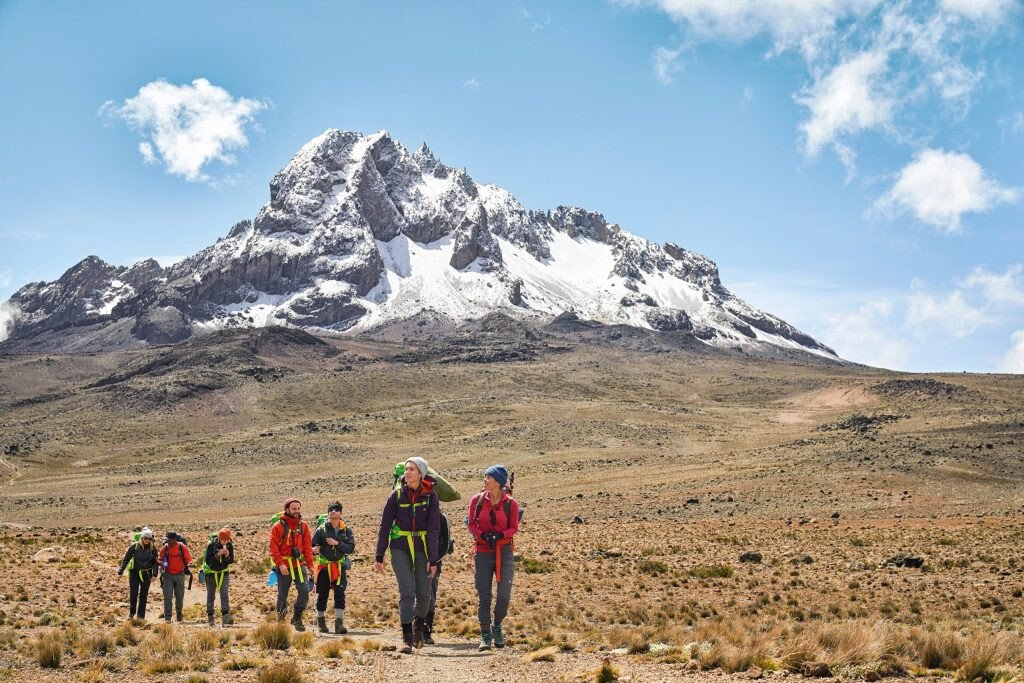
Mount Kilimanjaro, the Roof of Africa, draws thousands of trekkers annually. As you plan your ascent for 2026 or 2027, understanding the Kilimanjaro mountain climb cost is a critical step. It’s not just about the sticker price; it’s about what that price represents in terms of safety, comfort, success rates, and the overall quality of your experience. This comprehensive guide will break down all the factors that contribute to the cost, help you compare options, and ensure you make an informed decision for your special journey.
The price tag for climbing Kilimanjaro can vary significantly. While budget operators might offer treks starting as low as $1,500, these often come with compromises in safety, equipment, food quality, and guide-to-client ratios. On the other end, premium operators can charge $5,000 or more, providing enhanced services, luxury camping, and highly experienced crews. For most trekkers aiming for a reputable, safe, and successful climb in 2026-2027, the sweet spot for the Kilimanjaro mountain climb cost lies between $2,000 and $4,500.
What Drives the Kilimanjaro Mountain Climb Cost? Key Factors to Consider
Several components make up the total cost of your Kilimanjaro expedition. Identifying these will help you decipher quotes and understand where your money is going.
Kilimanjaro National Park Fees and Government Levies
These are non-negotiable and form a substantial part of the overall cost. For 2026-2027, expect these fees to remain a significant expense, often amounting to over 50% of the total package price. These fees include:
- Park Entrance Fees: Charged per person, per day. For Kilimanjaro, this is currently around $70 per person per day.
- Camping Fees: Also charged per person, per day, for overnight stays within the park. This is approximately $60-$70 per person per day for campsites.
- Rescue Fees: A mandatory fee to ensure rescue services are available.
- Crater Fees: Applicable for specific routes like the Crater Rim route on the Western Breach or for reaching Stella Point/Uhuru Peak via certain paths, costing around $50-$100 per person.
- Value Added Tax (VAT): Applied to tour operator services.
These government-mandated fees are essential for park maintenance, conservation, and ensuring climber safety. Reputable operators will always include these in their quotes, so always clarify if they are itemized or bundled.
Route Choice and Duration Impact on Cost
The route you select and the number of days you spend on the mountain directly affect the Kilimanjaro mountain climb cost. Longer routes are generally more expensive but offer higher acclimatization and success rates.
- Shorter Routes (e.g., Marangu, Machame 5-6 days): These are typically the least expensive options because they involve fewer days of park fees and fewer crew salaries. However, their rapid ascent profiles lead to lower acclimatization and success rates.
- Medium Routes (e.g., Machame 7 days, Lemosho 7-8 days): These offer a better balance of cost and acclimatization, with success rates generally higher than the shorter routes.
- Longer Routes (e.g., Lemosho 8 days, Northern Circuit 9 days): These are the most expensive due to the extended duration, but they provide the best acclimatization, scenery, and the highest success rates. The Northern Circuit, for instance, circumnavigates the mountain, offering a more gradual ascent.
For 2026-2027 climbs, budgeting for a minimum of 7 days is highly recommended for a safer and more enjoyable experience. A 7-day Machame or Lemosho climb will cost more than a 5-day Marangu climb, but the investment in acclimatization is often well worth it.
Operator Quality and Inclusions
This is where the most significant variation in Kilimanjaro mountain climb cost occurs. Operators differ in their service levels, crew support, equipment, and food quality.
- Crew Wages and Welfare: Ethical operators pay their guides, porters, and cooks fair wages, provide them with adequate food, shelter, and clothing, and adhere to porter welfare regulations. This commitment increases operational costs but is crucial for a responsible climb.
- Guide Experience: Highly experienced, certified guides with extensive knowledge of altitude sickness and rescue protocols command higher salaries.
- Guide-to-Client Ratio: Lower ratios (e.g., 1:6 or 1:8) mean more guides per climber, enhancing safety and support, but increasing costs.
- Equipment Quality: Use of high-quality tents, sleeping mats, cooking gear, and safety equipment (like oxygen cylinders) adds to the expense.
- Food Quality and Variety: Wholesome, varied, and plentiful meals prepared by skilled cooks contribute to climber energy and morale, requiring better ingredients and preparation.
- Accommodation: Pre- and post-climb accommodation in clean, comfortable hotels in Moshi or Arusha can be included or excluded.
- Logistics and Support: Transport, communication, emergency protocols, and overall organizational efficiency impact the final price.
When comparing quotes for your 2026-2027 climb, look beyond the headline price to understand what’s included. A slightly higher Kilimanjaro mountain climb cost from a reputable operator often translates to a safer, more comfortable, and ultimately more successful expedition.
Group Size: Private vs. Shared Climbs
Your preference for climbing in a private group or joining a shared group departure also affects the cost.
- Shared Group Climbs: These are generally more affordable. You join a pre-scheduled departure with other trekkers, sharing guide and porter costs. This is an excellent option for solo travelers or those on a tighter budget for their 2026-2027 climb. Top Guide Adventures offers Machame route group departures, which can significantly reduce the per-person Kilimanjaro mountain climb cost.
- Private Climbs: You have a dedicated team of guides and porters exclusively for your group. This offers more flexibility in terms of start dates and pace but comes at a higher Kilimanjaro mountain climb cost per person, especially for smaller groups.
The cost-effectiveness of private climbs increases with the number of people in your group. A private climb for two will be more expensive per person than a shared departure, but a private climb for six or eight might be comparable or even cheaper per person than some mid-range shared options.
Seasonality and Weather Considerations
While Kilimanjaro can be climbed year-round, certain periods are considered peak seasons due to more favorable weather conditions, leading to higher demand and potentially slightly higher Kilimanjaro mountain climb costs.
- Peak Seasons (Dry and Warm): January-March and June-October. These months offer clearer skies and less rain, making them popular.
- Shoulder Seasons: April-May and November-December. These periods can see more rainfall and cloud cover, but often come with fewer crowds and potentially slightly lower prices from some operators.
For 2026-2027, booking during peak season might mean you pay a premium, but you increase your chances of good weather. Off-season climbs can be more budget-friendly but require a higher tolerance for challenging weather.
Typical Inclusions in Kilimanjaro Mountain Climb Cost Packages
When budgeting for your Kilimanjaro mountain climb cost, it’s crucial to know what is generally included. Most reputable operators will cover the following:
- Park and Camping Fees: As detailed above, these are usually bundled into the price.
- Guides, Porters, and Cooks: A full professional crew dedicated to your climb.
- Food and Drinking Water: All meals and purified water provided on the mountain.
- Tents and Equipment: Camping tents, mess tent, cooking equipment, and often sleeping mats.
- Oxygen Systems: Emergency oxygen bottles are standard on reputable climbs.
- Rescue Services: Coordination with Kilimanjaro National Park rangers for emergency evacuations.
- Pre- and Post-Climb Accommodation: Usually one night in a hotel in Moshi or Arusha before and after the climb.
- Transfers: Airport transfers and transfers to/from the national park gate.
Common Exclusions from Kilimanjaro Mountain Climb Cost
Understanding what’s NOT included is equally important to avoid unexpected expenses for your 2026-2027 expedition:
- Flights: International flights to Kilimanjaro International Airport (JRO).
- Visas: Tanzanian visa fees.
- Travel Insurance: Comprehensive travel and medical evacuation insurance is mandatory.
- Personal Gear: Sleeping bags, trekking poles, waterproof clothing, boots, etc.
- Tips for Crew: This is a significant part of the total cost for climbers, typically ranging from $250 to $400+ per climber for the entire crew.
- Lunches and Dinners in Town: Meals before and after the climb, unless specified.
- Soft Drinks and Alcoholic Beverages: Available for purchase.
- Personal Expenses: Souvenirs, laundry, etc.
- Optional Equipment Rental: Such as oxygen cylinders (beyond emergency ones) or high-altitude sleeping bags if not bringing your own.
Budgeting for Tips: A Crucial Part of the Kilimanjaro Mountain Climb Cost
Tipping is customary and expected for the mountain crew. It forms a significant portion of their income. While operators provide guidelines, a general estimate for a 7-day climb is:
- Lead Guide: $20-25 per day
- Assistant Guide(s): $15-18 per day per guide
- Cook: $12-15 per day
- Porter: $8-10 per day per porter
For a 7-day climb, this can easily add up to $300-$400 per climber. Always carry sufficient cash (USD is widely accepted) in smaller denominations for tipping at the end of the trek.
Comparing Kilimanjaro Mountain Climb Costs: What to Look For
When evaluating quotes for your 2026-2027 Kilimanjaro adventure, consider these points to ensure you’re getting value and prioritizing safety:
- Transparency: Does the quote clearly itemize park fees, crew wages, and other costs? Be wary of quotes that are overly vague.
- Safety Protocols: What are their emergency procedures? Do they carry sufficient oxygen? What is the guide-to-client ratio? Do guides have Wilderness First Responder (WFR) or equivalent training?
- Porter Welfare: Does the operator have a clear policy on fair porter treatment, including weight limits, proper gear, and sufficient food? Look for certifications or partnerships with organizations like the Kilimanjaro Porters Assistance Project (KPAP).
- Success Rates: While not solely dependent on the operator, a company with a consistently high success rate on longer routes often indicates good acclimatization practices and experienced guides.
- Reviews and Reputation: Check independent reviews on platforms like TripAdvisor. Look for feedback specifically mentioning safety, crew professionalism, and overall experience. Top Guide Adventures is proud of its reputation and client satisfaction, as seen in reviews like this one.
- Inclusions vs. Exclusions: Carefully compare what is and isn’t included. A cheaper quote might become more expensive once you add essential extras like tips or hotel nights.
Kilimanjaro Mountain Climb Cost by Route (Estimated for 2026-2027)
Here’s a general estimation of the Kilimanjaro mountain climb cost for popular routes, assuming a reputable operator with good inclusions for a 7-day climb. Prices can fluctuate based on the operator and specific inclusions.
| Route | Typical Duration (Days) | Estimated Cost (USD Per Person) | Key Features |
|---|---|---|---|
| Marangu | 5-6 | $1,700 – $2,800 | ‘Coca-Cola’ route, huts available, fastest ascent, lower success rate. |
| Machame | 6-7 | $2,000 – $3,500 | ‘Whiskey’ route, popular, scenic, good acclimatization (7 days recommended), camping. |
| Lemosho | 7-8 | $2,200 – $3,800 | Scenic, excellent acclimatization, higher success rate, starts in the west, camping. |
| Shira | 7-8 | $2,300 – $3,900 | Similar to Lemosho but starts at a higher altitude, can be challenging for acclimatization. |
| Rongai | 6-7 | $2,100 – $3,600 | Approaches from the north, drier, good for rainy season, less scenic initially, camping. |
| Northern Circuit | 9+ | $2,800 – $4,500+ | Longest route, circumnavigates the mountain, best acclimatization and scenery, highest success rate, camping. |
| Crater Rim (via Lemosho/Shira) | 8+ | $3,000 – $5,000+ | Includes overnight stay in the crater, very expensive due to special permits and logistics. |
Note: These are indicative prices for 2026-2027 and can vary significantly based on operator, inclusions, and group size. Always request a detailed quote.
Factors Influencing Price Fluctuations for 2026-2027
Beyond the core components, several other factors can cause the Kilimanjaro mountain climb cost to shift:
- Operator Type: Local vs. International Operators. Local operators based in Tanzania, like Top Guide Adventures, often offer more competitive pricing while maintaining high standards because they have lower overheads and direct relationships with local suppliers and crew. International operators may add a premium for their brand recognition and perceived reliability.
- Customization: Tailor-made itineraries, specific dietary needs, or unique logistical requests can increase costs.
- Inclusion of Pre/Post Climb Safaris or Zanzibar Trips: Bundling your Kilimanjaro climb with other Tanzanian adventures can sometimes offer package deals, but individual components also contribute to the overall trip cost. For example, combining a climb with a Tanzania safari or a Zanzibar holiday will increase the total travel expenditure.
- Exchange Rates: Fluctuations in currency exchange rates can subtly affect costs for operators purchasing supplies in local currency.
How to Get the Best Value for Your Kilimanjaro Mountain Climb Cost in 2026-2027
Achieving the best value doesn’t necessarily mean finding the cheapest option. It means finding the operator that offers the best balance of safety, quality, and price for your specific needs.
- Prioritize Safety and Experience: Look for operators with strong safety records, well-trained guides, and ethical crew practices. A slightly higher Kilimanjaro mountain climb cost is a worthwhile investment for peace of mind.
- Choose the Right Route and Duration: Opt for a route and duration that suits your fitness and acclimatization needs. Longer routes generally offer better success rates and a more rewarding experience, justifying a higher cost. For 2026-2027, consider 7-8 days as a minimum for most routes.
- Understand Inclusions: Get detailed itineraries and inclusions lists. Compare apples to apples, factoring in tips, hotel nights, and transfers.
- Read Reviews: Seek out independent reviews from recent climbers.
- Direct Communication: Contact operators directly. Ask questions, gauge their responsiveness, and get a feel for their professionalism. For a personalized quote and advice for your 2026-2027 climb, you can reach Top Guide Adventures via WhatsApp at +255616946642 or email at topguideadventures@gmail.com.
Budgeting Beyond the Climb Package: Additional Costs
Remember to budget for expenses that are typically not included in the Kilimanjaro mountain climb cost:
- Flights: Book international flights well in advance, especially for 2026-2027 peak seasons, to secure better prices.
- Visas: Check the latest visa requirements and fees for Tanzania.
- Travel Insurance: Ensure it covers high-altitude trekking and emergency medical evacuation up to at least 6,000 meters.
- Vaccinations and Medications: Consult your doctor for recommended vaccinations and altitude sickness medication (e.g., Diamox).
- Gear: Purchase or rent necessary high-quality trekking gear.
- Tips: As mentioned, budget approximately $300-$400+ per person for crew tips.
- Personal Expenses: Allow for souvenirs, extra snacks, drinks, and any incidental costs.
Making the Most of Your Kilimanjaro Mountain Climb Investment
Your Kilimanjaro mountain climb cost is an investment in an extraordinary adventure. By understanding the pricing structure, choosing a reputable operator, and budgeting wisely for all expenses, you can ensure a safe, successful, and memorable experience. For 2026-2027, planning ahead is key to securing your preferred dates and operators.
Top Guide Adventures is committed to providing exceptional value, prioritizing safety, ethical treatment of staff, and an unforgettable Kilimanjaro experience. We offer transparent pricing and detailed itineraries to help you plan your 2026-2027 climb with confidence. Don’t hesitate to reach out to us with any questions about the Kilimanjaro mountain climb cost or to request a personalized quote. Contact us via WhatsApp at +255616946642, email at topguideadventures@gmail.com, or our backup email info@topguideadventurestanzania.com.
Whether you are looking for a shared group departure in 2026 or a private climb tailored for your 2027 adventure, we are here to guide you every step of the way, from the base of the mountain to its magnificent summit.
Frequently Asked Questions About Kilimanjaro Climb Costs
Q1: What is the cheapest way to climb Kilimanjaro in 2026-2027?
The cheapest Kilimanjaro mountain climb cost is usually found with operators offering shorter routes (like Marangu 5-day) on shared group departures, often with fewer inclusions. However, this comes with significantly lower success rates due to poor acclimatization and potential compromises on safety and crew welfare. For better value and safety, consider a 7-day Machame or Lemosho route with a reputable local operator.
Q2: Are Kilimanjaro climb costs different for international vs. local operators?
Yes, typically. Local operators based in Tanzania, like Top Guide Adventures, often have lower overheads and can offer more competitive Kilimanjaro mountain climb costs while maintaining high standards. International operators may charge a premium for their brand, marketing, and perceived reliability, though quality can vary across all operator types.
Q3: Is travel insurance included in the Kilimanjaro mountain climb cost?
No, travel insurance is almost never included in the Kilimanjaro mountain climb cost. It is a mandatory additional expense that you must arrange yourself. Ensure your policy covers high-altitude trekking and emergency medical evacuation up to 6,000 meters.
Q4: How much should I budget for tipping the Kilimanjaro crew in 2026-2027?
A common guideline for tipping the Kilimanjaro crew for a 7-day climb is between $300 and $400 per person. This is distributed among the guides, cook, and porters. It’s advisable to carry sufficient USD cash for this purpose.
Q5: Can I negotiate the Kilimanjaro mountain climb cost?
While some flexibility might exist, especially for larger private groups or during off-peak seasons with smaller operators, major price negotiation is uncommon with reputable companies, particularly for 2026-2027 bookings. Their pricing often reflects the essential costs of permits, crew wages, and safety measures. Focus on understanding the value and inclusions rather than solely on price reduction.
Q6: What is the best time of year to climb Kilimanjaro to balance cost and weather in 2026-2027?
The driest and warmest months (January-March and June-October) are peak seasons and may have slightly higher Kilimanjaro mountain climb costs due to demand. Shoulder seasons (April-May, November-December) can offer slightly lower prices and fewer crowds, but with a higher chance of rain. The cheapest times are often during the rainy seasons, but this significantly increases the difficulty and risk.
Q7: What are the essential additional costs besides the Kilimanjaro mountain climb package?
Essential additional costs include international flights, visa fees, mandatory travel and medical evacuation insurance, vaccinations, personal trekking gear (rental or purchase), and crew tips. These can add $800 – $1,500+ to your total trip expenditure.
Q8: How does the number of days affect the Kilimanjaro mountain climb cost?
More days on the mountain mean higher park fees, more food, and longer crew employment, thus increasing the Kilimanjaro mountain climb cost. However, longer durations (7+ days) significantly improve acclimatization and success rates, making the higher cost a worthwhile investment for a safer and more enjoyable summit bid.
Check Availability for Kilimanjaro Mountain Climb Cost: Your Planning Guide 2026-2027
Ready to compare dates, prices, and the best option for your group? Send the package name and travel month so the team can reply with a clear quote, availability, and what is included.
Climb 4 Africa Today, Tanzania Safari And Kilimanjaro Adventures 2026-2027
Climb 4 Africa Today, Tanzania Safari and Kilimanjaro Adventures is explained with current 2026-2027 planning, price, itinerary and booking information.
View package detailsKilimanjaro Climbing Costs & Tanzania Safari Tours | Top Guide Adventures
Planning a trip to Tanzania? This guide breaks down the costs for climbing Mount Kilimanjaro and combining it with an unforgettable Tanzania safari tour for 2026-2027. Learn about pricing...
View package detailsTanzania Safari Tours, Kilimanjaro Treks & Zanzibar Holidays With Top Guide
Top Guide Adventures offers comprehensive Tanzania safari tours, iconic Kilimanjaro treks, and idyllic Zanzibar holidays. Discover the best of East Africa with personalized itineraries...
View package detailsDiscount Tanzania Treks And Affordable Safari Packages In 2026-2027
Discover how to plan discount Tanzania treks and affordable safari packages for your 2026-2027 adventure. This comprehensive guide covers budget-friendly options for iconic destinations...
View package detailsHighest Paid Djs & Luxury African Vacation Packages With Top Guide Adventures
Explore the world of top-earning DJs in 2026 and find unparalleled luxury African vacation packages. Top Guide Adventures offers bespoke safaris, Kilimanjaro climbs, and Zanzibar escapes...
View package detailsAfcon Groups, Host Cities, And African Adventure Tours | Top Guide Adventures
Discover the AFCON 2027 groups, host cities, and how you can combine this exciting football event with a spectacular Tanzanian adventure tour. Top Guide Adventures offers tailored safaris...
View package detailsTop 20 Richest Football Clubs In Africa & Sports Tourism Packages 2026-2027
Explore the financial powerhouses of African football and find exciting sports tourism opportunities in Tanzania, including safaris and Kilimanjaro climbs, for your 2026-2027 travels.
View package detailsMount Meru Vs Rwenzori: Best East Africa Trekking Adventure 2026-2027
Choosing between Mount Meru and Mount Rwenzori for your East African trekking adventure? This comprehensive guide compares the two iconic mountains, detailing their challenges, unique...
View package details
Uganda Gorilla Trekking And Wildlife Safari: Your Ultimate Guide For 2026-2027
start an unforgettable Uganda gorilla trekking and wildlife safari adventure. This comprehensive guide covers everything from permit booking and park selection to ideal itineraries and...
View package detailsNo related package matches those filters. Clear one or more filters to see the other topic-matched options.



