
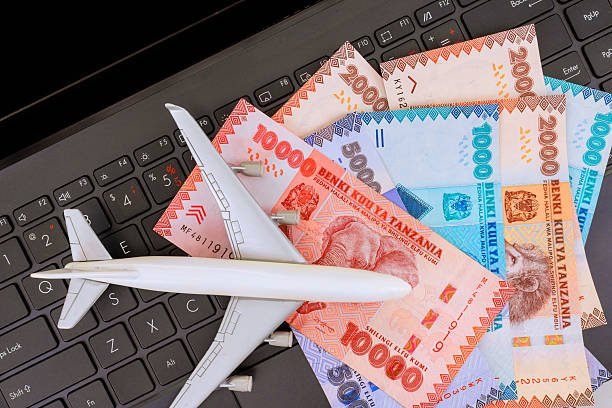
The cost to hike Kilimanjaro in 2026-2027 typically ranges from $1,800 to $5,000+ per person, depending heavily on the route chosen, the duration of the trek, the operator’s service level, and the inclusions offered. Shorter, less scenic routes or budget operators will be at the lower end, while longer, more comfortable treks with higher service standards and inclusions will be more expensive. Factors like park fees, guide and porter salaries, accommodation quality, and group size significantly impact the final price.
Understanding Kilimanjaro Trekking Costs: What Influences the Price?
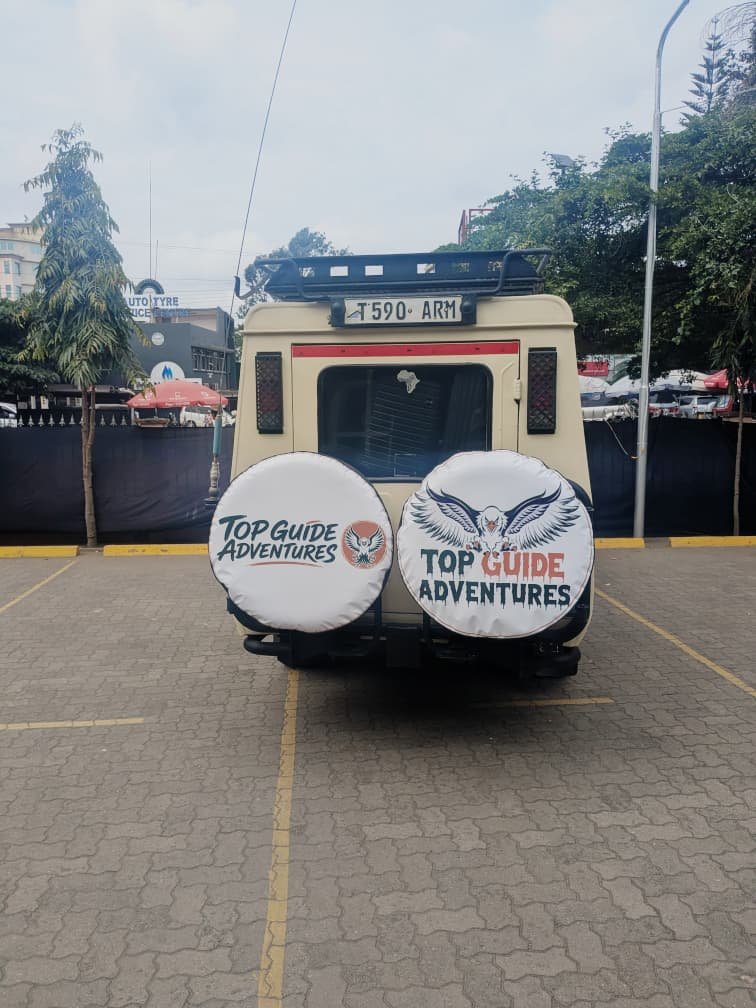
Embarking on a journey to summit Uhuru Peak, the highest point in Africa, is a dream for many adventurers. As you plan your 2026 or 2027 Kilimanjaro climb, one of the most critical questions is: how much does it cost to hike Kilimanjaro? The price tag for this incredible adventure can vary widely, and understanding the components that make up the total cost is essential for setting a realistic budget and choosing the right operator. At Top Guide Adventures, we believe in transparency, helping you understand every aspect of your trek’s pricing.
The total cost isn’t just a single number; it’s a reflection of the quality of service, safety measures, environmental responsibility, and the overall experience you’ll have on the mountain. Generally, you can expect a Kilimanjaro climb to cost anywhere from $1,800 for basic, budget-focused trips to $5,000 or more for premium, all-inclusive packages. This wide range is due to several key factors:
- Operator’s Reputation and Service Level: Established companies with a strong safety record, experienced guides, and better equipment often charge more.
- Route Choice: Different routes have varying lengths and difficulty levels, impacting the number of days on the mountain and thus the overall cost.
- Duration of the Trek: Longer treks allow for better acclimatization and increase the chances of summit success, but also increase daily operational costs.
- Inclusions and Exclusions: What’s included in the package (e.g., gear rental, pre/post-climb accommodation, tips, meals) greatly affects the price.
- Group Size: Private climbs are more expensive than joining a group.
- Time of Year: While park fees remain constant, some operators might adjust prices slightly based on peak trekking seasons.
This guide will break down each of these elements to provide a clear picture of how much you can expect to spend on your Kilimanjaro adventure in the coming years, specifically looking at pricing trends for 2026 and 2027.
Deconstructing the Kilimanjaro Climb Cost: Key Components
To truly understand the cost of a Kilimanjaro hike, it’s crucial to look beyond the advertised package price and examine the individual components that contribute to the overall expense. Reputable tour operators will typically include most of these in their quoted price, but it’s always wise to verify. Understanding these elements will help you compare different operators and ensure you’re getting good value for your money.
1. National Park and Crater Fees
These are non-negotiable fees set by the Tanzanian government and are a significant portion of the cost. They are paid per climber and often per day spent on the mountain. For 2026 and 2027, these fees are expected to remain relatively stable, though occasional adjustments can occur. These fees cover:
- Kilimanjaro National Park Entrance Fee: A substantial daily fee for all climbers.
- Camping Fees: Charged for each night spent camping at designated campsites.
- Crater Fees: Applicable only for those climbing the summit crater, usually on the final ascent day.
- Rescue Fees: A mandatory fee contributing to the mountain rescue services.
These fees are a vital part of conservation efforts and ensuring the safety of climbers. For a typical 7-day climb, these fees alone can amount to several hundred dollars per person. For instance, daily park fees can be around $70-$100 USD per person, per day, with crater fees potentially adding another $30-$50 USD.
2. Guide and Porter Salaries
The backbone of any successful and safe Kilimanjaro climb is the team of local guides and porters. Their expertise, physical endurance, and commitment are invaluable. Fair wages are crucial, and responsible operators prioritize paying their crew well above the minimum requirements. These costs include:
- Lead Guides: Highly experienced individuals, often with first-aid and wilderness medicine certifications.
- Assistant Guides: Support the lead guide and ensure climber safety and well-being.
- Porters: Carry equipment, food, tents, and supplies up the mountain.
While specific salary figures vary, reputable companies ensure their staff are well-compensated, insured, and provided with adequate gear and food. This ethical treatment is reflected in the overall cost, ensuring a sustainable and supportive environment for the mountain crew. Expect that a significant portion of your trek cost goes towards supporting this dedicated team.
3. Food and Accommodation
The quality and quantity of food provided on the mountain, as well as accommodation before and after the climb, are key differentiators between budget and premium treks.
- On-Mountain Meals: High-quality, nutritious meals are prepared by dedicated cooks. These range from simple but filling dishes to more elaborate options, depending on the operator.
- Pre- and Post-Climb Accommodation: Most reputable operators include one or two nights in comfortable hotels or lodges in Moshi or Arusha before and after the trek. The standard of these accommodations can vary, impacting the overall package price.
- Camping Equipment: The cost includes high-quality tents (sleeping tents, mess tents, toilet tents), sleeping mats, and sometimes even sleeping bags, depending on the operator’s package.
Budget operators might use basic tents and simpler meals, while premium services offer more spacious tents, better quality sleeping bags, and varied menus.
4. Equipment and Logistics
Running a Kilimanjaro expedition involves significant logistical planning and investment in equipment.
- Transportation: Transport from the airport to your hotel, from the hotel to the mountain gate, and back again is usually included.
- Equipment Maintenance: Regular checks and maintenance of tents, cooking gear, and safety equipment.
- Oxygen Systems: Some operators provide supplementary oxygen for emergency use, which adds to the cost but significantly enhances safety.
- Communication: Satellite phones or other communication devices for emergencies.
5. Operator’s Profit Margin and Overhead
Like any business, tour operators need to cover their operational costs and make a profit. This includes office expenses, marketing, staff salaries, insurance, permits, and investment in training and equipment. A higher profit margin doesn’t always mean better service; sometimes, it reflects a more established company with robust safety protocols and better customer support.
Kilimanjaro Route Costs: A Comparative Look for 2026-2027
The route you choose significantly impacts the duration and difficulty of your climb, and consequently, the cost. Longer routes offer better acclimatization profiles, increasing your chances of summit success, but they also mean more days on the mountain and higher overall expenses. Here’s a look at the typical cost ranges for the most popular routes in 2026-2027:
Marangu Route (5-6 Days)
Often called the “Coca-Cola” route due to its popularity and accessibility, the Marangu route is also the only one offering dormitory-style hut accommodation instead of camping. It’s typically the shortest and often the most affordable option.
- Estimated Cost (2026-2027): $1,600 – $2,800 per person
- Pros: Shorter duration, unique hut accommodation, generally lower cost.
- Cons: Lower acclimatization rate, less scenic than other routes, can be crowded, lower summit success rate due to its speed.
Machame Route (6-7 Days)
Known as the “Whiskey” route, Machame is one of the most popular trekking routes. It’s a camping route offering stunning scenery and a good acclimatization profile, especially when extended to 7 days.
- Estimated Cost (2026-2027): $1,800 – $3,500 per person
- Pros: Excellent scenery, good acclimatization (especially 7-day option), high success rates, varied landscapes.
- Cons: Can be busy, requires camping.
Lemosho Route (7-8 Days)
Lemosho is a longer, more scenic route that offers excellent acclimatization and a higher chance of summit success. It starts in the west and crosses the mountain from west to east.
- Estimated Cost (2026-2027): $2,000 – $4,000 per person
- Pros: Very scenic, excellent acclimatization, remote feel for the first few days, high success rates.
- Cons: Longer duration, generally more expensive.
Shira Route (7-8 Days)
Similar to Lemosho, Shira is a high-altitude starting route that quickly traverses the Shira Plateau. It’s also a camping route known for its beauty.
- Estimated Cost (2026-2027): $2,100 – $4,200 per person
- Pros: Starts at a high altitude, scenic, good acclimatization potential.
- Cons: Higher initial altitude can be challenging for some, longer duration, more expensive.
Rongai Route (6-7 Days)
The only route approaching from the north, Rongai is a good option for those seeking a less crowded experience, especially during the rainy season. It’s a camping route.
- Estimated Cost (2026-2027): $1,900 – $3,700 per person
- Pros: Less crowded, good acclimatization, offers a different perspective, drier approach.
- Cons: Less scenic than western routes for the first few days, requires camping.
Northern Circuit (9-10 Days)
The longest and arguably most scenic route, the Northern Circuit offers the highest acclimatization and summit success rates. It circles the mountain.
- Estimated Cost (2026-2027): $2,500 – $5,000+ per person
- Pros: Best acclimatization, highest success rates, most scenic, least crowded, unique circumnavigation.
- Cons: Longest duration, highest cost.
Umbwe Route (6-7 Days)
The shortest and steepest route, Umbwe is for experienced and fit hikers seeking a challenge. It requires excellent physical condition and acclimatization.
- Estimated Cost (2026-2027): $1,700 – $3,000 per person
- Pros: Direct and challenging, potentially less crowded.
- Cons: Very steep, rapid ascent, poor acclimatization, lowest success rate, suitable only for highly fit individuals.
Note that these are general estimates for 2026-2027. The actual price will depend on the specific operator and the inclusions. For example, a 7-day Machame climb with a budget operator might cost around $1,800, while an 8-day Lemosho climb with a premium operator offering extra support and amenities could easily reach $4,000 or more.
Budget vs. Mid-Range vs. Luxury: Defining Your Kilimanjaro Experience
The cost of hiking Kilimanjaro is often categorized by the level of service provided by the tour operator. Understanding these tiers helps you align your expectations with your budget and desired comfort level. For 2026 and 2027, these distinctions remain crucial.
Budget Operators (Approx. $1,500 – $2,200)
These operators focus on providing the essential services needed for a Kilimanjaro climb at the lowest possible price. They often operate with larger groups and may cut costs on aspects like:
- Guide-to-Climber Ratio: May be higher, meaning fewer guides per climber.
- Equipment Quality: Basic tents, sleeping bags, and cooking gear.
- Food Variety: Simpler, less varied meal options.
- Staff Welfare: Potentially lower wages or less adequate gear for porters and guides (this is a critical ethical consideration).
- Pre/Post-Climb Accommodation: Basic guesthouses or hostels.
Best for: Budget-conscious travelers who are experienced trekkers, highly self-sufficient, and less concerned with comfort or extensive support. It’s vital to research these operators thoroughly to ensure they still adhere to ethical treatment of staff and basic safety standards.
Mid-Range Operators (Approx. $2,000 – $3,500)
This is the most common category, offering a balance between cost, quality, and service. Mid-range operators typically provide:
- Good Guide-to-Climber Ratio: Often 1:3 or 1:4 for guides.
- Quality Equipment: Good quality tents, comfortable sleeping mats, and often options for gear rental.
- Nutritious Meals: A varied and balanced menu prepared by experienced cooks.
- Fair Staff Wages: Commitment to paying guides and porters fairly and providing them with necessary gear.
- Comfortable Accommodation: Decent hotels or lodges in Moshi/Arusha.
- Safety Measures: Adequate first-aid kits, emergency oxygen, and communication devices.
Best for: Most trekkers who want a reliable, safe, and comfortable experience without the premium price tag. Top Guide Adventures falls comfortably within this category, prioritizing safety, excellent crew welfare, and a memorable client experience.
Luxury/Premium Operators (Approx. $3,500 – $5,000+)
These operators offer the highest level of comfort, service, and support. They cater to clients who want an enhanced trekking experience and are willing to pay for it.
- Lower Guide-to-Climber Ratio: Potentially 1:1 or 1:2 for guides on the summit day.
- High-Quality Equipment: Premium tents, high-quality sleeping bags, often include parkas and waterproof gear.
- Gourmet Meals: More elaborate and diverse menus, including special dietary options.
- Exceptional Staff Care: Often includes higher salaries, better gear, and sometimes performance bonuses for the crew.
- Superior Accommodation: High-end hotels or lodges.
- Extra Support: Portable toilets, more oxygen cylinders, dedicated communication officers.
Best for: Those seeking maximum comfort, additional support, and a highly personalized experience. This can be particularly beneficial for first-time trekkers or those with specific needs.
Hidden Costs and Additional Expenses to Factor In
Beyond the tour package price, several other expenses are associated with climbing Kilimanjaro. It’s essential to budget for these to avoid surprises. These costs are generally consistent for 2026 and 2027.
1. Flights to Tanzania
The cost of international flights to Kilimanjaro International Airport (JRO) is a major expense and varies significantly based on your departure location, time of booking, and airline. Expect to budget anywhere from $800 to $2,000+ for round-trip tickets.
2. Visas
Most nationalities require a visa for Tanzania. The cost is typically around $50 – $100 USD, depending on your nationality and how you obtain it (e.g., online, upon arrival). Check the latest requirements for your country well in advance of your 2026 or 2027 trip.
3. Travel Insurance
Comprehensive travel insurance is non-negotiable. It must cover high-altitude trekking (up to 6,000 meters), emergency medical evacuation, and trip cancellation. Expect to pay between $150 – $300 for adequate coverage.
4. Vaccinations and Medications
Consult your doctor or a travel clinic about necessary vaccinations (e.g., Yellow Fever, Hepatitis A, Typhoid) and malaria prophylaxis. Costs can range from $100 – $300 depending on your needs.
5. Gear Rental
While some operators include gear rental, others charge extra. Essential items like a 4-season sleeping bag, waterproof jacket and trousers, warm layers, and hiking poles might need to be rented if not owned. Budget around $100 – $250 for renting key items.
6. Tips for the Crew
Tipping is customary and highly appreciated in Tanzania. A significant portion of your crew’s income comes from tips. While not always mandatory, it’s expected. A general guideline for a 7-day climb is:
- Lead Guide: $20-$25 USD per day
- Assistant Guide: $15-$20 USD per day
- Cook: $10-$15 USD per day
- Porter: $8-$12 USD per day
For a 7-day climb, this can add up to approximately $400 – $700+ per climber. Some operators provide a tipping list, and it’s usually given to the crew as a group at the end of the trek.
7. Personal Expenses
This includes souvenirs, extra snacks, bottled water (if preferred over filtered), alcoholic beverages, laundry services, and any personal items you might need. Budget at least $100 – $200 for these miscellaneous costs.
8. Pre/Post-Trek Safari or Zanzibar Trip
Many travelers combine their Kilimanjaro climb with a safari in the Serengeti or Ngorongoro Crater, or a beach holiday in Zanzibar. These add-ons will increase your overall travel budget significantly, ranging from $300-$600+ per day for safaris and $150-$400+ per day for Zanzibar, depending on the level of luxury.
How to Choose a Reputable Kilimanjaro Tour Operator in 2026-2027
Selecting the right tour operator is perhaps the most crucial decision you’ll make when planning your Kilimanjaro climb. It directly impacts your safety, enjoyment, and the ethical treatment of the mountain crew. Here’s what to look for:
- Safety Record and Emergency Procedures: Do they have certified guides with wilderness first-aid training? Do they carry emergency oxygen and satellite phones? What are their evacuation plans?
- Crew Welfare: Do they pay fair wages? Do they provide adequate gear and food for guides and porters? Look for certifications like KPAP (Kilimanjaro Porters Assistance Project) membership.
- Experience and Reputation: How long have they been operating? Read reviews on independent platforms like TripAdvisor.
- Inclusions: Clearly understand what is included in the price. Compare packages side-by-side.
- Itinerary and Acclimatization: Do they recommend longer routes (7+ days) for better acclimatization and success rates?
- Communication: Are they responsive and transparent in their communication?
Top Guide Adventures is committed to providing safe, ethical, and unforgettable Kilimanjaro experiences. We adhere to strict safety protocols, ensure fair treatment and compensation for our guides and porters, and offer well-planned itineraries designed for optimal acclimatization and success. Our pricing reflects the quality of service, the expertise of our team, and our dedication to responsible tourism.
Saving Money on Your Kilimanjaro Climb
While cutting costs too much can compromise safety and quality, there are smart ways to manage your Kilimanjaro budget for a 2026 or 2027 climb:
- Travel in the Shoulder Seasons: While peak seasons (June-October and December-February) offer the best weather, the shoulder months (March-May, November) might have slightly lower prices or fewer crowds, though weather can be less predictable.
- Join a Group Climb: Sharing costs with a group significantly reduces the per-person price compared to a private climb.
- Book in Advance: Especially for peak seasons in 2026 and 2027, booking early can sometimes secure better flight prices and ensure availability with your preferred operator.
- Compare Inclusions Carefully: Ensure you’re not paying extra for items that are standard with other operators (e.g., gear rental, pre-climb briefing).
- Pack Smart: Buy essential gear on sale or borrow from friends rather than renting everything.
- Consider Package Deals: If you’re also planning a safari or Zanzibar trip, look for operators who offer combined packages, which might come with discounts.
Kilimanjaro Cost Comparison Table (Estimates for 2026-2027)
This table provides a general overview of potential costs. Remember that these are estimates, and actual prices will vary by operator and specific inclusions.
| Cost Component | Budget Estimate (USD) | Mid-Range Estimate (USD) | Luxury Estimate (USD) |
|---|---|---|---|
| Tour Package (7-day climb) | $1,600 – $2,200 | $2,200 – $3,500 | $3,500 – $5,000+ |
| Park & Crater Fees (included in package) | (Included) | (Included) | (Included) |
| Guide & Porter Salaries (included in package) | (Included) | (Included) | (Included) |
| Food & Accommodation (on mountain & pre/post) | Basic | Good Quality | Premium |
| Flights to Tanzania | $800 – $1,500 | $800 – $1,800 | $1,000 – $2,000+ |
| Visa | $50 – $100 | $50 – $100 | $50 – $100 |
| Travel Insurance | $150 – $250 | $150 – $300 | $200 – $350 |
| Vaccinations & Meds | $100 – $250 | $100 – $300 | $150 – $350 |
| Gear Rental | $150 – $250 | $100 – $200 | $50 – $150 (or included) |
| Tips for Crew | $400 – $600 | $500 – $700 | $600 – $800+ |
| Personal Expenses | $100 – $200 | $150 – $250 | $200 – $400+ |
| Total Estimated Range (Excluding Safaris) | $2,750 – $4,450 | $3,700 – $6,400 | $5,750 – $9,100+ |
Planning Your 2026-2027 Kilimanjaro Climb: A Timeline
To make your Kilimanjaro dream a reality and manage costs effectively, start planning early. Here’s a suggested timeline:
- 12-18 Months Before: Research routes, operators, and general costs. Start saving.
- 9-12 Months Before: Choose your operator and book your climb. Confirm your dates for 2026 or 2027. Purchase international flights.
- 6-9 Months Before: Obtain your visa. Start purchasing or acquiring essential gear.
- 3-6 Months Before: Consult your doctor for vaccinations and health advice. Arrange travel insurance. Begin a consistent fitness training program.
- 1-3 Months Before: Finalize packing list. Confirm all details with your tour operator.
- 1-2 Weeks Before: Pack your bags. Get any last-minute supplies.
- During the Climb: Enjoy the journey!
- Post-Climb: Settle crew tips and enjoy any post-climb extensions.
Making the Most of Your Investment
Hiking Kilimanjaro is a significant investment, not just in terms of money, but also time and physical preparation. To ensure you get the most value from your expenditure for your 2026 or 2027 adventure:
- Choose a Reputable Operator: As stressed throughout, this is paramount for safety and a positive experience. Top Guide Adventures is dedicated to providing exceptional service and ethical operations.
- Prioritize Acclimatization: Opt for longer routes (7+ days) to significantly increase your chances of reaching the summit and reduce the risk of altitude sickness. A successful summit is the ultimate return on investment.
- Train Adequately: Proper physical preparation will not only improve your performance but also your enjoyment of the trek. You’ll feel more confident and less fatigued, making the cost feel more justified.
- Stay Informed: Understand the challenges of high-altitude trekking and be mentally prepared. This knowledge helps you manage expectations and appreciate the experience more fully.
- Enjoy the Journey: Kilimanjaro is more than just a summit. It’s about the incredible landscapes, the unique ecosystem, and the camaraderie with your team. Embrace every moment.
The cost of hiking Kilimanjaro in 2026-2027 is a multifaceted consideration. By understanding the breakdown of expenses, the differences between routes and operators, and the potential additional costs, you can make an informed decision that aligns with your budget and expectations. For a reliable, ethical, and unforgettable Kilimanjaro experience, consider partnering with Top Guide Adventures. We are here to help you plan every step of your journey, from initial inquiry to the summit and beyond.
Ready to plan your 2026 or 2027 Kilimanjaro adventure? Contact us today for a personalized quote and expert advice. You can reach us via WhatsApp at +255616946642, email at topguideadventures@gmail.com, or our backup email info@topguideadventurestanzania.com.
Check Availability for How Much Does It Cost To Hike Kilimanjaro In ? A Comprehensive Guide…
Ready to compare dates, prices, and the best option for your group? Send the package name and travel month so the team can reply with a clear quote, availability, and what is included.
Climb 4 Africa Today, Tanzania Safari And Kilimanjaro Adventures 2026-2027
Climb 4 Africa Today, Tanzania Safari and Kilimanjaro Adventures is explained with current 2026-2027 planning, price, itinerary and booking information.
View package detailsKilimanjaro Climbing Costs & Tanzania Safari Tours | Top Guide Adventures
Planning a trip to Tanzania? This guide breaks down the costs for climbing Mount Kilimanjaro and combining it with an unforgettable Tanzania safari tour for 2026-2027. Learn about pricing...
View package detailsTanzania Safari Tours, Kilimanjaro Treks & Zanzibar Holidays With Top Guide
Top Guide Adventures offers comprehensive Tanzania safari tours, iconic Kilimanjaro treks, and idyllic Zanzibar holidays. Discover the best of East Africa with personalized itineraries...
View package detailsDiscount Tanzania Treks And Affordable Safari Packages In 2026-2027
Discover how to plan discount Tanzania treks and affordable safari packages for your 2026-2027 adventure. This comprehensive guide covers budget-friendly options for iconic destinations...
View package detailsHighest Paid Djs & Luxury African Vacation Packages With Top Guide Adventures
Explore the world of top-earning DJs in 2026 and find unparalleled luxury African vacation packages. Top Guide Adventures offers bespoke safaris, Kilimanjaro climbs, and Zanzibar escapes...
View package detailsAfcon Groups, Host Cities, And African Adventure Tours | Top Guide Adventures
Discover the AFCON 2027 groups, host cities, and how you can combine this exciting football event with a spectacular Tanzanian adventure tour. Top Guide Adventures offers tailored safaris...
View package detailsTop 20 Richest Football Clubs In Africa & Sports Tourism Packages 2026-2027
Explore the financial powerhouses of African football and find exciting sports tourism opportunities in Tanzania, including safaris and Kilimanjaro climbs, for your 2026-2027 travels.
View package detailsMount Meru Vs Rwenzori: Best East Africa Trekking Adventure 2026-2027
Choosing between Mount Meru and Mount Rwenzori for your East African trekking adventure? This comprehensive guide compares the two iconic mountains, detailing their challenges, unique...
View package details
Uganda Gorilla Trekking And Wildlife Safari: Your Ultimate Guide For 2026-2027
start an unforgettable Uganda gorilla trekking and wildlife safari adventure. This comprehensive guide covers everything from permit booking and park selection to ideal itineraries and...
View package detailsNo related package matches those filters. Clear one or more filters to see the other topic-matched options.



