
The best Kilimanjaro tour cost for 2026-2027 typically ranges from $1,800 to $4,500 per person for standard group treks, with private climbs and luxury options potentially costing more. This price reflects critical factors like the chosen route, trek duration, company reputation, service level, and what’s included, such as park fees, crew wages, meals, accommodation, and equipment. Shorter, more direct routes like Marangu or cheaper operators might fall at the lower end, while longer, scenic routes like Lemosho or Machame with premium services will be at the higher end. For 2026-2027, expect these price ranges to remain relatively stable, though minor adjustments due to inflation or new park regulations are possible.

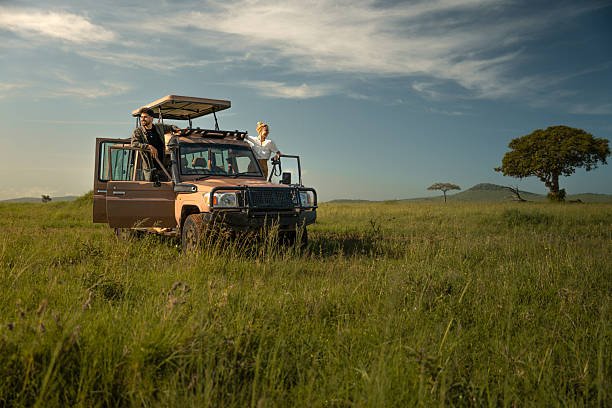
Understanding the Best Kilimanjaro Tour Cost: What Influences Your Budget?
Climbing Kilimanjaro is a significant undertaking, and understanding the best Kilimanjaro tour cost is crucial for planning. It’s not just about the sticker price; it’s about the value and experience you receive. Many trekkers new to Kilimanjaro climbs are surprised by the wide variation in prices quoted by different tour operators. This disparity is driven by a complex interplay of factors, each contributing to the overall cost and, importantly, the quality and safety of your expedition. As you look towards climbing in 2026 or 2027, arming yourself with this knowledge will help you make an informed decision and secure the best possible value for your adventure.
At Top Guide Adventures, we believe in transparent pricing. We want you to know exactly what you’re paying for, ensuring your climb is not only memorable but also safe and ethically managed. This guide will break down the essential components that determine the Kilimanjaro tour cost, helping you differentiate between a bargain and a genuine value proposition for your 2026-2027 climb.
Key Components Driving Kilimanjaro Tour Costs
The price you pay for a Kilimanjaro trek is a direct reflection of the services and resources required to safely and successfully guide you to the Roof of Africa. Here are the primary cost drivers:
1. National Park Fees and Government Taxes
These are non-negotiable and constitute a significant portion of the total cost. Mount Kilimanjaro National Park is a UNESCO World Heritage site, and entry fees are substantial. These fees cover:
- Park Entry Fees: A daily fee charged for every day you are inside the park.
- Camping/Hut Fees: Depending on your route and accommodation choice, you’ll pay fees for each night spent camping or in huts.
- Rescue Fees: A mandatory fee that contributes to the park’s rescue services, ensuring assistance is available should an emergency arise.
- Crater Rim Fees: Some routes, like the final ascent on Stella Point or Uhuru Peak, incur additional fees.
These fees are set by the Tanzania National Parks Authority (TANAPA) and are subject to change. While operators don’t profit from these, they must be factored into your Kilimanjaro tour cost. For 2026-2027, it’s wise to check for any announced increases in these park charges.
2. Guide and Porter Wages and Support
The safety and success of your climb depend heavily on your mountain crew. Ethical operators prioritize fair wages and good working conditions for their guides, assistant guides, and porters. This includes:
- Fair Wages: Paying competitive wages that meet or exceed industry standards.
- Proper Equipment: Providing waterproof tents, sleeping mats, and warm clothing for the crew.
- Sufficient Food: Ensuring the crew receives adequate and nutritious meals.
- Weight Limits: Adhering to regulations on the weight porters can carry to prevent injury.
- Insurance: Covering the crew for accidents and medical emergencies.
Operators who invest in their crew generally offer a higher quality and safer experience. Conversely, extremely low-cost tours might be cutting corners on crew welfare, which is a significant ethical concern and a safety risk. When evaluating the best Kilimanjaro tour cost, consider if the operator is a member of the Kilimanjaro Porters Assistance Project (KPAP) or adheres to similar ethical employment practices.
3. Route Choice and Duration
The route you select and how long you take to complete it directly impacts the price:
- Route Length: Longer routes (e.g., Lemosho, Machame, Northern Circuit) offer higher acclimatization rates and are generally more scenic, but they also mean more days in the park, increasing park fees and crew costs.
- Route Popularity & Scenery: Routes like Marangu (huts) and Machame are popular. Lemosho and the Northern Circuit are often considered more scenic and less crowded, but may have slightly higher costs due to logistics.
- Trek Duration: A 5-day trek is the shortest and cheapest, but has a very low success rate due to poor acclimatization. 7-day and 8-day treks offer significantly better acclimatization and higher success rates, making them a better value for the Kilimanjaro tour cost, especially for 2026-2027 climbs.
4. Operator Type and Service Level
The company you choose plays a massive role in the final price:
- Local vs. International Operators: Local Tanzanian operators like Top Guide Adventures often offer more competitive pricing because they have lower overheads and direct control over logistics. International operators may add markups.
- Group vs. Private Treks: Group treks are cheaper per person as costs are shared. Private treks offer more flexibility and exclusivity but come at a higher price point.
- Service Level: This encompasses the quality of tents, sleeping bags, mattresses, food, and the overall guide-to-client ratio. High-end operators provide more comfortable gear, gourmet meals, and a lower ratio for more personalized attention, increasing the Kilimanjaro tour cost.
5. Inclusions and Exclusions
Always scrutinize what is included in the quoted price. Common inclusions are:
- Park fees, rescue fees, camping/hut fees
- Salaries for guides, porters, and cooks
- All meals on the mountain
- Tents, cooking equipment, mess tent
- Drinking water
- Transfer to and from Kilimanjaro National Park gate and Moshi/Arusha
- Briefing and debriefing
Common exclusions that can significantly add to your Kilimanjaro tour cost include:
- Flights to and from Kilimanjaro International Airport (JRO)
- Visa fees
- Travel and medical insurance (mandatory)
- Personal climbing gear (boots, warm clothing, backpack, sleeping bag)
- Tips for the mountain crew (a significant expense, typically $200-$350 per trekker)
- Lunches and dinners in Moshi/Arusha before and after the climb
- Optional items like climbing poles or extra bottled water
- Personal expenses
Carefully comparing inclusions and exclusions is vital when assessing the best Kilimanjaro tour cost for your 2026-2027 adventure.
Kilimanjaro Tour Cost Ranges: What to Expect for 2026-2027
While exact prices vary, here are general cost ranges based on operator type and service level. These figures are estimates for 2026-2027 and assume a standard 7-day trek:
Estimated Kilimanjaro Tour Cost Ranges (Per Person, 7-Day Trek)
| Operator Type/Service Level | Estimated Cost (USD) | Key Characteristics |
|---|---|---|
| Budget/Basic Operator | $1,800 – $2,300 | Minimal inclusions, basic gear, lower crew wages, potentially longer treks for acclimatization, fewer support staff. Focus is on meeting minimum standards. |
| Mid-Range/Standard Operator (e.g., Top Guide Adventures) | $2,300 – $3,200 | Good quality gear, fair crew wages & tipping guidelines, balanced inclusions, 7-8 day treks recommended, reliable logistics, experienced guides. Offers excellent value. |
| Premium/Luxury Operator | $3,200 – $4,500+ | High-quality gear, excellent food, very low guide-to-client ratio, highest crew welfare standards, often includes additional support like oxygen, private toilets, and more experienced lead guides. |
| Private Treks | Add $300 – $1000+ to above ranges | Exclusive use of guides and crew for your group, offering flexibility in pace and start dates. Cost depends on group size and service level. |
Note: These prices are estimates for 2026-2027 and can fluctuate. Always request a detailed quote.
It is important to note that prices at the very low end (under $1,500) should be approached with extreme caution. Such prices often indicate significant compromises in safety, crew welfare, or the quality of equipment and logistics.
Choosing the Best Kilimanjaro Tour Cost: Route by Route Breakdown
The route you choose is one of the most significant factors influencing your Kilimanjaro tour cost. Each route has different lengths, entry points, and camping locations, affecting park fees and logistics. Here’s how popular routes typically stack up in terms of cost and duration for 2026-2027 climbs:
The Marangu Route: The “Coca-Cola” Route
- Duration: 5 or 6 days
- Accommodation: Mountain Huts
- Estimated Cost: Often at the lower end of the mid-range ($2,000 – $2,800 for 6 days), especially for 5-day options.
- Pros: Unique hut accommodation, shorter duration, more affordable.
- Cons: Less scenic, crowded, and the 5-day option has a very low success rate due to rapid ascent and poor acclimatization.
The Machame Route: The “Whiskey” Route
- Duration: 6 or 7 days (7 days recommended)
- Accommodation: Camping
- Estimated Cost: Mid-range ($2,300 – $3,200 for 7 days).
- Pros: High acclimatization profile, scenic, good success rates on 7-day+ itineraries.
- Cons: Popular and can be crowded, requires camping.
The Lemosho Route
- Duration: 7 or 8 days (8 days recommended)
- Accommodation: Camping
- Estimated Cost: Mid-to-upper range ($2,500 – $3,500 for 8 days).
- Pros: Very scenic, excellent acclimatization, high success rates, less crowded initially.
- Cons: Longer, slightly more expensive due to logistics to the starting point.
The Shira Route
- Duration: 7 or 8 days
- Accommodation: Camping
- Estimated Cost: Similar to Lemosho, mid-to-upper range ($2,500 – $3,500 for 8 days).
- Pros: High starting altitude aids acclimatization, scenic.
- Cons: Starts at a high altitude which can be challenging for some, longer and more expensive.
The Rongai Route
- Duration: 6 or 7 days (7 days recommended)
- Accommodation: Camping
- Estimated Cost: Mid-range ($2,300 – $3,100 for 7 days).
- Pros: Approaches from the drier northern side (good in rainy seasons), good acclimatization on 7-day itinerary.
- Cons: Less scenic on the approach compared to western routes.
The Northern Circuit
- Duration: 9 or 10 days
- Accommodation: Camping
- Estimated Cost: Upper range ($2,800 – $4,000+ for 9 days).
- Pros: Longest route, best acclimatization, highest success rates, most scenic, circumnavigates the mountain.
- Cons: Most expensive due to duration and logistics.
The Umbwe Route
- Duration: 6 or 7 days
- Accommodation: Camping
- Estimated Cost: Can be similar to Machame/Lemosho, but often marketed as a challenge ($2,400 – $3,300 for 7 days).
- Pros: Steepest and most direct route.
- Cons: Very challenging, poor acclimatization, lowest success rates, not recommended for first-time trekkers.
For 2026-2027, prioritizing acclimatization by choosing 7-day or longer treks on routes like Machame, Lemosho, or the Northern Circuit is highly recommended for a better chance of reaching the summit and enjoying the experience. This often means a higher Kilimanjaro tour cost, but it’s an investment in your success and safety.
Budgeting for Your Kilimanjaro Climb: Beyond the Tour Cost
The tour price is just one part of your overall budget. To accurately plan for your 2026-2027 Kilimanjaro adventure, consider these additional expenses:
Additional Costs to Factor into Your Kilimanjaro Budget:
- Flights: International flights to Kilimanjaro International Airport (JRO). Prices vary greatly based on origin and booking time. Book flights well in advance for 2026-2027.
- Visa: Tanzania visa requirements and fees.
- Travel Insurance: Comprehensive travel insurance is mandatory and must cover high-altitude trekking and emergency medical evacuation. Expect to pay $150 – $300.
- Personal Gear: While some operators may rent items, you’ll likely need to purchase or rent key gear like waterproof hiking boots, warm layers, a waterproof jacket and trousers, a warm hat, gloves, and a good quality sleeping bag. Budget $300 – $800+ for essential purchases.
- Tipping: This is a significant and expected part of the Kilimanjaro tour cost. A typical tipping guideline for a 7-day climb is: Lead Guide ($20-25/day), Assistant Guides ($15-20/day each), Cook ($10-15/day), Porters ($8-10/day each). For a group of 4 trekkers on a 7-day trip, this can easily add up to $800 – $1,200+ in total tips.
- Vaccinations and Medications: Consult your doctor for recommended vaccinations and malaria prophylaxis.
- Pre/Post Climb Accommodation: Hotels in Moshi or Arusha before and after your trek. Budget $50 – $150 per night.
- Personal Expenses: Souvenirs, extra snacks, drinks, laundry, etc.
By carefully accounting for these additional expenses, you can create a realistic budget for your Kilimanjaro climb in 2026 or 2027, avoiding any unpleasant surprises.
Finding the Best Value: Tips for Choosing an Operator
When searching for the best Kilimanjaro tour cost, remember that the cheapest option is rarely the best. Focus on value, safety, and ethical practices. Here’s how to choose wisely:
1. Prioritize Safety and Experience
- Guide Qualifications: Ensure guides are certified and have extensive experience on Kilimanjaro.
- Emergency Procedures: Ask about their emergency protocols, communication systems, and access to oxygen.
- Medical Support: Do they carry comprehensive first-aid kits and have trained medics?
2. Investigate Crew Welfare
- Ethical Practices: Look for operators who are transparent about porter wages and working conditions. Membership in KPAP or similar organizations is a strong indicator.
- Weight Limits: Confirm they adhere to porter weight limits.
- Crew Gear: Ensure the crew is provided with adequate tents, sleeping bags, and clothing.
3. Scrutinize Inclusions and Exclusions
- Detailed Itinerary: Request a day-by-day itinerary and a clear list of what’s included and excluded.
- Park Fees: Confirm that all mandatory park fees are covered.
- Tipping Policy: Understand their tipping guidelines and whether they are included or separate.
4. Read Reviews and Testimonials
- Independent Reviews: Check platforms like TripAdvisor for recent reviews from other trekkers.
- Operator Websites: While reviews on operator sites can be helpful, cross-reference with independent sources.
5. Communication and Responsiveness
A good operator will be responsive to your questions and provide clear, detailed information. This is a good sign of their professionalism and commitment to client care, which is vital for a successful Kilimanjaro climb in 2026-2027.
6. Local vs. International Operators
Local Tanzanian operators, like Top Guide Adventures, often provide excellent value. They have in-depth knowledge of the mountain, strong relationships with local guides and porters, and typically lower overheads, translating into more competitive pricing for the best Kilimanjaro tour cost without compromising quality or ethics.
Ethical Considerations and Their Impact on Cost
The ethical treatment of the mountain crew is a critical aspect of any Kilimanjaro climb. Tour operators committed to ethical practices invest more in their staff, which naturally influences the Kilimanjaro tour cost. This investment is crucial for:
- Fair Wages: Ensuring guides and porters earn a living wage that allows them to support their families. Low wages can lead to poor morale, reduced service, and potentially dangerous shortcuts.
- Proper Gear: Providing adequate shelter, warm clothing, and footwear for the crew protects them from the harsh mountain conditions and reduces the risk of illness or injury.
- Sufficient Food: A well-fed crew is a healthy and energetic crew. Operators must provide nutritious meals for their staff, comparable to what trekkers receive.
- Reasonable Loads: Adhering to weight limits for porters prevents overexertion and long-term health problems.
While these ethical considerations might slightly increase the upfront Kilimanjaro tour cost, they are fundamental to a responsible and sustainable tourism model. Choosing an operator with strong ethical credentials ensures your climb contributes positively to the local community and prioritizes the well-being of the people who make your ascent possible. For 2026-2027, travelers are increasingly seeking out operators who demonstrate a genuine commitment to these principles.
When to Book Your Kilimanjaro Climb for 2026-2027
Booking your Kilimanjaro climb in advance is highly recommended, especially if you are targeting specific dates or wish to secure a spot with a preferred operator. For 2026-2027:
- Peak Seasons: The busiest and most popular times to climb are January-March and June-October. These periods offer the best weather conditions. For these times, booking 6-12 months in advance is advisable.
- Shoulder Seasons: April-May and November-December can be less crowded and may offer slightly more flexibility, but weather can be unpredictable. Booking 3-6 months in advance is usually sufficient.
- Flexibility: If you are flexible with your dates, you might find more availability closer to your travel time, but it’s still wise to book at least 4-6 months ahead to secure your preferred operator and route.
Early booking not only secures your preferred dates but can sometimes allow you to lock in current pricing before any potential increases for the upcoming season, helping you manage your Kilimanjaro tour cost.
Frequently Asked Questions About Kilimanjaro Tour Costs
Here are answers to common questions regarding the best Kilimanjaro tour cost for 2026-2027:
Q1: What is the average cost for a 7-day Kilimanjaro climb in 2026-2027?
A1: The average cost for a 7-day Kilimanjaro climb with a reputable, mid-range operator like Top Guide Adventures typically falls between $2,300 and $3,200 per person. This includes park fees, crew wages, meals, and essential equipment.
Q2: Are cheaper Kilimanjaro tours safe?
A2: While not all budget tours are unsafe, extremely low prices (under $1,500) often indicate compromises in safety protocols, crew welfare, equipment quality, or guide experience. It’s crucial to research any operator thoroughly, regardless of price, but be wary of prices that seem too good to be true.
Q3: What is the biggest additional cost after the tour price?
A3: The most significant additional cost is usually tipping the mountain crew. For a standard 7-day climb, budget approximately $200 to $350 per person for tips, depending on group size and the specific crew members.
Q4: Does the route affect the Kilimanjaro tour cost?
A4: Yes, significantly. Longer routes like the Northern Circuit (9-10 days) are more expensive due to more park days and crew costs than shorter routes like Marangu (5-6 days). Routes requiring more complex logistics to reach the starting point, like Lemosho, can also be slightly pricier.
Q5: Are Kilimanjaro tours in 2026-2027 expected to be more expensive than in previous years?
A5: While prices remain competitive, slight increases due to inflation, rising operational costs, and potential adjustments in park fees by TANAPA are possible for 2026-2027. Booking in advance can help secure current rates.
Q6: What does a “private climb” mean for Kilimanjaro tour cost?
A6: A private climb means you have a dedicated guide and crew solely for your group. This offers flexibility in pace and start dates but increases the per-person Kilimanjaro tour cost compared to joining a group. The difference can range from $300 to over $1,000 per person, depending on the operator and group size.
Making Your Kilimanjaro Dream a Reality with Top Guide Adventures
Choosing the right operator is paramount when planning your Kilimanjaro ascent. At Top Guide Adventures, we are dedicated to providing safe, ethical, and unforgettable climbing experiences. We understand that the best Kilimanjaro tour cost is one that offers exceptional value, prioritizing your safety, the well-being of our crew, and the integrity of the mountain environment.
We offer a range of routes and durations tailored to different fitness levels and preferences, ensuring you find the perfect fit for your 2026 or 2027 climb. Our transparent pricing includes all necessary park fees, fair crew wages, quality equipment, and nutritious meals, ensuring you know exactly what to expect. We are committed to best practices in crew welfare, working closely with our guides and porters to ensure they are well-compensated and equipped.
Ready to take the first step towards summiting Kilimanjaro? Let us help you plan your adventure. For personalized advice on the best Kilimanjaro tour cost for your specific needs, detailed itineraries, and booking information for 2026-2027, please don’t hesitate to contact us:
- WhatsApp: +255616946642
- Email: topguideadventures@gmail.com
- Backup Email: info@topguideadventurestanzania.com
Visit our website at Top Guide Adventures Tanzania to explore our offerings and start planning your incredible journey to the Roof of Africa.
Check Availability for Best Kilimanjaro Tour Cost: Expert Guide To Pricing In 2026-2027
Ready to compare dates, prices, and the best option for your group? Send the package name and travel month so the team can reply with a clear quote, availability, and what is included.
Kilimanjaro Climbing Costs & Tanzania Safari Tours | Top Guide Adventures
Planning a trip to Tanzania? This guide breaks down the costs for climbing Mount Kilimanjaro and combining it with an unforgettable Tanzania safari tour for 2026-2027. Learn about pricing...
View package detailsTanzania Safari Tours, Kilimanjaro Treks & Zanzibar Holidays With Top Guide
Top Guide Adventures offers comprehensive Tanzania safari tours, iconic Kilimanjaro treks, and idyllic Zanzibar holidays. Discover the best of East Africa with personalized itineraries...
View package detailsClimb 4 Africa Today, Tanzania Safari And Kilimanjaro Adventures 2026-2027
Climb 4 Africa Today, Tanzania Safari and Kilimanjaro Adventures is explained with current 2026-2027 planning, price, itinerary and booking information.
View package detailsDiscount Tanzania Treks And Affordable Safari Packages In 2026-2027
Discover how to plan discount Tanzania treks and affordable safari packages for your 2026-2027 adventure. This comprehensive guide covers budget-friendly options for iconic destinations...
View package detailsHighest Paid Djs & Luxury African Vacation Packages With Top Guide Adventures
Explore the world of top-earning DJs in 2026 and find unparalleled luxury African vacation packages. Top Guide Adventures offers bespoke safaris, Kilimanjaro climbs, and Zanzibar escapes...
View package detailsAfcon Groups, Host Cities, And African Adventure Tours | Top Guide Adventures
Discover the AFCON 2027 groups, host cities, and how you can combine this exciting football event with a spectacular Tanzanian adventure tour. Top Guide Adventures offers tailored safaris...
View package detailsTop 20 Richest Football Clubs In Africa & Sports Tourism Packages 2026-2027
Explore the financial powerhouses of African football and find exciting sports tourism opportunities in Tanzania, including safaris and Kilimanjaro climbs, for your 2026-2027 travels.
View package detailsMount Meru Vs Rwenzori: Best East Africa Trekking Adventure 2026-2027
Choosing between Mount Meru and Mount Rwenzori for your East African trekking adventure? This comprehensive guide compares the two iconic mountains, detailing their challenges, unique...
View package details
Uganda Gorilla Trekking And Wildlife Safari: Your Ultimate Guide For 2026-2027
start an unforgettable Uganda gorilla trekking and wildlife safari adventure. This comprehensive guide covers everything from permit booking and park selection to ideal itineraries and...
View package detailsNo related package matches those filters. Clear one or more filters to see the other topic-matched options.



