
The top safari destinations in Tanzania for 2026-2027 are undeniably the Serengeti National Park for its vast plains and the Great Migration, the Ngorongoro Conservation Area for its dense wildlife population within a caldera, and Tarangire National Park, especially during the dry season for its elephant herds and baobab trees. Other essential stops for a comprehensive Tanzanian safari experience include Lake Manyara National Park for its tree-climbing lions and diverse birdlife, and the less-visited but spectacular parks of Ruaha National Park and Selous Game Reserve (Nyerere National Park) for a more remote and wild encounter.

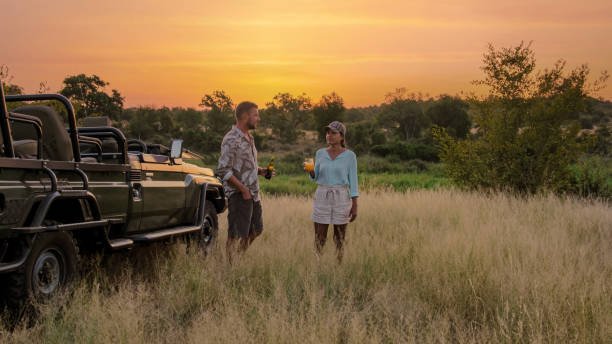
Discovering Tanzania’s Premier Safari Hotspots
Tanzania stands as a titan in the world of wildlife tourism, offering an unparalleled safari experience that draws visitors from every corner of the globe. For those planning an African adventure in 2026 or 2027, understanding the distinct allure of each prime destination is key to crafting an unforgettable journey. This guide delves deep into the heart of Tanzania’s most celebrated parks and reserves, providing insights into what makes each location a must-visit for any safari enthusiast. From the iconic Great Migration in the Serengeti to the unique ecosystem of the Ngorongoro Crater, and the sprawling elephant populations of Tarangire, Tanzania presents a diverse canvas of natural wonders.
The Serengeti: Crown Jewel of Tanzanian Safaris
No discussion of top safari destinations in Tanzania would be complete without starting with the Serengeti. Its name, derived from the Maasai word ‘Siringet’ meaning ‘endless plains,’ perfectly encapsulates its vastness and the sheer scale of its wildlife spectacles. For visitors in 2026-2027, the Serengeti offers a quintessential African safari experience, characterized by its boundless savannas dotted with acacia trees and teeming with an astonishing array of wildlife.
The Great Migration: A Natural Phenomenon
The Serengeti is globally renowned for hosting the Great Migration, one of the planet’s most awe-inspiring natural events. Each year, over 1.5 million wildebeest, along with hundreds of thousands of zebras and gazelles, undertake a colossal journey across the Serengeti-Mara ecosystem in search of fresh grazing lands. This circular migration is dictated by the rains, and its precise timing can vary slightly year to year, making it a dynamic spectacle to witness.
- January-March: The migration is typically in the southern Serengeti, around the Ndutu area, where wildebeest give birth to their calves. This period offers incredible opportunities to witness predator-prey interactions as lions, cheetahs, and hyenas capitalize on the vulnerable newborns.
- April-May: This is the ‘long rains’ season, and the herds begin their northward trek, moving towards the central and western Serengeti. This is often a quieter period for tourism, with greener landscapes and fewer crowds, potentially offering more intimate wildlife encounters.
- June-August: The herds reach the Grumeti River in the western Serengeti and then head north towards the Mara River, which forms part of the border with Kenya’s Maasai Mara. Crossing these rivers is one of the most dramatic and sought-after sights of the migration, with crocodiles lurking in the waters. Expect peak season crowds and prices during these months.
- September-October: The migration is often found in the northern Serengeti, with river crossings continuing. The herds then start to turn southwards again.
- November-December: The migration moves back towards the southern plains, often following the seasonal rains.
Planning your 2026 or 2027 safari to coincide with specific stages of the migration requires careful consideration of the best viewing locations and times. Top Guide Adventures can help tailor your itinerary to maximize your chances of witnessing this incredible event.
Beyond the Migration: Resident Wildlife
Even outside of the migration’s peak, the Serengeti boasts an exceptionally high density of resident wildlife. It is one of the best places in Africa to see the ‘Big Five’ – lion, leopard, elephant, buffalo, and rhinoceros. The park’s diverse habitats, including grasslands, woodlands, and riverine forests, support a rich variety of species.
- Lions: The Serengeti is home to one of the largest populations of lions in Africa, with numerous prides inhabiting different territories.
- Leopards: These elusive cats are more commonly found in wooded areas and along riverbanks, particularly in the central and western Serengeti.
- Elephants: While not as concentrated as in Tarangire, elephants are present throughout the Serengeti, often seen in family herds.
- Buffalo: Large herds of Cape buffalo are a common sight, especially near water sources.
- Rhinos: Black rhinos are present but are rare and difficult to spot, with the Seronera area being a slightly better, though still challenging, location.
Exploring the Serengeti: Key Areas
The Serengeti is vast, and different regions offer unique safari experiences:
- Seronera Valley (Central Serengeti): Known for its year-round resident wildlife, especially big cats. It’s a popular area with good infrastructure and high chances of sightings.
- Grumeti River (Western Serengeti): Famous for its dramatic river crossings during the migration (June-July) and a healthy population of crocodiles and hippos.
- Mara River (Northern Serengeti): The site of spectacular migration river crossings (July-October).
- Ndutu Plains (Southern Serengeti/Ngorongoro Conservation Area): The calving grounds of the migration (December-March).
The Ngorongoro Crater: A Natural Amphitheater of Wildlife
Adjacent to the Serengeti, the Ngorongoro Conservation Area (NCA) offers a distinctly different, yet equally spectacular, safari experience. The crown jewel here is the Ngorongoro Crater, a UNESCO World Heritage Site and one of the largest intact volcanic calderas on Earth. Its sheer walls enclose a remarkable ecosystem supporting an astonishing density of wildlife.
A Unique Ecosystem
The crater floor, covering approximately 260 square kilometers, is a microcosm of African landscapes, featuring grasslands, swamps, forests, and a soda lake. This diverse environment provides sustenance for a staggering number of animals year-round. Unlike the Serengeti, the Ngorongoro Crater is not primarily known for the Great Migration, as most of the wildebeest and zebras move through but don’t stay year-round. However, its resident population is what makes it truly exceptional.
Unrivaled Wildlife Density
The crater is famously home to the ‘Big Five,’ and the chances of spotting them here are exceptionally high. It is one of the best places in Tanzania, and indeed Africa, to see black rhinos, which are critically endangered and often elusive elsewhere. The dense population of predators, including lions, cheetahs, and spotted hyenas, makes for thrilling game viewing.
- Rhinos: The crater boasts a healthy population of black rhinos, making it a prime location for spotting these rare animals.
- Lions: The Ngorongoro lions are known for their large size and unique habit of sometimes climbing onto the crater rim or even into trees.
- Elephants: While not as massive as those in Tarangire, the crater’s elephants are often larger than average due to the rich vegetation.
- Buffalo: Large herds are a common sight, often seen grazing on the open plains.
- Hippos: The soda lake and surrounding swamps are home to numerous hippos.
Logistics and Experience
Access to the crater floor is strictly controlled, with a limited number of vehicles allowed per day to minimize environmental impact. This means that while you will encounter other safari-goers, the experience is generally managed to preserve its natural beauty. Game drives typically last for a few hours, and descending into the crater is an adventure in itself, offering panoramic views.
Visitors planning for 2026-2027 should be aware that crater access requires a permit and has specific time limits. For a more exclusive experience, consider a private safari with Top Guide Adventures, allowing for flexible timing within the park’s regulations.
Tarangire National Park: Land of Giants and Baobabs
Located south of Lake Manyara, Tarangire National Park is a vital dry-season sanctuary, particularly for elephants. Its landscape is dominated by ancient baobab trees, which stand like sentinels across the savanna, creating a uniquely picturesque setting.
Elephant Haven
Tarangire is renowned for its massive elephant herds, which can number in the hundreds, especially during the dry season (June to October). These gentle giants are often seen congregating around the Tarangire River, the park’s only permanent water source. The sheer number of elephants, combined with their impressive size, makes for an unforgettable spectacle.
Dry Season Magnet
During the dry months, when water sources in surrounding areas dry up, animals from neighboring areas migrate into Tarangire, concentrating along the Tarangire River. This makes it an exceptional destination for spotting a wide variety of wildlife, including lions, leopards, cheetahs, giraffes, zebras, and numerous antelope species.
- Predators: Lions are commonly seen, often lounging in the shade of trees or patrolling the riverbanks. Leopards are also present but are more elusive.
- Birds: Tarangire is a birdwatcher’s paradise, with over 550 species recorded. The park is particularly noted for its large flocks of colorful birds, including various hornbills, rollers, and the striking yellow-necked spurfowl.
Unique Landscape
The park’s iconic baobab trees, with their thick, water-storing trunks, add a prehistoric feel to the landscape. These majestic trees are a photographer’s delight and provide essential shade and food for many animals.
Tarangire is an excellent addition to any northern circuit safari, offering a different feel from the Serengeti and Ngorongoro. Planning your 2026-2027 safari to include Tarangire during the dry season promises excellent game viewing.
Lake Manyara National Park: Tree-Climbing Lions and Birdlife
located at the foot of the Great Rift Valley, Lake Manyara National Park is a compact yet diverse park, famous for its diverse habitats and iconic wildlife.
Tree-Climbing Lions
Lake Manyara is one of the few places where lions are known to regularly climb trees. While the exact reason for this behavior is debated, it’s thought to be an adaptation to escape the heat or the large numbers of biting insects that plague the area. Spotting these arboreal felines is a memorable highlight for many visitors.
Birdwatcher’s Paradise
The park’s shallow, alkaline lake attracts an incredible array of birdlife, with over 400 species recorded. Flamingos are a common sight, often forming vast pink carpets on the lake’s surface. Other notable species include pelicans, storks, cormorants, and various raptors.
Diverse Habitats
Lake Manyara encompasses groundwater forests, acacia woodlands, and the lake shore itself, supporting a variety of animals. Visitors can expect to see large herds of buffalo, baboons, giraffes, zebras, hippos, and elephants.
Lake Manyara is often visited as a day trip or as a stopover on the way to the Serengeti or Ngorongoro, but an overnight stay allows for a more relaxed exploration and potentially more rewarding wildlife sightings. Consider it for your 2026-2027 itinerary for a concentrated dose of Tanzania’s wildlife diversity.
Southern Tanzania: Ruaha and Nyerere National Park (Selous)
While the Northern Circuit (Serengeti, Ngorongoro, Tarangire, Lake Manyara) is the most popular, Tanzania’s southern parks offer a wilder, more remote, and less crowded safari experience. These destinations are ideal for travelers seeking solitude and a truly off-the-beaten-path adventure.
Ruaha National Park: Untamed Wilderness
Ruaha is Tanzania’s largest national park and offers an experience of raw, untamed wilderness. It is characterized by its dramatic rocky escarpments, large baobab trees, and the Great Ruaha River, which is a lifeline for wildlife during the dry season.
- Predator Haven: Ruaha is particularly famous for its large lion prides and is considered one of the best places in East Africa to see cheetahs and leopards. It also hosts a significant population of wild dogs.
- Elephants: The park has a healthy elephant population, often seen in large herds.
- Rhinos: While black rhinos are present, they are rare.
Ruaha’s remoteness means fewer tourists, offering a more exclusive and authentic safari. Access is typically by light aircraft from Dar es Salaam or other hubs, making it a destination for those looking for a more adventurous journey in 2026 or 2027.
Nyerere National Park (formerly Selous Game Reserve): Vast and Varied
Nyerere National Park, formerly the Selous Game Reserve, is one of the largest game reserves in Africa. It offers a unique blend of safari activities, including game drives, walking safaris, and boat safaris along the Rufiji River.
- Diverse Activities: The Rufiji River is a highlight, providing opportunities to see hippos, crocodiles, and abundant birdlife from a boat. Walking safaris offer an intimate connection with the bush.
- Abundant Wildlife: Nyerere is known for its large herds of elephants and buffalo, as well as significant populations of wild dogs, lions, and leopards.
- Rhinos: The park is a crucial sanctuary for black rhinos, though sightings remain challenging.
Nyerere’s vast size and varied terrain mean that different areas offer different experiences. The northern part is more accessible and popular for game drives, while the southern parts offer a more rugged and remote adventure. For those seeking a comprehensive southern Tanzania safari in 2026-2027, Nyerere is an exceptional choice.
Planning Your Tanzanian Safari in 2026-2027: Key Considerations
Choosing the right safari destination is just the first step. Successful planning involves understanding the best times to visit, accommodation options, and how to make the most of your safari experience.
Best Time to Visit
Tanzania can be visited year-round, but the best time depends on your priorities:
- Dry Season (June to October): Ideal for wildlife viewing as animals congregate around water sources. This is also peak season, so expect higher prices and more crowds. Excellent for seeing the migration river crossings in the Serengeti.
- Wet Season (November to May): Offers lush green landscapes, fewer crowds, and lower prices. The ‘green season’ is perfect for birdwatching and photography. The calving season in the southern Serengeti (December-March) is a major draw.
For 2026-2027, consider the specific wildlife events you wish to witness when selecting your travel dates. The shoulder seasons (e.g., late May/early June, November) can offer a good balance of weather, wildlife, and fewer crowds.
Accommodation Options
Tanzania offers a range of accommodation to suit different budgets and preferences:
- Luxury Lodges: Offer opulent comfort, fine dining, and exceptional service, often in prime locations.
- Mid-Range Tented Camps: Provide a comfortable and authentic safari experience, with canvas tents often featuring en-suite bathrooms.
- Budget Camps/Campsites: For the adventurous and budget-conscious traveler, offering basic but clean facilities.
Top Guide Adventures specializes in crafting tailor-made safaris, ensuring your accommodation aligns perfectly with your desired experience and budget for your 2026-2027 trip.
Safari Styles
Your safari can be customized in terms of style:
- Group Safaris: A more budget-friendly option, sharing a vehicle and itinerary with other travelers.
- Private Safaris: Offer maximum flexibility, exclusivity, and personalized attention. You have a private vehicle and guide.
- Fly-in Safaris: Ideal for reaching remote parks like Ruaha or Nyerere quickly, often combined with lodge stays.
What to Pack
Pack light, neutral-colored clothing (khaki, beige, olive green) to blend in with the environment. Essentials include:
- Lightweight long-sleeved shirts and trousers
- Warm fleece or jacket for cool mornings and evenings
- Comfortable walking shoes and sandals
- Sun hat, sunglasses, and high SPF sunscreen
- Insect repellent
- Binoculars
- Camera with extra batteries and memory cards
- Personal first-aid kit
Health and Safety
Consult your doctor regarding necessary vaccinations and malaria precautions well in advance of your 2026-2027 trip. It’s advisable to drink bottled water and take precautions against insect bites.
Why Choose Top Guide Adventures for Your Tanzanian Safari?
Planning a safari to the top destinations in Tanzania can feel complex, but with the right partner, it becomes an exciting journey. Top Guide Adventures is dedicated to providing exceptional safari experiences across Tanzania. We offer personalized attention, expert guiding, and comprehensive travel planning, ensuring your 2026 or 2027 adventure is everything you dreamed of and more.
Our services include:
- Tailor-Made Safaris: We design itineraries based on your interests, budget, and time constraints, covering all the top safari destinations in Tanzania.
- Expert Local Guides: Our guides are knowledgeable, experienced, and passionate about Tanzania’s wildlife and culture.
- Comprehensive Packages: We arrange everything from park fees and accommodation to transfers and activities.
- Support: We offer dedicated support throughout your journey, ensuring a smooth and memorable experience.
Whether you dream of witnessing the Great Migration in the Serengeti, exploring the Ngorongoro Crater, or venturing into the wilder southern parks, we are here to help you plan the perfect Tanzanian safari for 2026-2027. Get in touch to start planning your adventure.
Contact us today:
- WhatsApp: +255616946642
- Email: topguideadventures@gmail.com
- Backup Email: info@topguideadventurestanzania.com
Let Top Guide Adventures guide you through the wonders of Tanzania’s top safari destinations. We look forward to helping you create lasting memories in 2026 and 2027.
Check Availability for Top Safari Destinations In Tanzania For : Your Ultimate Guide 2026-2027
Ready to compare dates, prices, and the best option for your group? Send the package name and travel month so the team can reply with a clear quote, availability, and what is included.



