
The average Kilimanjaro price to climb for a guided trek in 2026-2027 typically ranges from $2,000 to $4,500 USD per person for standard packages. This cost is influenced by the chosen route, trek duration, operator’s service level, and what is included (e.g., park fees, crew wages, accommodation, meals, equipment). Shorter, less popular routes or budget operators might fall below this range, while longer, more scenic routes or premium services will be at the higher end.
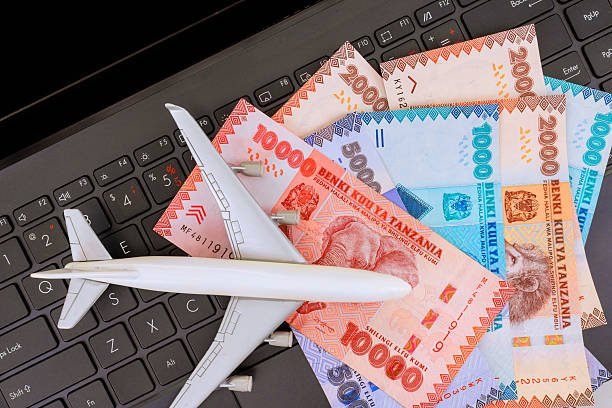
Understanding Kilimanjaro Price Factors for 2026-2027 Treks
Mount Kilimanjaro, the Roof of Africa, is a dream destination for many adventurers. When planning your ascent, especially for the 2026-2027 seasons, understanding the factors that contribute to the Kilimanjaro price to climb is essential. It’s not just about a single number; it’s about the value and experience you receive. The cost can vary significantly, and knowing what drives these differences will help you make an informed decision and choose a reputable operator that offers a safe and memorable journey.
At Top Guide Adventures, we believe in transparency. We aim to provide clear insights into what goes into the price of climbing Kilimanjaro, so you can plan your budget with confidence for your 2026 or 2027 expedition. This comprehensive guide will break down the core components of the Kilimanjaro price, helping you compare options and understand the investment in this incredible undertaking.
The Core Components of Kilimanjaro Climb Costs
Several key elements contribute to the overall Kilimanjaro price to climb. These are non-negotiable costs that every operator must cover to ensure a safe and successful trek. Understanding these will demystify pricing and highlight why some trips are more expensive than others.
- Park Fees: These are mandated by the Tanzanian government and are a significant portion of the total cost. They cover entry into Kilimanjaro National Park, camping or hut fees, and rescue services. These fees are fixed for all operators.
- Crew Wages and Support: This includes the salaries for your guides, porters, and cook. Fair wages are crucial for a motivated and experienced team, directly impacting safety and your experience. Reputable companies pay their staff well above the minimum.
- Food and Water: High-quality, nutritious meals are provided throughout the trek. This includes breakfast, lunch, and dinner, often prepared by your dedicated cook. Safe drinking water is also supplied daily.
- Equipment: While you’ll bring personal gear, the operator provides essential camping equipment (tents, mess tents, cooking gear) and often emergency equipment like oxygen cylinders and a medical kit.
- Logistics and Transportation: This covers transport from your arrival point (e.g., Kilimanjaro International Airport or Moshi) to the park gate and back, as well as transporting crew and supplies to the starting points.
- Accommodation: Before and after the climb, you’ll need accommodation. Some packages include this, while others might leave it as an optional extra. Pre- and post-climb hotels are a significant part of the overall trip cost.
- Safety and Medical Support: This includes the provision of oxygen, comprehensive medical kits, and potentially a portable hyperbaric chamber (Gamow bag), along with trained guides in first aid. It also covers the park’s rescue fees.
- Company Overhead and Profit: Like any business, tour operators have operational costs, including marketing, administration, insurance, and a profit margin. This ensures the company can sustain its operations and invest in its team and equipment.
When comparing the Kilimanjaro price to climb, always check what is included. A lower price might seem attractive, but it could mean fewer inclusions, leading to unexpected extra costs later.
Key Takeaway: Park Fees are Fixed
Park fees are a substantial, fixed cost set by the Tanzanian government. They are the same for every operator. Therefore, a significantly lower Kilimanjaro price to climb from one company compared to another often indicates that they are cutting costs elsewhere, potentially impacting crew welfare, food quality, equipment, or safety standards.
Kilimanjaro Route Choice: A Major Driver of Kilimanjaro Price
The route you choose to ascend Kilimanjaro is one of the most significant factors influencing the Kilimanjaro price to climb. Each route has a different duration, difficulty, scenery, and popularity, all of which impact the overall cost.
Popular Routes and Their Typical Price Influence (2026-2027)
Here’s a look at the most common routes and how they generally affect the price:
- Marangu Route (Coca-Cola Route): This is often the most budget-friendly option. It’s the shortest route (5-6 days), uses unique dormitory-style huts instead of camping, and has a higher summit success rate due to its gradual ascent. Its shorter duration and simpler logistics contribute to a lower Kilimanjaro price to climb. Expect prices in the $1,500 – $2,500 USD range for a 5-day trek.
- Machame Route (Whiskey Route): This is the most popular route, known for its scenic beauty and good acclimatization profile. It typically takes 6-7 days. The longer duration and higher demand generally place it in the mid-to-upper range of Kilimanjaro pricing, often between $2,000 – $3,500 USD.
- Lemosho Route: Considered one of the most beautiful routes, Lemosho offers excellent acclimatization and stunning views. It’s longer, typically 7-8 days, which increases costs due to more days of crew, food, and park fees. Prices for Lemosho usually fall between $2,300 – $3,800 USD.
- Shira Route: Similar to Lemosho but starts at a higher altitude, potentially impacting acclimatization for some. It also typically takes 7-8 days, with pricing comparable to Lemosho, around $2,400 – $3,900 USD.
- Rongai Route: This route approaches from the north, making it a good option during the rainy seasons as it’s drier. It’s less crowded and offers a different perspective. It typically takes 6-7 days, with prices similar to Machame or Lemosho, around $2,100 – $3,600 USD.
- Northern Circuit: This is the longest route (9-10 days), offering the highest summit success rate due to superior acclimatization and circling the mountain’s northern slopes. The extended duration significantly increases the Kilimanjaro price to climb, often ranging from $2,800 – $4,500+ USD.
- Umbwe Route: The most challenging and steepest route, generally taken by experienced trekkers. It’s the shortest and fastest, but with a very low success rate due to poor acclimatization. While shorter, the need for highly experienced guides and potentially more support can sometimes offset the cost savings from duration, placing it in a similar range to other 6-7 day treks, or potentially higher if specialized support is required.
Important Note for 2026-2027: While route popularity and duration are key factors, operators may adjust their pricing slightly year-on-year based on inflation and operational costs. Always check the latest pricing for your chosen year.
Route Duration vs. Price
Longer routes generally mean a higher Kilimanjaro price to climb. This is because you pay for more days of park fees, crew salaries, food, and support. However, longer routes also offer better acclimatization, significantly increasing your chances of reaching the summit safely. For 2026-2027, consider prioritizing acclimatization over the shortest, cheapest option.
Operator Type and Service Level: Impacting Kilimanjaro Price
The type of operator you choose and the level of service they provide are critical determinants of the Kilimanjaro price to climb. Not all tour companies are created equal, and their operational models and standards vary widely.
Budget Operators vs. Mid-Range vs. Premium/Luxury
The spectrum of operators generally falls into three categories:
- Budget Operators: These companies often offer the lowest prices. They may achieve this by cutting costs on crew wages, using lower-quality equipment, providing simpler meals, or having larger group sizes. While tempting, these operators can pose risks to your safety and overall experience. Their Kilimanjaro price to climb might start from around $1,400 – $2,000 USD.
- Mid-Range Operators: This is where most reputable companies, including Top Guide Adventures, fall. They balance competitive pricing with high-quality service, fair crew wages, good equipment, and robust safety protocols. They offer a good value proposition, ensuring a safe and enjoyable climb. Expect prices in the $2,000 – $3,500 USD range.
- Premium/Luxury Operators: These companies offer a higher level of service, often including more comfortable accommodation before and after the climb, private toilet tents, higher guide-to-client ratios, specialized meals, and often smaller group sizes. The Kilimanjaro price to climb with these operators can range from $3,000 to $5,000+ USD.
What Differentiates Service Levels?
Beyond the basic inclusions, several factors contribute to the service level and thus the price:
- Crew Welfare: Reputable operators pay their guides, porters, and cooks significantly above the minimum wage, provide them with proper gear, adequate food, and ensure they are not overloaded. This is a crucial ethical and safety consideration.
- Group Size: Smaller groups often mean more personalized attention from guides and a better overall experience. Larger groups might be cheaper per person but can feel less intimate.
- Equipment Quality: High-quality tents (sleeping, mess, toilet), sleeping mats, and cooking gear make a significant difference in comfort and protection against the elements.
- Food Quality and Variety: Good operators provide varied, nutritious, and delicious meals prepared by experienced cooks.
- Safety Protocols: This includes the availability of emergency oxygen, trained medical guides, and communication devices. Some operators also use portable altitude chambers.
- Guide Experience: Highly experienced, certified guides are invaluable. They manage acclimatization, recognize altitude sickness symptoms, and lead you safely.
Choosing Wisely for 2026-2027
For your 2026-2027 Kilimanjaro climb, prioritizing safety and crew welfare is paramount. While budget options exist, investing in a mid-range or premium operator often translates to a safer, more comfortable, and ultimately more successful climb. The Kilimanjaro price to climb should reflect a commitment to quality and responsible tourism.
Inclusions and Exclusions: Decoding the Kilimanjaro Price
When you receive a quote for your Kilimanjaro price to climb, it’s vital to scrutinize the list of inclusions and exclusions. This is where significant discrepancies can arise between operators, leading to unexpected costs if not clarified upfront.
Common Inclusions in Kilimanjaro Packages
A comprehensive Kilimanjaro package from a reputable operator typically includes:
- All park and conservation fees (entry, camping/hut, rescue)
- Wages for your professional guides, assistant guides, cook, and porters
- All meals on the mountain (breakfast, lunch, dinner)
- Boiled and purified drinking water on the mountain
- Tents (sleeping tents, mess tent, toilet tent)
- Cooking equipment and fuel
- Group climbing equipment (e.g., oxygen cylinders, medical kit)
- Porters to carry group gear and your duffel bag (usually up to a certain weight limit, e.g., 15 kg / 33 lbs)
- Accommodation in Moshi or Arusha before and after the climb (often 2-3 nights)
- Airport transfers to and from Kilimanjaro International Airport (JRO)
- Briefing session before the climb
- Climb certificate
Common Exclusions (and Potential Extra Costs)
Be aware of what is typically *not* included, as these items will add to your overall Kilimanjaro price to climb:
- International flights to Tanzania
- Visa fees for Tanzania
- Travel and medical insurance (mandatory for Kilimanjaro climbs)
- Personal climbing gear (e.g., sleeping bag, hiking boots, clothing, backpack)
- Tips for guides, porters, and cooks (a significant cultural expectation and budget item)
- Lunches and dinners in town before/after the climb (unless specified)
- Alcoholic beverages, soft drinks, and extra bottled water
- Personal expenses (e.g., souvenirs, laundry)
- Optional items like climbing poles or sleeping bag rental
- Vaccinations and medications
- Climb summit bonus for porters (sometimes included, sometimes separate)
Before You Book: Check the Inclusions List
Always request a detailed itinerary and inclusions list. Compare this list carefully between operators. A package that includes accommodation in town and airport transfers often represents better value and a clearer Kilimanjaro price to climb. Don’t forget to budget for tips, which can add 10-15% to the total cost of the climb itself.
Tipping on Kilimanjaro: A Significant Part of the Overall Cost
Tipping is a deeply ingrained cultural practice on Kilimanjaro and is a significant component of the overall Kilimanjaro price to climb, even if not always explicitly listed in the initial quote. It’s how guides, porters, and cooks supplement their income, and it reflects your appreciation for their hard work and dedication.
Recommended Tipping Guidelines (2026-2027)
While operators will provide specific guidelines, a common range for tipping per climbing group (not per person) is as follows:
- Lead Guide: $20 – $25 USD per day
- Assistant Guide(s): $15 – $20 USD per day per assistant guide
- Cook: $15 – $20 USD per day
- Porters: $10 – $15 USD per day per porter
Example Calculation for a 7-Day Machame Climb (per group):
Let’s assume a group of 4 climbers with 1 lead guide, 2 assistant guides, 1 cook, and 10 porters for 7 days:
- Lead Guide: 7 days * $25/day = $175
- Assistant Guides: 7 days * 2 guides * $20/day = $280
- Cook: 7 days * $20/day = $140
- Porters: 7 days * 10 porters * $15/day = $1,050
- Total Estimated Tips: $1,645 USD
This example shows that tips can easily add $200 – $300+ USD per person to your Kilimanjaro price to climb, depending on group size and the number of crew members assigned.
Tipping Etiquette
Tips are usually presented in an envelope to the lead guide at the end of the trek. The lead guide will then distribute them amongst the crew. It’s customary to tip in USD. Always check your operator’s specific tipping guidelines, as they are often based on industry standards and crew size.
Additional Costs to Factor into Your Kilimanjaro Budget
Beyond the core package price and tips, several other expenses can impact your total Kilimanjaro price to climb. Planning for these will prevent budget surprises.
Gear Rental and Purchase
While you’ll need to bring your own clothing, personal items, and good hiking boots, some operators offer rental services for larger items like:
- High-quality sleeping bags: $50 – $100 USD
- Trekking poles: $20 – $40 USD
- Waterproof jackets/trousers: $30 – $60 USD
- Insulated jackets: $30 – $50 USD
Purchasing gear can be more expensive, especially if you buy new. Consider borrowing from friends or buying second-hand if you’re on a tight budget.
Pre- and Post-Climb Accommodation
Most operators include 2-3 nights of accommodation in Moshi or Arusha. If you wish to stay longer before or after your trek, you’ll need to budget for these extra nights. Hotels range from budget guesthouses ($30-$60 USD/night) to mid-range hotels ($70-$150 USD/night) and luxury lodges.
Visas and Flights
- Tanzania Visa: Costs vary by nationality but are typically around $50-$100 USD. Check current requirements with the Tanzanian embassy in your country.
- International Flights: This is often the single largest expense outside the climb itself. Prices fluctuate significantly based on your departure city, time of booking, and season. For 2026-2027, booking flights 6-12 months in advance is recommended for better rates.
Travel Insurance
Mandatory for all Kilimanjaro climbs. Ensure your policy covers high-altitude trekking (up to 6,000 meters) and emergency medical evacuation. Expect to pay $100 – $300 USD depending on your age, coverage level, and trip duration.
Vaccinations and Medications
Consult your doctor or a travel clinic well in advance of your trip. Costs for vaccinations (like Yellow Fever, Hepatitis A) and malaria prophylaxis can vary.
Budgeting for the Unexpected
It’s wise to have a contingency fund for unforeseen expenses, such as souvenirs, extra snacks, or a more comfortable hotel room. Aim to add an extra 10-15% to your total budget for these items.
Kilimanjaro Price vs. Summit Success Rate: A Critical Link
The Kilimanjaro price to climb is directly linked to the likelihood of reaching the summit safely. Companies that invest in better acclimatization profiles, experienced guides, quality equipment, and comprehensive safety measures generally have higher success rates. Cutting corners to lower prices often compromises these critical elements.
How Price Influences Success Rates
- Route Choice: Longer routes (like Northern Circuit or extended Lemosho/Machame) cost more but offer superior acclimatization, dramatically increasing success rates.
- Trek Duration: A 7-day trek is generally more successful than a 5-day trek on the same route due to better acclimatization. This longer duration means a higher Kilimanjaro price to climb.
- Guide Expertise: Experienced guides are skilled at monitoring altitude sickness and managing acclimatization. They are crucial for success and are compensated better by higher-priced operators.
- Equipment and Oxygen: Adequate oxygen supplies and well-maintained equipment are vital for safety and comfort, especially on summit night.
- Crew Welfare: Well-fed, well-paid, and well-equipped porters and guides are more motivated and effective, contributing to a smoother and safer climb.
When evaluating the Kilimanjaro price to climb, consider the operator’s stated summit success rate. While no operator can guarantee 100% success (as it depends heavily on individual physiology), those with consistently high rates (e.g., 85-95% on standard 7-day treks) are often a safer bet.
Prioritize Safety and Success
For your 2026-2027 climb, remember that the cheapest Kilimanjaro price to climb might come at the cost of your safety and success. Investing a bit more in a reputable operator with a proven track record for safety and high success rates is highly recommended.
Comparing Kilimanjaro Prices: What to Look For in 2026-2027
Navigating the various quotes for your Kilimanjaro price to climb can be daunting. Here’s a structured approach to comparing offers effectively for your 2026 or 2027 adventure.
Creating a Comparison Checklist
Use the following points to compare operators:
- Route and Duration: Ensure you are comparing like-for-like routes and durations.
- Inclusions: Does the price include accommodation in town, airport transfers, meals, and equipment rental?
- Park Fees: Are these clearly stated and included?
- Crew Wages: Does the operator emphasize fair wages and good working conditions for their staff?
- Safety Measures: What emergency equipment is carried? What is the guide’s medical training?
- Group Size: What is the maximum/average group size?
- Tipping Policy: Are tipping guidelines provided? Is it a fixed amount or a range?
- Reviews and Reputation: Check independent reviews on platforms like TripAdvisor.
- Operator Location: Is it a local Tanzanian company (like Top Guide Adventures) or an international agent? Local companies often offer better value and direct support.
Example Comparison Table (Hypothetical)
Here’s how you might compare quotes for a 7-day Machame Route climb for 2026:
| Feature | Operator A (Budget) | Operator B (Mid-Range – Top Guide Adventures) | Operator C (Premium) |
|---|---|---|---|
| Kilimanjaro Price to Climb (per person) | $1,800 USD | $2,500 USD | $3,800 USD |
| Route/Duration | Machame 7 Days | Machame 7 Days | Machame 7 Days |
| Park Fees Included | Yes | Yes | Yes |
| Accommodation in Town | 1 night pre-climb only | 2 nights pre/post-climb | 3 nights pre/post-climb, upgraded hotel |
| Airport Transfers | Included | Included | Included |
| Crew Wages | Standard | Above Standard, Fair Trade Certified | Premium wages, porter welfare focus |
| Safety Equipment | Basic oxygen | Oxygen, pulse oximeter, medical kit | Oxygen, pulse oximeter, Gamow bag, medical kit |
| Duffel Bag Weight Limit | 10 kg | 15 kg | 15 kg |
| Estimated Tips (per person) | $250 USD | $280 USD | $300 USD |
| Overall Value | Low (potential risks) | Excellent (safety, comfort, ethics) | High (luxury, extra services) |
Value Over Price
The table illustrates that the lowest Kilimanjaro price to climb doesn’t always offer the best value. Operator B (representing Top Guide Adventures’ typical offering) provides a balanced package with excellent inclusions, prioritizing safety and crew welfare, making it a strong choice for most climbers in 2026-2027.
Budgeting for Your Kilimanjaro Climb: A Practical Guide for 2026-2027
To ensure you have a smooth and stress-free experience planning your Kilimanjaro price to climb, a detailed budget is essential. Let’s break down the potential costs for a typical mid-range, 7-day trek in 2026-2027.
Sample Budget Breakdown (Per Person)
This is an estimate and can vary based on your choices:
- Climb Package (Mid-Range Operator, 7-Day Route): $2,000 – $3,000 USD
- Tips for Crew: $250 – $350 USD
- Gear Rental (if needed): $50 – $150 USD
- Pre/Post-Climb Accommodation (extra nights): $50 – $200 USD (if needed)
- Travel Insurance: $100 – $300 USD
- Visa: $50 – $100 USD
- International Flights: $800 – $1,500+ USD (highly variable)
- Vaccinations/Medications: $50 – $200 USD (variable)
- Miscellaneous/Contingency: $100 – $200 USD
Total Estimated Budget (excluding flights): $2,900 – $4,500 USD per person
Total Estimated Budget (including flights): $3,700 – $6,000+ USD per person
Planning Your 2026-2027 Climb
The key to managing the Kilimanjaro price to climb is early planning. Booking your climb and flights well in advance, especially for peak seasons in 2026-2027, can often secure better rates. Understand all costs involved to avoid surprises.
When is the Best Time to Climb and How Does it Affect Price?
While the Kilimanjaro price to climb is relatively stable year-round for most operators, certain seasons can influence availability and, in some cases, pricing or the overall experience.
Kilimanjaro Seasons:
- Dry Seasons (Peak): January-March and June-October. These months offer the clearest skies, best visibility, and most stable weather, making them the most popular (and often busiest) times to climb. Prices may be slightly higher or packages might book up faster.
- Wet Seasons (Shoulder/Low): April-May (long rains) and November-December (short rains). These periods see more rainfall, particularly on the lower slopes, and can bring cloud cover. However, they are also less crowded, and some operators might offer slightly reduced prices or special offers for climbs during these times. The higher you ascend, the less impact the rain has, as precipitation turns to snow and ice.
For 2026-2027: The dry seasons remain the most sought-after. If you are looking for potentially lower prices or fewer crowds, consider the shoulder months like late May, early June, or early November. However, be prepared for potentially less predictable weather.
Price vs. Experience
While you might find minor price variations during the low season, the primary difference is often the weather and crowd levels. For most reputable operators, the core Kilimanjaro price to climb remains consistent, reflecting the fixed costs of park fees and crew wages. Prioritize the season that best suits your comfort level with weather and crowds.
Booking Your Kilimanjaro Climb with Top Guide Adventures for 2026-2027
Choosing the right operator is paramount for a safe, enjoyable, and successful Kilimanjaro climb. Top Guide Adventures is a trusted Tanzanian company dedicated to providing exceptional experiences.
We offer transparent pricing, prioritize the welfare of our crew, and utilize experienced guides to maximize your chances of reaching Uhuru Peak. Our packages are designed to offer great value, balancing competitive Kilimanjaro price to climb with high-quality service and safety standards.
Why choose Top Guide Adventures for your 2026-2027 Kilimanjaro expedition?
- Local Expertise: As a Tanzanian-based company, we have in-depth knowledge of the mountain and local logistics.
- Fair Treatment of Crew: We are committed to fair wages, proper equipment, and good working conditions for our guides and porters.
- Safety First: We carry essential safety equipment, including oxygen cylinders, and our guides are trained in first aid and altitude sickness management.
- Comprehensive Packages: Our prices typically include park fees, meals, crew, accommodation in town, and transfers, providing a clear Kilimanjaro price to climb.
- Personalized Service: We offer dedicated support throughout your planning process and are available to answer all your questions.
We invite you to explore our climb packages and discover how we can help you achieve your dream of climbing Kilimanjaro in 2026 or 2027. Get in touch with us to discuss your specific needs and receive a personalized quote.
For inquiries and booking, please contact us:
- WhatsApp: +255616946642
- Email: topguideadventures@gmail.com
- Backup Email: info@topguideadventurestanzania.com
Let Top Guide Adventures be your partner in conquering Mount Kilimanjaro. We look forward to helping you plan an unforgettable adventure!
Check Availability for Kilimanjaro Price To Climb: What To Expect For Trips 2026-2027
Ready to compare dates, prices, and the best option for your group? Send the package name and travel month so the team can reply with a clear quote, availability, and what is included.
Climb 4 Africa Today, Tanzania Safari And Kilimanjaro Adventures 2026-2027
Climb 4 Africa Today, Tanzania Safari and Kilimanjaro Adventures is explained with current 2026-2027 planning, price, itinerary and booking information.
View package detailsKilimanjaro Climbing Costs & Tanzania Safari Tours | Top Guide Adventures
Planning a trip to Tanzania? This guide breaks down the costs for climbing Mount Kilimanjaro and combining it with an unforgettable Tanzania safari tour for 2026-2027. Learn about pricing...
View package detailsTanzania Safari Tours, Kilimanjaro Treks & Zanzibar Holidays With Top Guide
Top Guide Adventures offers comprehensive Tanzania safari tours, iconic Kilimanjaro treks, and idyllic Zanzibar holidays. Discover the best of East Africa with personalized itineraries...
View package detailsDiscount Tanzania Treks And Affordable Safari Packages In 2026-2027
Discover how to plan discount Tanzania treks and affordable safari packages for your 2026-2027 adventure. This comprehensive guide covers budget-friendly options for iconic destinations...
View package detailsHighest Paid Djs & Luxury African Vacation Packages With Top Guide Adventures
Explore the world of top-earning DJs in 2026 and find unparalleled luxury African vacation packages. Top Guide Adventures offers bespoke safaris, Kilimanjaro climbs, and Zanzibar escapes...
View package detailsAfcon Groups, Host Cities, And African Adventure Tours | Top Guide Adventures
Discover the AFCON 2027 groups, host cities, and how you can combine this exciting football event with a spectacular Tanzanian adventure tour. Top Guide Adventures offers tailored safaris...
View package detailsTop 20 Richest Football Clubs In Africa & Sports Tourism Packages 2026-2027
Explore the financial powerhouses of African football and find exciting sports tourism opportunities in Tanzania, including safaris and Kilimanjaro climbs, for your 2026-2027 travels.
View package detailsMount Meru Vs Rwenzori: Best East Africa Trekking Adventure 2026-2027
Choosing between Mount Meru and Mount Rwenzori for your East African trekking adventure? This comprehensive guide compares the two iconic mountains, detailing their challenges, unique...
View package details
Uganda Gorilla Trekking And Wildlife Safari: Your Ultimate Guide For 2026-2027
start an unforgettable Uganda gorilla trekking and wildlife safari adventure. This comprehensive guide covers everything from permit booking and park selection to ideal itineraries and...
View package detailsNo related package matches those filters. Clear one or more filters to see the other topic-matched options.



