
The best Kilimanjaro climbing price for 2026-2027 typically ranges from $2,000 to $5,000+ per person for standard group treks, with private climbs and premium services costing more. This price variation is driven by factors such as the chosen route, trek duration, company’s service level, inclusions, and the time of year. Top Guide Adventures offers competitive pricing with a strong emphasis on safety, quality equipment, experienced guides, and excellent client care, ensuring you receive exceptional value for your investment in this special adventure.
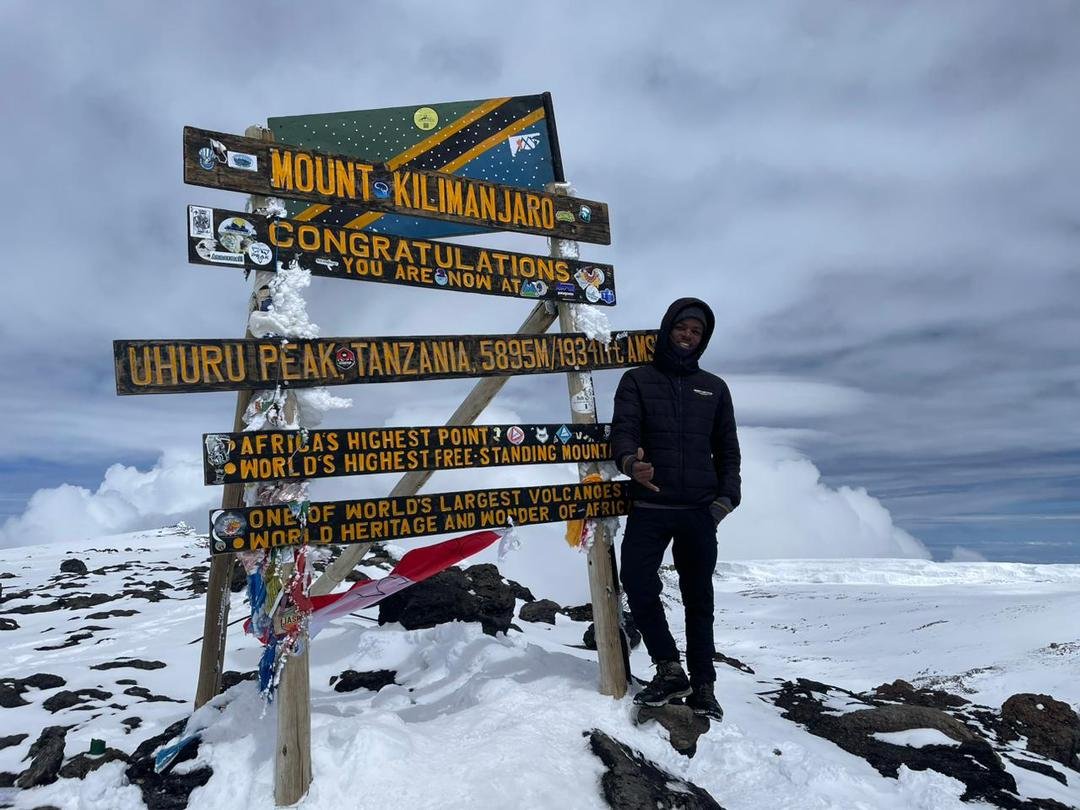
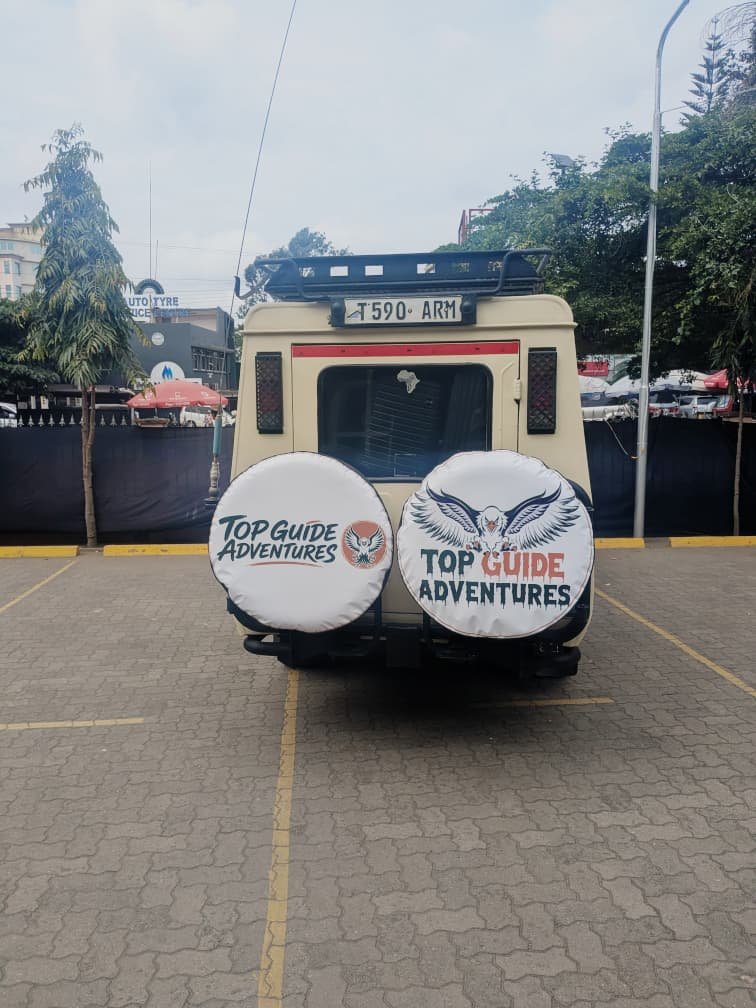
Understanding Kilimanjaro Climbing Costs: What Influences Your Price?
Embarking on a Kilimanjaro climb is a significant undertaking, and understanding the Kilimanjaro climbing price is crucial for effective planning. The cost isn’t a single fixed number; it’s a complex equation influenced by numerous elements. For your 2026 or 2027 expedition, clarity on these factors will help you budget accurately and select the best value. At Top Guide Adventures, we believe in transparency, so let’s break down what goes into the price of your Kilimanjaro adventure.
The core components that determine the best Kilimanjaro climbing price involve operational costs, park fees, guide and porter salaries, food, equipment, and the overall service quality provided by the tour operator. When comparing prices, it’s vital to look beyond the headline figure and understand what’s truly included.
Key Cost Determinants for Kilimanjaro Treks in 2026-2027
Several critical factors shape the overall cost of climbing Kilimanjaro. Recognizing these will empower you to make informed decisions when comparing operators and planning your 2026-2027 trek.
1. Route Choice and Duration
The route you select significantly impacts the price. Longer routes generally cost more due to additional days on the mountain, requiring more supplies, staff, and park entry fees. Shorter routes might appear cheaper initially but often have lower success rates due to insufficient acclimatization.
- Marangu Route: Often perceived as the most affordable due to its shorter duration (5 days) and hut accommodation. However, its lower success rate means it might not be the best value for money if your primary goal is reaching the summit.
- Machame Route: A popular 7-day option offering excellent acclimatization and scenery. Its price reflects its popularity and success rate. The 6-day variation is also common, offering a slightly lower price point.
- Lemosho Route: A longer, more scenic, and generally more expensive route (7-8 days) due to its duration and higher success rates, providing superior acclimatization.
- Shira Route: Similar to Lemosho, it’s a longer, more expensive route known for its stunning plateau views, typically taking 7-8 days.
- Rongai Route: Often slightly cheaper than Machame or Lemosho due to starting from the north, potentially involving different logistics. Usually 6-7 days.
- Northern Circuit: The longest route (9-10 days), offering the highest acclimatization and success rates, making it the most expensive option.
- Umbwe Route: The most direct and steepest route, usually done in 6 days. It’s challenging and has a lower success rate, but can sometimes be offered at a lower price due to its shorter duration.
For 2026-2027 climbs, the Kilimanjaro climbing price for a 7-day Machame or Lemosho trek will generally be in the mid-range, while a 9-day Northern Circuit climb will be at the higher end. A 5-day Marangu trek might be on the lower end, but again, consider the success rate.
2. Operator Type and Service Level
The reputation, experience, and operational standards of your tour operator are major price determinants. Reputable companies invest more in safety, staff training, quality equipment, and logistics, which is reflected in their pricing. You’ll find:
- Budget Operators: These often offer the lowest prices but may compromise on food quality, equipment, guide experience, or safety protocols. They might use less experienced porters or guides.
- Mid-Range Operators: Offering a balance of quality and price. They typically provide good food, reliable equipment, experienced guides, and a solid safety net. Top Guide Adventures falls into this category, focusing on delivering exceptional value.
- Premium/Luxury Operators: These command the highest prices, offering enhanced services like better accommodation before/after the climb, higher quality food, more experienced guides, smaller group sizes, and often more comprehensive safety measures.
When looking for the best Kilimanjaro climbing price, it’s crucial to understand what level of service you are paying for. A significantly low price might indicate corners are being cut, potentially impacting your safety and enjoyment.
3. Inclusions and Exclusions
The Kilimanjaro climbing price can vary dramatically based on what’s included in the package. Always scrutinize the inclusions list:
- Park Fees: These are mandatory and a significant portion of the cost. Reputable operators include them.
- Guide and Porter Salaries: Ensure fair wages are paid. Ethical operators are transparent about this.
- Food and Water: Quality and quantity of meals on the mountain.
- Accommodation: Before and after the climb (in Moshi/Arusha), and camping gear on the mountain.
- Equipment: Tents, sleeping bags, sleeping mats, cooking gear.
- Rescue Fees: Emergency evacuation services.
- Medications and First Aid: Comprehensive kits and oxygen for emergencies.
- Transportation: To and from the park gate.
- Tips for Staff: Often excluded and can add a significant amount to the final cost.
- Gratuities: For guides, porters, and cooks.
- Personal Gear: You are responsible for your own clothing, hiking boots, etc.
- Travel Insurance: Essential but usually not included.
- Visas and Flights: International travel costs.
Operators who exclude many of these items will present a lower initial price, which can be misleading. For the best Kilimanjaro climbing price, seek packages with comprehensive inclusions, especially park fees, meals, and fair staff wages.
4. Group Size: Private vs. Group Treks
Climbing with a group is generally more affordable than a private climb. Group departures allow operators to spread fixed costs (like guide and porter salaries, park fees per group) across more participants.
- Group Treks: Ideal for solo travelers or small groups looking to save money. You’ll join other like-minded adventurers. Prices are typically lower.
- Private Treks: Offer flexibility in scheduling, a more personalized experience, and potentially a faster pace if desired. The Kilimanjaro climbing price for private treks is higher because you bear the full operational cost.
Top Guide Adventures offers both group departures and private climbs, allowing you to choose based on your budget and preference. Our group departures are a fantastic way to experience Kilimanjaro at a more accessible price point.
5. Seasonality
While Kilimanjaro can be climbed year-round, certain periods are considered peak seasons due to favorable weather conditions. These typically include January-March and June-October. Climbing during the shoulder seasons (April-May, November) might sometimes offer slightly lower prices, but weather can be more unpredictable, potentially impacting your experience and success rate.
Typical Price Ranges for Kilimanjaro Climbs in 2026-2027
To give you a clearer picture of the best Kilimanjaro climbing price for 2026-2027, here’s a general breakdown based on operator type and service level. Remember, these are estimates, and exact quotes from operators like Top Guide Adventures will provide the most accurate figures.
Estimated Kilimanjaro Climbing Price Ranges (Per Person)
| Operator Type | Typical Routes (6-8 Days) | Estimated Price Range (USD) | Key Considerations |
|---|---|---|---|
| Budget Operators | Marangu (5-day), Machame (6-day) | $1,800 – $2,500 | May have basic equipment, limited food options, less experienced staff. Check inclusions carefully. |
| Mid-Range Operators (e.g., Top Guide Adventures) | Machame, Lemosho, Rongai (6-8 days) | $2,200 – $3,500 | Good balance of quality, safety, experienced guides, better food, and reliable equipment. High success rates. |
| Premium/Luxury Operators | Lemosho, Northern Circuit (8-10 days) | $3,500 – $5,500+ | Superior comfort, higher-end food, highly experienced guides, smaller groups, enhanced safety features. |
| Private Treks | Any route | Add 20-50% to the above ranges | Flexibility in dates and pace, personalized service. Cost is per group, not per person, but higher overall. |
Note: These prices are estimates for 2026-2027 and do not include flights, visas, travel insurance, or personal gear. Always request a detailed quote.
For the best Kilimanjaro climbing price that doesn’t compromise on safety or experience, focusing on reputable mid-range operators like Top Guide Adventures is often the most prudent approach. We ensure that your investment covers the essentials for a successful and enjoyable summit bid.
What Top Guide Adventures Includes in Your Kilimanjaro Climbing Price
At Top Guide Adventures, we pride ourselves on offering a comprehensive package that provides excellent value and peace of mind. When you book with us for your 2026-2027 climb, you can expect the following to be included in your Kilimanjaro climbing price:
- Park Fees: All Kilimanjaro National Park entry, camping/hut, and rescue fees.
- Experienced Guides: Highly trained, certified guides with extensive knowledge of Kilimanjaro and wilderness first aid. We ensure a good guide-to-client ratio.
- Support Crew: Professional porters and cooks dedicated to making your trek comfortable and safe. We adhere to fair porter treatment policies.
- Quality Equipment: Sturdy tents, comfortable sleeping bags, sleeping mats, and all necessary cooking equipment.
- Nutritious Meals: Three delicious and energy-rich meals per day on the mountain, plus snacks and purified drinking water.
- Accommodation: Pre- and post-climb accommodation in comfortable hotel/lodges in Moshi or Arusha.
- Transportation: All transfers to and from the park gates, and to/from Kilimanjaro International Airport (JRO).
- Safety Measures: Comprehensive first-aid kits, emergency oxygen cylinders, and regular health checks by your guides.
- Briefing and Debriefing: Pre-climb briefings to prepare you and post-climb debriefings.
By including these essential elements, we aim to provide the best Kilimanjaro climbing price that reflects the quality of service, safety standards, and overall experience we deliver. We want your focus to be on the climb, not on hidden costs or logistical worries.
Understanding Additional Costs (Exclusions)
While we strive to make our packages comprehensive, there are standard exclusions that all climbers need to budget for. These are typical across most reputable tour operators and are necessary personal expenses for your 2026-2027 trek:
Important Exclusions to Budget For:
- International Flights: Costs to and from Kilimanjaro International Airport (JRO).
- Visa Fees: For Tanzania.
- Travel Insurance: Comprehensive insurance covering high-altitude trekking and emergency evacuation is mandatory.
- Personal Gear: Hiking boots, clothing layers, backpack, sleeping bag liner, headlamp, etc. (We provide a detailed packing list).
- Gratuities/Tips: For guides, assistant guides, porters, and cooks. This is a significant part of the local economy and is customary.
- Personal Expenses: Drinks (beyond water), souvenirs, laundry, and tips.
- Optional Activities: Pre- or post-climb tours or activities not part of the standard package.
- Vaccinations and Medications: Personal health requirements.
The customary tips for staff can add approximately $200-$300 per climber to your total budget, depending on the group size and duration. We provide clear guidelines on recommended tipping amounts to ensure fair compensation for our hard-working crew.
How to Find the Best Kilimanjaro Climbing Price for Your 2026-2027 Trip
Finding the best Kilimanjaro climbing price isn’t just about finding the cheapest option; it’s about finding the best value for your money, ensuring safety, and maximizing your chances of success. Here’s how to approach it:
- Research Thoroughly: Don’t book the first company you find. Compare at least 3-5 reputable operators.
- Read Reviews and Testimonials: Look for recent reviews on platforms like TripAdvisor or Google. Pay attention to comments about safety, guide quality, food, and overall experience.
- Scrutinize Inclusions: As detailed above, ensure you know exactly what is and isn’t covered in the price. A low price with many exclusions can be deceptive.
- Ask About Safety Protocols: Inquire about emergency oxygen, guide training (Wilderness First Responder/Advanced First Aid), communication systems, and evacuation procedures.
- Inquire About Staff Welfare: Ethical operators ensure their guides and porters are well-paid, well-fed, and properly equipped. Look for companies that are members of organizations like KPAP (Kilimanjaro Porter Assistance Project).
- Consider the Route and Duration: Choose a route that balances cost with acclimatization and success rates. Longer treks generally offer better acclimatization.
- Request Detailed Quotes: Ask for clear, itemized quotes for your desired dates and route for 2026 or 2027.
- Communicate Directly: Speak with the tour operators. Ask questions. A good operator will be responsive and informative. For personalized advice and quotes, reach out to Top Guide Adventures.
The best Kilimanjaro climbing price is one that offers a balance of affordability, comprehensive services, unwavering commitment to safety, and ethical treatment of staff. Top Guide Adventures is dedicated to providing this balance for your 2026-2027 adventure.
Comparing Kilimanjaro Operators: Beyond the Price Tag
While the Kilimanjaro climbing price is a significant factor, it shouldn’t be the sole determinant of your choice. A slightly higher price from a reputable operator often translates to a safer, more enjoyable, and ultimately more successful climb.
Consider these aspects when comparing operators for your 2026-2027 trek:
- Guide Experience and Training: Are guides certified in wilderness medicine? How many years of experience do they have on Kilimanjaro?
- Porter Welfare: Does the company support KPAP or have similar ethical porter policies? This ensures your support crew is treated with respect and paid fairly.
- Safety Equipment: Do they carry emergency oxygen? What is their communication plan?
- Food Quality and Variety: Mountain food can make a big difference to morale. What do reviews say about the meals?
- Equipment Condition: Are the tents, sleeping bags, and cooking gear well-maintained?
- Success Rates: While not guaranteed, operators with higher success rates often have better acclimatization strategies and more experienced guides.
- Customer Service: From your initial inquiry to your return from the mountain, how responsive and helpful is the company?
Top Guide Adventures prioritizes these elements. We believe that investing in experienced staff, quality gear, and robust safety measures is paramount to providing the best Kilimanjaro climbing price in terms of overall value and client satisfaction for your 2026-2027 journey.
The Importance of Acclimatization and Its Impact on Cost
Acclimatization is the single most critical factor for a successful and safe Kilimanjaro climb. It’s the process by which your body adapts to the decreasing oxygen levels at higher altitudes. This is why longer routes, which offer better acclimatization profiles, are generally more expensive.
Routes like the 7-day Machame, 8-day Lemosho, or the 9-10 day Northern Circuit are specifically designed to allow for gradual ascent, giving your body time to adjust. This significantly increases your chances of reaching the summit and reduces the risk of altitude sickness.
Shorter, cheaper routes (like a 5-day Marangu or 6-day Machame) often involve ascending too quickly. While they might offer a lower initial Kilimanjaro climbing price, they come with a higher risk of altitude-related illnesses and a lower summit success rate. For 2026-2027, we strongly recommend prioritizing acclimatization when choosing your route and budgeting accordingly. A slightly higher price for a longer route is a worthwhile investment in your health and the success of your expedition.
Budgeting for Your Kilimanjaro Climb: Beyond the Tour Price
When planning your 2026-2027 Kilimanjaro climb, it’s essential to budget for costs beyond the tour operator’s price. A realistic total budget will ensure you’re fully prepared and can enjoy your adventure without financial stress.
Estimated Breakdown of Additional Costs:
- Flights: Highly variable, but budget $800 – $1,500+ depending on origin and booking time.
- Visa for Tanzania: Currently around $50 – $100 depending on nationality.
- Travel Insurance: Essential; budget $100 – $300 for comprehensive coverage.
- Tips for Crew: Crucial for ethical operators; budget $200 – $300 per climber.
- Personal Gear: Depending on what you already own, budget $300 – $800+ for essential items.
- Pre/Post Climb Accommodation: If not included, budget $50 – $150 per night.
- Spending Money: For souvenirs, extra drinks, etc., budget $100 – $200.
- Vaccinations/Medications: Varies based on individual needs.
By adding these potential costs to the Kilimanjaro climbing price quoted by your operator, you’ll arrive at a more accurate total budget for your 2026-2027 expedition. For instance, a mid-range trek costing $2,800 could have a total budget closer to $4,500 – $6,000+ when all these factors are considered.
Choosing the Right Time to Climb for Value and Experience (2026-2027)
The season you choose to climb Kilimanjaro can influence both the best Kilimanjaro climbing price and your overall experience. While climbing year-round is possible, certain periods offer better weather and potentially better value.
- Peak Seasons (Jan-Mar, Jun-Oct): Best weather, clear skies, and lower temperatures. These are the most popular times, meaning higher demand and potentially less flexibility on pricing from some operators. However, more group departures are available, which can make finding a budget-friendly group trek easier.
- Shoulder Seasons (Nov, Apr-May): These months can offer slightly lower prices as demand dips. However, April and May are typically the wettest months, with significant rainfall and cloud cover, making climbing more challenging and potentially impacting views and success rates. November can be good, but also carries a risk of rain.
- Low Season (Dec): December can be a good month, often experiencing dry weather with fewer crowds than the peak summer months. Prices might be competitive.
For 2026-2027, if budget is a primary concern, consider climbing in the shoulder seasons (excluding the peak of the rainy season in April/May) or December. However, for the best chance of good weather and a higher success rate, the peak seasons remain the most popular, and booking well in advance for these periods is recommended to secure your spot and potentially better pricing.
Ethical Considerations and Their Link to Kilimanjaro Climbing Price
The ethical treatment of guides and porters is a crucial aspect of responsible tourism on Kilimanjaro. Reputable operators, like Top Guide Adventures, adhere to strict guidelines to ensure their crew is treated fairly. This includes:
- Fair Wages: Paying guides and porters a living wage that meets or exceeds industry standards.
- Proper Equipment: Providing adequate clothing, footwear, and shelter for the crew.
- Sufficient Food and Water: Ensuring the crew receives nutritious meals and clean water.
- Reasonable Loads: Not overloading porters with excessive weight.
- Respectful Treatment: Valuing the crew’s hard work and dedication.
These ethical practices come at a cost. Operators committed to crew welfare may have a slightly higher Kilimanjaro climbing price compared to those who cut corners. However, choosing an ethical operator not only ensures the well-being of the mountain crew but also contributes to a more sustainable tourism model. Organizations like the Kilimanjaro Porter Assistance Project (KPAP) work with operators to uphold these standards. Top Guide Adventures is committed to these principles, ensuring that your trek supports the local community responsibly.
Booking Your 2026-2027 Kilimanjaro Climb: Next Steps
Ready to plan your 2026 or 2027 Kilimanjaro adventure and secure the best Kilimanjaro climbing price for your needs? Here’s how to proceed with Top Guide Adventures:
1. Get a Personalized Quote:
Visit our website or contact us directly to discuss your preferred route, duration, and travel dates. We will provide a detailed, transparent quote tailored to your requirements.
2. Ask Questions:
We encourage you to ask anything about the climb, our services, safety protocols, or inclusions. Our team is here to provide all the information you need.
3. Book Your Expedition:
Once you are happy with the quote and details, we will guide you through the booking process. A deposit is typically required to confirm your dates and arrangements.
4. Prepare for Your Climb:
We provide comprehensive pre-departure information, including packing lists, training advice, and visa guidance, to ensure you are fully prepared for your Kilimanjaro journey.
Don’t miss out on the opportunity to conquer Africa’s highest peak. For the best Kilimanjaro climbing price that guarantees quality, safety, and an unforgettable experience in 2026-2027, choose Top Guide Adventures.
Contact us today:
- WhatsApp: +255616946642
- Email: topguideadventures@gmail.com
- Backup Email: info@topguideadventurestanzania.com
- Website: Top Guide Adventures Tanzania
Check Availability for Best Kilimanjaro Climbing Price: Your Guide To Costs And Value 2026-2027
Ready to compare dates, prices, and the best option for your group? Send the package name and travel month so the team can reply with a clear quote, availability, and what is included.
Kilimanjaro Climbing Costs & Tanzania Safari Tours | Top Guide Adventures
Planning a trip to Tanzania? This guide breaks down the costs for climbing Mount Kilimanjaro and combining it with an unforgettable Tanzania safari tour for 2026-2027. Learn about pricing...
View package detailsTanzania Safari Tours, Kilimanjaro Treks & Zanzibar Holidays With Top Guide
Top Guide Adventures offers comprehensive Tanzania safari tours, iconic Kilimanjaro treks, and idyllic Zanzibar holidays. Discover the best of East Africa with personalized itineraries...
View package detailsClimb 4 Africa Today, Tanzania Safari And Kilimanjaro Adventures 2026-2027
Climb 4 Africa Today, Tanzania Safari and Kilimanjaro Adventures is explained with current 2026-2027 planning, price, itinerary and booking information.
View package detailsDiscount Tanzania Treks And Affordable Safari Packages In 2026-2027
Discover how to plan discount Tanzania treks and affordable safari packages for your 2026-2027 adventure. This comprehensive guide covers budget-friendly options for iconic destinations...
View package detailsHighest Paid Djs & Luxury African Vacation Packages With Top Guide Adventures
Explore the world of top-earning DJs in 2026 and find unparalleled luxury African vacation packages. Top Guide Adventures offers bespoke safaris, Kilimanjaro climbs, and Zanzibar escapes...
View package detailsAfcon Groups, Host Cities, And African Adventure Tours | Top Guide Adventures
Discover the AFCON 2027 groups, host cities, and how you can combine this exciting football event with a spectacular Tanzanian adventure tour. Top Guide Adventures offers tailored safaris...
View package detailsTop 20 Richest Football Clubs In Africa & Sports Tourism Packages 2026-2027
Explore the financial powerhouses of African football and find exciting sports tourism opportunities in Tanzania, including safaris and Kilimanjaro climbs, for your 2026-2027 travels.
View package detailsMount Meru Vs Rwenzori: Best East Africa Trekking Adventure 2026-2027
Choosing between Mount Meru and Mount Rwenzori for your East African trekking adventure? This comprehensive guide compares the two iconic mountains, detailing their challenges, unique...
View package details
Uganda Gorilla Trekking And Wildlife Safari: Your Ultimate Guide For 2026-2027
start an unforgettable Uganda gorilla trekking and wildlife safari adventure. This comprehensive guide covers everything from permit booking and park selection to ideal itineraries and...
View package detailsNo related package matches those filters. Clear one or more filters to see the other topic-matched options.



