
Tanzania marine park entry fees for 2026-2027 vary significantly by park and visitor type, generally ranging from approximately $10 to $30 USD per person per day for international tourists visiting areas like Zanzibar’s Mnemba Atoll or Mafia Island Marine Park. Fees for Tanzanian citizens and residents are considerably lower. These fees contribute to conservation efforts, infrastructure maintenance, and local community development within these vital marine ecosystems. It’s crucial to confirm the exact, current fees with your tour operator or the relevant authorities as they can be subject to change.


Understanding Tanzania Marine Park Entry Fees: A 2026-2027 Overview
Tanzania’s coastline is a treasure trove of biodiversity, boasting vibrant coral reefs, diverse marine life, and pristine beaches. Protecting these invaluable natural resources is paramount, and a significant part of this protection comes from the structured entry and conservation fees levied by the Tanzanian government on its marine parks and protected areas. For travelers planning their coastal adventures in 2026 and 2027, understanding these Tanzania marine park entry fees is essential for accurate budgeting and a smooth travel experience. These fees are not just charges; they are direct contributions to safeguarding the marine environment, supporting local communities, and ensuring the sustainability of these impressive destinations for future generations.
The management of marine parks in Tanzania falls under various governmental bodies, primarily the Tanzania Fisheries Research Institute (TAFIRI) and the Tanzania National Parks Authority (TANAPA) for some areas, alongside local government authorities for others. Each park or marine reserve system has its own fee structure, often differentiated based on nationality (international tourist, resident, citizen), age, duration of stay, and the specific activities undertaken. This guide aims to provide a comprehensive, up-to-date overview of these Tanzania marine park entry fees, focusing on the most popular destinations and offering practical advice for your 2026-2027 travel plans.
Key Marine Protected Areas and Their Fee Structures
Tanzania’s marine tourism is concentrated in several key areas, each offering unique experiences and, consequently, distinct fee structures. Knowing which park you intend to visit is the first step in understanding the associated costs. The most prominent marine protected areas include:
- Zanzibar Archipelago Marine Parks: This includes areas like Mnemba Atoll, Chumbe Island, and the Zanzibar Channel.
- Mafia Island Marine Park: A UNESCO Biosphere Reserve, renowned for its whale shark encounters and rich coral reefs.
- Dar es Salaam Marine Reserve System (DMRS): Encompassing islands like Bongoyo, Mbudya, Pangavini, and Fungu Yasini, accessible from Dar es Salaam.
- Sinda Islands Marine Reserve: Located off the coast of Kigamboni, Dar es Salaam.
It’s important to note that fees can be structured as daily entry fees, conservation fees, or a combination thereof. Some operators may include these fees in their package prices, while others might require you to pay them separately upon arrival at the park or island. Always clarify what is included in your tour package regarding Tanzania marine park entry fees.
Zanzibar Archipelago: Mnemba Atoll and Beyond
Zanzibar, the ‘Spice Island’, is synonymous with idyllic beaches and crystal-clear waters. Its marine attractions are a major draw for tourists. While Zanzibar is a semi-autonomous region with its own governing bodies, its park fees are generally aligned with national conservation goals.
Mnemba Atoll Conservation Fee
Mnemba Atoll is a private island and marine conservation area famous for its spectacular snorkeling and diving. Access to the waters immediately surrounding Mnemba is regulated, and a conservation fee is typically charged per person per day.
- International Tourists: Expect fees in the range of $10 – $20 USD per person per day for access to Mnemba Atoll for snorkeling or diving activities. This fee often covers access to the lagoon and surrounding reefs.
- Residents/Citizens: Fees are significantly lower, often in the range of $5 – $10 USD.
This fee is crucial for the protection of Mnemba’s vibrant coral gardens and abundant fish species. It also supports local initiatives and guides. Many day trip operators to Mnemba will include this fee in their quoted price for 2026-2027 excursions.
Chumbe Island Coral Park
Chumbe Island is a unique eco-tourism project that operates its own conservation and fee structure. It’s a privately managed marine sanctuary.
- Day Visitors: Access to Chumbe Island for day trips typically incurs a fee of around $50 – $70 USD per person. This fee is comprehensive, covering boat transfer from Zanzibar mainland or Stone Town, guided walks in the forest reserve, and snorkeling in the protected reef. It is one of the higher fees but reflects the exclusive nature and extensive conservation work done here.
- Overnight Guests: If you are staying at the eco-lodge on Chumbe, the conservation fee is usually integrated into the accommodation package.
Chumbe Island’s model is a prime example of how tourism revenue directly funds conservation. Booking well in advance is highly recommended for 2026-2027 visits due to limited capacity.
Other Zanzibar Marine Areas
While Mnemba and Chumbe are prominent, other areas may have smaller, localized fees, particularly if you are engaging in specific water sports or visiting protected zones managed by local communities or the Zanzibar Commission for Tourism.
Mafia Island Marine Park: A Whale Shark Haven
Mafia Island is a world-renowned destination for swimming with whale sharks and experiencing some of the most intact coral reefs in Tanzania. Its status as a UNESCO Biosphere Reserve underscores its ecological importance.
The Mafia Island Marine Park fee structure is generally higher than other areas due to the comprehensive management and conservation efforts required for such a significant biosphere reserve.
- International Tourists: The standard daily fee for international visitors is typically around $20 – $25 USD per person per day. This fee grants access to the marine park for activities like snorkeling, diving, and whale shark excursions.
- Residents: Fees are lower, usually in the range of $10 – $15 USD per person per day.
- Citizens: The lowest rates apply, often around $3 – $5 USD per person per day.
These fees are vital for protecting the whale shark migration routes, monitoring marine populations, and supporting local fishing communities through sustainable tourism initiatives. When planning your Mafia Island trip in 2026 or 2027, factor in these daily fees, as they are usually collected for each day spent within the park boundaries. Some lodges may offer packages that include a certain number of days’ park fees.
Whale Shark Excursion Fees
While the daily park fee covers general access, specific whale shark excursions might have additional components or requirements, often bundled by tour operators. Always confirm what is included in your whale shark tour price.
Dar es Salaam Marine Reserve System (DMRS)
The islands off Dar es Salaam – Bongoyo, Mbudya, Pangavini, and Fungu Yasini – offer easily accessible marine escapes for city dwellers and transit tourists. These islands are managed as a marine reserve system.
- International Tourists: A common fee structure for international visitors is around $10 – $15 USD per person per day. This usually covers entry to one or more of the islands within the DMRS for activities like swimming, snorkeling, and picnicking.
- Residents/Citizens: Fees are considerably lower, often around $3 – $7 USD per person per day.
These fees help maintain the cleanliness of the beaches, protect the shallow reefs, and support the boat operators and local vendors on the islands. For a quick getaway from Dar es Salaam in 2026 or 2027, these are popular options, and the fees are generally straightforward.
Sinda Islands Marine Reserve
The Sinda Islands, closer to the mainland and accessible from Kigamboni, also have a conservation fee, often similar to the DMRS fees, typically in the $10 – $15 USD range for international visitors.
Factors Influencing Tanzania Marine Park Entry Fees
Several factors determine the specific amount you will pay for Tanzania marine park entry fees. Understanding these can help you anticipate costs and ensure you’re not caught off guard.
Nationality and Residency Status
This is often the most significant differentiator. Fees are typically highest for international tourists, followed by residents (often defined by work permits or specific residency documents), and then citizens. This tiered pricing reflects economic differences and aims to make domestic tourism more accessible.
Duration of Stay
Many marine parks charge fees on a per-person, per-day basis. This means the longer you stay within the park’s boundaries, the higher the cumulative fee. For example, a 5-day trip to Mafia Island Marine Park will incur 5 days of fees per person. Some parks might offer weekly or multi-day passes, though these are less common for marine areas compared to national parks.
Specific Activities
While most general entry fees cover standard activities like swimming and snorkeling, specialized activities like scuba diving, deep-sea fishing, or chartering private boats within protected zones might incur additional permits or fees. Always check if your planned activities require special authorization or extra charges.
Park Management and Conservation Status
Areas designated as UNESCO Biosphere Reserves (like Mafia) or highly protected conservation areas (like Chumbe Island) often command higher fees. This reflects the extensive management, research, and conservation efforts required to maintain their ecological integrity. The revenue generated is directly reinvested into these programs.
Tour Operator Inclusions
When booking with a tour operator like Top Guide Adventures, it’s crucial to clarify whether park fees are included in your package. Some operators prefer to include all costs upfront for transparency, while others may list them as ‘extras’ to be paid separately. This is particularly relevant for 2026-2027 bookings, where pricing structures might be finalized closer to the travel date.
2026-2027 Pricing Trends and Predictions
While exact figures for Tanzania marine park entry fees in 2026-2027 can only be confirmed closer to the time, general trends suggest a steady increase driven by inflation, enhanced conservation needs, and a desire to maximize revenue for park management. Based on historical patterns:
- Annual Increments: Expect a potential increase of 5-10% annually on existing fee structures.
- Enhanced Protection Measures: As marine conservation becomes more critical globally, fees might rise to fund more robust anti-poaching patrols, coral reef restoration projects, and community engagement programs.
- Introduction of New Fees: In some areas, new or revised fees might be introduced to cover specific conservation initiatives or infrastructure development (e.g., improved jetties, visitor centers).
- Dynamic Pricing for Special Activities: Activities like whale shark encounters or high-demand diving sites might see more dynamic pricing based on season or visitor numbers.
For travelers planning their trips for 2026 and 2027, it is wise to budget slightly higher than the current published rates. Always consult with your tour operator for the most up-to-date information. For instance, a quote received today for a 2027 safari that includes a marine component might not reflect the final fee structure.
How to Pay Tanzania Marine Park Entry Fees
Payment methods can vary depending on the park and the operator. Here’s what to expect:
- Included in Tour Package: The most convenient method. Your tour operator handles all payments and includes them in your overall trip cost. This is often the case with reputable companies like Top Guide Adventures.
- Direct Payment at Entry Points: For some islands or areas, you might pay directly at a park gate, ranger station, or designated payment point. Cash (USD is widely accepted for international tourists) or sometimes local TSh might be required. Credit card facilities are rare, especially on smaller islands.
- Payment via Lodge/Camp: If you are staying at a lodge or camp within or near a marine park, they often facilitate the payment of park fees on your behalf and add it to your bill.
Recommendation for 2026-2027 Travel: To avoid any last-minute hassles, discuss payment arrangements thoroughly with your travel planner. Ensuring fees are either pre-paid or clearly outlined for separate payment is key.
Budgeting for Your Marine Adventure: Beyond Entry Fees
While Tanzania marine park entry fees are a significant part of your coastal trip budget, they are not the only costs. Consider these additional expenses:
- Accommodation: Ranges from budget guesthouses to luxury beachfront resorts and eco-lodges.
- Activities: Snorkeling gear rental, diving trips, boat excursions, fishing permits, guided tours.
- Transportation: Flights to Zanzibar or Mafia, ferry services, private transfers, dhow trips.
- Food and Drinks: While some packages include meals, others do not.
- Travel Insurance: Essential for any trip, especially one involving water activities.
- Tips: For guides, boat crew, lodge staff, and drivers.
When comparing quotes for 2026-2027 trips, ensure you understand what each package covers regarding park fees and other essential expenses. A lower initial price might become more expensive if key elements like park entry are excluded.
Example Budget Considerations (Illustrative for 2026-2027)
Let’s consider a hypothetical 3-day trip to Mafia Island Marine Park for an international tourist:
- Park Fees: 3 days x $25 USD/day = $75 USD per person.
- Accommodation: Mid-range lodge could be $150-$250 USD per night, totaling $450-$750 USD for 3 nights.
- Activities: Whale shark tour ($50-$80 USD), diving ($70-$100 USD per dive). A couple of activities could add $150-$300 USD.
- Transfers: Flight to Mafia + local transport: Highly variable, potentially $300-$500 USD round trip per person.
This example highlights how park fees are just one component. A complete budget needs to account for all these elements. For accurate planning for 2026-2027, consult with experienced local operators.
Conservation Impact: Where Your Fees Go
It’s reassuring to know that the Tanzania marine park entry fees you pay contribute directly to tangible conservation outcomes:
- Marine Ecosystem Protection: Funding for patrols to prevent illegal fishing, coral damage, and unsustainable practices.
- Research and Monitoring: Supporting scientists studying marine biodiversity, migration patterns (like whale sharks), and reef health.
- Community Development: Projects that benefit local communities living adjacent to marine parks, often through employment, alternative livelihood programs, or infrastructure improvements.
- Habitat Restoration: Efforts to protect and restore damaged coral reefs and mangrove ecosystems.
- Sustainable Tourism Management: Ensuring that tourism activities are conducted in an environmentally responsible manner.
By paying these fees, you become an active participant in the preservation of Tanzania’s precious marine heritage. This is especially important as we look towards 2026 and 2027, when the pressures on these ecosystems are likely to intensify.
Tips for Managing Your Marine Park Fees
To ensure a smooth and cost-effective experience regarding Tanzania marine park entry fees:
Always Confirm Current Fees
Prices can change. Verify the latest fee structure for your intended destinations for 2026-2027 with your tour operator or the relevant park authorities. Never rely solely on outdated information found online.
Clarify Inclusions with Your Operator
Understand precisely what your tour package covers. If park fees are extra, know the estimated cost and payment method. Reputable companies like Top Guide Adventures are transparent about these details.
Carry Sufficient USD Cash
While some places might accept Tanzanian Shillings (TSh) or even cards, USD is often the preferred currency for international visitors’ park fees, especially in more remote locations. Ensure you have smaller denominations to cover daily fees.
Factor Fees into Your Daily Budget
If paying daily, set aside the expected amount each morning to avoid delays or unexpected shortfalls. For a 2026 or 2027 trip, this daily budgeting is a good practice.
Consider Package Deals
Sometimes, booking accommodation and activities through a single provider can result in packages where park fees are either included or offered at a slight discount.
Legal Aspects and Park Regulations
Adhering to park regulations is as important as paying the fees. Marine parks are established to protect fragile ecosystems. Expect rules regarding:
- No-take zones: Areas where fishing, anchoring, or even swimming might be restricted to protect sensitive coral.
- Waste disposal: Strict rules against littering, especially plastics, which are detrimental to marine life.
- Wildlife interaction: Guidelines for observing marine life, such as maintaining distance from turtles, dolphins, and whale sharks, and never touching or feeding them.
- Anchoring: Designated mooring buoys are often provided to prevent anchor damage to reefs.
- Fishing: Strictly prohibited within most protected marine areas, or subject to specific permits and regulations.
Violations can result in hefty fines, which can far exceed the standard Tanzania marine park entry fees. Familiarize yourself with the specific rules of the park you are visiting.
Planning Your 2026-2027 Marine Adventure with Top Guide Adventures
Navigating the specifics of Tanzania marine park entry fees, along with all other travel arrangements, can be complex. This is where expert local knowledge becomes invaluable. Top Guide Adventures specializes in crafting bespoke Tanzanian experiences, including unforgettable coastal and marine adventures.
We understand the intricacies of park regulations, fee structures, and the best times to visit Tanzania’s marine wonders. Whether you’re dreaming of snorkeling in the crystal-clear waters of Mnemba Atoll, diving with whale sharks off Mafia Island, or enjoying a day trip to the islands near Dar es Salaam, we can tailor an itinerary that fits your interests and budget for 2026-2027.
Our team is committed to providing personalized attention, ensuring all your questions about park fees, accommodation, activities, and transportation are answered clearly. We work diligently to include all necessary costs upfront in our quotes, offering transparent and comprehensive travel planning.
For a smooth and enriching marine experience in Tanzania, consider partnering with us. Let us handle the details of your Tanzania marine park entry fees and other logistics, so you can focus on enjoying the incredible beauty of the Indian Ocean.
Contact us today to start planning your dream Tanzanian coastal getaway for 2026 or 2027!
- WhatsApp: +255616946642
- Email: topguideadventures@gmail.com
- Backup Email: info@topguideadventurestanzania.com
Explore our range of Tanzania safari and Zanzibar holiday packages at Top Guide Adventures Tanzania.
Check Availability for Tanzania Marine Park Entry Fees: Your Essential Guide 2026-2027
Ready to compare dates, prices, and the best option for your group? Send the package name and travel month so the team can reply with a clear quote, availability, and what is included.

Tanzania Attraction Entry Fees: Guide To Park And Reserve Costs For 2026-2027
Planning a trip to Tanzania? This comprehensive guide details the essential Tanzania attraction entry fees for 2026-2027, covering national parks, conservation areas, and cultural sites...
View package details
Tanzania National Park Entry Fees: A Complete Guide For 2026-2027
Planning a Tanzanian safari? This guide breaks down the 2026-2027 entry fees for all major national parks, helping you budget effectively for Serengeti, Ngorongoro, and beyond.
View package details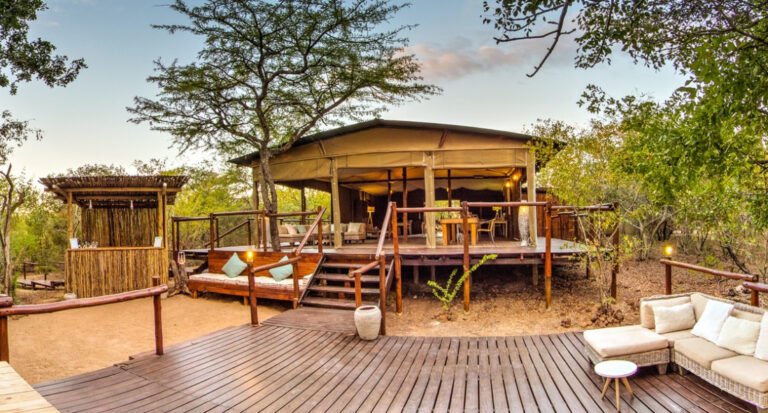
Mafia Marine Park Entry Fees: Your Guide 2026-2027
Planning a trip to Mafia Island and its renowned marine park? This guide breaks down the Mafia Marine Park entry fees for 2026-2027, helping you budget for your underwater adventures and...
View package details
Tanzania Museum Entry Fees: A Comprehensive Guide For Travelers 2026-2027
Planning a trip to Tanzania and interested in its rich history and culture? This guide details the entry fees for various museums and historical sites across Tanzania for 2026-2027, helping...
View package details
Saadani National Park Entry Fees And Safari Prices For 2026-2027
Planning a safari to Saadani National Park? This guide details the essential entry fees and safari package prices for 2026-2027, helping you budget for your unforgettable Tanzanian...
View package details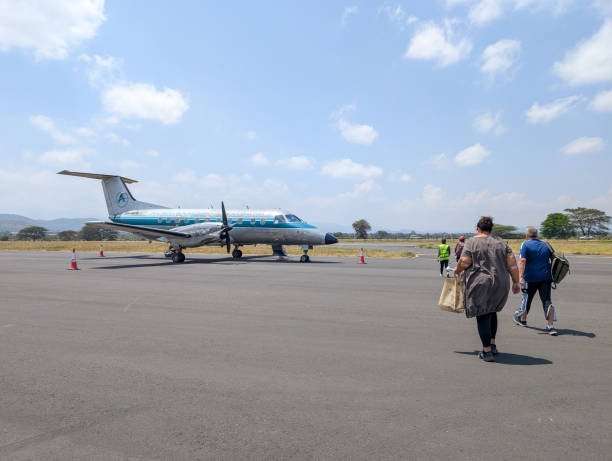
Mikumi National Park Entry Fees And Safari Prices 2026-2027
Planning a safari to Mikumi National Park? This guide details the essential entry fees, conservation charges, and safari package prices for 2026-2027, helping you budget for an...
View package details
Tanzania Hot Springs Entry Fees: A Comprehensive Guide For 2026-2027
Planning a visit to Tanzania's natural hot springs? This guide details the entry fees for popular locations like Kikuletwa and Chemka for 2026-2027, offering practical advice for travelers.
View package details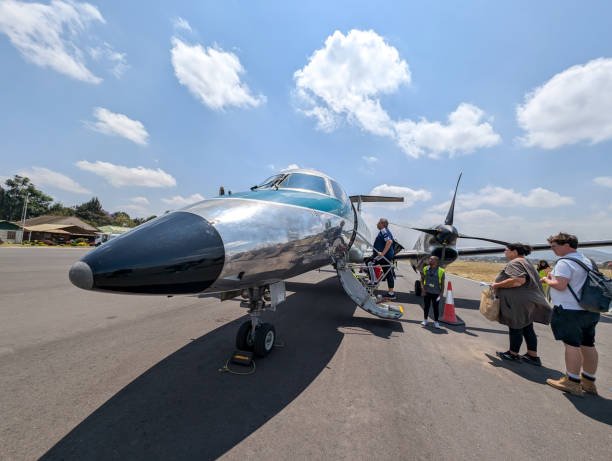
Tanzania Safari Prices Including Park Fees: A Comprehensive Guide 2026-2027
Planning a Tanzania safari means understanding the total cost, which heavily relies on park fees. This guide breaks down typical Tanzania safari prices, detailing what park entrance fees...
View package details
Tanzania Park Fees For Foreigners 2026-2027
Tanzania Park Fees for Foreigners is explained with current 2026-2027 planning, price, itinerary and booking information.
View package detailsNo related package matches those filters. Clear one or more filters to see the other topic-matched options.



