
Gombe National Park, Tanzania’s smallest national park, is globally renowned for its chimpanzee trekking experiences, made famous by Jane Goodall’s pioneering research. Located on the shores of Lake Tanganyika, it offers unparalleled opportunities to observe wild chimpanzees, alongside other primates like baboons and vervet monkeys, in their natural habitat, making it a prime destination for wildlife enthusiasts and researchers planning trips for 2026-2027.

Unveiling Gombe National Park: A Primate Haven on Lake Tanganyika
Gombe National Park stands as a unique gem within Tanzania’s vast safari landscape. Unlike the sprawling savannas of the Serengeti or the dramatic caldera of Ngorongoro, Gombe’s allure lies in its intimate scale and its extraordinary focus on primate life. located on the western edge of the country, bordering Burundi and the Democratic Republic of Congo, its dramatic terrain of steep valleys, dense forests, and open grasslands meets the shimmering expanse of Lake Tanganyika, Africa’s deepest and second-largest freshwater lake.
This compact park, covering just 35 square kilometers (13.5 square miles), is not just a sanctuary for wildlife; it is a living laboratory. For over six decades, Gombe has been the site of groundbreaking primatological research, most notably by Dr. Jane Goodall, whose work revolutionized our understanding of chimpanzee behavior, social structures, and intelligence. Her legacy continues to draw scientists, conservationists, and curious travelers alike, all eager to witness these close relatives of humans in their wild, unadulterated state.
Visiting Gombe is an experience that transcends the typical safari. It’s an opportunity to connect with nature on a deeply personal level, to track habituated chimpanzees through the verdant forest, and to appreciate the delicate balance of this vital ecosystem. Whether you are planning a dedicated primate expedition for 2026-2027 or incorporating Gombe into a broader Tanzanian adventure, understanding its distinct character is key to a rewarding visit.
The Genesis of Gombe: Jane Goodall’s Legacy and Conservation
The story of Gombe National Park is inextricably linked with the remarkable Dr. Jane Goodall. In 1960, armed with little more than binoculars and an unwavering determination, she arrived at the then-Gombe Stream Reserve. Her mission: to study chimpanzees in their natural environment. At a time when scientists believed it was impossible to gain the trust of wild animals, Goodall patiently observed, documented, and eventually, through her quiet persistence, achieved what many thought was impossible – she integrated herself into the chimpanzee community.
Her groundbreaking discoveries, such as chimpanzees making and using tools, engaging in complex social interactions, and displaying individual personalities, fundamentally changed the scientific understanding of animal behavior and our place within the animal kingdom. The Gombe Stream Research Centre, established by Goodall, became a hub for researchers from around the world. The reserve’s protection was elevated to national park status in 1968, officially becoming Gombe National Park, safeguarding the precious habitat that allowed this vital research to flourish.
The ongoing conservation efforts in Gombe are crucial. The park faces threats from human encroachment, habitat degradation, and the need to balance tourism with the well-being of its wildlife. Organizations like the Jane Goodall Institute continue to play a significant role in research, conservation, and community outreach programs aimed at protecting Gombe and its inhabitants for future generations. Planning a trip to Gombe in 2026-2027 means supporting these vital conservation initiatives, as park fees and tourism revenue directly contribute to protecting this irreplaceable natural heritage.
Gombe’s Unique Ecosystem: More Than Just Chimpanzees
While chimpanzees are undoubtedly the main draw, Gombe National Park is a biodiverse haven that supports a rich array of other wildlife and plant species. The park’s varied terrain – from the lakeshore to the mountainous interior – creates distinct ecological zones, each supporting different forms of life.
Primates Galore: A Primate Enthusiast’s Dream
Beyond the iconic chimpanzees, Gombe is home to six other primate species. The most frequently encountered are:
- Olive Baboons: These large, intelligent primates are often seen in large troops, particularly near the lakeshore and research center. Their complex social dynamics are fascinating to observe.
- Vervet Monkeys: Known for their striking blue scrotum and red penis, these agile monkeys are common throughout the park and are often seen foraging in trees.
- Colobus Monkeys (Black and White): While less common and more arboreal than baboons or vervets, spotting these striking black and white monkeys high in the canopy is a special treat.
- Red-tailed Monkeys: These beautiful monkeys, with their distinctive red tails, are also present, though often more elusive.
- Blue Monkeys: Similar to vervet monkeys but with a bluish tinge to their fur, they inhabit the denser forest areas.
The chance to see multiple primate species in a single day, often in close proximity, is what makes Gombe so special. The interactions between different groups, their feeding habits, and their social behaviors offer a interesting glimpse into the primate world.
Avian Wonders and Other Mammals
Gombe’s birdlife is also noteworthy, with over 350 recorded species. Birdwatchers can look forward to spotting:
- Kingfishers: Various species, including the Malachite Kingfisher and Giant Kingfisher, are often seen along the lakeshore.
- Hornbills: Several species, such as the Trumpeter Hornbill and Crowned Hornbill, are found in the forest canopy.
- Sunbirds: These small, iridescent birds are a delight to spot as they flit among flowering plants.
- Fish Eagles: The iconic African Fish Eagle can often be seen soaring over Lake Tanganyika or perched in trees along the coast.
While Gombe is not known for large savanna mammals like lions or elephants, visitors might encounter:
- Bushbuck: These shy antelopes are sometimes seen in the undergrowth.
- Forest Hogs: Wild pigs that inhabit the denser parts of the forest.
- Various small mammals: Including genets, civets, and porcupines, though these are typically nocturnal and harder to spot.
The park’s aquatic environment also supports a variety of fish in Lake Tanganyika, though fishing is restricted within park boundaries to protect the ecosystem.
The Heart of Gombe: Chimpanzee Trekking Explained
Chimpanzee trekking in Gombe is the park’s signature activity and the primary reason most visitors make the journey. It’s a thrilling, often humbling, experience that requires patience, respect for the wildlife, and a good level of fitness.
How Chimpanzee Trekking Works
Unlike safaris where you view animals from a vehicle, Gombe trekking involves hiking through the forest on foot to find the chimpanzees. The park’s chimpanzee population is divided into several communities, two of which are habituated to human presence for tourism and research purposes: the Kasekela community and the Mitumba community.
- Habituation Process: This is a lengthy and delicate process where researchers gradually introduce themselves to a wild chimpanzee community, spending extended periods with them to build trust. This allows visitors to observe them at a respectful distance without causing undue stress.
- Tracking: Upon arrival at Gombe, you will be assigned a guide who is intimately familiar with the chimpanzees’ movements. They will use their knowledge of the forest and the chimpanzees’ habits, often communicating with trackers in the bush, to locate the primates.
- The Trek: The trek itself can vary significantly in duration and difficulty. Depending on where the chimpanzees were last seen and their current activity (feeding, moving, resting), your hike could last anywhere from 30 minutes to several hours. The terrain is often steep and can be muddy, especially during the rainy season, requiring sturdy footwear and a reasonable level of physical fitness.
- The Encounter: Once the chimpanzees are located, you will have a limited amount of time (typically one hour) to observe them. Strict rules are in place to ensure the safety and well-being of both the chimpanzees and visitors. You must maintain a minimum distance (usually 7-10 meters), avoid direct eye contact with dominant males, and remain quiet. Photography is allowed, but flash photography is prohibited.
Best Time for Chimpanzee Trekking
While chimpanzee trekking is possible year-round, certain periods offer more comfortable trekking conditions and potentially better viewing opportunities:
- Dry Season (June to October): This is generally considered the best time to visit Gombe. The trails are drier and less slippery, making trekking easier. Chimpanzees may descend to lower elevations to feed, potentially shortening the trek. However, this is also peak tourist season, so booking well in advance for 2026 or 2027 is advisable.
- Short Rains (November): November can offer a transition period with fewer crowds and greener landscapes.
- Long Rains (December to May): This period brings heavier rainfall, making trails muddy and challenging. Chimpanzees may disperse widely in search of food, potentially leading to longer treks or more difficult sightings. However, the forest is at its most lush, and birdwatching can be excellent. Prices might be slightly lower during this off-peak season.
It’s important to remember that chimpanzees are wild animals, and sightings are never guaranteed. Their movements are dictated by food availability and social dynamics, not by tourist schedules. However, the habituated Kasekela and Mitumba communities have predictable feeding areas, increasing the chances of a sighting.
Planning Your Gombe National Park Adventure: Logistics and Essentials
Visiting Gombe National Park involves specific logistical considerations due to its remote location and unique access methods. Careful planning is essential for a smooth and enjoyable experience, especially when booking for 2026-2027.
Getting to Gombe
There are two primary ways to reach Gombe National Park:
- By Boat: This is the most common and scenic way to access Gombe. The journey typically starts from Kigoma, a town on the shores of Lake Tanganyika. Regular boat services operate between Kigoma and the Gombe Stream National Park headquarters at the main camp. The boat trip itself is an experience, offering beautiful views of the lake and its coastline. The duration of the boat trip can range from 1 to 3 hours, depending on the type of boat and sea conditions.
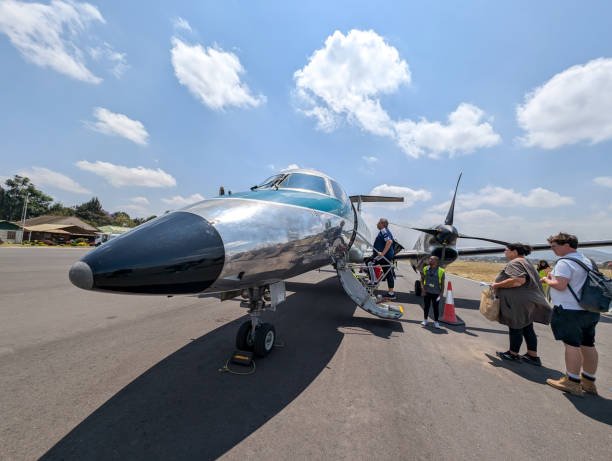
- By Air (Charter Flight): For those seeking a quicker or more exclusive experience, charter flights can be arranged from Dar es Salaam or other major Tanzanian cities to a small airstrip near Gombe. This is significantly more expensive but saves considerable travel time. From the airstrip, a short boat transfer to the park is still required.
Kigoma is accessible via:
- Domestic Flights: Several airlines operate flights from Dar es Salaam and other major hubs to Kigoma Airport (TKQ).
- Train: A passenger train service connects Dar es Salaam to Kigoma, though this is a very long journey (over 24 hours) and less comfortable than flying.
Accommodation Options
Accommodation within Gombe National Park is limited and primarily focused on providing a close-to-nature experience. Options range from basic to mid-range, with a strong emphasis on environmental sustainability:
- Gombe Tented Camp (formerly Jane Goodall’s original research camp): Offers basic but comfortable bandas (huts) with shared facilities. It provides an authentic, rustic experience.
- Various Lodges and Campsites: Several other lodges and campsites are located just outside the park boundaries or along the lakeshore, offering varying levels of comfort and amenities. These might include more private bandas or chalets.
Booking accommodation well in advance is crucial, especially for the peak seasons of 2026-2027, as availability is limited. Top Guide Adventures can assist in securing these accommodations as part of your Gombe safari package.
Park Fees and Permits
Visitors to Gombe National Park are required to pay daily park entrance fees, chimpanzee trekking permits, and potentially other activity fees. These fees are set by the Tanzania National Parks Authority (TANAPA) and are subject to change. For 2026-2027, it is essential to confirm the latest fee structure when booking.
- Park Entrance Fees: Charged per person per day.
- Chimpanzee Trekking Permits: These are separate permits required for each trekking session and are often limited in number, especially for habituated chimpanzee groups.
- Other Activity Fees: Fees may apply for activities like guided nature walks, boat trips, and visiting the research center.
These fees are vital for the park’s conservation and management. When you book with a reputable tour operator like Top Guide Adventures, these fees are typically included in your overall safari package, simplifying the planning process.
What to Pack for Gombe
Packing appropriately for Gombe is key to comfort and safety. Given the humid climate and the nature of trekking, focus on lightweight, quick-drying clothing and essential gear:
- Clothing: Lightweight, long-sleeved shirts and long trousers (preferably quick-drying) to protect against sun, insects, and vegetation. Neutral colors are best for wildlife viewing. A good rain jacket is essential, regardless of the season.
- Footwear: Sturdy, waterproof hiking boots with good ankle support are a must for trekking. Comfortable shoes for relaxing at the lodge are also recommended.
- Insect Repellent: High-DEET repellent is crucial, especially for evenings.
- Sun Protection: Sunscreen, a wide-brimmed hat, and sunglasses.
- Health: A basic first-aid kit, any personal medications, and anti-malarial medication (consult your doctor).
- Gear: Binoculars for wildlife viewing, a reusable water bottle, a camera with extra batteries and memory cards, a headlamp or flashlight, and a small backpack for day treks.
- Cash: While most lodges accept cards, it’s useful to have some cash (USD or Tanzanian Shillings) for tips and small purchases.
Beyond the Chimps: Other Activities in Gombe
While chimpanzee trekking is the star attraction, Gombe National Park offers several other rewarding activities that enhance the visitor experience and allow for deeper exploration of its unique environment.
Hiking and Nature Walks
Gombe’s network of trails, maintained by the park rangers, provides excellent opportunities for hiking and guided nature walks. These walks allow you to explore the diverse flora and fauna of the forest at a more leisurely pace than chimpanzee trekking. You can discover hidden waterfalls, learn about medicinal plants from your guide, and spot smaller primates, birds, and insects. The challenging terrain means most walks are best suited for those with a moderate level of fitness.
Swimming and Relaxation by Lake Tanganyika
The pristine shores of Lake Tanganyika offer a refreshing escape from the forest heat. Visitors can swim in the clear, warm waters of the lake. The lake is generally safe for swimming, and the beach areas provide a perfect spot for relaxation, birdwatching, and enjoying the stunning lake views. The sunsets over Lake Tanganyika are particularly spectacular.
Boat Trips and Snorkeling
Exploring the coastline of Gombe by boat offers a different perspective of the park. You can cruise along the lake, enjoying the scenic beauty and looking out for wildlife along the shore. Boat trips can also be arranged for snorkeling excursions. Lake Tanganyika is known for its incredible diversity of cichlid fish, and its clear waters provide excellent visibility for underwater exploration. While not as famous as marine snorkeling destinations, the freshwater snorkeling in Gombe is a unique experience.
Visiting the Jane Goodall Research Centre
A visit to the Gombe Stream Research Centre is often part of the Gombe experience. It provides insight into the ongoing research and the historical significance of the park. You can learn more about Dr. Goodall’s work, the chimpanzee research projects, and the conservation challenges facing the park. Ranger guides often facilitate these visits, sharing valuable information about the park’s history and ecology.
Birdwatching
With over 350 species of birds, Gombe is a haven for birdwatchers. The varied habitats, from the lakeshore to the dense forest canopy, attract a wide range of avian life. Guided walks or simply observing from your lodge can yield sightings of colorful sunbirds, majestic fish eagles, various kingfishers, and numerous other species. The best birdwatching is often during the early morning and late afternoon.
Gombe vs. Other Primate Destinations in Africa
When planning a primate-focused safari, travelers often compare Gombe National Park with other well-known destinations in Africa. Each offers a unique experience, and the choice depends on your priorities.
Gombe National Park:
- Pros: World-renowned for chimpanzee trekking due to Jane Goodall’s research; intimate and personal encounters with habituated chimps; unique setting on Lake Tanganyika; high density of other primate species; strong conservation focus.
- Cons: Smallest park, less diverse large mammal viewing; requires more travel time to reach compared to some other parks; accommodation is more rustic and limited; can be more expensive due to access logistics.
Kibale National Park, Uganda:
- Pros: Highest density of primates in East Africa, including 13 species; excellent chimpanzee trekking with habituated groups; more accessible via road from Kampala/Entebbe; wider range of accommodation options; often more affordable than Gombe.
- Cons: Less famous for its chimpanzee research history; landscape is dense rainforest, different from Gombe’s varied terrain; less emphasis on Lake Tanganyika’s unique ecosystem.
Nyungwe Forest National Park, Rwanda:
- Pros: Home to chimpanzees and the largest diversity of primates in Rwanda (13 species); stunning montane rainforest environment; canopy walk offers a unique perspective; excellent for birding and botany.
- Cons: Chimpanzee trekking can be more challenging due to thicker forest and less habituated groups compared to Gombe or Kibale; requires significant hiking; accommodation is more limited and can be pricey.
Mahale Mountains National Park, Tanzania:
- Pros: Another prime chimpanzee trekking destination in Tanzania, also on the shores of Lake Tanganyika; known for its large and very wild chimpanzee population; stunning mountain scenery; offers a more remote and adventurous experience than Gombe.
- Cons: Chimpanzees are less habituated than in Gombe, making sightings less guaranteed and treks potentially more challenging; access is primarily by boat or charter flight, similar to Gombe but often more remote; accommodation is very limited and high-end.
For travelers seeking the most established and research-linked chimpanzee experience with the added beauty of Lake Tanganyika, Gombe National Park remains a top choice, particularly for those planning a visit in 2026-2027 and wanting to support conservation directly tied to Jane Goodall’s legacy.
Sustainable Tourism in Gombe: Protecting a Precious Ecosystem
Responsible tourism is paramount in Gombe National Park to ensure the long-term survival of its unique primate populations and delicate ecosystem. As visitors, understanding and adhering to sustainable practices is crucial.
- Respect Wildlife Rules: Always follow the guidelines provided by your guides and park rangers. Maintain the recommended distance from chimpanzees, avoid feeding them, never use flash photography, and keep noise levels to a minimum. These rules are in place to prevent stress and disease transmission to the primates.
- Minimize Your Footprint: Stay on marked trails during treks to avoid damaging vegetation and disturbing wildlife. Pack out everything you pack in, leaving no litter behind.
- Support Local Conservation: Your park fees and tourism revenue directly contribute to conservation efforts, anti-poaching patrols, and habitat protection within Gombe. Choosing reputable tour operators who prioritize sustainability is also important.
- Water Conservation: Water can be a scarce resource in remote areas. Be mindful of your water usage at lodges.
- Cultural Sensitivity: While Gombe is primarily a wildlife destination, interactions with local communities around Kigoma should be approached with respect and cultural awareness.
By traveling responsibly, you help ensure that future generations can continue to experience the magic of Gombe National Park and its incredible chimpanzee communities. Planning your trip for 2026-2027 with sustainability in mind is a way to contribute positively.
Sample Itineraries for Gombe National Park
To help you visualize your trip, here are sample itineraries. These can be customized by Top Guide Adventures to fit your specific interests and timeframe, whether you’re planning for 2026 or 2027.
Option 1: Gombe Chimpanzee Focus (4 Days / 3 Nights)
Ideal for those with limited time who want to maximize their chimpanzee trekking experience.
- Day 1: Arrival in Kigoma & Transfer to Gombe
- Arrive at Kigoma Airport (TKQ) and transfer to Kigoma town for a boat transfer to Gombe National Park.
- Check into your lodge/camp within or near the park.
- Afternoon relaxation by Lake Tanganyika or a short guided walk.
- Day 2: Chimpanzee Trekking & Lake Exploration
- Early morning chimpanzee trekking in search of the Kasekela or Mitumba communities.
- Afternoon boat trip along the lake, possibly with swimming or snorkeling opportunities.
- Day 3: Second Chimpanzee Trek & Nature Walk
- Another morning chimpanzee trekking session, potentially exploring a different area or community.
- Afternoon guided nature walk through the forest, focusing on birds and other primates.
- Day 4: Gombe Departure
- Morning boat transfer back to Kigoma.
- Transfer to Kigoma Airport for your onward flight.
Option 2: Gombe Discovery (6 Days / 5 Nights)
A more comprehensive experience allowing for deeper exploration and relaxation.
- Day 1: Arrival in Kigoma & Transfer to Gombe
- Arrive in Kigoma, boat transfer to Gombe, and check into your accommodation.
- Afternoon at leisure, perhaps exploring the lakeshore.
- Day 2: First Chimpanzee Trek & Research Centre Visit
- Morning chimpanzee trekking.
- Afternoon visit to the Jane Goodall Research Centre to learn about the park’s history and ongoing studies.
- Day 3: Extended Chimpanzee Tracking & Hiking
- Full morning dedicated to chimpanzee trekking, potentially venturing further into the forest.
- Afternoon hiking on a more challenging trail, enjoying the forest’s biodiversity.
- Day 4: Lake Tanganyika Activities
- Morning spent on Lake Tanganyika – enjoy swimming, snorkeling, or a leisurely boat trip to explore the coastline.
- Relaxation time at your lodge or camp.
- Day 5: Birdwatching & Forest Exploration
- Early morning birdwatching walk.
- Optional second chimpanzee trek if desired, or further exploration of different forest trails.
- Day 6: Gombe Departure
- Enjoy a final morning by the lake before your boat transfer back to Kigoma.
- Connect with your onward travel arrangements from Kigoma.
These itineraries are flexible. For instance, you might combine a Gombe visit with other Tanzanian highlights like the Serengeti, Ngorongoro Crater, or Zanzibar. Top Guide Adventures specializes in crafting tailor-made journeys for 2026-2027, ensuring your Gombe National Park experience is perfectly suited to you.
Why Choose Top Guide Adventures for Your Gombe Safari?
Planning a trip to a unique destination like Gombe National Park requires expertise and local knowledge. Top Guide Adventures, one of Tanzania’s most trusted tour companies, offers comprehensive travel experiences with a personal touch, making your Gombe adventure smooth and memorable.
- Local Expertise: With years of experience operating in Tanzania, we have in-depth knowledge of Gombe National Park, its logistics, best times to visit, and the intricacies of chimpanzee trekking.
- Tailor-Made Itineraries: We understand that every traveler is unique. We work closely with you to design a Gombe safari that matches your interests, budget, and travel style, whether it’s a short primate-focused trip or part of a larger Tanzanian exploration for 2026-2027.
- smooth Logistics: From arranging flights to Kigoma, boat transfers, accommodation bookings, and park permits, we handle all the details so you can focus on the experience.
- Dedicated Support: Our team provides personal attention, care, and dedicated support throughout your journey, from the initial planning stages to your departure.
- Commitment to Conservation: We partner with lodges and operators who share our commitment to sustainable tourism and the protection of Gombe’s natural heritage.
Let us help you plan an unforgettable chimpanzee trekking adventure in Gombe National Park. Contact us today to start crafting your personalized 2026-2027 Tanzanian safari.
Contact Top Guide Adventures:
- WhatsApp: +255616946642
- Email: topguideadventures@gmail.com
- Backup Email: info@topguideadventurestanzania.com
- Website: Top Guide Adventures Tanzania
We look forward to helping you discover the wonders of Gombe National Park!
Check Availability for Gombe National Park: Tanzanias Primate Paradise & Chimp Trekking Guide
Ready to compare dates, prices, and the best option for your group? Send the package name and travel month so the team can reply with a clear quote, availability, and what is included.
Gombe National Park Tour Prices: Safari Cost Guide 2026-2027
Discover the cost of a Gombe National Park tour, focusing on chimpanzee trekking experiences. This guide details factors influencing prices for 2026-2027, including accommodation, duration...
View package details
Tanzania Chimpanzee Trekking Permit Fees For : Your Complete Guide 2026-2027
Planning a chimpanzee trekking adventure in Tanzania for 2026 or 2027? This guide breaks down the essential permit fees for key locations like Gombe Stream and Mahale Mountains National...
View package detailsNo related package matches those filters. Clear one or more filters to see the other topic-matched options.



