
Ngorongoro Conservation Area permit costs for 2026-2027 safaris primarily include a Conservation Fee per person per 24 hours, a Vehicle Entry Fee per vehicle, and specific fees for accessing the crater floor and overnight stays. For international visitors, expect the Conservation Fee to be around $70.80 USD per person per 24 hours, the Vehicle Entry Fee to be approximately $40.80 USD per vehicle, and a Crater Service Fee of $300 USD per vehicle for those descending into the crater. Camping permits also have separate rates. These prices are subject to change by the Tanzanian authorities, and it’s crucial to factor them into your 2026-2027 safari budget.
Understanding Ngorongoro Conservation Area Permit Costs for 2026-2027 Safaris
Planning a Tanzania safari is an exciting prospect, and the Ngorongoro Conservation Area (NCA) is undeniably one of its crown jewels. As you envision your 2026 or 2027 adventure, understanding the financial landscape, particularly the Ngorongoro Conservation Area permit costs, is paramount for accurate budgeting and a stress-free experience. These permits are not merely entry tickets; they are vital contributions to the conservation efforts and community development within this unique UNESCO World Heritage Site. At Top Guide Adventures, we believe in transparency and providing our clients with all the necessary information to plan their dream safari. This comprehensive guide will meticulously break down the various permit fees applicable for 2026-2027, helping you navigate the costs associated with entering and exploring the Ngorongoro Conservation Area.
The Ngorongoro Conservation Area is a multifaceted destination, encompassing not only the famous Ngorongoro Crater but also vast savannas, forests, and the homes of the Maasai people. This complexity means that permit structures can seem intricate. However, by understanding the different components – Conservation Fees, Crater Service Fees, vehicle fees, and accommodation permits – you can gain clarity. These costs are set by the Ngorongoro Conservation Area Authority (NCAA) and are subject to review and potential adjustments, making it essential to consult up-to-date information for your specific travel dates in 2026-2027.
This article aims to demystify these charges, offering practical insights into how they are calculated and what they cover. Whether you are planning a short day trip to the crater or a multi-day exploration involving overnight stays within the NCA, this guide will equip you with the knowledge needed to budget effectively. We will explore the differences in pricing for international visitors versus East African residents, the impact of vehicle type, and the specific charges for various activities.
Core Ngorongoro Conservation Area Permit Fees Explained
The foundation of any visit to the Ngorongoro Conservation Area rests on several key permit types. These are generally applied per person, per vehicle, and per 24-hour period, forming the bulk of the entrance fees. For international travelers planning their safari in 2026 or 2027, these are the primary costs you will encounter.
Conservation Fee (Entry Fee)
This is the fundamental fee charged to every individual entering the Ngorongoro Conservation Area. It contributes directly to the protection of wildlife, habitat management, and the overall sustainability of the NCA. For international visitors, the standard rate is typically around $70.80 USD per person per 24 hours. This fee is charged for every full or partial 24-hour period you spend within the NCA boundaries. For example, if you enter at 10 AM one day and leave at 2 PM the next, you will be charged for two 24-hour periods.
It is important to note that this fee is separate from park entrance fees in other Tanzanian national parks. The NCAA operates under its own fee structure. For East African residents (citizens of Tanzania, Kenya, Uganda, Rwanda, Burundi, South Sudan, and the Democratic Republic of Congo), the Conservation Fee is significantly lower, often around $10 USD per person per 24 hours. This tiered pricing reflects different economic contexts and aims to encourage regional tourism while ensuring adequate funding for conservation.
Key takeaway for 2026-2027: Always confirm the exact Conservation Fee for your nationality and residency status when booking. Prices can be adjusted by the NCAA annually or as needed.
Vehicle Entry Fee
In addition to the per-person Conservation Fee, a fee is levied on each vehicle entering the Ngorongoro Conservation Area. This fee helps cover the costs associated with maintaining the roads and infrastructure within the vast NCA. For most standard safari vehicles (typically 25-seater or less), the estimated Vehicle Entry Fee is around $40.80 USD per vehicle. This fee is also charged per 24-hour period.
Larger vehicles or those with different classifications might incur different rates, though safari tours predominantly use vehicles falling under the standard category. This fee is applied regardless of whether you are just passing through or spending extended time within the NCA. For your 2026-2027 safari planning, assume this cost per vehicle for each day of your visit.
Crater Service Fee (Crater Floor Access)
This is one of the most significant charges and is specifically for vehicles that descend into the Ngorongoro Crater floor for game drives. The crater is a unique ecosystem, and the high density of wildlife requires intensive management and protection. The Crater Service Fee is a substantial $300 USD per vehicle. This fee is typically charged once per vehicle per visit to the crater floor, irrespective of the duration of your game drive within the crater itself.
This fee is a critical component of the Ngorongoro Conservation Area permit costs and is often the largest single fee for a typical day trip. It is essential to distinguish this from the general Conservation Fee. While the Conservation Fee is per person, the Crater Service Fee is per vehicle, making it a fixed cost for the group traveling in that vehicle.
Important Note for 2026-2027: The NCAA has specific time limits for vehicles on the crater floor, usually around 6 hours. Exceeding this time limit can incur additional charges. Your tour operator, like Top Guide Adventures, will manage these timings to ensure compliance and avoid extra costs.
Understanding the 24-Hour Rule
The Conservation Fee and Vehicle Entry Fee are calculated on a 24-hour basis. This means if you enter the NCA at 9:00 AM on Day 1 and exit at 11:00 AM on Day 2, you will be charged for two full 24-hour periods for both the per-person fee and the per-vehicle fee. This is a crucial detail for planning your itinerary and understanding the total Ngorongoro Conservation Area permit costs. If your itinerary involves entering and exiting the NCA multiple times within a short period, ensure your operator optimizes timings to minimize these charges.
Specific Permit Costs for Accommodation and Activities
Beyond the general entry and crater access fees, the Ngorongoro Conservation Area has specific permits for overnight stays and certain activities. These are vital for travelers planning longer stays or specialized experiences within the NCA during their 2026-2027 safaris.
Camping Fees
The NCA offers designated public campsites for visitors who prefer a more rustic and budget-friendly experience. These campsites are managed by the NCAA, and separate permit fees apply. The costs can vary slightly depending on the specific campsite, but generally, expect fees in the range of $30-$50 USD per person per night for international visitors staying at public campsites.
There are also special designated campsites and exclusive-use areas that cater to private and more luxurious camping experiences, often associated with higher-end mobile camping safaris. These will have different, typically higher, fee structures. For 2026-2027, if camping is part of your plan, confirm the exact rates for your chosen campsite with your tour operator.
Special Campsite Fees
For those seeking more privacy and exclusivity, special campsites are available within the NCA. These are often located in more remote areas and offer a more intimate wilderness experience. The fees for these special campsites are considerably higher than public campsites, often ranging from $150 to $300 USD per campsite per night. These fees are typically charged per campsite, not per person, and are suitable for groups or private camping expeditions.
Lodges and Hotels within the NCA
If you are staying in one of the lodges or hotels located within the Ngorongoro Conservation Area (e.g., on the crater rim or elsewhere within the NCA), you will still be subject to the daily Conservation Fee and Vehicle Entry Fee for each 24-hour period you are within the NCA. The accommodation itself will have its own separate nightly rates, which vary significantly based on the lodge’s standard, location, and amenities.
It’s important to clarify that the NCAA does not charge an additional “lodging permit fee” on top of the nightly room rate. However, the underlying Ngorongoro Conservation Area permit costs (Conservation Fee and Vehicle Fee) apply daily. For 2026-2027, ensure your accommodation choice is within the NCA if you wish to maximize your time there and minimize daily entry fee repetitions.
Maasai Village Visit Fees
Many visitors choose to visit a Maasai village within the NCA to learn about the local culture. While not a mandatory permit in the same vein as conservation fees, these visits usually involve a contribution or fee, typically around $10-$30 USD per person. This fee is paid directly to the community or through your tour operator and goes towards supporting the village and its inhabitants. This is an optional cost but a popular cultural experience for many.
Ngorongoro Crater Tour Specifics and Costs
The Ngorongoro Crater is the main draw for most visitors, and the fees associated with exploring it are specific and significant. Understanding these is key to budgeting for your 2026-2027 safari.
The 6-Hour Crater Game Drive Limit
As mentioned, vehicles descending into the Ngorongoro Crater are typically limited to a maximum of 6 hours on the crater floor. This time limit is strictly enforced by NCAA rangers. The Crater Service Fee of $300 USD per vehicle covers this 6-hour period. If your group wishes to spend more time on the crater floor, you would need to exit and re-enter, incurring additional fees, or arrange for a special permit if available and applicable for your itinerary. This limit is designed to manage traffic and minimize disturbance to wildlife.
Picnic Site Fees
If you plan to have lunch on the crater floor, you will need to use one of the designated picnic sites. There is a small fee for using these picnic sites, typically around $10 USD per vehicle. This fee is usually incorporated into the overall tour cost managed by your safari operator.
Timing and Fee Calculation
The 6-hour limit for crater drives starts from the moment your vehicle passes through the gate onto the crater floor. Your tour guide will monitor the time closely. The 24-hour clock for the Conservation Fee and Vehicle Entry Fee continues to run independently. So, a 6-hour game drive within a 24-hour period means you might still be within your first 24-hour fee cycle for the NCA, but the crater drive itself is time-bound.
Pricing for 2026 and 2027: What to Expect
While the figures provided are based on recent pricing structures, it’s crucial for planning your 2026 and 2027 safaris to understand that these fees are subject to change. The NCAA typically reviews and adjusts its fee structure periodically.
Likely Fee Structure for 2026-2027
Based on historical trends and current economic factors, the core fees are likely to remain relatively stable but could see modest increases. For international visitors in 2026-2027, you should budget for:
- Conservation Fee: Approximately $70.80 USD per person per 24 hours.
- Vehicle Entry Fee: Approximately $40.80 USD per vehicle per 24 hours.
- Crater Service Fee: Approximately $300 USD per vehicle (for crater floor access).
- Picnic Site Fee: Approximately $10 USD per vehicle (if used).
- Camping Fees: Vary, but budget around $30-$50 USD per person per night for public sites.
It is always best practice to get a detailed quote from your tour operator for your specific travel dates in 2026 or 2027. Top Guide Adventures provides transparent pricing that includes all necessary permits and fees for a smooth safari experience.
Factors Influencing Total Costs
Several factors beyond the base permit fees influence the total cost of your Ngorongoro experience:
- Duration of Stay: The longer you stay within the NCA, the more 24-hour Conservation and Vehicle Entry fees you will accrue.
- Number of People: The per-person Conservation Fee means larger groups will have higher total permit costs.
- Number of Vehicles: If your group requires multiple vehicles, each vehicle incurs its own entry fee.
- Crater Access: Deciding to descend into the crater significantly adds to the cost due to the Crater Service Fee.
- Accommodation Type: Camping is generally less expensive than staying in lodges within or near the NCA.
- Tour Operator Packages: Different operators may bundle permits differently or add their own service charges.
How Top Guide Adventures Manages Permit Costs for Your 2026-2027 Safari
As a leading tour operator in Tanzania, Top Guide Adventures is experienced in navigating the complexities of Ngorongoro Conservation Area permit costs. We aim to make the planning process as straightforward as possible for our clients planning safaris for 2026 and 2027.
Our Commitment to Transparency
When you book a safari with Top Guide Adventures, all mandatory park and conservation fees, including those for the Ngorongoro Conservation Area, are typically included in your overall safari package price. We provide detailed itineraries that outline what is included, allowing you to see exactly where your money is going. This transparency means you won’t encounter unexpected charges during your trip.
Our team stays constantly updated on the latest fee structures from the NCAA and other park authorities. This ensures that the quotes we provide for 2026-2027 safaris are accurate and reflect the current official rates. We handle all permit bookings and payments on your behalf, saving you time and potential logistical headaches.
Budgeting Tips for Ngorongoro Permits
To help you budget effectively for your 2026-2027 Ngorongoro safari:
- Confirm Inclusions: Always ask your tour operator to clearly list all included permits and fees in your quote.
- Understand the 24-Hour Rule: Plan your itinerary to optimize your time within the NCA to avoid unnecessary 24-hour charges.
- Crater vs. Rim: Decide if a crater floor game drive is essential. While iconic, it adds a significant fee. Some visitors are content with crater rim views.
- Accommodation Choices: Weigh the cost difference between camping, budget lodges, and luxury lodges within or near the NCA.
- Group Size: For larger groups, the per-person Conservation Fee can add up. Consider how many vehicles are needed.
Comparing Ngorongoro Permit Costs with Other Tanzanian Parks
It’s helpful to understand how Ngorongoro Conservation Area permit costs compare to those of national parks within the Tanzania National Parks (TANAPA) system, such as the Serengeti.
Serengeti National Park Fees (Example):
- Conservation Fee: ~$70.80 USD per person per 24 hours (similar to NCA).
- Vehicle Entry Fee: ~$40.80 USD per vehicle (similar to NCA).
- **Difference:** Serengeti does not have a separate “Crater Service Fee” equivalent to the Ngorongoro Crater floor fee. Its fees are generally simpler per entry and per day.
Other National Parks (e.g., Tarangire, Lake Manyara):
- Conservation Fee: Typically around $50-$60 USD per person per 24 hours.
- Vehicle Entry Fee: Typically around $30-$40 USD per vehicle per 24 hours.
Key Comparison Point: The Ngorongoro Crater Service Fee ($300 USD per vehicle) is a unique and significant cost that distinguishes NCA exploration from standard national park visits. This fee directly supports the intensive management and protection required for the high-density wildlife within the crater’s unique environment. For 2026-2027 safaris, this is a crucial differentiator to factor into your overall Tanzania safari budget.
Navigating Potential Price Changes for 2026-2027
The NCAA, like most conservation authorities globally, reviews its fee structure periodically to align with operational costs, inflation, and conservation needs. While exact figures for 2026-2027 are confirmed closer to the time, we can anticipate potential adjustments.
What could influence changes?
- Inflation: General economic inflation will likely necessitate price increases.
- Conservation Funding Needs: Increased costs for anti-poaching units, research, and habitat management may lead to higher fees.
- Tourism Demand: High demand, particularly for iconic locations like Ngorongoro, can sometimes support higher pricing.
- Government Policy: Changes in government policy regarding tourism revenue allocation and conservation funding can impact fees.
Recommendation for 2026-2027 Bookings:
When planning your safari for 2026 or 2027, always request the most current pricing from your tour operator. Reputable companies like Top Guide Adventures will update their quotes to reflect any official changes announced by the NCAA. We advise booking well in advance, especially for peak seasons in 2026-2027, as this allows us to secure permits under the prevailing rates and finalize your itinerary with confidence.
Maximizing Value and Minimizing Costs
While the Ngorongoro Conservation Area permit costs are fixed by the authorities, smart planning can help you maximize the value of your safari and manage your overall expenditure.
- Optimize Your Itinerary: Plan your entry and exit points carefully to avoid unnecessary 24-hour charges. For instance, if you are visiting multiple parks, structure your route logically.
- Choose Accommodation Wisely: Camping is significantly cheaper than lodges. Consider if a lodge inside the NCA is worth the premium for your 2026-2027 trip, or if a lodge just outside the boundary (but still within the conservation area’s influence) offers a better balance.
- Travel in a Group: The per-vehicle fees are fixed, so larger groups can distribute these costs more effectively. However, remember the per-person Conservation Fee.
- Consider Off-Peak Seasons: While Ngorongoro is a year-round destination, traveling during shoulder seasons (e.g., March-May, November) might offer slightly lower accommodation rates, though permit costs remain the same.
- All-Inclusive Packages: Opting for an all-inclusive safari package from a trusted operator like Top Guide Adventures often simplifies budgeting. We handle all permit procurements, ensuring you benefit from our established relationships and efficient processes.
Frequently Asked Questions about Ngorongoro Permit Costs
Q1: Are Ngorongoro Conservation Area permit costs different for children?
Yes, typically children (under 16 years old) are charged a reduced rate for the Conservation Fee. For international visitors, this is often around $10-$20 USD per child per 24 hours, while the vehicle fees and Crater Service Fee remain the same. Always confirm the specific rates for 2026-2027 with your tour operator.
Q2: Do I need separate permits for different areas within the NCA?
The primary permits cover entry into the NCA and access to the crater floor. If you are camping, you need a camping permit for a designated site. Visits to Maasai villages may involve a community contribution. Most standard safaris focus on the main permits: Conservation Fee, Vehicle Entry Fee, and Crater Service Fee.
Q3: Can I pay the Ngorongoro permit fees in cash?
While some park gates might accept cash, it is strongly recommended and standard practice for tour operators to handle all permit payments electronically or via bank transfer well in advance. This ensures smooth entry and avoids potential issues with currency exchange or limited cash handling facilities at remote gates. Top Guide Adventures manages all these payments for our clients.
Q4: How far in advance should permits be booked for 2026-2027?
For peak seasons in 2026-2027, it’s advisable to book your safari and associated permits at least 6-12 months in advance. While permits for general entry are usually available, specific campsites or lodges within the NCA can get fully booked much earlier. Early booking ensures availability and allows us to secure the best rates.
Q5: What is the difference between NCA and Serengeti permit costs?
Both have similar Conservation and Vehicle Entry Fees per person/vehicle per 24 hours. However, the NCA has a unique and significant Crater Service Fee ($300 USD per vehicle) for descending into the crater, which is not present in the Serengeti. This makes crater access a distinct cost factor for Ngorongoro.
Planning Your 2026-2027 Ngorongoro Safari with Top Guide Adventures
The Ngorongoro Conservation Area is an unparalleled wildlife destination, and understanding its permit structure is a crucial step in planning your dream safari for 2026 or 2027. The Ngorongoro Conservation Area permit costs, while significant, are essential for maintaining this natural wonder and supporting local communities.
At Top Guide Adventures, we are dedicated to providing you with an exceptional safari experience, characterized by personal attention, expert guidance, and complete transparency. We handle all the complexities of permit bookings, ensuring your safari is both memorable and hassle-free. Our team is equipped with the latest information regarding fees and regulations for 2026-2027 and beyond.
Whether you’re interested in a day trip to the crater, a multi-day exploration of the NCA, or combining it with other Tanzanian highlights like the Serengeti, we can tailor a journey to suit your interests and budget. Let us help you navigate the costs and plan an unforgettable adventure.
Ready to start planning your 2026 or 2027 Ngorongoro safari? Get in touch with our expert team today!
Contact us via:
- WhatsApp: +255616946642
- Email: topguideadventures@gmail.com
- Backup Email: info@topguideadventurestanzania.com
Visit our website for more information on our Tanzania safari packages and tailor-made journeys: Top Guide Adventures Tanzania.
“,
“faq_schema”: [
{
“question”: “Are Ngorongoro Conservation Area permit costs different for children?”,
“answer”: “Yes, typically children (under 16 years old) are charged a reduced rate for the Conservation Fee. For international visitors, this is often around $10-$20 USD per child per 24 hours, while the vehicle fees and Crater Service Fee remain the same. Always confirm the specific rates for 2026-2027 with your tour operator.”
},
{
“question”: “Do I need separate permits for different areas within the NCA?”,
“answer”: “The primary permits cover entry into the NCA and access to the crater floor. If you are camping, you need a camping permit for a designated site. Visits to Maasai villages may involve a community contribution. Most standard safaris focus on the main permits: Conservation Fee, Vehicle Entry Fee, and Crater Service Fee.”
},
{
“question”: “Can I pay the Ngorongoro permit fees in cash?”,
“answer”: “While some park gates might accept cash, it is strongly recommended and standard practice for tour operators to handle all permit payments electronically or via bank transfer well in advance. This ensures smooth entry and avoids potential issues with currency exchange or limited cash handling facilities at remote gates. Top Guide Adventures manages all these payments for our clients.”
},
{
“question”: “How far in advance should permits be booked for 2026-2027?”,
“answer”: “For peak seasons in 2026-2027, it’s advisable to book your safari and associated permits at least 6-12 months in advance. While permits for general entry are usually available, specific campsites or lodges within the NCA can get fully booked much earlier. Early booking ensures availability and allows us to secure the best rates.”
},
{
“question”: “What is the difference between NCA and Serengeti permit costs?”,
“answer”: “Both have similar Conservation and Vehicle Entry Fees per person/vehicle per 24 hours. However, the NCA has a unique and significant Crater Service Fee ($300 USD per vehicle) for descending into the crater, which is not present in the Serengeti. This makes crater access a distinct cost factor for Ngorongoro.”
}
]
}
“`
Check Availability for Ngorongoro Conservation Area Permit Costs 2026-2027
Ready to compare dates, prices, and the best option for your group? Send the package name and travel month so the team can reply with a clear quote, availability, and what is included.
Ngorongoro Conservation Area: Your Ultimate Tanzania Safari Guide 2026-2027
Explore the unparalleled biodiversity and unique landscape of the Ngorongoro Conservation Area. This comprehensive guide covers everything you need to know for planning your 2026-2027...
View package details
Ngorongoro Camping Fees And Lodge Prices For Safaris 2026-2027
Planning a safari to the Ngorongoro Conservation Area? This guide breaks down the camping fees and lodge prices you can expect for your 2026-2027 trip, helping you budget effectively.
View package details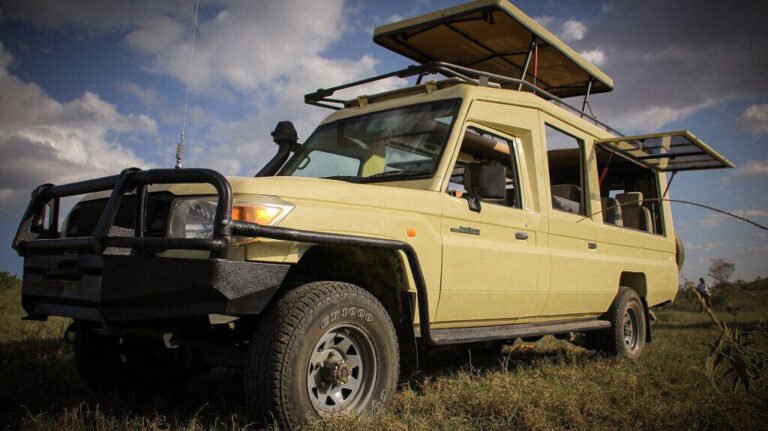
Ngorongoro Crater Safari Price Per Person: Your Guide 2026-2027
Discover the typical Ngorongoro Crater safari price per person for 2026-2027. This comprehensive guide breaks down cost factors, what's usually included, and how to plan your budget for...
View package details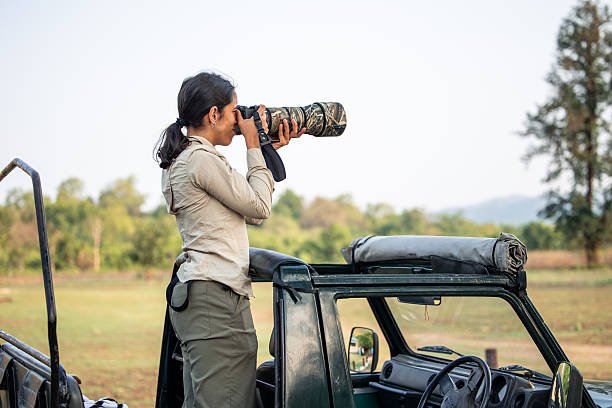
Tanzania Attraction Entry Fees: Guide To Park And Reserve Costs For 2026-2027
Planning a trip to Tanzania? This comprehensive guide details the essential Tanzania attraction entry fees for 2026-2027, covering national parks, conservation areas, and cultural sites...
View package details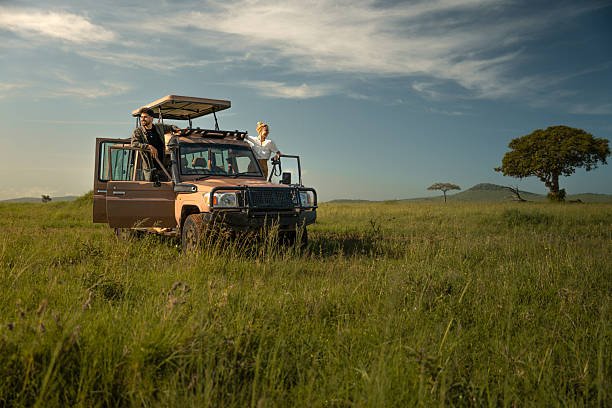
Tanzania Budget Safari Prices: Your Guide To Affordable Adventures 2026-2027
Planning a budget safari in Tanzania for 2026 or 2027? Understand the typical price ranges, what influences costs, and how to get the most value for your money. This guide breaks down the...
View package details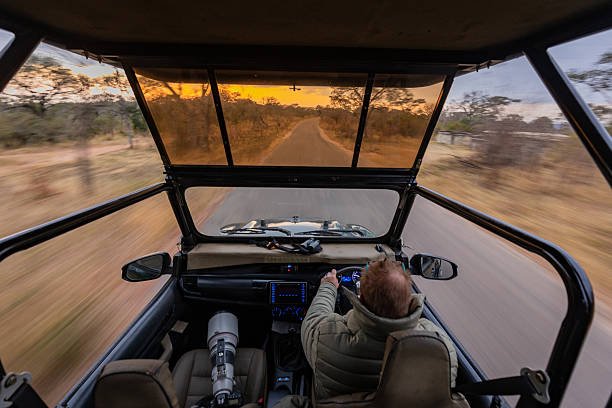
Tanzania National Park Entry Fees: A Complete Guide For 2026-2027
Planning a Tanzanian safari? This guide breaks down the 2026-2027 entry fees for all major national parks, helping you budget effectively for Serengeti, Ngorongoro, and beyond.
View package details
Pemba Island Safari Prices: Your Guide To Costs In 2026-2027
Planning a safari on Pemba Island? Understand the pricing for 2026-2027, from budget options to luxury experiences. This guide breaks down the costs, inclusions, and factors affecting your...
View package details
Mahale Safari Prices: Your Guide To Chimpanzee Trekking Costs 2026-2027
Planning a Mahale safari? This guide breaks down Mahale safari prices for 2026-2027, covering chimpanzee trekking permits, accommodation options, transport, and essential budgeting tips for...
View package details
Nyerere Walking Safari Prices : Your Guide To Costs And Planning 2026-2027
Explore Nyerere National Park on a walking safari with Top Guide Adventures. Discover pricing for 2026-2027, understand cost factors, and plan your unforgettable adventure.
View package detailsTanzania Boat Safari Prices: Your Guide To Costs & Options 2026-2027
Discover the pricing factors for Tanzania boat safaris in 2026-2027. This comprehensive guide breaks down costs, inclusions, and how to find the best value for your aquatic adventure.
View package detailsTanzania Tour Package Prices: Your Guide To Safari & Kilimanjaro Costs
Understand Tanzania tour package prices for 2026-2027. This guide covers safari costs, Kilimanjaro climb pricing, Zanzibar holidays, and factors influencing your budget, offering clear...
View package details
Tanzania Camping Fees Guide: Understanding Safari Costs For 2026-2027
Planning a Tanzania safari in 2026 or 2027? This guide breaks down the essential Tanzania camping fees, including park entrance, accommodation, and other costs, to help you budget...
View package detailsNo related package matches those filters. Clear one or more filters to see the other topic-matched options.



