
The Tabora Forest and Beekeeping Tour offers an unparalleled opportunity to connect with nature and local traditions in Tanzania, focusing on sustainable apiculture practices within the unique forest ecosystems. This experience allows travelers to learn directly from local beekeepers, understand the ecological importance of bees, and appreciate the cultural significance of honey production. Tours are typically customized, often lasting between 3 to 7 days, and can be integrated into broader Tanzania itineraries, providing a blend of adventure, education, and cultural exchange. For planning your 2026 or 2027 adventure, consider that availability can be seasonal, and early booking is recommended to secure preferred dates and local guide access.
Understanding the Tabora Forest and Beekeeping Tour
The Tabora region of Tanzania, known for its vast miombo woodlands and rich biodiversity, is also home to a vibrant tradition of beekeeping. The Tabora Forest and Beekeeping Tour is designed to showcase this intricate relationship between the local communities, the forest, and the vital role of bees in the ecosystem. This isn’t just a tourist activity; it’s an educational journey into sustainable living, traditional knowledge, and the economic importance of honey and its by-products.
Top Guide Adventures specializes in creating authentic experiences that go beyond the typical safari. Our Tabora Forest and Beekeeping Tour is crafted for the curious traveler who seeks to understand the heart of Tanzania’s natural heritage and the ingenuity of its people. We believe in responsible tourism that benefits local communities and preserves the environment, making this tour a perfect fit for those who want to travel with purpose.
What Makes This Tour Unique?
Unlike conventional tours, the Tabora Forest and Beekeeping Tour offers:
- Direct Interaction: Engage directly with experienced local beekeepers, learning their techniques passed down through generations.
- Forest Immersion: Explore the miombo woodlands, understanding the flora that supports the diverse bee populations.
- Sustainable Practices: Witness and learn about eco-friendly beekeeping methods that prioritize the health of the bees and the forest.
- Cultural Insights: Discover the cultural significance of honey, its uses in traditional medicine, cuisine, and local economies.
- Hands-on Experience: Depending on the season and safety protocols, participants might have opportunities for hands-on involvement in beekeeping activities.
The Ecological Significance of Beekeeping in Tabora
Bees are crucial pollinators, essential for the reproduction of a vast number of plant species, including many that form the backbone of the Tabora forest ecosystem. The miombo woodlands, characterized by Brachystegia and Julbernardia trees, rely heavily on insect pollination, with bees playing a primary role. The health of these woodlands is directly linked to the health of their bee populations.
By participating in a Tabora Forest and Beekeeping Tour, visitors gain a profound appreciation for this delicate balance. Local beekeepers act as custodians of these forests, their livelihoods dependent on the health of the bee colonies and the surrounding environment. Their practices often involve minimal interference, utilizing traditional log hives or carefully managed modern hives that coexist with the natural landscape. This symbiotic relationship is a model of sustainable resource management that has sustained communities for centuries.
Understanding pollination services provided by bees is key to appreciating the tour. These insects are not just honey producers; they are vital for the biodiversity and regeneration of the forest. A decline in bee populations could have cascading negative effects on the entire ecosystem, impacting plant life, wildlife that depends on those plants, and ultimately, the human communities that rely on forest resources.
Experiencing Traditional Beekeeping Methods
The heart of the Tabora Forest and Beekeeping Tour lies in witnessing and learning about traditional beekeeping techniques. While modern approaches are also observed, many local beekeepers continue to employ methods that have been refined over generations.
Traditional Log Hives:
These are typically hollowed-out logs, often from fallen trees, with an entrance hole for the bees. They are placed in strategic locations within the forest, often at heights that are accessible yet offer protection from predators and weather. The beekeeper’s knowledge of bee behavior, foraging patterns, and hive placement is crucial for success.
Harvesting Honey:
Harvesting honey from traditional hives requires skill and respect for the bees. Beekeepers use smoke from natural materials to calm the colony before opening the hive. The process is done carefully to minimize disturbance and ensure that enough honey is left for the bees to survive, especially during leaner seasons. The honey extracted is often raw, unprocessed, and rich in local pollens and enzymes, offering a unique flavor profile.
By-products:
Beyond honey, bees produce other valuable products like beeswax, propolis, and pollen. Beeswax is used for making candles, cosmetics, and traditional crafts. Propolis has medicinal properties and is used in traditional remedies. The tour provides insights into how these by-products are utilized locally and their economic value.
Key Aspects of Traditional Beekeeping to Observe:
- Hive construction and placement strategies.
- The use of natural smoke for colony management.
- Techniques for honey extraction that ensure colony survival.
- Processing and utilization of beeswax and other hive products.
- Understanding the local flora and its impact on honey quality and yield.
The Role of Top Guide Adventures in Your Tour
As a trusted tour operator in Tanzania, Top Guide Adventures is committed to providing authentic, safe, and enriching experiences. For the Tabora Forest and Beekeeping Tour, we ensure:
- Expert Local Guides: Our guides are not only knowledgeable about the region’s wildlife and culture but also have a deep understanding of beekeeping practices and the forest environment. They act as vital bridges between visitors and local communities.
- Community Partnerships: We work closely with local beekeeping communities, ensuring that your visit directly contributes to their livelihoods and supports conservation efforts. We facilitate respectful and meaningful interactions.
- Tailored Itineraries: Whether you’re interested in a short cultural day trip or a multi-day exploration, we can customize the tour to your interests and schedule. This includes combining it with other Tanzanian highlights like safaris or cultural visits.
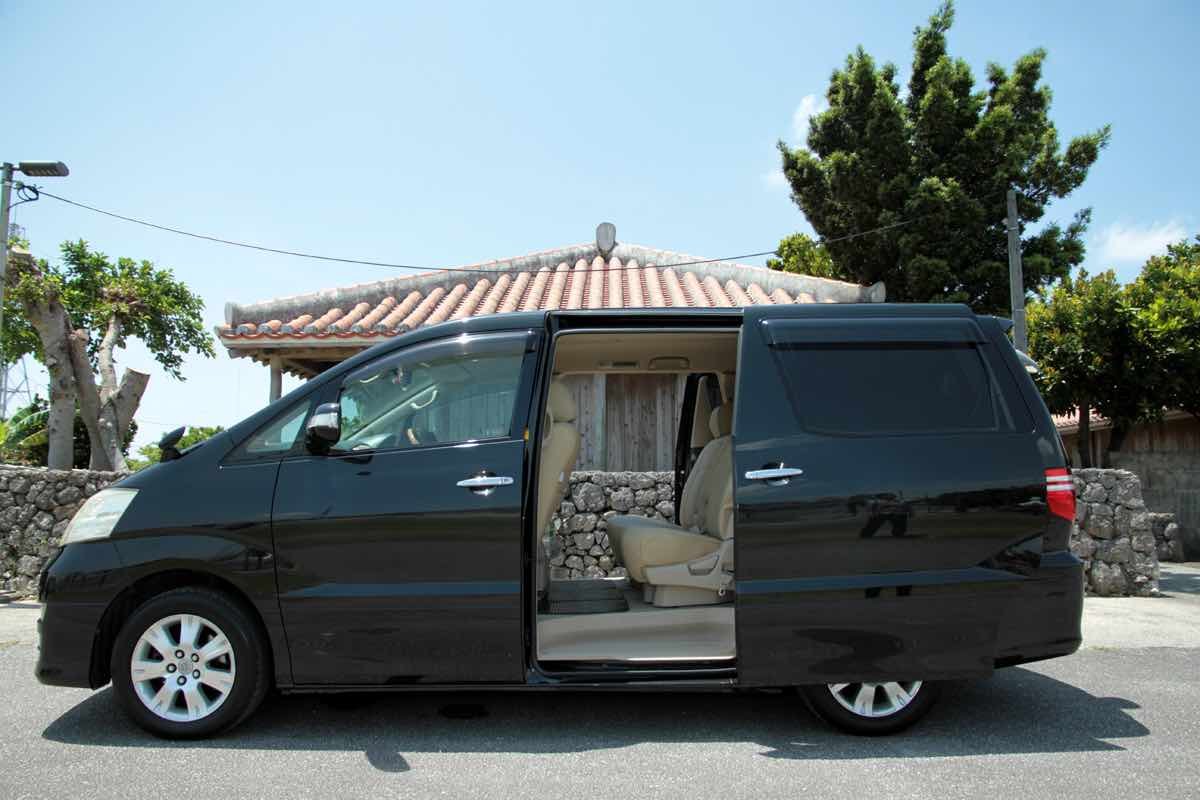
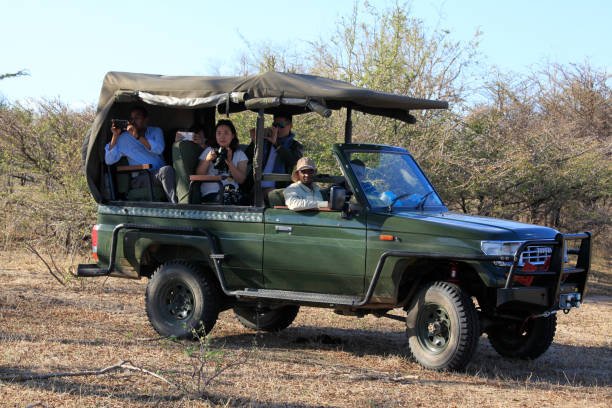
- Safety and Comfort: Your well-being is our priority. We ensure all activities are conducted with appropriate safety measures, and we arrange comfortable accommodation and transportation.
Planning your trip for 2026 or 2027? Top Guide Adventures can help you navigate the best times to visit, considering honey flow seasons and local events. Contact us to discuss your bespoke Tabora Forest and Beekeeping Tour.
Planning Your Tabora Forest and Beekeeping Experience
To make the most of your Tabora Forest and Beekeeping Tour, consider these planning aspects:
Best Time to Visit
The ideal time for a beekeeping tour often coincides with the periods of abundant flowering, which translates to active foraging and honey production. Generally, the dry seasons in Tanzania, particularly from June to October and again from December to February, are favorable. During these months, the weather is typically pleasant for forest exploration, and bees are actively collecting nectar.
However, specific flowering patterns can influence the best times. For instance, the flowering of certain miombo species might create distinct honey flows. We recommend consulting with Top Guide Adventures for the most up-to-date information regarding seasonal honey production and optimal visiting times for 2026 and 2027.
Duration of the Tour
The Tabora Forest and Beekeeping Tour can be adapted to various durations:
- Day Trip: A focused experience visiting a local beekeeping project, learning about basic practices, and tasting honey.
- 2-3 Days: Allows for deeper immersion, including forest walks, more extensive interactions with beekeepers, and understanding different hive types.
- 4-7 Days: Offers a comprehensive exploration, potentially including visits to multiple beekeeping sites, learning about honey processing, beeswax crafts, and integrating the experience with other local cultural activities. This duration is ideal for those wanting a full understanding.
What to Pack
Comfort and practicality are key for this tour. We advise packing:
- Lightweight, breathable clothing suitable for warm weather and forest terrain. Long sleeves and trousers are recommended for protection against insects and the sun.
- Comfortable walking shoes or hiking boots.
- A hat and sunglasses for sun protection.
- Insect repellent.
- Sunscreen.
- A reusable water bottle.
- A camera to capture the unique sights.
- A small backpack for day essentials.
- Binoculars (optional, for observing forest life).
For any beekeeping activities, protective gear will be provided by the local hosts and guides. Your safety and comfort are paramount.
Accommodation Options
Accommodation can range from comfortable lodges and guesthouses in or near Tabora town to more rustic, community-based stays that offer a closer connection to the local environment. Top Guide Adventures works with partners who provide clean, safe, and welcoming accommodations that align with the spirit of the tour. Options can be discussed based on your preferences and budget for your 2026-2027 travel plans.
Integrating the Tabora Forest and Beekeeping Tour into a Larger Itinerary
While the Tabora Forest and Beekeeping Tour is a rich experience in itself, it can be wonderfully integrated into a broader Tanzanian adventure. Its location makes it a potential stop for those traveling between popular safari destinations or en route to or from Zanzibar.
Possible Itinerary Combinations:
- Safari & Culture Combo: Combine the beekeeping tour with a safari in nearby national parks like Ruaha or Katavi, or explore the unique landscapes of the Selous Game Reserve. This offers a diverse experience of Tanzania’s wildlife and its people.
- Northern Circuit Extension: Although Tabora is in the central/western part of Tanzania, it can be incorporated into more extensive itineraries that might also include the famous Northern Circuit parks (Serengeti, Ngorongoro), requiring longer travel times but offering a complete picture of the country.
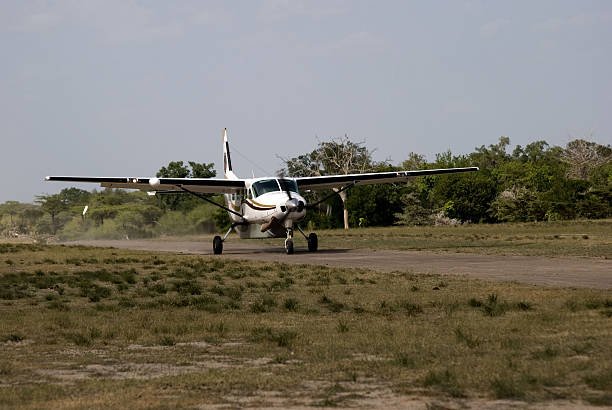
- Zanzibar Relaxation: After the cultural immersion of Tabora, unwind on the beautiful beaches of Zanzibar. We can arrange smooth transfers from Tabora to connect you with flights or ferries to the spice island.
- Cultural Hub: Tabora itself is a historically significant town with a rich Swahili culture. Spending time here before or after the beekeeping tour allows for exploration of local markets, historical sites, and interaction with the wider community.
Top Guide Adventures excels at crafting these comprehensive, tailor-made journeys. Let us know your interests, and we can design an unforgettable Tanzanian exploration for 2026 or 2027 that includes the unique Tabora Forest and Beekeeping Tour.
The Economic and Social Impact of Beekeeping
The Tabora Forest and Beekeeping Tour is more than just an educational excursion; it’s a window into how sustainable practices can empower local communities. Beekeeping provides a consistent source of income for many families in the Tabora region, often with relatively low startup costs compared to other agricultural ventures.
Income Generation:
Honey, beeswax, and other bee products are sold in local markets and increasingly to a wider audience. This income helps families meet their basic needs, invest in education for their children, and improve their quality of life. The tour directly supports these economic activities by creating a market for the beekeepers’ products and ensuring that a portion of the tour fees benefits the community.
Conservation Incentives:
When beekeeping becomes a viable economic activity, it creates a strong incentive for forest conservation. Local communities are more likely to protect the woodlands that sustain their bees, understanding that the health of the forest is directly linked to their prosperity. This fosters a sense of stewardship and promotes sustainable land management.
Knowledge Transfer:
Participating in the tour allows for the exchange of knowledge. While visitors learn about traditional beekeeping, they also sometimes share insights or perspectives that can be valuable to the local community. Top Guide Adventures facilitates these exchanges in a respectful and mutually beneficial manner.
Empowerment:
Especially for women in some communities, beekeeping can offer a pathway to economic independence and empowerment. The tour highlights these stories, showcasing the resilience and entrepreneurial spirit of the people of Tabora.
Why Your Visit Matters
By choosing the Tabora Forest and Beekeeping Tour with Top Guide Adventures, you are not just experiencing a unique destination; you are contributing to:
- Direct economic support for local beekeepers and their families.
- The preservation of Tabora’s vital miombo woodland ecosystems.
- The continuation of traditional beekeeping knowledge and practices.
- Promoting responsible and sustainable tourism in Tanzania.
Sustainability and Conservation through Apiculture
The connection between beekeeping and forest conservation in Tabora is profound and symbiotic. The miombo woodlands, a vast and ecologically significant biome, thrive with the help of bee pollination. Local beekeepers, through their activities, become active participants in protecting these forests.
Protecting Foraging Grounds:
Beekeepers understand the importance of maintaining healthy, diverse forest areas to ensure consistent nectar and pollen sources for their colonies. This naturally leads them to discourage practices that harm the forest, such as uncontrolled logging or burning, and to advocate for sustainable resource use.
Combating Deforestation:
As an alternative source of income, beekeeping can reduce the pressure on forests from activities like charcoal production or unsustainable agriculture. When communities can earn a living from forest products like honey, they have a vested interest in keeping the forest standing.
Biodiversity Monitoring:
Beekeepers are often keen observers of their environment. They notice changes in flora and fauna, including the health of their bee colonies, which can serve as early indicators of environmental stress or positive conservation outcomes. This ground-level monitoring is invaluable.
Education and Awareness:
The tour itself serves as an educational tool, raising awareness among visitors about the ecological services provided by bees and the importance of forest conservation. This can foster a greater appreciation for these issues globally.
Top Guide Adventures is dedicated to ensuring that all tours, including the Tabora Forest and Beekeeping Tour, adhere to the highest standards of sustainability. We partner with local communities who share this commitment, ensuring that your travel experience is both enriching and responsible.
A Deeper look at Tabora’s Cultural Heritage
While the beekeeping aspect is central, Tabora is a region rich in history and culture. The town of Tabora itself was a significant hub during the colonial era and along ancient trade routes, particularly for ivory and slave trade, though its modern identity is far removed from this past.
Historical Significance:
Tabora was once known as the ‘White Man’s Grave’ due to its challenging climate and remoteness during the 19th century exploration period. Today, it is a vibrant provincial capital with a unique blend of Swahili culture, influenced by Arab, Indian, and European traders throughout history. Understanding this context adds another layer to the beekeeping tour, as traditional practices often carry historical echoes.
Local Crafts and Cuisine:
Beyond honey, the region is known for various local crafts. The tour can be extended to include visits to local artisans. The cuisine also offers unique flavors, often incorporating local honey in dishes and beverages. Tasting local delicacies is an integral part of understanding the culture.
Community Life:
Engaging with local communities provides insights into daily life, social structures, and traditions. The beekeepers are often key figures within their communities, and their knowledge extends beyond apiculture to local customs, traditional medicine, and agricultural practices.
Top Guide Adventures can arrange for participants to experience aspects of Tabora’s broader cultural landscape, ensuring a well-rounded understanding of the region. For your 2026-2027 travel plans, let us build an itinerary that captures the essence of Tabora.
Safety and Best Practices for the Tour
Your safety and comfort are paramount during the Tabora Forest and Beekeeping Tour. Top Guide Adventures and our local partners adhere to strict safety protocols.
- Bee Sting Precautions: While local beekeepers are accustomed to working with bees, visitors will be briefed on safety measures. This includes understanding bee behavior, avoiding sudden movements, and knowing how to react if a bee becomes agitated. Protective gear will be provided for any close-up hive interactions.
- Forest Navigation: Guides are experienced in navigating the forest terrain, identifying potential hazards, and ensuring participants stay on designated paths where appropriate.
- Health and Hygiene: Basic health and hygiene practices are emphasized. It’s advisable to have any necessary personal medications.
- Respectful Interaction: We foster an environment of mutual respect between visitors and the local community. Guides ensure that interactions are culturally sensitive and appropriate.
It is important for travelers to inform us of any allergies, particularly to bee stings, in advance. We will then make necessary arrangements to ensure your safety and peace of mind throughout the tour.
What Travelers Can Expect: A Typical Day on Tour
While each Tabora Forest and Beekeeping Tour is unique and tailored, a typical day might involve:
- Morning Briefing: Start the day with your guide, discussing the day’s activities, safety, and any specific learning objectives.
- Forest Walk: A guided walk through the miombo woodlands to observe the diverse flora and fauna, and to locate active apiaries. Your guide will explain the ecological significance of the plants for bee foraging.
- Beekeeper Visit: Arrive at a local beekeeper’s homestead or apiary. Meet the beekeeper and learn about their methods, family traditions, and the challenges and rewards of their work.
- Apiary Observation: Depending on the specific arrangement and safety protocols, you might observe hive inspections, learn about honey extraction processes, or see how beeswax is rendered.
- Tasting Session: Sample different types of local honey, appreciating the varied flavors influenced by the specific floral sources. You might also taste honey-infused products.
- Cultural Exchange: Engage in conversations with the beekeeper and their family, learning about their way of life, local customs, and the role of beekeeping in their community.
- Afternoon Activities: This could include visiting a local market to see honey and other products for sale, exploring nearby points of interest in Tabora, or learning about other local crafts.
- Return and Reflection: Return to your accommodation, with time to reflect on the day’s experiences.
This structure ensures a balance of learning, experiencing, and cultural connection.
Booking Your Tabora Forest and Beekeeping Tour for 2026-2027
Top Guide Adventures is your premier partner for experiencing the wonders of Tanzania, including the unique Tabora Forest and Beekeeping Tour. We pride ourselves on offering personalized service, expert local knowledge, and a commitment to responsible tourism.
Why Book with Top Guide Adventures?
- Customization: We design itineraries around your specific interests, budget, and travel dates.
- Local Expertise: Our team has deep roots in Tanzania, providing authentic insights and connections.
- Support: From initial inquiry to your departure, we provide dedicated support.
- Community Focus: We ensure your travel positively impacts local communities and conservation efforts.
Ready to plan your adventure?
For inquiries and bookings for 2026 or 2027, please reach out to us:
- WhatsApp: +255616946642
- Email: topguideadventures@gmail.com
- Backup Email: info@topguideadventurestanzania.com
We are excited to help you create an unforgettable Tabora Forest and Beekeeping Tour, a journey that connects you with nature, culture, and the heart of Tanzania. Visit our website for more about our commitment to exceptional travel experiences across Tanzania: Top Guide Adventures Tanzania.
Consider our other specialized offerings, such as group departure dates for safaris and Kilimanjaro climbs, to complement your Tanzanian adventure: Tanzania Safari Group Departures and Kilimanjaro Machame Route.
Follow us on Instagram for travel inspiration: @top_guide_adventures.
See what other travelers say about our dedication to service: TripAdvisor Reviews.
Explore more insights on Tanzania travel from our blog: Tanzania Safari Tours Blog.
Check Availability for Tabora Forest And Beekeeping Tour: An In-Depth Cultural Experience In…
Ready to compare dates, prices, and the best option for your group? Send the package name and travel month so the team can reply with a clear quote, availability, and what is included.



