
The Kiwira Natural Bridge and Waterfalls, located in the Mbeya Region of Tanzania, is a striking geological formation where the Kiwira River has carved a natural arch through solid rock, creating a spectacular bridge above cascading waterfalls. It offers a unique natural spectacle for visitors interested in geology, hiking, and experiencing Tanzania’s less-explored natural landscapes, with optimal visiting times often falling within the dry seasons for easier access and clearer views, particularly as planning for 2026 and 2027 adventures begins.


Unveiling the Kiwira Natural Bridge and Waterfalls: A Geological Marvel in Southern Tanzania
Tanzania is globally renowned for its iconic wildlife safaris and the majestic Mount Kilimanjaro, but its diverse landscapes hold many lesser-known natural treasures. Among these, the Kiwira Natural Bridge and Waterfalls stand out as a remarkable testament to the power of erosion and water over millennia. This natural arch, sculpted by the persistent flow of the Kiwira River, forms a dramatic bridge over a series of powerful waterfalls, creating a scene of raw, untamed beauty. For travelers seeking experiences beyond the typical tourist trails, a visit to the Kiwira Natural Bridge offers a unique opportunity to connect with Tanzania’s geological history and its less-publicized natural wonders. As interest in sustainable and off-the-beaten-path travel grows, destinations like Kiwira are poised to become more prominent for adventurous explorers planning their trips for 2026 and 2027.
Geological Origins: How the Kiwira Natural Bridge Was Formed
The formation of the Kiwira Natural Bridge is a fascinating study in geological processes, primarily driven by fluvial erosion. Over countless years, the Kiwira River, fed by the highlands of southern Tanzania, has relentlessly flowed through the bedrock. The specific rock type in this area, often a form of sandstone or similar sedimentary rock, is susceptible to the erosive forces of flowing water. The river’s path was not uniform; it encountered variations in rock hardness and structural weaknesses. Over time, the water began to carve a channel, gradually widening and deepening it. Where a section of rock was more resistant, the water found pathways around it, or it began to undercut softer layers. Eventually, the erosive action concentrated on a specific point, leading to the gradual removal of rock until a natural arch was formed. This process, known as arching or natural bridging, is a common phenomenon in geology but is particularly impressive when achieved on the scale seen at Kiwira. The constant flow of water also contributes to the spectacle by creating the surrounding waterfalls, which cascade over the edges of the arch and into the gorge below, further shaping the landscape and adding to the visual drama. Understanding this geological history adds a profound layer of appreciation for the natural forces that shaped this unique landmark.
The Kiwira River: Lifeblood of the Natural Bridge
The Kiwira River is the architect of the Kiwira Natural Bridge and the force behind its cascading waterfalls. This vital waterway originates in the highlands of southern Tanzania, gathering water from rainfall and springs, and carving its path through the diverse terrain towards Lake Rukwa. The river’s consistent flow, particularly during and immediately after the rainy seasons, is crucial for maintaining the erosive power that shaped the natural bridge and sustains the grandeur of the waterfalls. Its journey is not just about erosion; it’s a lifeline for the surrounding ecosystem, supporting unique flora and fauna adapted to its banks. The clarity and volume of the water can change significantly depending on the season, influencing the visual impact of the falls and the overall accessibility of the site. For visitors, the river’s presence is central to the experience, providing the dynamic element that makes the Kiwira Natural Bridge and Waterfalls a living, evolving natural wonder. Planning a visit for 2026 or 2027 should consider the seasonal variations of the river to best appreciate its power and beauty.
Exploring the Kiwira Natural Bridge and Waterfalls: What to Expect
A visit to the Kiwira Natural Bridge and Waterfalls is an adventure into a less-traveled corner of Tanzania, promising a rewarding experience for those who make the journey. The site is characterized by its dramatic geological features, the soothing yet powerful sound of rushing water, and the surrounding natural environment. Expect a landscape that is rugged and beautiful, with opportunities for exploration and photography.
The Natural Bridge: A Spectacle of Nature
The centerpiece of the site is, of course, the natural bridge itself. It’s not a man-made structure but a solid rock formation naturally carved by the river. The arch spans the gorge, allowing the Kiwira River to flow beneath it before plunging down as waterfalls. The scale of the bridge can be quite impressive, offering a unique vantage point and a striking photographic subject. Depending on the water levels and the specific viewpoint, you can see the river disappearing under the arch and then re-emerging as it tumbles down. The rock formations surrounding the bridge are also noteworthy, showcasing layers and textures that tell the story of the region’s geological past. The sheer force of nature evident in the bridge’s creation is a powerful reminder of the planet’s dynamic processes.
The Waterfalls: Cascading Beauty
Complementing the natural bridge are the Kiwira Waterfalls. These are not single, monolithic falls but rather a series of cascades and drops created as the river tumbles over the rock formations, particularly around and below the natural bridge. The height and volume of the waterfalls vary significantly with the seasons. During the wet season, the river swells, and the falls become a thunderous display of power. In the dry season, they might be more subdued but can offer clearer views of the rock formations and easier access to different vantage points. The sound of the falling water is a constant, soothing presence, contributing to the tranquil yet invigorating atmosphere of the location. Exploring the areas around the falls allows for different perspectives on their beauty and power.
Surrounding Landscape and Ecosystem
The Kiwira Natural Bridge and Waterfalls are situated within a region that boasts a unique natural environment. The landscape is typically characterized by rolling hills, savannah-like vegetation, and pockets of woodland, all shaped by the presence of the Kiwira River. The area supports a variety of plant life adapted to the riverine environment and the drier surrounding plains. While not a primary wildlife destination like the famous national parks, the region can host diverse birdlife, small mammals, and reptiles. The lush vegetation along the riverbanks contrasts with the drier areas, creating microhabitats that are crucial for local biodiversity. The overall atmosphere is one of natural tranquility, a place where one can appreciate the interplay between water, rock, and life in a relatively untouched setting. For those planning trips in 2026-2027, the natural beauty of the surrounding area adds significant value to the visit.
Planning Your Visit to Kiwira Natural Bridge and Waterfalls
Visiting the Kiwira Natural Bridge and Waterfalls requires careful planning, especially as it is located in a less developed tourist area compared to Tanzania’s major national parks. Considerations for access, timing, accommodation, and local guidance are essential for a successful and enjoyable trip.
Best Time to Visit: Seasons and Conditions
The best time to visit the Kiwira Natural Bridge and Waterfalls is generally during the dry seasons, which typically run from June to October and again from December to February. During these periods, the weather is more stable, with less rainfall, making road conditions more manageable and hiking easier. The dry season also often means clearer skies, providing excellent opportunities for photography. While the waterfalls might be less voluminous than in the wet season, the overall accessibility and comfort of travel are significantly enhanced. The rainy seasons (roughly March to May and November) can bring heavy downpours, which can make roads impassable and trails muddy and treacherous. However, for those who don’t mind challenging conditions and want to see the waterfalls at their most powerful, the peak of the rainy season can offer a dramatic spectacle, though access might be severely limited. For planning purposes in 2026 and 2027, targeting the June-October window is often recommended for the most reliable experience.
Getting There: Routes and Transportation
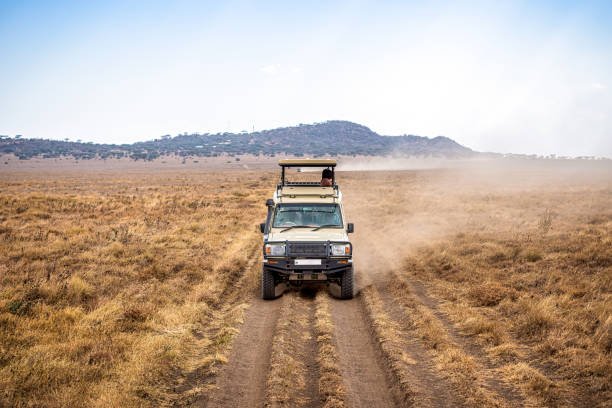
Reaching the Kiwira Natural Bridge and Waterfalls involves a journey into the Mbeya Region of southern Tanzania. The primary gateway city is Mbeya. From Mbeya, the journey typically involves driving on a combination of paved and unpaved roads. The exact route can vary depending on current road conditions and the specific starting point, but it often leads towards the Mbozi Plateau area. The final stretch to the bridge may require a 4×4 vehicle, especially during or after the rainy season, due to the condition of the local tracks. Traveling with a local tour operator like Top Guide Adventures is highly recommended, as they will have the expertise and appropriate vehicles to navigate these routes safely and efficiently. They can arrange transport from Mbeya or even from further afield, ensuring a smooth transition to this remote destination. For those planning their 2027 travels, booking transport well in advance is advisable.
Accommodation Options Near Kiwira
Accommodation options directly at the Kiwira Natural Bridge and Waterfalls are limited, reflecting its status as a natural attraction rather than a developed tourist resort. Visitors typically need to base themselves in or near the town of Mbeya, which offers a range of hotels and guesthouses catering to various budgets. For a more authentic experience, smaller guesthouses or lodges in towns closer to the site, such as Mbozi, might be available, though these are often more basic. Some travelers opt for camping if permitted and arranged in advance, offering a closer connection to the natural environment. Top Guide Adventures can assist in finding suitable accommodation based on your preferences and budget, whether that’s a comfortable hotel in Mbeya or a more rustic option closer to the natural wonders. As interest in such sites grows for 2026-2027, more local hospitality initiatives might emerge.
What to Pack: Essentials for Your Adventure
When preparing for a trip to the Kiwira Natural Bridge and Waterfalls, packing thoughtfully is key to comfort and safety. Given the varied terrain and potential for changing weather, a versatile packing list is recommended:
- Sturdy Hiking Boots: Essential for navigating potentially uneven and slippery terrain around the falls and bridge.
- Lightweight, Quick-Drying Clothing: Layers are best, including long-sleeved shirts and trousers to protect against the sun and insects.
- Rain Gear: A waterproof jacket and possibly waterproof trousers are advisable, even in the dry season, as weather can be unpredictable.
- Sun Protection: High SPF sunscreen, a wide-brimmed hat, and sunglasses are crucial.
- Insect Repellent: Especially important for evenings and areas near water.
- Reusable Water Bottle: Staying hydrated is vital, and carrying your own bottle is environmentally friendly.
- Camera and Extra Batteries/Power Bank: The scenery is highly photogenic.
- Small Backpack:
Check Availability for Kiwira Natural Bridge And Waterfalls 2026-2027
Ready to compare dates, prices, and the best option for your group? Send the package name and travel month so the team can reply with a clear quote, availability, and what is included.
5 closely related packages
Best 1 Day Lake Manyara Safari From Moshi: Your Ultimate Wildlife Experience
A 1-day Lake Manyara safari from Moshi offers an incredible opportunity to witness diverse wildlife, including iconic tree-climbing lions, in a single, action-packed day. This guided tour…

Book 1 Day Tarangire Safari From Moshi: Your Ultimate Wildlife Adventure
Discover the magic of a 1-day Tarangire Safari departing from Moshi. This guide covers everything you need to know for an unforgettable wildlife adventure in Tarangire National Park, from…

Best 4 Days Safari Tanzania From Zanzibar In 2026-2027
Discover the ultimate 4-day safari experience from Zanzibar. This guide covers the best itineraries, wildlife viewing opportunities in Tarangire, Lake Manyara, and Ngorongoro Crater for…

Best 3-Day Safari Tanzania From Zanzibar: Private Itinerary + Price 2026
Experience the thrill of a 3-day Tanzania safari departing from Zanzibar. This guide covers the best park options, itinerary ideas, and essential planning tips for 2026-2027, ensuring an…
2-Day Safari Tanzania From Zanzibar: Best Fly in Mainland 2026-2027
Discover the thrill of a 2-day safari in mainland Tanzania, starting from the idyllic island of Zanzibar. This short yet impactful adventure allows you to witness the incredible wildlife of…
No related package matches those filters. Clear one or more filters to see the other topic-matched options.



