
Traveling from the UK to Tanzania involves booking international flights, securing a visa, and planning your in-country itinerary, most commonly focusing on a safari or beach holiday. The most popular routes typically involve flying into Kilimanjaro International Airport (JRO) for safaris or Julius Nyerere International Airport (DAR) in Dar es Salaam for Zanzibar and southern safaris, with flight times ranging from 10 to 15 hours plus layovers. For 2026-2027 travel, booking flights and accommodations several months in advance is highly recommended, especially for peak safari seasons.
Planning Your Journey: UK to Tanzania Essentials
The allure of Tanzania – its vast savannas teeming with wildlife, the iconic Mount Kilimanjaro, and the spice-scented beaches of Zanzibar – draws travelers from across the globe, including a significant number from the United Kingdom. Planning a trip from the UK to Tanzania requires careful consideration of logistics, timing, and the type of experience you seek. Whether you dream of witnessing the Great Migration in the Serengeti, climbing Africa’s highest peak, or relaxing on the shores of the Indian Ocean, this guide breaks down exactly how to travel from UK to Tanzania, ensuring your adventure is well-prepared and unforgettable.
This comprehensive guide is designed to provide you with all the necessary information to navigate your journey smoothly. We will cover everything from the initial flight bookings and visa requirements to the best times to visit, essential packing lists, and how to choose the perfect Tanzanian adventure that aligns with your interests and budget for trips in 2026 and 2027.
Understanding Your Travel Options: Flights and Airports
The primary gateway for most international travelers heading to Tanzania’s renowned safari destinations is Kilimanjaro International Airport (JRO). Located strategically between Arusha and Moshi, JRO serves as the ideal starting point for safaris in the Northern Circuit, including the Serengeti, Ngorongoro Crater, Tarangire, and Lake Manyara National Parks, as well as for treks up Mount Kilimanjaro.
For those whose primary destination is Zanzibar or the southern safari parks like Selous Game Reserve (now Nyerere National Park) and Ruaha National Park, Julius Nyerere International Airport (DAR) in Dar es Salaam is the more suitable entry point. DAR also serves as a major international hub and is well-connected to other parts of Tanzania via domestic flights.
Flight Duration and Layover Considerations:
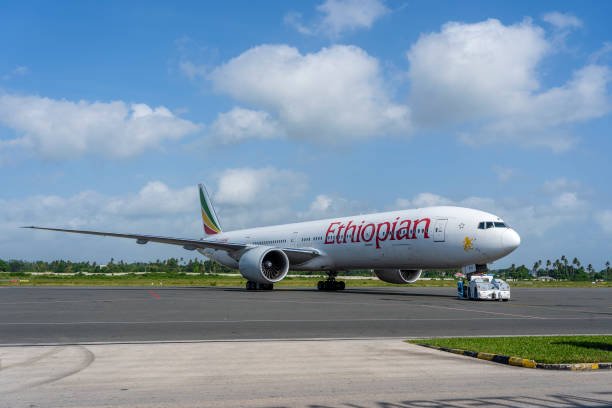
Direct flights from the UK to Tanzania are rare, if not non-existent. Most journeys will involve at least one stopover, typically in a major European hub like Amsterdam (AMS), Istanbul (IST), Doha (DOH), or Dubai (DXB), or sometimes in other African cities like Nairobi (NBO). The total travel time, including layovers, can range significantly, generally from 10 to 15 hours of flying time, with total journey durations often extending to 14-20 hours or more depending on the length of your layover.
When searching for flights, consider the following:
- Departure Airports: Major UK airports like London Heathrow (LHR), Gatwick (LGW), and Manchester (MAN) usually offer the most options.
- Airline Choices: Major carriers such as KLM, Turkish Airlines, Qatar Airways, Ethiopian Airlines, and Emirates often fly to Tanzania.
- Layover Comfort: If you have a long layover, check if the airport offers comfortable lounges or amenities. Some travelers opt for a short stopover in cities like Istanbul or Doha to break up the journey.
- Booking Window: For the best fares and availability, especially for travel during peak seasons in 2026 and 2027, it’s advisable to book your international flights 6-9 months in advance.
Visa Requirements for UK Citizens
As of the latest information, UK citizens require a visa to enter Tanzania. The most common and convenient way to obtain a visa is by applying for an e-visa online before your departure. This process is generally straightforward and significantly speeds up your arrival at Tanzanian immigration.
Applying for a Tanzanian e-Visa:
- Official Portal: Use the official Tanzanian immigration website. Be wary of third-party sites that may charge inflated fees.
- Visa Types: Common visa types include single-entry tourist visas, multiple-entry visas, and business visas. For most tourists, a single-entry visa is sufficient.
- Required Information: You will typically need your passport details (valid for at least six months beyond your intended stay), a passport-sized photograph, flight details, and accommodation information.
- Processing Time: Processing times can vary but usually take between 7 to 14 working days. It is best to apply well in advance of your travel dates.
- Fees: Visa fees are subject to change but typically range from $50 to $100 USD for a single-entry tourist visa.
Visa on Arrival: While technically possible for some nationalities at major entry points, relying on a visa on arrival is not recommended due to potential delays and uncertainty. Securing your e-visa beforehand is the most reliable method for a smooth entry into Tanzania.
Important Note for 2026-2027: Visa regulations can change. Always check the most up-to-date requirements on the official Tanzanian immigration website or consult with the Tanzanian High Commission in London well before your planned travel dates.
When to Visit Tanzania: Seasons and Best Times for Safaris
Tanzania offers incredible travel experiences year-round, but understanding its climate and wildlife patterns will help you choose the optimal time for your trip. The country experiences distinct wet and dry seasons, which significantly impact wildlife viewing and travel conditions.
The Dry Seasons (June to October and December to February)
These are generally considered the prime times for a Tanzanian safari.
- June to October: This is the peak of the dry season. Wildlife congregates around permanent water sources, making animals easier to spot. The vegetation is sparser, offering clearer views. This period also coincides with the Great Migration river crossings in the Grumeti and Mara rivers (July-October), a spectacular natural event. Temperatures are pleasant, with cooler evenings and mornings. This is also a popular time for climbing Kilimanjaro. Demand is high, so booking well in advance for 2026 and 2027 is crucial.
- December to February: This period marks the short dry season and the beginning of the calving season for wildebeest in the southern Serengeti. The weather is generally warm and sunny, making it another excellent time for safaris. The rains are minimal, and wildlife viewing remains excellent. This is also a popular time for beach holidays in Zanzibar.
The Wet Seasons (March to May and November)
- March to May: This is the long rainy season. Expect heavy, often daily, downpours, particularly in the afternoons. While wildlife viewing can be more challenging due to dispersed animals and denser vegetation, this period offers a different perspective. It’s the best time to see newborn animals, and the landscape is lush and green. Prices are typically lower, and there are fewer tourists. It is generally not the ideal time for climbing Kilimanjaro due to wet conditions.
- November: This is the short rainy season. Rains are usually brief and localized, often occurring in the late afternoon or overnight. It can be a good time to travel if you’re looking for lower prices and fewer crowds, with generally good wildlife viewing.
Choosing Your Season:
- For Great Migration: July to October.
- For Calving Season: January to February.
- For Best Wildlife Viewing (general): June to October and December to February.
- For Bird Watching: November to April (migratory birds).
- For Lower Prices & Fewer Crowds: March to May (long rains) and November (short rains).
- For Kilimanjaro Climbs: January to March and June to October.
Choosing Your Tanzanian Adventure: Safari, Kilimanjaro, or Zanzibar
Tanzania offers a diverse range of experiences, and your choice will shape your travel plans significantly. Understanding these options is key to planning your trip from the UK.
1. Tanzania Safaris: The Classic Experience
Tanzania is world-renowned for its exceptional safari destinations, particularly the Northern Circuit, which includes:
- Serengeti National Park: Famous for the Great Migration and vast plains supporting incredible wildlife densities.
- Ngorongoro Conservation Area: Home to the Ngorongoro Crater, a UNESCO World Heritage site with a high concentration of wildlife within its caldera.
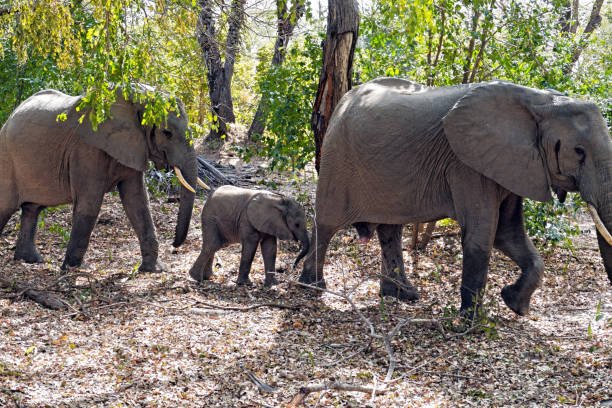
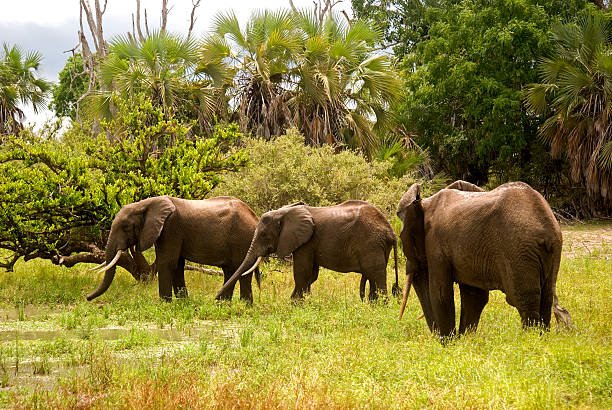
- Tarangire National Park: Known for its large elephant herds and baobab trees, especially prominent in the dry season.
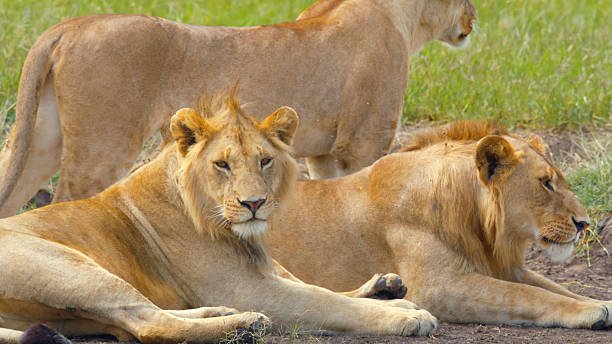
- Lake Manyara National Park: Features diverse ecosystems, including a rift valley lake, and is famous for its tree-climbing lions.
The Southern Circuit (Nyerere National Park, Ruaha National Park) offers a more remote and wild safari experience, often with fewer vehicles.
Safari Duration: Most safaris range from 3 days to 10 days or more. A typical Northern Circuit itinerary might be 5-7 days.
Safari Accommodation: Options range from budget-friendly camping and mid-range lodges to luxury tented camps and high-end lodges, catering to all preferences and budgets for 2026-2027 trips.
2. Climbing Mount Kilimanjaro
Africa’s highest peak, Mount Kilimanjaro, is a major draw for trekkers. Several routes lead to the summit (Uhuru Peak), each with varying difficulty, scenery, and acclimatization profiles.
Popular Routes:
- Machame Route: Often called the “Whiskey Route,” it’s popular for its scenic beauty and good acclimatization profile. Typically 6-7 days.
- Lemosho Route: Another highly scenic route, offering excellent acclimatization. Usually 7-8 days.
- Marangu Route: The “Coca-Cola Route,” it’s the oldest and most direct, offering hut accommodation. Typically 5-6 days, but with lower success rates due to faster ascent.
- Northern Circuit: The longest route, offering the best acclimatization and highest success rates. Usually 9-10 days.
Best Time for Climbing: January-March and June-October are the driest and most favorable months.
Booking a Climb: It’s essential to book with a reputable operator who prioritizes safety, uses experienced guides, and provides quality equipment. Top Guide Adventures specializes in Kilimanjaro climbs, offering tailored packages for 2026 and 2027. You can explore options like the Machame Route group departures.
3. Zanzibar Holidays: Beaches and Culture
Zanzibar, the “Spice Island,” offers a tropical paradise with stunning white-sand beaches, turquoise waters, and a rich history influenced by Arab, Persian, Indian, and European cultures.
Key Attractions:
- Stone Town: A UNESCO World Heritage site, famous for its labyrinthine alleys, historic architecture, and vibrant markets.
- Beaches: Nungwi and Kendwa (north) offer lively atmospheres and spectacular sunsets; Paje and Jambiani (east) are known for kite surfing and a more laid-back vibe; Matemwe (northeast) is ideal for relaxation and diving.
- Spice Tours: Discover the island’s fragrant spices, fruits, and medicinal plants.
- Diving and Snorkeling: Mnemba Atoll is a premier spot for marine life.
Combining Experiences: Many travelers combine a safari with a Zanzibar beach holiday, often flying between Kilimanjaro/Arusha and Zanzibar, or between Dar es Salaam and Zanzibar.
In-Country Transportation: Getting Around Tanzania
Once you arrive in Tanzania, efficient transportation is key to experiencing the country’s wonders.
Safari Travel
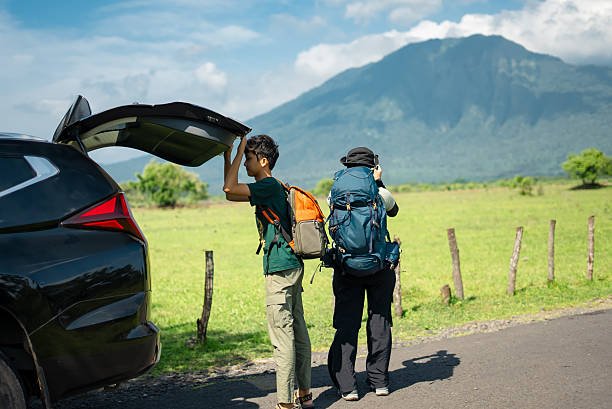
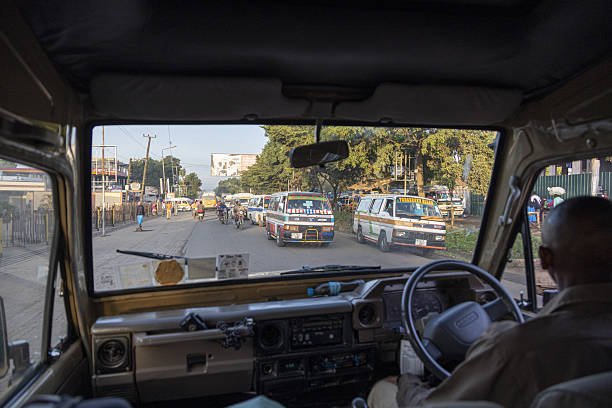
For safaris, especially in the Northern Circuit, the most common and practical mode of transport is a 4×4 safari vehicle. These are typically custom-built Land Cruisers or Land Rovers, equipped with pop-up roofs for optimal game viewing and photography, robust suspension for rough terrain, and ample space for passengers and luggage.
Tour Operators and Vehicles: Reputable tour operators like Top Guide Adventures provide these vehicles with experienced, English-speaking driver-guides. Your safari package will almost always include the vehicle, fuel, driver-guide, and park entrance fees.
Driving Distances: Be aware that distances between parks can be significant, and travel times can be long due to road conditions. A typical day might involve 3-5 hours of driving between destinations.
Inter-City and Inter-Park Travel
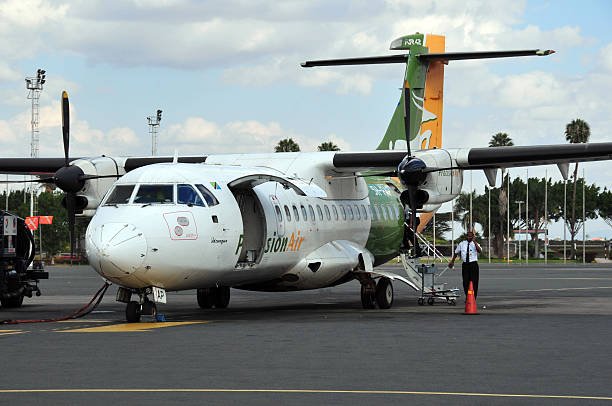
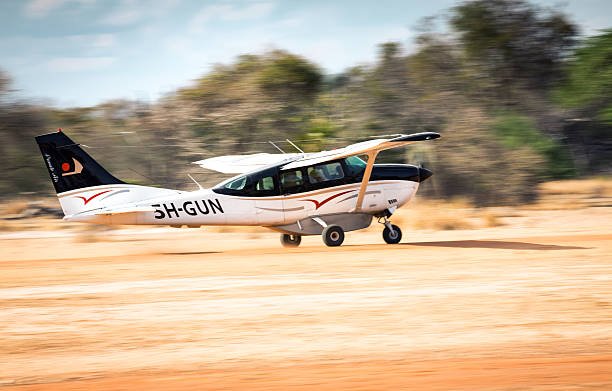
- Domestic Flights: For longer distances or to save time, domestic flights are an excellent option. Air Tanzania, Precision Air, and smaller charter companies operate flights between major hubs like Kilimanjaro (JRO), Arusha (ARK), Dar es Salaam (DAR), Zanzibar (ZNZ), and Serengeti airstrips. This is particularly useful for connecting a Northern Circuit safari with a Zanzibar beach holiday.
- Shuttles and Private Transfers: For travel between Kilimanjaro Airport, Arusha, and Moshi, private transfers or shared shuttle services are readily available. These can be pre-booked through your tour operator or arranged upon arrival.
- Public Transport: While extensive, public transport (buses, dala-dalas) is generally not recommended for tourists, especially for longer distances or time-sensitive itineraries, due to comfort, safety, and time constraints.
Zanzibar Transport
In Zanzibar, you can arrange for airport transfers, taxis, or hire a car with a driver for exploring the island. Scooters are also available for rent in some beach areas, but driving can be chaotic.
Accommodation Options in Tanzania
Tanzania boasts a wide spectrum of accommodation, ensuring there’s something for every traveler’s style and budget.
- Camping: For the adventurous and budget-conscious, public campsites within national parks or private campsites outside parks offer a close-to-nature experience. You can opt for “fly camping” on some safaris, setting up camp in remote locations.
- Tented Camps: These range from basic to luxurious “glamping” options. Mid-range and luxury tented camps offer comfortable beds, en-suite bathrooms, and often a more intimate safari experience, especially in private conservancies.
- Lodges: These are permanent structures, from simple guesthouses in towns to comfortable mid-range lodges and opulent, high-end lodges with swimming pools, fine dining, and stunning views.
- Kilimanjaro Huts/Camps: On Kilimanjaro, the Marangu route offers unique “huts” (dormitory-style rooms), while other routes utilize tent camping.
- Zanzibar Accommodation: From budget guesthouses in Stone Town to beachfront bungalows, boutique hotels, and luxury resorts, Zanzibar caters to all tastes.
Booking Accommodation: Your tour operator will typically arrange accommodation as part of your safari or trek package. For independent travel, you can book through online platforms or directly with hotels and lodges. For popular locations and peak seasons in 2026-2027, booking accommodation 4-6 months in advance is advisable.
Budgeting for Your Tanzania Trip (2026-2027)
The cost of traveling from the UK to Tanzania can vary significantly based on your chosen activities, accommodation standards, travel season, and the length of your stay. Here’s a breakdown of typical costs to help you budget for 2026-2027.
Cost Factors:
- International Flights: Can range from £600 to £1200+ per person, depending on the airline, booking time, and season.
- Visas: Approximately $50-$100 USD per person (check current rates).
- Safari Packages: These are often quoted in USD and include accommodation, park fees, vehicle, driver-guide, and meals. Prices can range from:
- Budget/Mid-Range: $200 – $400 USD per person per day.
- Luxury: $500 – $1000+ USD per person per day.
- Kilimanjaro Climbs: Prices vary widely based on route, duration, and operator. Expect $2,000 – $4,500+ USD per person for a reputable operator.
- Zanzibar Holidays: Accommodation and activities can range from $50 (budget) to $500+ (luxury) per person per day, excluding flights.
- Tips: Essential for guides and support staff. Budget around $20-30 USD per day for your safari driver-guide and $10-15 USD per day for porters/cooks on Kilimanjaro.
- Travel Insurance: Crucial for covering medical emergencies, trip cancellations, and lost luggage.
- Vaccinations & Medications: Consult your doctor for recommended immunizations and malaria prophylaxis.
Example Budget for a 7-Day Northern Circuit Safari (Mid-Range):
International Flights: £800
Visa: $50 USD (~£40)
Safari Package (6 nights/7 days): 7 days x $300 USD/day = $2100 USD (~£1650)
Tips: $25/day x 7 days = $175 USD (~£140)
Miscellaneous (souvenirs, drinks): £200
Estimated Total Per Person: ~£2,830
This is a rough estimate. Luxury options will significantly increase this figure, while more basic camping trips could reduce it. For precise quotes tailored to your 2026 or 2027 travel plans, contacting Top Guide Adventures directly is recommended.
Health and Safety Considerations
Prioritizing your health and safety is paramount for a successful trip to Tanzania.
Vaccinations and Health Advice
It is essential to consult your GP or a travel clinic 4-6 weeks before your departure for the most current advice on vaccinations and health precautions. Commonly recommended vaccinations include:
- Hepatitis A
- Typhoid
- Tetanus
- Polio
- Yellow Fever (a certificate may be required for entry, especially if arriving from a country with a risk of Yellow Fever transmission).
- Consider Hepatitis B, Rabies, and Japanese Encephalitis depending on your specific activities and itinerary.
Malaria Prevention
Malaria is present in most parts of Tanzania, including safari areas and Zanzibar. Your doctor will advise on the best antimalarial medication for you. It’s also crucial to:
- Use insect repellent containing DEET, especially during dawn and dusk.
- Wear long-sleeved clothing and trousers during these times.
- Sleep under a mosquito net, which should be provided in most accommodations.
- Treat your clothing with permethrin for added protection.
Travel Insurance
Comprehensive travel insurance is non-negotiable. Ensure your policy covers:
- Emergency medical treatment and evacuation (including for high-altitude activities if climbing Kilimanjaro).
- Trip cancellation and interruption.
- Lost or delayed baggage.
- Personal liability.
Safety Tips on Safari and Beyond
- Listen to Your Guide: Always follow the instructions of your safari driver-guide or Kilimanjaro guide. They are trained professionals who know the environment and wildlife.
- Wildlife Etiquette: Maintain a safe distance from all animals. Never attempt to feed or approach them. Stay inside your vehicle unless instructed otherwise by your guide.
- Valuables: Keep your valuables secure and out of sight. Avoid displaying expensive jewelry or electronics unnecessarily.
- Night Safety: Do not leave your tent or room unattended at night, especially in areas where wildlife may roam.
- Driving: Be cautious if driving yourself, and always use reputable companies for transfers and tours.
- Water: Drink only bottled or purified water. Avoid ice in drinks unless you are sure it’s made from purified water.
Packing Essentials for Your UK to Tanzania Trip
Packing appropriately will significantly enhance your comfort and enjoyment. Tailor your packing list based on your specific activities (safari, climb, beach).
General Essentials:
- Clothing: Lightweight, neutral-colored clothing (khaki, beige, olive green) is best for safaris to avoid startling wildlife. Pack layers for cooler mornings and evenings. Include long-sleeved shirts and trousers for sun and insect protection.
- Footwear: Comfortable walking shoes or hiking boots (broken in!) are essential for safaris and especially for Kilimanjaro. Sandals or flip-flops are good for relaxing.
- Sun Protection: High SPF sunscreen, a wide-brimmed hat, and sunglasses are vital.
- Insect Repellent: With a high concentration of DEET.
- First-Aid Kit: Include personal medications, pain relievers, antiseptic wipes, bandages, and any specific items recommended by your doctor.
- Toiletries: Including hand sanitizer.
- Adapter: Tanzania uses Type D and Type G electrical sockets (230V). Bring a universal adapter.
- Camera and Binoculars: Essential for capturing memories and spotting wildlife. Bring extra batteries and memory cards.
- Reusable Water Bottle: To minimize plastic waste.
- Headlamp or Torch: Useful for navigating at night.
- Small Backpack: For day trips and carrying essentials on safaris.
For Kilimanjaro Climbs:
- Warm Layers: Thermal base layers, fleece mid-layers, and a heavy down or synthetic insulated jacket.
- Waterproof Outerwear: Waterproof and windproof jacket and trousers.
- Gloves and Hat: Warm, waterproof gloves and a thermal hat.
- Trekking Poles: Highly recommended for stability and reducing strain.
- High-Altitude Sleeping Bag: Rated for temperatures down to -10°C or -20°C.
- Gaiters: To keep snow and mud out of your boots.
For Zanzibar Beach Holidays:
- Swimwear
- Lightweight beach cover-ups
- Rash guard for sun protection in water
- Beach towel (though often provided)
- Water shoes for rocky areas or coral.
Cultural Etiquette and Local Customs
Respecting local customs and traditions will enrich your experience and ensure positive interactions with the Tanzanian people.
- Greetings: A simple “Jambo” (hello) or “Habari” (how are you?) is appreciated. Learn a few basic Swahili phrases.
- Dress Code: While tourist areas are generally relaxed, it’s respectful to dress modestly, especially when visiting villages or towns. For women, covering shoulders and knees is advisable. Beachwear should be confined to the beach or pool area.
- Photography: Always ask for permission before taking photos of people, especially in local villages.
- Bargaining: Bargaining is common in local markets, but do so politely and with a smile. In established shops or lodges, prices are usually fixed.
- Gift Giving: If you wish to give gifts, consider practical items like school supplies for children or useful items for families. Avoid giving sweets, as they can cause dental problems.
- Respect Elders: Show deference to older individuals.
Making Your Booking: Working with a Tour Operator
While independent travel is possible, using a reputable tour operator like Top Guide Adventures significantly simplifies the logistics of traveling from the UK to Tanzania, especially for safaris and Kilimanjaro climbs.
Why Choose a Tour Operator?
- Expertise: Local operators have in-depth knowledge of destinations, wildlife, routes, and logistics.
- Logistics Management: They handle all bookings for accommodation, park fees, vehicles, guides, and internal flights.
- Safety and Support: You have 24/7 support during your trip. Operators are experienced in handling emergencies.
- Value: They often have established relationships with lodges and suppliers, potentially securing better rates and ensuring quality.
- Tailor-Made Itineraries: They can customize trips to your specific interests, budget, and time frame for 2026 or 2027.
Choosing the Right Operator:
- Reputation: Look for reviews on platforms like TripAdvisor.
- Experience: How long have they been operating? Do they specialize in your desired activity (safari, climb)?
- Inclusions: Understand exactly what is covered in the price (park fees, meals, accommodation type, guide, vehicle).
- Communication: Are they responsive and clear in their communication?
Ready to Plan Your Tanzanian Adventure?
Top Guide Adventures is a trusted Tanzanian tour company dedicated to providing exceptional travel experiences. We offer expertly crafted safaris, Kilimanjaro climbs, and Zanzibar holidays, with personal attention and dedicated support for every client. Whether you’re planning for 2026 or 2027, we can help you create the journey of a lifetime.
Contact us today for a personalized quote or to discuss your dream itinerary:
- WhatsApp: +255616946642
- Email: topguideadventures@gmail.com
- Backup Email: info@topguideadventurestanzania.com
Visit our website for more inspiration and to explore our tour options: Top Guide Adventures Tanzania.
Frequently Asked Questions (FAQs)
Here are some common questions travelers from the UK might have when planning their trip to Tanzania.
Check Availability for How To Travel From Uk To Tanzania 2026-2027
Ready to compare dates, prices, and the best option for your group? Send the package name and travel month so the team can reply with a clear quote, availability, and what is included.
Best 4 Days Safari Tanzania From Zanzibar In 2026-2027
Discover the ultimate 4-day safari experience from Zanzibar. This guide covers the best itineraries, wildlife viewing opportunities in Tarangire, Lake Manyara, and Ngorongoro Crater for…
Best 3-Day Safari Tanzania From Zanzibar: Private Itinerary + Price 2026
Experience the thrill of a 3-day Tanzania safari departing from Zanzibar. This guide covers the best park options, itinerary ideas, and essential planning tips for 2026-2027, ensuring an…
2-Day Safari Tanzania From Zanzibar: Best Fly in Mainland 2026-2027
Discover the thrill of a 2-day safari in mainland Tanzania, starting from the idyllic island of Zanzibar. This short yet impactful adventure allows you to witness the incredible wildlife of…
Best 1 Day Lake Manyara Safari From Moshi: Your Ultimate Wildlife Experience
A 1-day Lake Manyara safari from Moshi offers an incredible opportunity to witness diverse wildlife, including iconic tree-climbing lions, in a single, action-packed day. This guided tour…
Book 1 Day Tarangire Safari From Moshi: Your Ultimate Wildlife Adventure
Discover the magic of a 1-day Tarangire Safari departing from Moshi. This guide covers everything you need to know for an unforgettable wildlife adventure in Tarangire National Park, from…
No related package matches those filters. Clear one or more filters to see the other topic-matched options.



