
Traveling from Zambia to Botswana is most commonly achieved through a combination of flights or a multi-day overland journey, with direct flights often connecting Lusaka (Zambia) to Maun or Kasane (Botswana) for those prioritizing speed. Overland travel involves navigating border crossings, typically at Kazungula, and can be a more adventurous, budget-friendly option requiring careful planning for vehicle logistics, accommodation, and border procedures. The choice depends heavily on your budget, time constraints, and desired travel experience for your 2026 or 2027 trip.
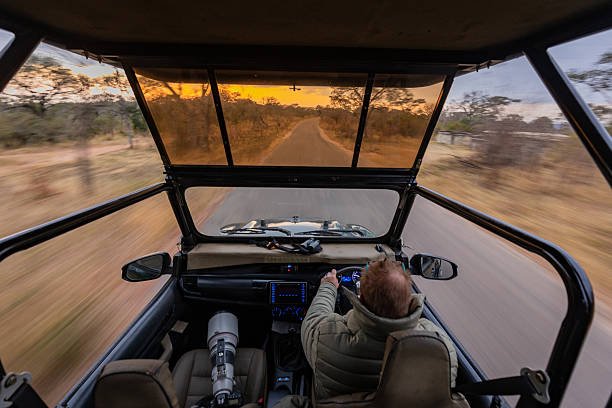
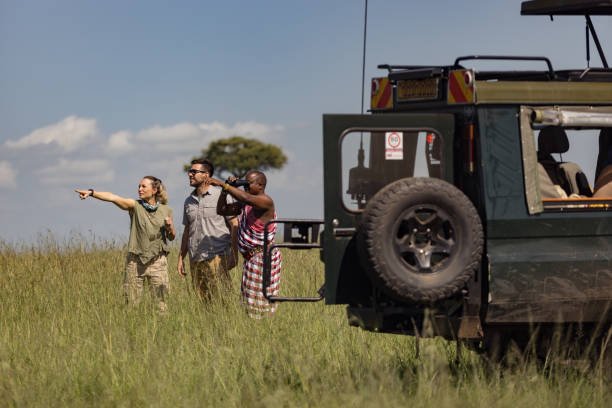
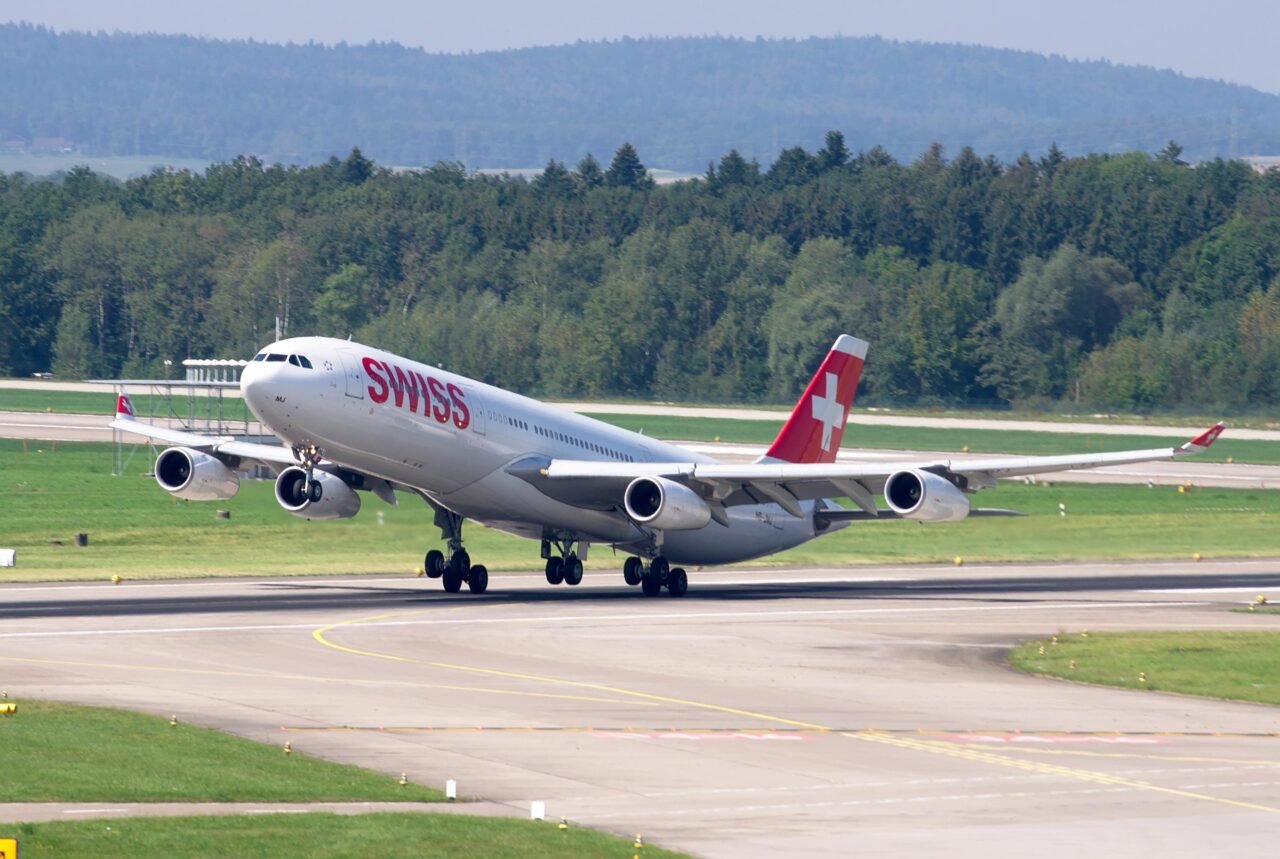
Understanding Your Zambia to Botswana Travel Options
The journey between Zambia and Botswana, two jewels of Southern Africa known for their spectacular wildlife and diverse landscapes, offers a fascinating travel experience. While they share a border and are geographically close, the practicalities of moving between them require careful consideration. Whether you’re a seasoned overland adventurer or seeking the most efficient flight path, this guide breaks down everything you need to know to plan your 2026-2027 trip.
For many travelers, the primary draw to this region is the exceptional safari potential. Botswana’s Okavango Delta and Chobe National Park are world-renowned, while Zambia offers the vast wilderness of South Luangwa and the Lower Zambezi. Connecting these two premier wildlife destinations is a common goal for many African itineraries. Top Guide Adventures, while primarily focused on Tanzania, understands the broader Southern African travel context and can offer insights into cross-border logistics that complement your safari dreams.
### The Fastest Route: Flying Between Zambia and Botswana
When time is of the essence, flying is undoubtedly the quickest way to travel from Zambia to Botswana. The main international airports in Zambia are Kenneth Kaunda International Airport (LUN) in Lusaka and Harry Mwanga Nkumbula International Airport (LVI) in Livingstone. In Botswana, the key gateways for wildlife tourism are Maun Airport (MUB), serving the Okavango Delta, and Kasane Airport (BBK), the gateway to Chobe National Park.
**Direct vs. Connecting Flights:**
While direct flights between Lusaka and Kasane or Maun are not always available or frequent, they offer the most convenient option if scheduled. Airlines like Air Botswana, Ethiopian Airlines, or other regional carriers may operate these routes, though schedules can change. Often, you’ll find yourself taking a flight from Lusaka to a hub like Johannesburg (South Africa) and then connecting to Kasane or Maun. This indirect route can add significant travel time and cost but is usually more reliable in terms of flight availability.
**Typical Flight Scenarios (2026-2027 Outlook):**
* **Lusaka (LUN) to Kasane (BBK):** This is a popular route for those heading directly to the Chobe region. Flights might involve a stopover in Johannesburg. The total travel time, including layovers, can range from 5 to 10 hours. Direct flights, if available, would be significantly shorter.
* **Lusaka (LUN) to Maun (MUB):** For those heading to the Okavango Delta, Maun is the primary airport. Similar to Kasane, flights often connect through Johannesburg. This journey can take anywhere from 6 to 12 hours, depending on layover durations.
* **Livingstone (LVI) to Kasane (BBK):** Given the proximity of Livingstone (Zambia) to Kasane (Botswana) across the Zambezi River, this is a surprisingly feasible flight connection, often involving a short flight or even a road transfer to Kasane from Livingstone airport, or a flight from Livingstone to a regional hub and then to Kasane.
**Booking Tips for 2026-2027:**
* **Book in Advance:** For peak safari seasons (typically May to October), flight tickets, especially those connecting to smaller airports like Maun and Kasane, can sell out quickly. It’s advisable to book at least 6-9 months ahead for 2026-2027 travel.
* **Check Airlines:** Regularly compare prices and schedules on airline websites or through reputable travel aggregators. Consider carriers like Air Botswana, Airlink, Ethiopian Airlines, and South African Airways.
* **Baggage Allowances:** Be mindful of baggage restrictions, especially if you’re connecting to smaller charter flights within Botswana, which often have stricter weight limits (usually 15-20 kg in soft bags).
### The Adventurous Path: Overland Travel from Zambia to Botswana
For travelers seeking a more in-depth experience and a potentially more budget-friendly option, the overland route from Zambia to Botswana is a rewarding adventure. This typically involves driving or taking public transport and navigating the Kazungula Border Post.
**The Kazungula Border Crossing:**
The Kazungula border is the primary land crossing point between Zambia and Botswana, situated on the banks of the mighty Zambezi River. It’s a crucial point for regional trade and tourism. The crossing itself can be an experience, involving multiple stages and officials from both countries.
* **Location:** Kazungula, Zambia, borders Kazungula, Botswana.
* **Significance:** It connects the Trans-Caprivi Highway (Namibia) with the main road network in Zambia and Botswana, forming a vital corridor.
* **Infrastructure:** The new Kazungula Bridge, opened in 2021, has significantly eased traffic flow and reduced waiting times compared to the old ferry system. This is a major improvement for overland travelers in 2026-2027.
**Modes of Overland Travel:**
1. **Private Vehicle (Self-Drive):**
If you are driving your own vehicle or a rental, you’ll need to manage customs and immigration procedures for both your vehicle and yourself. This requires comprehensive documentation, including vehicle registration, insurance (especially COMESA yellow card or equivalent for cross-border use), and potentially a Temporary Import Permit (TIP).
* **Challenges:** Navigating unpaved roads, managing fuel stops, and understanding local driving laws are key. Ensure your vehicle is in excellent condition and equipped for potential off-road conditions.
* **Visas:** You’ll need to ensure you have the correct visas for Botswana (and potentially Zambia if you’re entering from elsewhere and transiting). Many nationalities can obtain a visa on arrival, but it’s crucial to check current regulations for 2026-2027.
2. **Public Transport (Buses & Taxis):**
This is the most economical way to travel overland. The journey usually starts in Lusaka or Livingstone.
* **Lusaka to Kazungula:** Numerous buses run from Lusaka’s main bus station to the Kazungula border area. The journey can take 6-8 hours, depending on road conditions and stops.
* **Livingstone to Kazungula:** Livingstone is closer to the border, and taxis or local minibusses (combis) are readily available to take you the short distance to Kazungula. This leg is much quicker, perhaps 30-60 minutes.
* **Border Crossing:** At Kazungula, you will disembark the Zambian vehicle, clear immigration on the Zambian side, cross the border (either by walking across the bridge or taking a short shuttle/taxi), and then clear immigration on the Botswana side. You’ll then find onward transport (buses or shared taxis) from the Botswana side of Kazungula towards your final destination, such as Kasane or Francistown.
* **Time:** The entire border crossing process can take anywhere from 1 to 4 hours, depending on the volume of traffic and efficiency of the officials. It’s a good idea to have small USD bills for potential minor fees, though official fees should be paid in the local currency.
3. **Private Transfers & Guided Tours:**
For a more comfortable and organized overland experience, you can arrange private transfers or join a guided overland tour. This often involves a dedicated vehicle and driver/guide who handles all border formalities. This is a popular option for groups or those who prefer not to manage the logistics themselves.
* **Inclusions:** Typically includes vehicle, driver, fuel, and border assistance. Accommodation might be included or booked separately.
* **Cost:** Significantly more expensive than public transport but offers convenience and peace of mind.
**Key Considerations for Overland Travel (2026-2027):**
* **Vehicle Type:** For self-drivers, a 4×4 is highly recommended, especially if you plan to venture off main roads or travel during the rainy season (November to April).
* **Fuel:** Ensure you have sufficient fuel, as stations can be sparse in some areas. Fill up whenever you have the chance.
* **Safety:** While generally safe, it’s wise to avoid driving at night due to wildlife on the roads and potential security concerns. Plan your journey to reach your destination before dusk.
* **Connectivity:** Mobile phone reception can be patchy. Consider purchasing local SIM cards for both Zambia and Botswana if you need consistent communication.
## Planning Your Itinerary: Zambia and Botswana Combined
Many travelers choose to combine Zambia and Botswana in a single trip to experience the diverse wildlife and landscapes each country offers. The order of your visit can significantly impact your travel logistics.
### Option 1: Starting in Zambia, Moving to Botswana
This is a common flow, especially for those arriving internationally into Lusaka or Livingstone.
* **Typical Itinerary Structure:**
* Arrive in Lusaka or Livingstone, Zambia.
* Explore Zambian highlights: South Luangwa National Park (for walking safaris), Lower Zambezi National Park (for canoeing and tiger fishing), or Victoria Falls (from the Zambian side).
* Travel overland or fly from Zambia to Botswana.
* Explore Botswana’s highlights: Chobe National Park (for elephant herds and river cruises), Okavango Delta (for mokoro excursions and unique ecosystems), or the Kalahari Desert.
* Depart from Maun or Kasane, or fly back to Lusaka for international departure.
**Example Overland Route (Zambia to Botswana):**
1. **Lusaka to Livingstone:** Approx. 6-7 hour bus journey.
2. **Livingstone:** Spend 2-3 days exploring Victoria Falls, adrenaline activities, and local culture.
3. **Livingstone to Kazungula Border:** 30-60 minute taxi/combi ride.
4. **Border Crossing:** Allow 1-3 hours at Kazungula.
5. **Kazungula (Botswana side) to Kasane:** Short taxi ride (approx. 10-15 minutes).
6. **Kasane:** Explore Chobe National Park (2-4 days).
**Example Flight Route (Zambia to Botswana):**
1. **Lusaka (LUN) to Johannesburg (JNB):** Approx. 2-hour flight.
2. **Johannesburg (JNB) to Kasane (BBK) or Maun (MUB):** Approx. 2-3 hour flight (direct flights might be limited, check schedules for 2026-2027).
### Option 2: Starting in Botswana, Moving to Zambia
This route is also feasible, particularly if your international flight arrives in Maun or Kasane.
* **Typical Itinerary Structure:**
* Arrive in Maun or Kasane, Botswana.
* Explore Botswana’s Okavango Delta, Chobe, or Kalahari.
* Travel overland or fly from Botswana to Zambia.
* Explore Zambia’s South Luangwa, Lower Zambezi, or Victoria Falls.
* Depart from Lusaka or Livingstone.
**Example Overland Route (Botswana to Zambia):**
1. **Kasane to Kazungula Border:** 10-15 minute taxi ride.
2. **Border Crossing:** Allow 1-3 hours at Kazungula.
3. **Kazungula (Zambia side) to Livingstone:** 30-60 minute taxi/combi ride.
4. **Livingstone:** Explore Victoria Falls.
5. **Livingstone to Lusaka:** 6-7 hour bus journey.
**Example Flight Route (Botswana to Zambia):**
1. **Maun (MUB) or Kasane (BBK) to Johannesburg (JNB):** Approx. 2-3 hour flight.
2. **Johannesburg (JNB) to Lusaka (LUN) or Livingstone (LVI):** Approx. 2-hour flight.
**Strategic Considerations for 2026-2027:**
* **Visa Requirements:** Research visa needs for both countries well in advance. Some nationalities require pre-arranged visas for Zambia, while Botswana often offers visas on arrival. Always verify the latest requirements.
* **Best Time to Visit:** The dry season (May to October) is generally best for game viewing in both countries, as animals congregate around water sources. However, the green season (November to April) offers lush landscapes, migratory birds, and lower prices, though some areas might become inaccessible due to rain.
* **Budget:** Overland travel is generally cheaper than flying, especially for longer distances. Factor in accommodation, park fees, activities, and food for both countries.
## Essential Documentation and Visa Information
Navigating border crossings requires proper documentation. Ensure you have all necessary paperwork to avoid delays or denied entry.
### Visa Requirements for Zambia
Visa requirements for Zambia vary by nationality. Many visitors can obtain a visa on arrival at major ports of entry, including airports and land borders. However, it is always prudent to check the official website of the Zambian Department of Immigration or your local Zambian embassy for the most up-to-date information for 2026-2027.
* **Visa on Arrival:** Common for many Western nationalities. Typically requires a passport valid for at least six months beyond your intended stay, with blank pages, and sometimes proof of onward travel or sufficient funds.
* **Pre-arranged Visas:** Some nationalities may need to apply for a visa in advance from a Zambian embassy or consulate in their home country or a neighboring country.
* **Fees:** Visa fees vary. It’s advisable to carry sufficient USD in cash for payment, as card facilities may not always be available at land borders.
### Visa Requirements for Botswana
Botswana is known for its relatively straightforward visa policy for tourists.
* **Visa-Free Entry:** Citizens of many countries, including the EU, USA, UK, Canada, Australia, and New Zealand, can enter Botswana visa-free for tourism purposes for up to 30 days (extendable). Again, always confirm current regulations for 2026-2027.
* **Passport Validity:** Your passport must be valid for at least six months beyond your intended stay and have at least two blank pages.
* **Proof of Funds/Onward Travel:** Border officials may request proof of sufficient funds for your stay and onward or return tickets.
### Other Crucial Documents
* **Passport:** Ensure your passport has at least six months of validity remaining from your date of entry into each country and has at least two blank pages for entry and exit stamps.
* **Yellow Fever Certificate:** If you are arriving from a country with a risk of yellow fever, or transiting through one for more than 12 hours, you will likely need to present a valid International Certificate of Vaccination or Prophylaxis (ICVP) for yellow fever. This is often checked at both Zambian and Botswana entry points.
* **Driver’s License & Vehicle Documents (for Self-Drive):** International Driving Permit (IDP) is recommended, along with original vehicle registration, proof of ownership or authorization letter, and valid insurance (COMESA Yellow Card is highly recommended for cross-border insurance coverage).
* **Travel Insurance:** Comprehensive travel insurance covering medical emergencies, evacuation, trip cancellation, and lost belongings is essential for any trip to Southern Africa.
**Tip for 2026-2027:** Always make copies (physical and digital) of your important documents. Keep them separate from the originals.
## Navigating Costs: Budgeting Your Zambia to Botswana Journey
The cost of traveling between Zambia and Botswana can vary dramatically based on your chosen mode of transport, accommodation style, and activities.
### Flight Costs
* **International Flights:** Round-trip flights to Lusaka or Livingstone from major international hubs can range from $800 to $1,500+, depending on your departure city and booking time.
* **Regional Flights (Lusaka/Livingstone to Maun/Kasane):** If booked separately, expect to pay anywhere from $400 to $800+ per person for a return journey, especially if it involves multiple legs and stops.
* **Charter Flights within Botswana:** If you’re flying into Maun or Kasane and then taking light aircraft transfers to remote lodges, these can add significantly to your budget, often ranging from $300 to $600+ per person per leg.
### Overland Costs
* **Public Transport:** This is the most budget-friendly option. A bus ticket from Lusaka to Kazungula might cost around $20-$40. Local transport within towns and to borders will add incremental costs. Expect to spend around $100-$200 per person for the entire overland journey between major points, excluding accommodation and activities.
* **Private Transfers/Self-Drive:**
* **Vehicle Hire:** Renting a 4×4 in Zambia can cost from $100 to $200+ per day, plus fuel and insurance.
* **Fuel:** Fuel prices fluctuate but budget around $0.20-$0.30 per liter.
* **Border Fees:** Expect to pay various small fees at the border for customs, road tax, and potentially insurance, totaling perhaps $50-$100 for a vehicle.
* **Private Driver/Guide:** Hiring a private vehicle with a driver for the cross-border journey can range from $300 to $700+ per day, depending on the vehicle and service level.
### Accommodation and Park Fees
These costs are incurred once you arrive in Botswana (or continue your stay in Zambia).
* **Botswana Park Fees:** Chobe National Park has daily entry fees (around $10-$30 per person) and vehicle fees. Okavango Delta activities and conservancy fees can be substantial, especially for lodge-based stays.
* **Accommodation:** Options range from budget campsites (around $20-$40 per person per night) to mid-range lodges ($150-$400 per person per night) and luxury camps ($500-$1500+ per person per night).
**Budgeting for 2026-2027:**
* **Budget Traveler:** Using public transport and camping, you might manage on $70-$120 per person per day, excluding international flights.
* **Mid-Range Traveler:** Opting for comfortable lodges and some private transfers, budget $250-$500 per person per day.
* **Luxury Traveler:** With fly-in safaris and high-end lodges, costs can easily exceed $800-$1500+ per person per day.
## Practical Tips for a Smooth Journey
Beyond the main logistics, several practical tips can enhance your travel experience from Zambia to Botswana.
### Currency and Payments
* **Zambia:** The currency is the Zambian Kwacha (ZMW). USD is widely accepted, especially for tourist services, but carrying some local currency is useful for smaller purchases and local transport.
* **Botswana:** The currency is the Botswana Pula (BWP). USD is sometimes accepted in tourist areas, but it’s best to use Pula. ATMs are available in major towns, and credit cards are accepted at most lodges and larger establishments.
* **Border Exchange:** You can exchange currency at the border, but rates may not be the most favorable. It’s often better to use ATMs upon arrival in the respective country or exchange a small amount beforehand.
### Health and Safety
* **Malaria:** Both Zambia and Botswana are malaria-endemic areas, especially in wildlife regions. Consult your doctor about malaria prophylactics and take precautions like using insect repellent and wearing long sleeves/trousers at dawn and dusk.
* **Vaccinations:** Ensure routine vaccinations are up-to-date. Yellow fever vaccination is often required (see documentation section).
* **Water:** Drink bottled or purified water only.
* **Sun Protection:** The African sun can be intense. Use high SPF sunscreen, wear a hat, and stay hydrated.
* **Wildlife Safety:** Always maintain a safe distance from wildlife. Never feed animals. Follow the advice of your guide or lodge staff.
### Communication
* **SIM Cards:** Purchasing local SIM cards in Zambia (MTN, Airtel) and Botswana (Mascom, Orange) is generally inexpensive and provides better value for data and calls than international roaming.
* **Wi-Fi:** Wi-Fi is available in most lodges and hotels, but speeds can vary, and it might be intermittent in remote areas.
### Packing Essentials
* **Lightweight, neutral-colored clothing:** Ideal for safaris.
* **Warm layer:** Evenings and early mornings can be cool, especially during the dry season.
* **Comfortable walking shoes:** For exploring.
* **Sun hat, sunglasses, sunscreen.**
* **Insect repellent.**
* **Camera and binoculars.**
* **Headlamp or flashlight.**
* **Personal first-aid kit.**
* **Adapter for electronics.**
* **Soft-sided luggage:** Recommended for light aircraft transfers.
## Considering 2026-2027 Travel Trends
As you plan your trip for 2026 or 2027, consider these emerging trends:
* **Sustainable Tourism:** There’s a growing emphasis on eco-friendly travel and supporting lodges and tour operators with strong conservation ethics. Both Zambia and Botswana have robust conservation efforts.
* **Experiential Travel:** Travelers are increasingly seeking authentic experiences beyond traditional safaris, such as cultural interactions, community visits, and specialized activities like birdwatching or photography tours.
* **Technology Integration:** While maintaining the wild feel, expect more lodges to offer better Wi-Fi, digital check-ins, and potentially app-based guides or information.
* **Peak Season Demand:** The prime safari months (June-October) will likely remain highly sought after. Booking well in advance for 2026 and 2027 is crucial for securing preferred lodges and flights.
* **Overland Bridge Efficiency:** The Kazungula Bridge is expected to continue streamlining cross-border traffic, making overland travel more predictable and potentially faster than in previous years.
## Making Your Booking with Top Guide Adventures
While Top Guide Adventures specializes in creating unforgettable Tanzania safari experiences, Kilimanjaro climbs, and Zanzibar holidays, we understand the broader context of East and Southern African travel. If your journey from Zambia to Botswana is part of a larger African adventure, or if you’re seeking advice on how these destinations can complement each other, we can guide you.
For those looking to extend their safari experience or plan a multi-country trip, understanding the connections and logistics between countries like Zambia and Botswana is key. We can help you conceptualize itineraries that maximize your wildlife encounters and cultural experiences across the continent.
**Get in touch with us to discuss your dream African adventure:**
* **WhatsApp:** +255616946642
* **Email:** topguideadventures@gmail.com
* **Backup Email:** info@topguideadventurestanzania.com
Whether you are planning a trip in 2026 or 2027, or simply exploring your options, let us help you craft a journey that meets your expectations. We are committed to providing personal attention, care, and dedicated support for every client, ensuring your travel dreams become a reality.
### Frequently Asked Questions about Zambia to Botswana Travel
Is it possible to drive from Zambia to Botswana?
Yes, it is possible to drive from Zambia to Botswana. The primary land route involves crossing the border at Kazungula. If you are driving your own vehicle, ensure you have all necessary documentation, including vehicle registration, insurance (like the COMESA Yellow Card), and temporary import permits. For rental vehicles, confirm with the rental company if cross-border travel is permitted.
What is the best time of year to travel between Zambia and Botswana?
The best time for wildlife viewing in both Zambia and Botswana is generally during the dry season, from May to October. During these months, animals congregate around water sources, making them easier to spot. However, the green season (November to April) offers lush landscapes, fewer crowds, and potentially lower prices, though some areas might be less accessible due to rain.
How long does it take to cross the Kazungula border?
The Kazungula border crossing time can vary. With the new Kazungula Bridge, the process is much smoother than before. However, it can still take anywhere from 1 to 4 hours to complete immigration and customs procedures for both individuals and vehicles, depending on the volume of traffic and efficiency of officials.
Are there direct flights from Lusaka to Maun or Kasane?
Direct flights between Lusaka (Zambia) and Maun or Kasane (Botswana) are not always consistently available. Often, flights will connect through a regional hub like Johannesburg, South Africa. It is advisable to check airline schedules well in advance for your 2026-2027 travel plans, as routes and frequencies can change.
What currency should I use when traveling from Zambia to Botswana?
In Zambia, the currency is the Zambian Kwacha (ZMW). In Botswana, it is the Botswana Pula (BWP). While US Dollars are often accepted in tourist areas, it is best to have local currency for smaller purchases and local transport. You can exchange currency at banks, exchange bureaus, or withdraw from ATMs in major towns. Exchange rates at borders may not be the most favorable.
Do I need a Yellow Fever vaccination to travel from Zambia to Botswana?
A Yellow Fever vaccination certificate is often required if you are arriving from or have transited through a country with a risk of Yellow Fever for more than 12 hours. This is typically checked at immigration. It is crucial to verify the latest requirements with immigration authorities of both Zambia and Botswana before your travel in 2026-2027, as regulations can change.
Planning Your 2026-2027 Zambia-Botswana Adventure
The journey from Zambia to Botswana offers a fantastic opportunity to experience two distinct yet complementary Southern African safari destinations. Whether you opt for the speed and convenience of flights or the adventurous spirit of an overland expedition, careful planning is key. From visa requirements and border crossings to budgeting and packing, this guide aims to equip you with the knowledge needed for a memorable trip. Remember to book flights and popular accommodations well in advance, especially for peak seasons in 2026 and 2027. For personalized assistance with planning your broader African travel experiences, including how to connect destinations like these, don’t hesitate to reach out to our team at Top Guide Adventures.
Check Availability for How To Travel From Zambia To Botswana: Your Comprehensive Guide 2026-2027
Ready to compare dates, prices, and the best option for your group? Send the package name and travel month so the team can reply with a clear quote, availability, and what is included.
Best 1 Day Lake Manyara Safari From Moshi: Your Ultimate Wildlife Experience
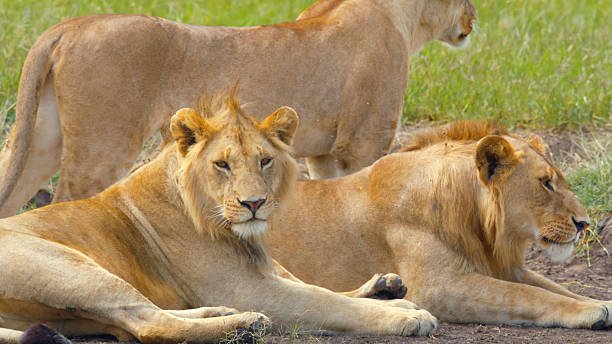
A 1-day Lake Manyara safari from Moshi offers an incredible opportunity to witness diverse wildlife, including iconic tree-climbing lions, in a single, action-packed day. This guided tour…
Book 1 Day Tarangire Safari From Moshi: Your Ultimate Wildlife Adventure
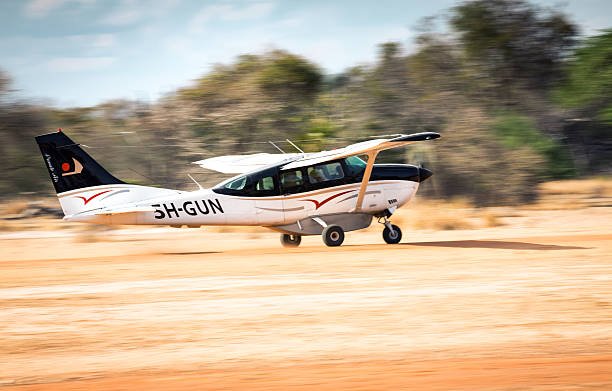
Discover the magic of a 1-day Tarangire Safari departing from Moshi. This guide covers everything you need to know for an unforgettable wildlife adventure in Tarangire National Park, from…
Best 4 Days Safari Tanzania From Zanzibar In 2026-2027
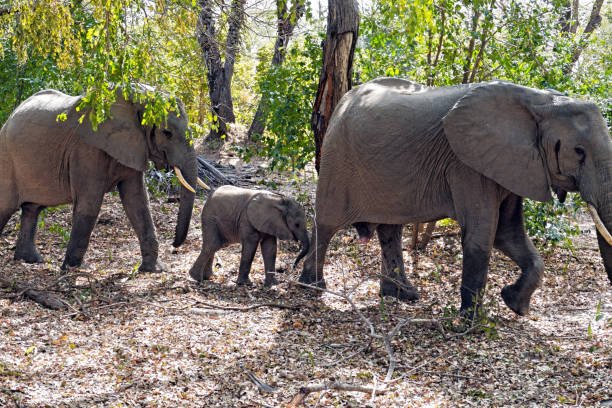
Discover the ultimate 4-day safari experience from Zanzibar. This guide covers the best itineraries, wildlife viewing opportunities in Tarangire, Lake Manyara, and Ngorongoro Crater for…
Best 3-Day Safari Tanzania From Zanzibar: Private Itinerary + Price 2026
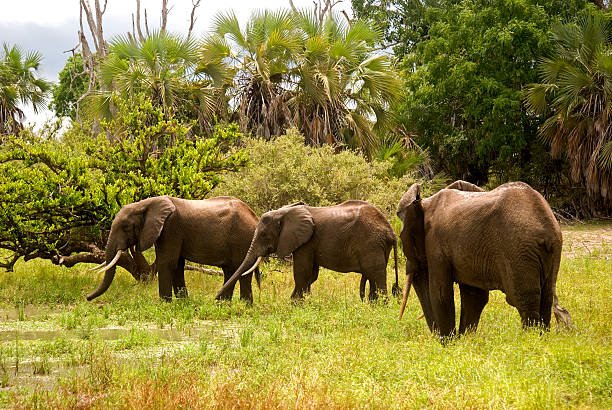
Experience the thrill of a 3-day Tanzania safari departing from Zanzibar. This guide covers the best park options, itinerary ideas, and essential planning tips for 2026-2027, ensuring an…
2-Day Safari Tanzania From Zanzibar: Best Fly in Mainland 2026-2027
Discover the thrill of a 2-day safari in mainland Tanzania, starting from the idyllic island of Zanzibar. This short yet impactful adventure allows you to witness the incredible wildlife of…
No related package matches those filters. Clear one or more filters to see the other topic-matched options.



