
.orscg-article{–orscg-text:#152033;–orscg-muted:#5c6878;–orscg-line:#e4e8ee;–orscg-accent:#0b6b4f;–orscg-accent2:#c75b12;–orscg-soft:#f6faf7;–orscg-warm:#fff7ef;max-width:1120px;margin:0 auto;color:var(–orscg-text);font-family:inherit;line-height:1.76}.orscg-article *{box-sizing:border-box}.orscg-article-intro{padding:30px 26px;margin:0 0 32px;border:1px solid var(–orscg-line);border-radius:22px;background:linear-gradient(135deg,#fff 0%,var(–orscg-soft) 65%,var(–orscg-warm) 100%)}.orscg-updated{display:inline-block;margin:0 0 14px;padding:6px 12px;border:1px solid rgba(11,107,79,.18);border-radius:999px;background:#fff;color:var(–orscg-accent);font-size:13px;font-weight:800}.orscg-article-intro h2{font-family:’Trebuchet MS’,Arial,sans-serif;margin:0 0 14px;font-size:clamp(30px,4vw,52px);line-height:1.08;color:var(–orscg-text);letter-spacing:-.03em}.orscg-lead{max-width:900px;margin:0 0 18px;font-size:clamp(17px,2vw,21px);color:var(–orscg-muted)}.orscg-contact-mini{font-weight:800;margin:0}.orscg-contact-mini a,.orscg-content a{color:var(–orscg-accent);text-decoration:none}.orscg-contact-mini a:hover,.orscg-content a:hover{text-decoration:underline}.orscg-hero-price{margin:18px 0 0;padding:14px 16px;border:1px solid rgba(199,91,18,.28);border-radius:14px;background:#fff;color:#733809;font-weight:650}.orscg-content{font-size:17px}.orscg-content h2{font-family:’Trebuchet MS’,Arial,sans-serif;margin:44px 0 15px;font-size:clamp(25px,3vw,38px);line-height:1.17;color:var(–orscg-text);letter-spacing:-.02em}.orscg-content h2:first-child{margin-top:0}.orscg-content h3{margin:28px 0 12px;font-size:clamp(20px,2.1vw,27px);line-height:1.25;color:var(–orscg-text)}.orscg-content p{margin:0 0 18px}.orscg-content ul,.orscg-content ol{margin:0 0 24px;padding-left:24px}.orscg-content li{margin:8px 0}.orscg-content table,.orscg-table{width:100%;border-collapse:separate;border-spacing:0;margin:25px 0;font-size:16px;border:1px solid var(–orscg-line);border-radius:0;overflow:hidden;background:#fff;box-shadow:0 10px 24px rgba(15,23,42,.05)}.orscg-content th,.orscg-content td{border:0;border-bottom:1px solid var(–orscg-line);padding:13px 14px;text-align:left;vertical-align:top}.orscg-content tr:last-child td{border-bottom:0}.orscg-content th{background:var(–orscg-soft);font-weight:850;color:#10251d}.orscg-price-box{margin:30px 0;padding:24px;border:0;border-top:3px solid var(–orscg-accent2);border-bottom:1px solid rgba(199,91,18,.28);border-radius:0;background:linear-gradient(135deg,#fff,var(–orscg-warm));box-shadow:0 12px 26px rgba(15,23,42,.06)}.orscg-price-box h2{margin-top:0}.orscg-price-table th{background:#fff1e3}.orscg-price-table td:first-child{font-weight:800;color:#733809}.orscg-anchor-target{display:block;position:relative;top:-115px;visibility:hidden;height:0;overflow:hidden}.orscg-content h2[data-orscg-anchor]{scroll-margin-top:120px}.orscg-toc,.orscg-company-links{margin:24px 0;padding:22px 24px;border:1px solid var(–orscg-line);border-radius:18px;background:#fff;box-shadow:0 10px 28px rgba(15,23,42,.04)}.orscg-toc h2,.orscg-company-links h2{margin-top:0}.orscg-toc ol{columns:2;column-gap:34px}.orscg-toc li{break-inside:avoid}.orscg-toc a{cursor:pointer;font-weight:700}.orscg-note,.orscg-checklist,.orscg-itinerary,.orscg-faq,.orscg-map,.orscg-pro-block{margin:28px 0;padding:22px 24px;border:0;border-top:1px solid var(–orscg-line);border-bottom:1px solid var(–orscg-line);border-left:5px solid var(–orscg-accent);border-radius:0;background:var(–orscg-soft)}.orscg-itinerary{border-left-color:var(–orscg-accent2);background:#fffaf5}.orscg-pro-block{background:linear-gradient(135deg,#fff,var(–orscg-soft));box-shadow:0 10px 28px rgba(15,23,42,.04)}.orscg-top-images{display:grid;grid-template-columns:repeat(auto-fit,minmax(220px,1fr));gap:16px;margin:0 0 30px}.orscg-featured-image{margin:0;aspect-ratio:16/10;overflow:hidden;border-radius:18px;background:#eef2f0}.orscg-featured-image img{display:block;width:100%;height:100%;object-fit:cover;object-position:center;border-radius:18px;box-shadow:0 12px 30px rgba(15,23,42,.10)}.orscg-simple-cta{margin:46px 0 0;padding:28px;border:0;border-top:3px solid var(–orscg-accent);border-bottom:1px solid rgba(11,107,79,.20);border-radius:0;background:linear-gradient(135deg,var(–orscg-soft),#fff);box-shadow:0 14px 30px rgba(15,23,42,.07)}.orscg-direct-answer{margin:0 0 30px;padding:22px 24px;border:0;border-top:1px solid rgba(11,107,79,.25);border-bottom:1px solid rgba(11,107,79,.25);border-left:6px solid var(–orscg-accent);border-radius:0;background:linear-gradient(135deg,#fff,var(–orscg-soft));box-shadow:0 12px 26px rgba(15,23,42,.06);font-size:18px}.orscg-direct-answer p:last-child{margin-bottom:0}.orscg-simple-cta h2{font-family:’Trebuchet MS’,Arial,sans-serif;margin:0 0 12px;font-size:clamp(24px,3vw,34px);line-height:1.2}.orscg-simple-cta p{margin:0 0 16px}.orscg-related-packages{position:relative;margin:48px 0 0;padding:30px 0 8px;border:0;border-top:3px solid var(–orscg-accent);border-bottom:1px solid var(–orscg-line);border-radius:0;background:linear-gradient(180deg,#fff 0%,#f7faf8 100%);box-shadow:none}.orscg-related-packages h2{margin:0 0 8px}.orscg-related-packages p{margin:0;color:var(–orscg-muted)}.orscg-related-heading{display:flex;align-items:flex-end;justify-content:space-between;gap:18px;margin-bottom:22px}.orscg-package-explorer{display:grid;grid-template-columns:minmax(220px,270px) minmax(0,1fr);gap:24px;align-items:start}.orscg-package-filters{position:sticky;top:92px;border:1px solid var(–orscg-line);border-top:4px solid var(–orscg-accent);border-radius:0;background:#fff;box-shadow:0 12px 28px rgba(15,23,42,.07)}.orscg-filter-mobile-toggle{display:none;width:100%;padding:14px 16px;border:0;border-bottom:1px solid var(–orscg-line);border-radius:0;background:#fff;color:var(–orscg-text);font:inherit;font-weight:850;text-align:left;cursor:pointer}.orscg-filter-panel-head{display:flex;align-items:center;justify-content:space-between;gap:12px;padding:16px 17px;border-bottom:1px solid var(–orscg-line)}.orscg-filter-panel-head strong{font-size:18px}.orscg-filter-panel-head button,.orscg-package-results-head button{padding:0;border:0;background:transparent;color:var(–orscg-accent);font:inherit;font-size:13px;font-weight:800;cursor:pointer}.orscg-filter-group{margin:0;padding:16px 17px;border:0;border-bottom:1px solid var(–orscg-line)}.orscg-filter-group:last-child{border-bottom:0}.orscg-filter-group legend{display:block;width:100%;margin:0 0 10px;padding:0;color:var(–orscg-text);font-size:15px;font-weight:900}.orscg-filter-group label{display:grid;grid-template-columns:18px minmax(0,1fr) auto;align-items:center;gap:9px;margin:9px 0;color:var(–orscg-text);font-size:14px;line-height:1.35;cursor:pointer}.orscg-filter-group input{width:16px;height:16px;margin:0;accent-color:var(–orscg-accent)}.orscg-filter-group b{min-width:24px;color:var(–orscg-muted);font-size:12px;font-weight:700;text-align:right}.orscg-package-results{min-width:0}.orscg-package-results-head{display:flex;align-items:center;justify-content:space-between;gap:14px;margin:0 0 12px;padding:12px 0;border-top:1px solid var(–orscg-line);border-bottom:1px solid var(–orscg-line)}.orscg-package-results-head strong{font-size:15px}.orscg-package-list{display:grid;gap:16px}.orscg-package-card{display:grid;grid-template-columns:minmax(190px,245px) minmax(0,1fr);min-width:0;overflow:hidden;border:1px solid var(–orscg-line);border-left:4px solid var(–orscg-accent);border-radius:0;background:#fff;color:var(–orscg-text);box-shadow:0 12px 26px rgba(15,23,42,.07);transition:transform .18s ease,box-shadow .18s ease}.orscg-package-card[hidden]{display:none!important}.orscg-package-card:hover{transform:translateY(-2px);box-shadow:0 17px 32px rgba(15,23,42,.11)}.orscg-package-card-image{display:block;min-height:185px;overflow:hidden;background:#eaf0ec;text-decoration:none!important}.orscg-package-card-image img{display:block;width:100%;height:100%;min-height:185px;object-fit:cover;object-position:center}.orscg-package-image-placeholder{display:block;width:100%;height:100%;min-height:185px;background:linear-gradient(135deg,#e8f1ec,#fff3e7)}.orscg-package-card-body{display:flex;min-width:0;flex-direction:column;padding:18px 20px}.orscg-package-meta{display:flex;flex-wrap:wrap;gap:7px;margin:0 0 10px}.orscg-package-meta span{display:inline-flex;padding:4px 8px;border:1px solid rgba(11,107,79,.18);border-radius:0;background:var(–orscg-soft);color:#21463b;font-size:12px;font-weight:800;line-height:1.2}.orscg-package-card h3{margin:0 0 8px!important;font-size:clamp(19px,2vw,25px)!important;line-height:1.25}.orscg-package-card h3 a{color:var(–orscg-text)!important;text-decoration:none!important}.orscg-package-card h3 a:hover{color:var(–orscg-accent)!important}.orscg-package-card .orscg-package-summary{margin:0 0 14px;color:var(–orscg-muted);font-size:14px;line-height:1.58}.orscg-package-view{display:inline-flex;align-items:center;gap:7px;margin-top:auto;color:var(–orscg-accent)!important;text-decoration:none!important;font-size:14px;font-weight:900}.orscg-package-view:hover{text-decoration:underline!important}.orscg-package-empty{padding:24px;border:1px dashed var(–orscg-line);background:#fff;text-align:center}.orscg-filter-panel.is-open{display:block}.orscg-cta-links{display:flex;flex-wrap:wrap;gap:12px}.orscg-btn{display:inline-flex;align-items:center;justify-content:center;padding:12px 19px;border-radius:0;background:var(–orscg-accent);color:#fff!important;text-decoration:none!important;font-weight:850;box-shadow:4px 4px 0 rgba(11,107,79,.18)}.orscg-btn-light{background:#fff;color:var(–orscg-accent)!important;border:1px solid var(–orscg-accent);box-shadow:none}@media(max-width:980px){.orscg-package-explorer{grid-template-columns:220px minmax(0,1fr)}.orscg-package-card{grid-template-columns:190px minmax(0,1fr)}}@media(max-width:760px){.orscg-article-intro{padding:24px 18px}.orscg-toc ol{columns:1}.orscg-content{font-size:16px}.orscg-content table,.orscg-table{display:block;overflow-x:auto}.orscg-simple-cta,.orscg-price-box,.orscg-related-packages{padding:20px}.orscg-cta-links{display:block}.orscg-btn{margin:0 8px 8px 0}.orscg-top-images{grid-template-columns:1fr}.orscg-related-heading{align-items:flex-start}.orscg-package-explorer{grid-template-columns:1fr}.orscg-package-filters{position:static}.orscg-filter-mobile-toggle{display:block}.orscg-filter-panel{display:none}.orscg-filter-panel.is-open{display:block}.orscg-package-card{grid-template-columns:1fr}.orscg-package-card-image,.orscg-package-card-image img,.orscg-package-image-placeholder{min-height:210px}.orscg-package-results-head{align-items:flex-start}}
/* v3.17.24 related package explorer: stronger existing-page topic matching, three-column desktop grid and old-page live refresh */
.orscg-related-packages{padding:34px 0 12px;overflow:visible}.orscg-related-heading{align-items:flex-start;margin-bottom:26px}.orscg-related-heading>div{max-width:880px}.orscg-related-heading h2{font-size:clamp(27px,3vw,40px);line-height:1.14}.orscg-related-heading p{max-width:830px;line-height:1.65}.orscg-package-explorer{grid-template-columns:minmax(238px,270px) minmax(0,1fr);gap:28px}.orscg-package-filters{top:84px;max-height:calc(100vh – 104px);overflow:auto;scrollbar-width:thin}.orscg-filter-mobile-toggle{align-items:center;justify-content:space-between;gap:16px}.orscg-filter-mobile-toggle small{color:var(–orscg-muted);font-size:12px;font-weight:750}.orscg-filter-panel-head{align-items:flex-start;padding:18px}.orscg-filter-panel-head>div{display:grid;gap:3px}.orscg-filter-panel-head span{color:var(–orscg-muted);font-size:12px}.orscg-filter-group{padding:0}.orscg-filter-group legend{margin:0}.orscg-filter-group-toggle{display:flex;width:100%;align-items:center;justify-content:space-between;gap:14px;padding:14px 17px;border:0;background:#fff;color:var(–orscg-text);font:inherit;font-size:15px;font-weight:900;text-align:left;cursor:pointer}.orscg-filter-group-toggle i{position:relative;width:14px;height:14px;flex:0 0 14px}.orscg-filter-group-toggle i:before,.orscg-filter-group-toggle i:after{content:””;position:absolute;left:1px;top:6px;width:12px;height:2px;background:var(–orscg-accent);transition:transform .18s ease}.orscg-filter-group-toggle i:after{transform:rotate(90deg)}.orscg-filter-group.is-expanded .orscg-filter-group-toggle i:after{transform:rotate(0)}.orscg-filter-options{padding:0 17px 14px}.orscg-filter-group:not(.is-expanded) .orscg-filter-options{display:none}.orscg-filter-group label{margin:5px -7px;padding:8px 7px;transition:background .16s ease}.orscg-filter-group label:hover{background:var(–orscg-soft)}.orscg-filter-group label:has(input:checked){background:#eef8f3;color:#123b2f;font-weight:800}.orscg-package-results-head{align-items:flex-start;margin-bottom:18px;padding:14px 0}.orscg-package-results-head>div{min-width:0}.orscg-package-results-head>button{flex:0 0 auto;margin-top:2px}.orscg-active-filters{display:flex;flex-wrap:wrap;gap:6px;margin-top:8px}.orscg-active-filters:empty{display:none}.orscg-active-filter-chip{display:inline-flex;align-items:center;padding:4px 8px;border:1px solid rgba(11,107,79,.18);background:var(–orscg-soft);color:#21463b;font-size:12px;font-weight:750}.orscg-package-list{grid-template-columns:repeat(3,minmax(0,1fr));gap:20px;align-items:stretch}.orscg-package-card{position:relative;display:grid;grid-template-columns:1fr;grid-template-rows:auto 1fr;height:100%;border-left:1px solid var(–orscg-line);border-top:4px solid var(–orscg-accent);cursor:pointer;outline:none}.orscg-package-card:focus-visible{box-shadow:0 0 0 3px rgba(11,107,79,.2),0 17px 32px rgba(15,23,42,.11)}.orscg-package-card-image{min-height:0;aspect-ratio:16/9}.orscg-package-card-image img,.orscg-package-image-placeholder{width:100%;height:100%;min-height:0;aspect-ratio:16/9}.orscg-package-card-body{height:100%;padding:18px 19px 19px}.orscg-package-card h3{font-size:clamp(18px,1.7vw,23px)!important}.orscg-package-summary{display:-webkit-box;overflow:hidden;-webkit-box-orient:vertical;-webkit-line-clamp:3}.orscg-package-view{padding-top:4px}.orscg-package-card.is-filtered-in{animation:orscgPackageReveal .22s ease both}@keyframes orscgPackageReveal{from{opacity:.35;transform:translateY(5px)}to{opacity:1;transform:none}}@media(max-width:1050px){.orscg-package-explorer{grid-template-columns:220px minmax(0,1fr);gap:20px}.orscg-package-list{grid-template-columns:repeat(2,minmax(0,1fr))}}@media(max-width:760px){.orscg-related-packages{padding:24px 0 8px}.orscg-package-explorer{grid-template-columns:1fr}.orscg-package-filters{max-height:none;overflow:visible}.orscg-filter-mobile-toggle{display:flex}.orscg-package-list{grid-template-columns:1fr;gap:16px}.orscg-package-card-image{aspect-ratio:16/10}.orscg-package-card-image img,.orscg-package-image-placeholder{aspect-ratio:16/10}.orscg-package-results-head{gap:10px}.orscg-package-results-head>button{white-space:nowrap}}@media(max-width:430px){.orscg-package-results-head{display:grid;grid-template-columns:1fr}.orscg-package-results-head>button{justify-self:start}.orscg-filter-mobile-toggle{padding:14px}.orscg-package-card-body{padding:16px}}
Traveling from Zambia to Malawi is most commonly achieved via overland routes, typically involving a bus or private vehicle, with the main border crossing at Mchinji (Malawi) and Mwami (Zambia). While direct flights are rare and often impractical, overland journeys offer a more accessible and adventurous way to connect these two landlocked nations, especially when planning for 2026 and 2027. The route from Lusaka, Zambia’s capital, to Lilongwe, Malawi’s capital, is the most popular and well-trodden path, taking approximately 8-12 hours depending on border processing and road conditions.
Understanding the Zambia to Malawi Journey
The connection between Zambia and Malawi is a popular one for travelers looking to explore more of Southern Africa. Both countries offer unique cultural experiences, stunning natural landscapes, and opportunities for adventure. While they share a border and a similar regional identity, the practicalities of moving between them require careful planning. This guide aims to provide a comprehensive overview of how to travel from Zambia to Malawi, covering all viable options, necessary preparations, and what to expect along the way. We will explore the primary overland routes, discuss potential flight connections, detail border crossing procedures, outline estimated costs for 2026-2027, and offer practical tips for a safe and enjoyable trip.
For many, the journey is part of the adventure, offering glimpses into local life and the diverse scenery of Zambia and Malawi. Whether you are a budget backpacker, a mid-range explorer, or seeking a more comfortable private transfer, understanding your options is key to a successful trip. This article is designed to be your ultimate resource, ensuring you are well-prepared for your cross-border adventure.
Primary Overland Routes: The Backbone of Zambia-Malawi Travel
The vast majority of travelers moving between Zambia and Malawi opt for overland travel. This is primarily due to cost-effectiveness, the availability of public transport, and the direct way it allows you to experience the landscapes. The most common and recommended route connects Lusaka, the capital of Zambia, with Lilongwe, the capital of Malawi. However, other entry and exit points exist, particularly for those coming from or heading to the Copperbelt region of Zambia or the northern parts of Malawi.
The Lusaka to Lilongwe Corridor
This is the most direct and frequently used route. Travelers typically start in Lusaka, Zambia’s bustling capital city, and aim for Lilongwe, Malawi’s administrative capital. The distance is roughly 500-600 kilometers, and the journey can take anywhere from 8 to 12 hours, sometimes longer, depending on traffic, road conditions, and the efficiency of the border crossing.
Mode of Transport: Buses and Private Vehicles
- Public Buses: Several bus companies operate services between Lusaka and Lilongwe. These are the most budget-friendly option. Companies like Intercity Bus Services and smaller local operators run regular services. Buses depart from the main bus stations in Lusaka. The journey can be long and may involve multiple stops. Comfort levels vary significantly, so choosing a reputable company is advisable. Expect a shared experience with local passengers, which can be a great cultural immersion.
- Shared Taxis/Minibuses: These are faster than buses but more expensive. They are often found near bus stations. You’ll typically wait until the vehicle is full before departing. This option offers a bit more flexibility and can be a good compromise between cost and speed.
- Private Taxis/Car Hire: For maximum comfort, privacy, and flexibility, hiring a private taxi or arranging a private car transfer is the best option. This is the most expensive choice but allows you to set your own pace, stop for photos, and avoid the crowds. Many tour operators in Lusaka can arrange this.
The Border Crossing: Mwami/Mchinji
The primary border post for this route is Mwami (Zambia) and Mchinji (Malawi). The process involves clearing immigration and customs on both sides. It can be time-consuming, especially during peak hours or holidays. Having all your documents in order is crucial to expedite the process.
Alternative Overland Routes
While Lusaka-Lilongwe is the most common, other routes are possible, especially if your starting point is in northern Zambia or if you are entering Malawi from a different region.
- From Zambia’s Copperbelt (e.g., Kitwe, Ndola) to Northern Malawi: This route is less direct for reaching Lilongwe but might be relevant if your destination is in northern Malawi, such as the Nyika Plateau or towns near the border. It often involves traveling towards the northern border of Zambia and crossing into Malawi there, or taking a more circuitous route through central Malawi. This is generally a more complex and less frequently traveled route for international tourists.
- From Chipata (Eastern Zambia) to Lilongwe: Chipata is a major town in Zambia’s Eastern Province, close to the Malawian border. Many travelers heading to Malawi from eastern Zambia or even from Lusaka might choose to travel to Chipata first and then cross into Malawi at the Mchinji border post. This can sometimes be more efficient than going all the way to Lusaka if your ultimate destination is eastern Malawi.
Considering Flights: The Fastest but Least Direct Option
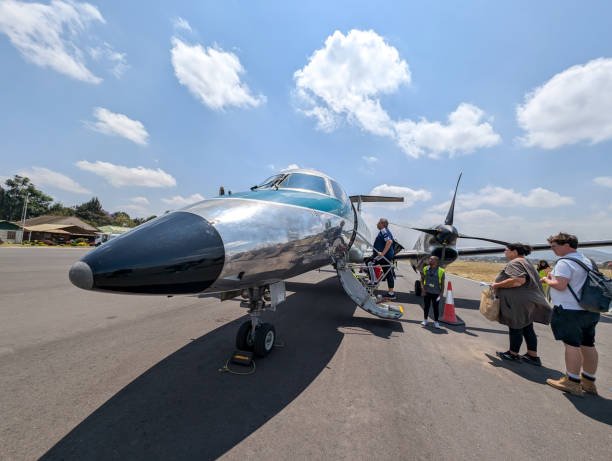
Direct commercial flights between Zambia and Malawi are currently very limited, if they exist at all for regular passenger travel. The most common scenario involves flying from Lusaka (LUN) to Lilongwe (LLW) via a connecting city, usually in another country. This makes it a significantly more expensive and time-consuming option than overland travel when factoring in transit times and airport procedures.
Typical Flight Itinerary
If you opt for flying, expect a route like:
- Lusaka (LUN) to Johannesburg (JNB) or Nairobi (NBO).
- Johannesburg (JNB) or Nairobi (NBO) to Lilongwe (LLW).
Airlines that might operate these routes include Ethiopian Airlines, Kenya Airways, or South African Airways, depending on current schedules and partnerships. It is essential to check flight aggregators and airline websites for the most up-to-date information for 2026-2027, as routes and schedules can change frequently.
Pros and Cons of Flying
- Pros: Speed (in the air), comfort (depending on airline and class), potentially bypassing border delays if you can arrange airport transfers on both ends.
- Cons: High cost, indirect routes mean long travel times, need for airport transfers at both ends (adding cost and time), potential for missed connections, and less opportunity for scenic exploration.
For most travelers, especially those on a budget or seeking a more in-depth experience, overland travel remains the preferred method for traveling between Zambia and Malawi.
Border Crossing Procedures: Mwami/Mchinji
Successfully crossing the border between Zambia and Malawi at Mwami/Mchinji requires understanding the steps involved for both Zambian exit and Malawian entry. This is a critical part of your overland journey and can be a source of stress if not prepared.
Visa Requirements
Visa requirements can change, so it is imperative to check the latest regulations for your nationality well in advance of your 2026-2027 travel dates.
- Zambian Visa: Depending on your nationality, you may need a visa for Zambia. Many nationalities can obtain a visa on arrival, but it’s always best to verify. Check the official immigration website of Zambia.
- Malawian Visa: Similarly, check the visa requirements for Malawi. Many nationalities are eligible for a visa on arrival or are visa-exempt. For up-to-date information, consult the Malawian Department of Immigration.
- KAZA Visa: If you are also visiting Zimbabwe and Botswana as part of a larger Southern Africa trip, consider the Kavango-Zambezi (KAZA) Uni-Visa. This visa allows multiple entries into Zambia and Zimbabwe and is valid for 30 days. It is issued at ports of entry in Zambia and Zimbabwe. However, it is generally for short stays and might not cover a direct transit from Zambia to Malawi if you do not re-enter Zambia. Always clarify its applicability for your specific itinerary.
Immigration and Customs
At the Mwami/Mchinji border post, you will typically go through the following steps:
- Zambian Exit Immigration: Present your passport and any required exit forms to the Zambian immigration officials. They will stamp your passport indicating your departure from Zambia.
- Malawian Entry Immigration: Proceed to the Malawian immigration office. Present your passport, and if required, your visa. You may need to fill out an entry form. The officials will stamp your passport with your entry into Malawi.
- Customs (Vehicle and Goods): If you are traveling in a private vehicle, you will need to clear customs for your vehicle, which involves presenting registration documents and potentially paying temporary import duties or taxes. For personal belongings, declare any items that exceed the duty-free allowance. Bus passengers usually have their luggage scanned, but individual customs declarations for personal effects are less common unless you are carrying high-value items.
- Health Checks: Be prepared for potential health checks, especially regarding yellow fever vaccination certificates. Ensure your vaccinations are up-to-date.
Tips for a Smooth Border Crossing
- Have all Documents Ready: Passports, visas (if applicable), driver’s license, vehicle registration, proof of onward travel, and sufficient cash for fees.
- Be Patient: Border crossings can be slow. Queues can form, and processing times vary. Stay calm and polite.
- Be Wary of Scams: Unofficial touts may try to offer assistance for a fee. Stick to official channels for all payments and processes.
- Know the Fees: Be aware of any official fees for visas, vehicle permits, or other documentation. Only pay at designated windows.
- Travel During Daylight: It is strongly recommended to cross borders during daylight hours for safety and efficiency. Avoid arriving late in the afternoon or at night.
Estimating Costs for Travel (2026-2027)
The cost of traveling from Zambia to Malawi can vary significantly based on your chosen mode of transport, accommodation choices, and travel style. Here’s a breakdown to help you budget for your trip in 2026-2027.
Budget Traveler Estimates
- Bus: Expect to pay approximately $20 – $40 USD per person for a one-way bus ticket from Lusaka to Lilongwe. This is the most economical option.
- Shared Taxis/Minibuses: These might cost between $30 – $60 USD per person, depending on the number of passengers and negotiation.
- Accommodation: Budget guesthouses or hostels in Lusaka and Lilongwe can range from $15 – $30 USD per night.
- Food: Eating local street food or at local eateries can cost $10 – $20 USD per day.
Total Estimated Budget (per person, one-way): $45 – $90 USD (excluding potential visa fees and incidentals).
Mid-Range Traveler Estimates
- Private Car Transfer (Shared): If you can find others to share, a private transfer might cost $100 – $200 USD per vehicle one-way, making it $25 – $60 USD per person if shared among 3-4 people.
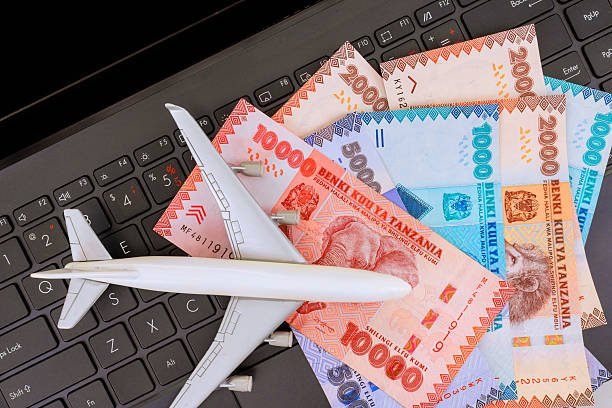
- Flight: As discussed, flights are significantly more expensive. A one-way ticket with layovers could range from $400 – $800+ USD, depending on the booking time and airline.
- Accommodation: Mid-range hotels or lodges in cities can cost $50 – $100 USD per night.
- Food: Dining at mid-range restaurants would be around $30 – $50 USD per day.
Total Estimated Mid-Range (per person, one-way): $100 – $210 USD (excluding flights, which would drastically increase this).
Luxury/Comfort Traveler Estimates
- Private Car Transfer: Hiring a private car and driver for the entire journey, including stops and potential overnight stays, could range from $300 – $600+ USD for the vehicle one-way.
- Flights: Business class or premium economy flights, if available, would be considerably higher.
- Accommodation: High-end hotels or luxury lodges can cost $150 – $300+ USD per night.
- Food: Fine dining can cost $70 – $100+ USD per day.
Total Estimated Luxury (per person, one-way): $250 – $500+ USD (excluding private vehicle hire costs if traveling solo).
Important Note: These are estimates for 2026-2027 and are subject to change due to inflation, fuel prices, and currency fluctuations. It is always wise to add a buffer of 15-20% for unexpected expenses.
Practical Tips for a Smooth Journey
Traveling between Zambia and Malawi, especially overland, requires preparation and a flexible mindset. Here are some essential tips to ensure your journey is as smooth and enjoyable as possible.
Before You Go
- Visas: Reconfirm visa requirements for your nationality for both Zambia and Malawi.
- Vaccinations: Ensure you have necessary vaccinations, particularly Yellow Fever, and carry your certificate. Consult your doctor or a travel clinic for advice on malaria prophylaxis and other recommended vaccinations.
- Travel Insurance: Comprehensive travel insurance is essential. Ensure it covers medical emergencies, trip cancellations, and lost belongings.
- Currency: The Zambian Kwacha (ZMW) and Malawian Kwacha (MWK) are the local currencies. It’s advisable to have some USD or EUR in cash for border transactions or emergencies, as these are widely accepted. ATMs are available in major cities but can be unreliable in smaller towns. Inform your bank about your travel plans.
- Communication: Purchase local SIM cards upon arrival in each country for cheaper local calls and data. Major providers in Zambia include MTN and Airtel. In Malawi, Airtel and TNM are common.
- Packing Essentials: Pack light, breathable clothing, comfortable walking shoes, a hat, sunscreen, insect repellent, a basic first-aid kit, hand sanitizer, and a portable power bank. A headlamp can be useful for early mornings or late arrivals.
During the Journey
- Stay Hydrated and Fed: Carry plenty of water. Bus journeys can be long, and snack availability might be limited between stops. Pack some non-perishable snacks.
- Keep Valuables Secure: Be mindful of your belongings, especially on public transport. Use a money belt or a secure bag.
- Learn Basic Phrases: While English is an official language in both countries, knowing a few phrases in local languages like Nyanja/Chewa can be helpful and appreciated.
- Be Flexible: Overland travel in Africa often involves delays or unexpected changes. Maintain a positive attitude and be prepared to adapt your plans.
- Respect Local Customs: Dress modestly when appropriate, especially when visiting villages or religious sites. Ask permission before taking photos of people.
- Stay Informed: Keep your mobile phone charged and stay in touch with your contacts. Share your itinerary and expected arrival times.
When is the Best Time to Travel?
The best time to travel between Zambia and Malawi largely depends on the weather patterns in the region. Both countries experience distinct wet and dry seasons.
- Dry Season (May to October): This is generally considered the best time for overland travel. The weather is cooler and drier, roads are in better condition, and wildlife viewing (if applicable to your broader trip) is often easier as animals congregate around water sources. This period is also peak tourist season, so expect higher prices and more crowds.
- Shoulder Seasons (April, November): These months can offer a good balance, with fewer crowds and potentially lower prices. However, you might encounter some lingering rains in April or early rains in November.
- Wet Season (December to March/April): This is the low season. Heavy rainfall can occur, making some roads impassable, especially in rural areas. Travel can be slower and more challenging. However, the landscapes are lush and green, and prices are typically lower. Birdwatching is excellent during this time.
For the journey itself, aiming for the dry season (May-October) will likely ensure a smoother and more predictable overland experience for your 2026-2027 travels.
Safety Considerations for Cross-Border Travel
Safety is paramount when undertaking any international journey, and traveling between Zambia and Malawi is no exception. While both countries are generally safe for tourists, it’s wise to be aware of potential risks and take precautions.
Road Safety
Overland travel, particularly by bus or shared taxi, involves navigating African roads. These can be unpredictable, with varying road conditions, speed limits often ignored, and animals sometimes present on the road. Driving at night is generally discouraged due to poor lighting and increased risk of accidents. If traveling in a private vehicle, ensure it is in good condition, preferably a 4×4 if venturing off main routes. Always wear your seatbelt.
Personal Security
In urban areas like Lusaka and Lilongwe, petty crime such as pickpocketing can occur, especially in crowded markets or bus stations. Be aware of your surroundings, keep valuables secure, and avoid displaying expensive items. When traveling by bus, keep your luggage with you and never leave it unattended.
Health Risks
Malaria is prevalent in both Zambia and Malawi, particularly in lower-lying areas. Take precautions such as using insect repellent, wearing long sleeves and trousers in the evenings, and using mosquito nets. Chemoprophylaxis (antimalarial medication) is strongly recommended. Always drink bottled or purified water to avoid waterborne diseases.
Border Crossing Safety
As mentioned, be cautious of touts and unofficial agents at border crossings. Stick to official buildings and personnel. If you feel uncomfortable or threatened, seek assistance from uniformed officials. It’s always best to cross borders during daylight hours.
Emergency Contacts: Save the contact numbers for your country’s embassy in both Zambia and Malawi, as well as local emergency services. For urgent assistance with your travel arrangements in Tanzania, you can reach Top Guide Adventures via WhatsApp at +255616946642 or email at topguideadventures@gmail.com or info@topguideadventurestanzania.com.
Why Choose Top Guide Adventures for Your African Journey?
While Top Guide Adventures specializes in Tanzania, our expertise in East and Southern African travel means we understand the complexities of cross-border journeys. If you are planning a larger itinerary that includes Zambia and Malawi alongside Tanzania, or if you are seeking advice on navigating these regions, our team can offer valuable insights and support. We are dedicated to providing personal attention, care, and dedicated support for every client, ensuring your travel experiences are memorable and hassle-free. Whether you’re organizing Tanzania safaris, Kilimanjaro climbs, or tailor-made journeys, we bring the same commitment to quality and client satisfaction to all our travel-related advice.
For inquiries about comprehensive travel planning in the region, including how your journey from Zambia to Malawi might fit into a broader African adventure, feel free to reach out. We can help coordinate complex itineraries, offer advice on the best routes, and ensure you have a smooth experience. Contact us via WhatsApp at +255616946642, email at topguideadventures@gmail.com, or our backup email info@topguideadventurestanzania.com.
Planning Your Extended Southern Africa Itinerary (2026-2027)
For travelers considering a multi-country trip in Southern Africa, integrating Zambia and Malawi into a larger itinerary can be a rewarding experience. Many visitors combine these countries with destinations like Tanzania, Botswana, or South Africa. Planning such a trip requires careful consideration of logistics, time, and budget.
Combining with Tanzania
If you are starting or ending your trip in Tanzania, you might consider traveling south from Zambia or Malawi. For instance, after exploring Malawi, you could travel north towards Tanzania, potentially via Mbeya. Alternatively, if you are in Tanzania, you could fly or travel overland south to Zambia and then onward to Malawi. This requires careful sequencing to minimize travel time and costs. For example, a typical route might involve a Tanzanian safari, followed by a flight to Lusaka, an overland journey to Malawi, and then potentially flying out from Lilongwe or returning to Lusaka for onward travel.
Integrating with Other Neighbors
- Botswana: For those interested in the Okavango Delta and Chobe National Park, a logical extension could be flying from Lusaka or Lilongwe to Kasane or Maun in Botswana. Overland travel from Zambia to Botswana is possible but lengthy and complex.
- Zimbabwe: Victoria Falls is a major draw and can be accessed from Zambia (Livingstone) or Zimbabwe (Victoria Falls town). If you are already in Zambia, crossing to Zimbabwe is straightforward. The KAZA visa can be particularly useful here.
- Mozambique: For beach lovers, the coast of Mozambique is accessible from Malawi, particularly from the southern regions. This would involve a border crossing and then overland travel within Mozambique.
Logistical Considerations for 2026-2027
When planning multi-country trips for 2026-2027, keep the following in mind:
- Travel Time: Factor in significant travel time between countries. Overland journeys, even between neighboring nations, can consume full days.
- Visa Requirements: Research and secure all necessary visas in advance. Visa processes can vary significantly by nationality and country.
- Booking in Advance: For peak seasons (especially during the dry months of 2026 and 2027), book flights, popular accommodations, and any specific tours well in advance.
- Flexibility: While detailed planning is essential, maintain a degree of flexibility. Unexpected delays or opportunities may arise.
Top Guide Adventures, with its extensive experience in organizing complex African tours, can assist in crafting such extended itineraries, ensuring a smooth transition between destinations. Contact us to discuss how your journey from Zambia to Malawi can be part of a larger, unforgettable African adventure.
Conclusion: Your Zambia to Malawi Journey Awaits
Traveling from Zambia to Malawi is an achievable and enriching experience, best undertaken via overland routes connecting Lusaka and Lilongwe. While flights are an option, they are generally less practical and far more expensive. Thorough preparation, including understanding visa requirements, currency, and packing essentials, is key to a smooth journey. By choosing the right mode of transport, being patient at the border, and staying aware of your surroundings, you can navigate the route comfortably and safely. Whether you are on a tight budget or seeking more comfort, there are options to suit every traveler. As you plan for 2026 and 2027, remember that the journey itself offers a valuable glimpse into the vibrant cultures and landscapes of Southern Africa.
For those looking to extend their African adventure beyond Zambia and Malawi, or seeking expert assistance with travel arrangements in Tanzania and surrounding regions, Top Guide Adventures is here to help. Our commitment to personalized service ensures your trip is meticulously planned and executed. Get in touch with us to discuss your travel aspirations:
WhatsApp: +255616946642
Email: topguideadventures@gmail.com
Backup Email: info@topguideadventurestanzania.com
We look forward to helping you create an unforgettable journey across Africa.
Check Availability for How To Travel From Zambia To Malawi: Your Complete Cross-Border Guide
Ready to compare dates, prices, and the best option for your group? Send the package name and travel month so the team can reply with a clear quote, availability, and what is included.



