
.orscg-article{–orscg-text:#152033;–orscg-muted:#5c6878;–orscg-line:#e4e8ee;–orscg-accent:#0b6b4f;–orscg-accent2:#c75b12;–orscg-soft:#f6faf7;–orscg-warm:#fff7ef;max-width:1120px;margin:0 auto;color:var(–orscg-text);font-family:inherit;line-height:1.76}.orscg-article *{box-sizing:border-box}.orscg-article-intro{padding:30px 26px;margin:0 0 32px;border:1px solid var(–orscg-line);border-radius:22px;background:linear-gradient(135deg,#fff 0%,var(–orscg-soft) 65%,var(–orscg-warm) 100%)}.orscg-updated{display:inline-block;margin:0 0 14px;padding:6px 12px;border:1px solid rgba(11,107,79,.18);border-radius:999px;background:#fff;color:var(–orscg-accent);font-size:13px;font-weight:800}.orscg-article-intro h2{font-family:’Trebuchet MS’,Arial,sans-serif;margin:0 0 14px;font-size:clamp(30px,4vw,52px);line-height:1.08;color:var(–orscg-text);letter-spacing:-.03em}.orscg-lead{max-width:900px;margin:0 0 18px;font-size:clamp(17px,2vw,21px);color:var(–orscg-muted)}.orscg-contact-mini{font-weight:800;margin:0}.orscg-contact-mini a,.orscg-content a{color:var(–orscg-accent);text-decoration:none}.orscg-contact-mini a:hover,.orscg-content a:hover{text-decoration:underline}.orscg-hero-price{margin:18px 0 0;padding:14px 16px;border:1px solid rgba(199,91,18,.28);border-radius:14px;background:#fff;color:#733809;font-weight:650}.orscg-content{font-size:17px}.orscg-content h2{font-family:’Trebuchet MS’,Arial,sans-serif;margin:44px 0 15px;font-size:clamp(25px,3vw,38px);line-height:1.17;color:var(–orscg-text);letter-spacing:-.02em}.orscg-content h2:first-child{margin-top:0}.orscg-content h3{margin:28px 0 12px;font-size:clamp(20px,2.1vw,27px);line-height:1.25;color:var(–orscg-text)}.orscg-content p{margin:0 0 18px}.orscg-content ul,.orscg-content ol{margin:0 0 24px;padding-left:24px}.orscg-content li{margin:8px 0}.orscg-content table,.orscg-table{width:100%;border-collapse:separate;border-spacing:0;margin:25px 0;font-size:16px;border:1px solid var(–orscg-line);border-radius:0;overflow:hidden;background:#fff;box-shadow:0 10px 24px rgba(15,23,42,.05)}.orscg-content th,.orscg-content td{border:0;border-bottom:1px solid var(–orscg-line);padding:13px 14px;text-align:left;vertical-align:top}.orscg-content tr:last-child td{border-bottom:0}.orscg-content th{background:var(–orscg-soft);font-weight:850;color:#10251d}.orscg-price-box{margin:30px 0;padding:24px;border:0;border-top:3px solid var(–orscg-accent2);border-bottom:1px solid rgba(199,91,18,.28);border-radius:0;background:linear-gradient(135deg,#fff,var(–orscg-warm));box-shadow:0 12px 26px rgba(15,23,42,.06)}.orscg-price-box h2{margin-top:0}.orscg-price-table th{background:#fff1e3}.orscg-price-table td:first-child{font-weight:800;color:#733809}.orscg-anchor-target{display:block;position:relative;top:-115px;visibility:hidden;height:0;overflow:hidden}.orscg-content h2[data-orscg-anchor]{scroll-margin-top:120px}.orscg-toc,.orscg-company-links{margin:24px 0;padding:22px 24px;border:1px solid var(–orscg-line);border-radius:18px;background:#fff;box-shadow:0 10px 28px rgba(15,23,42,.04)}.orscg-toc h2,.orscg-company-links h2{margin-top:0}.orscg-toc ol{columns:2;column-gap:34px}.orscg-toc li{break-inside:avoid}.orscg-toc a{cursor:pointer;font-weight:700}.orscg-note,.orscg-checklist,.orscg-itinerary,.orscg-faq,.orscg-map,.orscg-pro-block{margin:28px 0;padding:22px 24px;border:0;border-top:1px solid var(–orscg-line);border-bottom:1px solid var(–orscg-line);border-left:5px solid var(–orscg-accent);border-radius:0;background:var(–orscg-soft)}.orscg-itinerary{border-left-color:var(–orscg-accent2);background:#fffaf5}.orscg-pro-block{background:linear-gradient(135deg,#fff,var(–orscg-soft));box-shadow:0 10px 28px rgba(15,23,42,.04)}.orscg-top-images{display:grid;grid-template-columns:repeat(auto-fit,minmax(220px,1fr));gap:16px;margin:0 0 30px}.orscg-featured-image{margin:0;aspect-ratio:16/10;overflow:hidden;border-radius:18px;background:#eef2f0}.orscg-featured-image img{display:block;width:100%;height:100%;object-fit:cover;object-position:center;border-radius:18px;box-shadow:0 12px 30px rgba(15,23,42,.10)}.orscg-simple-cta{margin:46px 0 0;padding:28px;border:0;border-top:3px solid var(–orscg-accent);border-bottom:1px solid rgba(11,107,79,.20);border-radius:0;background:linear-gradient(135deg,var(–orscg-soft),#fff);box-shadow:0 14px 30px rgba(15,23,42,.07)}.orscg-direct-answer{margin:0 0 30px;padding:22px 24px;border:0;border-top:1px solid rgba(11,107,79,.25);border-bottom:1px solid rgba(11,107,79,.25);border-left:6px solid var(–orscg-accent);border-radius:0;background:linear-gradient(135deg,#fff,var(–orscg-soft));box-shadow:0 12px 26px rgba(15,23,42,.06);font-size:18px}.orscg-direct-answer p:last-child{margin-bottom:0}.orscg-simple-cta h2{font-family:’Trebuchet MS’,Arial,sans-serif;margin:0 0 12px;font-size:clamp(24px,3vw,34px);line-height:1.2}.orscg-simple-cta p{margin:0 0 16px}.orscg-related-packages{position:relative;margin:48px 0 0;padding:30px 0 8px;border:0;border-top:3px solid var(–orscg-accent);border-bottom:1px solid var(–orscg-line);border-radius:0;background:linear-gradient(180deg,#fff 0%,#f7faf8 100%);box-shadow:none}.orscg-related-packages h2{margin:0 0 8px}.orscg-related-packages p{margin:0;color:var(–orscg-muted)}.orscg-related-heading{display:flex;align-items:flex-end;justify-content:space-between;gap:18px;margin-bottom:22px}.orscg-package-explorer{display:grid;grid-template-columns:minmax(220px,270px) minmax(0,1fr);gap:24px;align-items:start}.orscg-package-filters{position:sticky;top:92px;border:1px solid var(–orscg-line);border-top:4px solid var(–orscg-accent);border-radius:0;background:#fff;box-shadow:0 12px 28px rgba(15,23,42,.07)}.orscg-filter-mobile-toggle{display:none;width:100%;padding:14px 16px;border:0;border-bottom:1px solid var(–orscg-line);border-radius:0;background:#fff;color:var(–orscg-text);font:inherit;font-weight:850;text-align:left;cursor:pointer}.orscg-filter-panel-head{display:flex;align-items:center;justify-content:space-between;gap:12px;padding:16px 17px;border-bottom:1px solid var(–orscg-line)}.orscg-filter-panel-head strong{font-size:18px}.orscg-filter-panel-head button,.orscg-package-results-head button{padding:0;border:0;background:transparent;color:var(–orscg-accent);font:inherit;font-size:13px;font-weight:800;cursor:pointer}.orscg-filter-group{margin:0;padding:16px 17px;border:0;border-bottom:1px solid var(–orscg-line)}.orscg-filter-group:last-child{border-bottom:0}.orscg-filter-group legend{display:block;width:100%;margin:0 0 10px;padding:0;color:var(–orscg-text);font-size:15px;font-weight:900}.orscg-filter-group label{display:grid;grid-template-columns:18px minmax(0,1fr) auto;align-items:center;gap:9px;margin:9px 0;color:var(–orscg-text);font-size:14px;line-height:1.35;cursor:pointer}.orscg-filter-group input{width:16px;height:16px;margin:0;accent-color:var(–orscg-accent)}.orscg-filter-group b{min-width:24px;color:var(–orscg-muted);font-size:12px;font-weight:700;text-align:right}.orscg-package-results{min-width:0}.orscg-package-results-head{display:flex;align-items:center;justify-content:space-between;gap:14px;margin:0 0 12px;padding:12px 0;border-top:1px solid var(–orscg-line);border-bottom:1px solid var(–orscg-line)}.orscg-package-results-head strong{font-size:15px}.orscg-package-list{display:grid;gap:16px}.orscg-package-card{display:grid;grid-template-columns:minmax(190px,245px) minmax(0,1fr);min-width:0;overflow:hidden;border:1px solid var(–orscg-line);border-left:4px solid var(–orscg-accent);border-radius:0;background:#fff;color:var(–orscg-text);box-shadow:0 12px 26px rgba(15,23,42,.07);transition:transform .18s ease,box-shadow .18s ease}.orscg-package-card[hidden]{display:none!important}.orscg-package-card:hover{transform:translateY(-2px);box-shadow:0 17px 32px rgba(15,23,42,.11)}.orscg-package-card-image{display:block;min-height:185px;overflow:hidden;background:#eaf0ec;text-decoration:none!important}.orscg-package-card-image img{display:block;width:100%;height:100%;min-height:185px;object-fit:cover;object-position:center}.orscg-package-image-placeholder{display:block;width:100%;height:100%;min-height:185px;background:linear-gradient(135deg,#e8f1ec,#fff3e7)}.orscg-package-card-body{display:flex;min-width:0;flex-direction:column;padding:18px 20px}.orscg-package-meta{display:flex;flex-wrap:wrap;gap:7px;margin:0 0 10px}.orscg-package-meta span{display:inline-flex;padding:4px 8px;border:1px solid rgba(11,107,79,.18);border-radius:0;background:var(–orscg-soft);color:#21463b;font-size:12px;font-weight:800;line-height:1.2}.orscg-package-card h3{margin:0 0 8px!important;font-size:clamp(19px,2vw,25px)!important;line-height:1.25}.orscg-package-card h3 a{color:var(–orscg-text)!important;text-decoration:none!important}.orscg-package-card h3 a:hover{color:var(–orscg-accent)!important}.orscg-package-card .orscg-package-summary{margin:0 0 14px;color:var(–orscg-muted);font-size:14px;line-height:1.58}.orscg-package-view{display:inline-flex;align-items:center;gap:7px;margin-top:auto;color:var(–orscg-accent)!important;text-decoration:none!important;font-size:14px;font-weight:900}.orscg-package-view:hover{text-decoration:underline!important}.orscg-package-empty{padding:24px;border:1px dashed var(–orscg-line);background:#fff;text-align:center}.orscg-filter-panel.is-open{display:block}.orscg-cta-links{display:flex;flex-wrap:wrap;gap:12px}.orscg-btn{display:inline-flex;align-items:center;justify-content:center;padding:12px 19px;border-radius:0;background:var(–orscg-accent);color:#fff!important;text-decoration:none!important;font-weight:850;box-shadow:4px 4px 0 rgba(11,107,79,.18)}.orscg-btn-light{background:#fff;color:var(–orscg-accent)!important;border:1px solid var(–orscg-accent);box-shadow:none}@media(max-width:980px){.orscg-package-explorer{grid-template-columns:220px minmax(0,1fr)}.orscg-package-card{grid-template-columns:190px minmax(0,1fr)}}@media(max-width:760px){.orscg-article-intro{padding:24px 18px}.orscg-toc ol{columns:1}.orscg-content{font-size:16px}.orscg-content table,.orscg-table{display:block;overflow-x:auto}.orscg-simple-cta,.orscg-price-box,.orscg-related-packages{padding:20px}.orscg-cta-links{display:block}.orscg-btn{margin:0 8px 8px 0}.orscg-top-images{grid-template-columns:1fr}.orscg-related-heading{align-items:flex-start}.orscg-package-explorer{grid-template-columns:1fr}.orscg-package-filters{position:static}.orscg-filter-mobile-toggle{display:block}.orscg-filter-panel{display:none}.orscg-filter-panel.is-open{display:block}.orscg-package-card{grid-template-columns:1fr}.orscg-package-card-image,.orscg-package-card-image img,.orscg-package-image-placeholder{min-height:210px}.orscg-package-results-head{align-items:flex-start}}
/* v3.17.24 related package explorer: stronger existing-page topic matching, three-column desktop grid and old-page live refresh */
.orscg-related-packages{padding:34px 0 12px;overflow:visible}.orscg-related-heading{align-items:flex-start;margin-bottom:26px}.orscg-related-heading>div{max-width:880px}.orscg-related-heading h2{font-size:clamp(27px,3vw,40px);line-height:1.14}.orscg-related-heading p{max-width:830px;line-height:1.65}.orscg-package-explorer{grid-template-columns:minmax(238px,270px) minmax(0,1fr);gap:28px}.orscg-package-filters{top:84px;max-height:calc(100vh – 104px);overflow:auto;scrollbar-width:thin}.orscg-filter-mobile-toggle{align-items:center;justify-content:space-between;gap:16px}.orscg-filter-mobile-toggle small{color:var(–orscg-muted);font-size:12px;font-weight:750}.orscg-filter-panel-head{align-items:flex-start;padding:18px}.orscg-filter-panel-head>div{display:grid;gap:3px}.orscg-filter-panel-head span{color:var(–orscg-muted);font-size:12px}.orscg-filter-group{padding:0}.orscg-filter-group legend{margin:0}.orscg-filter-group-toggle{display:flex;width:100%;align-items:center;justify-content:space-between;gap:14px;padding:14px 17px;border:0;background:#fff;color:var(–orscg-text);font:inherit;font-size:15px;font-weight:900;text-align:left;cursor:pointer}.orscg-filter-group-toggle i{position:relative;width:14px;height:14px;flex:0 0 14px}.orscg-filter-group-toggle i:before,.orscg-filter-group-toggle i:after{content:””;position:absolute;left:1px;top:6px;width:12px;height:2px;background:var(–orscg-accent);transition:transform .18s ease}.orscg-filter-group-toggle i:after{transform:rotate(90deg)}.orscg-filter-group.is-expanded .orscg-filter-group-toggle i:after{transform:rotate(0)}.orscg-filter-options{padding:0 17px 14px}.orscg-filter-group:not(.is-expanded) .orscg-filter-options{display:none}.orscg-filter-group label{margin:5px -7px;padding:8px 7px;transition:background .16s ease}.orscg-filter-group label:hover{background:var(–orscg-soft)}.orscg-filter-group label:has(input:checked){background:#eef8f3;color:#123b2f;font-weight:800}.orscg-package-results-head{align-items:flex-start;margin-bottom:18px;padding:14px 0}.orscg-package-results-head>div{min-width:0}.orscg-package-results-head>button{flex:0 0 auto;margin-top:2px}.orscg-active-filters{display:flex;flex-wrap:wrap;gap:6px;margin-top:8px}.orscg-active-filters:empty{display:none}.orscg-active-filter-chip{display:inline-flex;align-items:center;padding:4px 8px;border:1px solid rgba(11,107,79,.18);background:var(–orscg-soft);color:#21463b;font-size:12px;font-weight:750}.orscg-package-list{grid-template-columns:repeat(3,minmax(0,1fr));gap:20px;align-items:stretch}.orscg-package-card{position:relative;display:grid;grid-template-columns:1fr;grid-template-rows:auto 1fr;height:100%;border-left:1px solid var(–orscg-line);border-top:4px solid var(–orscg-accent);cursor:pointer;outline:none}.orscg-package-card:focus-visible{box-shadow:0 0 0 3px rgba(11,107,79,.2),0 17px 32px rgba(15,23,42,.11)}.orscg-package-card-image{min-height:0;aspect-ratio:16/9}.orscg-package-card-image img,.orscg-package-image-placeholder{width:100%;height:100%;min-height:0;aspect-ratio:16/9}.orscg-package-card-body{height:100%;padding:18px 19px 19px}.orscg-package-card h3{font-size:clamp(18px,1.7vw,23px)!important}.orscg-package-summary{display:-webkit-box;overflow:hidden;-webkit-box-orient:vertical;-webkit-line-clamp:3}.orscg-package-view{padding-top:4px}.orscg-package-card.is-filtered-in{animation:orscgPackageReveal .22s ease both}@keyframes orscgPackageReveal{from{opacity:.35;transform:translateY(5px)}to{opacity:1;transform:none}}@media(max-width:1050px){.orscg-package-explorer{grid-template-columns:220px minmax(0,1fr);gap:20px}.orscg-package-list{grid-template-columns:repeat(2,minmax(0,1fr))}}@media(max-width:760px){.orscg-related-packages{padding:24px 0 8px}.orscg-package-explorer{grid-template-columns:1fr}.orscg-package-filters{max-height:none;overflow:visible}.orscg-filter-mobile-toggle{display:flex}.orscg-package-list{grid-template-columns:1fr;gap:16px}.orscg-package-card-image{aspect-ratio:16/10}.orscg-package-card-image img,.orscg-package-image-placeholder{aspect-ratio:16/10}.orscg-package-results-head{gap:10px}.orscg-package-results-head>button{white-space:nowrap}}@media(max-width:430px){.orscg-package-results-head{display:grid;grid-template-columns:1fr}.orscg-package-results-head>button{justify-self:start}.orscg-filter-mobile-toggle{padding:14px}.orscg-package-card-body{padding:16px}}
Traveling from South Africa to Lesotho is most commonly achieved by road, either by driving your own vehicle, hiring a car with a driver, or using long-distance bus services. The journey typically involves crossing the border at one of several official ports of entry, with the most popular being the Maseru Bridge and Ficksburg-Peka Bridge crossings. Planning your route based on your starting point in South Africa (e.g., Johannesburg, Durban) and your destination in Lesotho is crucial for a smooth transition. For 2026-2027, expect similar travel logistics but always confirm current border operating hours and any specific entry requirements.
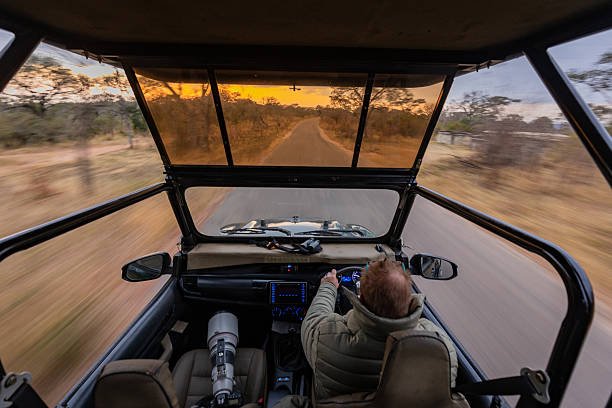
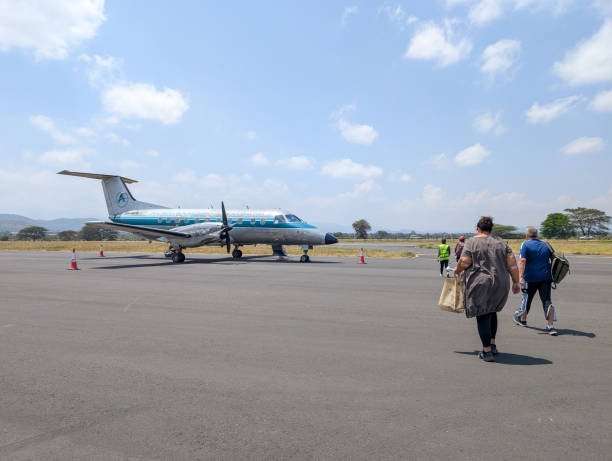
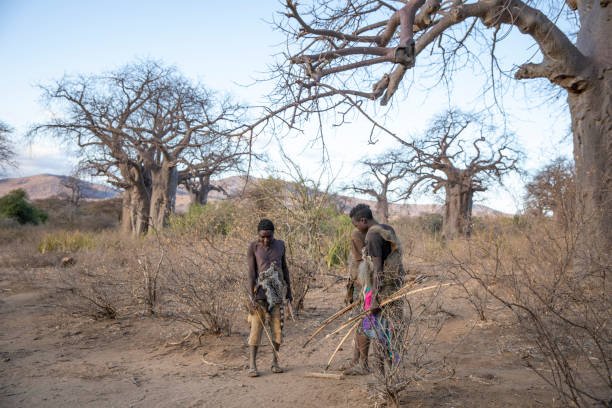
Understanding Your Journey: South Africa to Lesotho
The Kingdom of Lesotho, an independent enclave entirely surrounded by South Africa, offers a unique travel experience characterized by its dramatic mountainous terrain, rich Basotho culture, and opportunities for adventure. For many travelers, South Africa serves as the primary gateway to Lesotho, either through direct flights into Maseru (though limited) or, more commonly, via overland travel. This guide is designed to provide a thorough understanding of how to navigate the journey from South Africa to Lesotho, covering all practical aspects for your trip in 2026-2027 and beyond.
When considering how to travel from South Africa to Lesotho, the most important factor is your starting location within South Africa. Major cities like Johannesburg and Durban are the most frequent departure points, each offering different travel routes and timeframes. The choice of transport also plays a significant role, influencing cost, flexibility, and the overall experience. Whether you prefer the independence of a self-drive, the convenience of a private transfer, or the affordability of public transport, there are viable options to suit different travel styles and budgets.
Key Considerations for Your Lesotho Trip
Before embarking on your journey, several key aspects need careful consideration:
- Visa Requirements: Most nationalities entering Lesotho from South Africa do not require a visa for short stays, provided they are already legally in South Africa. However, it is always best to check the latest requirements for your specific nationality well in advance of your travel dates for 2026-2027.
- Border Crossings: Understanding the available border posts, their operating hours, and the specific documentation needed for both yourself and your vehicle (if applicable) is essential.
- Transportation Options: Researching the pros and cons of driving yourself, hiring a car with a driver, taking a bus, or utilizing private transfers will help you select the most suitable method.
- Currency: Lesotho uses the Loti (LSL), which is pegged at par with the South African Rand (ZAR). South African Rand is widely accepted in Lesotho, making currency exchange less of a concern for most visitors.
- Safety and Security: While Lesotho is generally safe for tourists, it’s wise to be aware of your surroundings, especially in urban areas, and to take standard precautions.
- Timing and Seasonality: The best time to visit Lesotho often depends on your planned activities. Summer (November to March) brings warmer temperatures and rain, while winter (June to August) is cold and can bring snow, particularly to the higher altitudes, which is ideal for snow sports.
Primary Travel Routes from South Africa to Lesotho
The geography of South Africa and Lesotho dictates the most logical travel routes. Most travelers will originate from the northern or eastern parts of South Africa, making Johannesburg and Durban the most common starting points. The routes are generally well-maintained, although the quality can vary, especially closer to the border or once inside Lesotho.
From Johannesburg to Lesotho
Johannesburg, being the economic hub of South Africa, is a frequent starting point. The most direct route involves heading south towards the Free State province, where the main border crossings into Lesotho are located.
- Route via Bloemfontein: This is a common overland route. You would typically drive south from Johannesburg on the N1 highway towards Bloemfontein. From Bloemfontein, you can then take smaller provincial roads (like the R702) towards the border crossing at Van Rooyen’s Gate (near Wepener) or continue further east towards Maseru. The drive from Johannesburg to Bloemfontein is approximately 4-5 hours. From Bloemfontein to Maseru Bridge border post, it’s another 2-3 hours.
- Route via Bethlehem/Kroonstad: An alternative route might take you east from Johannesburg towards towns like Kroonstad and then south-east towards Bethlehem. From Bethlehem, you can head towards the Caledonspoort border post or the Mapholaneng border post, which are closer to areas like Clarens in South Africa and the northern parts of Lesotho, including the AfriSki ski resort. This route offers scenic views of the Maloti Mountains. The drive from Johannesburg to Bethlehem is around 3-4 hours.
From Durban to Lesotho
Durban, located on the east coast, offers a different approach, typically involving a drive through the KwaZulu-Natal province before entering Lesotho.
- Route via Pietermaritzburg and Underberg: From Durban, you would head inland towards Pietermaritzburg and then continue south-west towards the Drakensberg region. The route leads to the town of Underberg. From Underberg, you can access the Sani Pass, a famously challenging 4×4-only track that leads directly into Lesotho. This route is incredibly scenic but requires a capable 4×4 vehicle and careful planning, especially for border crossing procedures at the top of the pass. The drive from Durban to Underberg is approximately 4-5 hours.
- Route via Harrismith: An alternative from Durban might involve heading north-west towards Pietermaritzburg, then connecting to the N3 highway towards Harrismith. From Harrismith, you would travel south towards the Free State and potentially connect to routes leading to the northern Lesotho border posts like Caledonspoort. This route is generally easier for standard vehicles but longer than the Sani Pass option.
The choice of route will significantly impact your travel time. Driving from Johannesburg to Maseru can take anywhere from 6 to 10 hours, depending on the specific route, border crossing times, and stops. From Durban, the journey to Maseru via conventional roads is longer, potentially 8-12 hours, while the Sani Pass route, though shorter in distance, can be a full-day adventure in itself due to the challenging terrain and border formalities.
Transportation Options: Driving, Buses, and Private Transfers
Selecting the right mode of transport is crucial for planning how to travel from South Africa to Lesotho. Each option offers distinct advantages and disadvantages.
1. Self-Driving
Driving your own vehicle or a rental car offers the most flexibility and allows you to explore Lesotho at your own pace. This is ideal for those who want to venture off the beaten path, visit remote villages, or undertake activities like hiking and pony trekking in areas not easily accessible by public transport.
- Vehicle Requirements: If you are driving a South African registered vehicle into Lesotho, you will need a vehicle registration document and a letter of authorization from the owner (if not your own vehicle). For rental cars, you must obtain specific cross-border authorization from the rental company. Not all companies permit cross-border travel, and additional fees usually apply. Ensure your vehicle is in good condition, especially if planning to drive on Lesotho’s mountainous roads.
- Insurance: Ensure your vehicle insurance covers driving in Lesotho. Standard South African policies may not automatically extend, and you might need to purchase additional third-party cover at the border.
- Road Conditions: Major routes within Lesotho, particularly the A1 (Maseru to Butha-Buthe) and A3 (Maseru to Qacha’s Nek), are generally paved. However, many secondary roads are gravel and can be challenging, especially after rain. The Sani Pass requires a 4×4 vehicle and experienced off-road driving skills.
- Fuel: Fuel is available in major towns, but stations can be sparse in rural areas. It’s advisable to keep your tank topped up.
- Navigation: GPS devices or reliable mapping apps are recommended. While main roads are signed, navigating smaller routes can be confusing.
2. Hiring a Car with a Driver
This option combines the convenience of not driving yourself with the flexibility of a private vehicle. It’s an excellent choice for travelers who want to navigate Lesotho’s roads safely, especially the more challenging mountain passes, without the stress of driving.
- Benefits: A local driver will have intimate knowledge of the roads, local customs, and points of interest. They can also assist with language barriers and provide insights into Basotho life. This is often the preferred method for reaching remote areas or undertaking specific adventure activities.
- Booking: These services can often be arranged through tour operators in South Africa or directly with drivers in Lesotho. For 2026-2027 travel, booking in advance is recommended, especially during peak seasons. Companies like Top Guide Adventures can help arrange reliable transport and drivers for your journey. Contact them via WhatsApp +255616946642 or Email topguideadventures@gmail.com for inquiries.
- Cost: Hiring a car with a driver is generally more expensive than public transport but can be cost-effective for groups or when compared to the combined cost of car rental, fuel, and potential insurance add-ons for self-driving.
3. Long-Distance Buses and Minibuses (Taxis)
Public transport is the most budget-friendly way to travel between South Africa and Lesotho, though it offers less flexibility and can be slower.
- Intercity Buses: Companies like Intercape and Quantum operate routes from major South African cities (e.g., Johannesburg, Durban) to Maseru. These buses are generally comfortable and reliable, offering a safe way to travel. They typically depart from central bus terminals in South Africa.
- Minibuses (Taxis): Within Lesotho, minibuses are the primary form of local transport. They operate on fixed routes and depart when full. You can catch a minibus from Maseru to other major towns, and you might need to change vehicles multiple times to reach more remote destinations. While affordable, they can be crowded and journeys can take longer due to frequent stops.
- Border Transfers: At border posts like Maseru Bridge, you can often find local taxis or minibuses to take you the short distance into the respective towns on either side.
- Booking: Bus tickets can usually be booked online or at the station. Minibus fares are paid in cash to the conductor.
4. Private Transfers / Shuttles
For a balance between convenience and cost, private transfer services offer a middle ground. These are typically pre-booked vehicles (cars or vans) that will pick you up from your location in South Africa and take you directly to your destination in Lesotho.
- Benefits: Door-to-door service, no need to worry about driving or navigating, and often more comfortable than public transport.
- Booking: Many tour operators and specialized transfer companies offer this service. For 2026-2027, booking these services in advance is highly recommended, especially for airport pickups or transfers to popular tourist areas.
- Cost: More expensive than buses but generally cheaper than hiring a car with a driver for the entire duration of your stay.
Navigating the Border Crossings
Crossing the border between South Africa and Lesotho is a critical part of how to travel from South Africa to Lesotho. Several official ports of entry are available, each with its own characteristics.
Major Border Posts:
- Maseru Bridge (South Africa: Ficksburg; Lesotho: Maseru): This is the busiest and most common border crossing, located near the capital city of Maseru. It connects the South African town of Ficksburg with Maseru. The road is tarred on both sides, and it is open 24/7 for pedestrians and vehicles. This is the most straightforward crossing for most travelers.
- Peka Bridge (South Africa: Wepener; Lesotho: Peka): Located north of Maseru, this crossing connects Wepener in South Africa to Peka in Lesotho. It is a smaller crossing, generally open during daylight hours.
- Van Rooyen’s Gate (South Africa: Zastron; Lesotho: Makhaleng): Situated further south, this crossing connects Zastron in South Africa to Makhaleng in Lesotho. It is also a smaller crossing, typically open during daylight hours.
- Caledonspoort (South Africa: Fouriesburg; Lesotho: Butha-Buthe): This crossing is in the north-eastern part of Lesotho, near the town of Butha-Buthe. It connects Fouriesburg in South Africa and is often used by those heading to the northern mountain areas or ski resorts. Open during daylight hours.
- Qacha’s Nek: This border post is in the far south-east of Lesotho, connecting to the Eastern Cape province of South Africa. It’s a more remote crossing, often used by those traveling from the Eastern Cape or heading to the southern regions of Lesotho. Open during daylight hours.
- Sani Pass (South Africa: Underberg; Lesotho: Mokhotlong): This is a unique and challenging 4×4-only border crossing. It’s a steep, winding gravel track through the Drakensberg Mountains. It offers spectacular views but requires a 4×4 vehicle and experienced driving. The border posts are located at either end of the pass, and it is typically open during daylight hours. Access to Sani Pass might be restricted during heavy snow in winter.
Border Crossing Procedures:
The process at the border involves several steps:
- Immigration: You will first go through immigration to have your passport stamped for exit from South Africa and entry into Lesotho, or vice-versa. Ensure you have your passport and any necessary visa documentation (though typically not required for short stays from SA).
- Customs: Next, you proceed to customs. Declare any goods as required by law.
- Vehicle Documentation (if driving): If you are driving a vehicle, you will need to present:
- Your passport and driver’s license.
- Vehicle registration documents (e.g., license disc).
- If driving a rental car, the cross-border authorization letter from the rental company.
- If driving a vehicle registered to someone else, a letter of authority from the owner, along with their ID copy.
- Proof of valid vehicle insurance, which may include purchasing temporary third-party insurance if your existing policy is insufficient. This is often available at the border.
- A cross-border permit or temporary import permit for your vehicle may be required, which can usually be obtained at the border post for a small fee.
- Road Tax/Toll Fees: Some border crossings may have small road taxes or toll fees payable.
Tip for 2026-2027: Always check the current operating hours for the border post you intend to use, especially for smaller crossings, as these can change. Maseru Bridge is usually the most reliable for 24/7 operation.
Important Note on Border Crossings
Be prepared for potential queues, especially at Maseru Bridge during peak travel times (holidays, weekends). Patience is key. Ensure all your documentation is in order to expedite the process. If you are unsure about any step, approach an official information desk or ask a uniformed border official for guidance.
Planning Your Itinerary: What to See and Do in Lesotho
Once you’ve figured out how to travel from South Africa to Lesotho, the next step is planning what to experience in the ‘Kingdom in the Sky’. Lesotho offers impressive mountain scenery, unique cultural encounters, and adventure activities.
Must-Visit Destinations:
- Maseru: The capital city, offering a glimpse into modern Basotho life. Visit the Royal Palace, the Parliament building, and the National Museum. It’s a good starting point for many itineraries.
- Maloti Mountains: This vast mountain range forms the backbone of Lesotho and offers unparalleled trekking, pony trekking, and hiking opportunities. Areas like Sehlabathebe National Park (Lesotho’s oldest national park) and the Katse Dam region are spectacular.
- Sani Pass & Drakensberg Mountains: While the pass itself is the entry point, the surrounding areas offer stunning landscapes and opportunities for exploration.
- AfriSki Mountain Resort: Located in the northern Maloti Mountains, this is Africa’s highest ski resort, offering skiing and snowboarding in winter (June-August) and a range of outdoor activities year-round.
- Thaba Bosiu: A historically significant sandstone plateau, the site of King Moshoeshoe I’s fortress and a symbol of Basotho resistance. It offers panoramic views.
- Ha Kome Caves: Ancient cave dwellings that provide insight into the traditional lifestyle of the Basotho people.
- Butha-Buthe, Leribe, Qacha’s Nek: These towns serve as gateways to different regions and offer cultural experiences and access to surrounding natural beauty.
Activities to Consider:
- Pony Trekking: This is perhaps the most iconic Basotho experience. Guided pony treks allow you to explore remote mountain villages and landscapes in a traditional way. Options range from half-day trips to multi-day expeditions.
- Hiking and Trekking: Lesotho is a hiker’s paradise, with trails ranging from easy day hikes to challenging multi-day treks through the Maloti Mountains.
- Skiing and Snowboarding: During the winter months (June-August), AfriSki offers a unique African snow sports experience.
- Cultural Village Visits: Experience the rich Basotho culture by visiting villages, learning about traditional crafts like blanket weaving, and perhaps staying in a local guesthouse.
- Exploring Katse Dam: One of the world’s largest dams by volume, offering boat trips and impressive engineering views.
- Bird Watching and Flora: The unique alpine environment supports diverse birdlife and unique plant species.
Practical Tips for Your Lesotho Adventure in 2026-2027
To ensure a smooth and enjoyable trip, consider these practical tips:
- Accommodation: Options range from hotels and guesthouses in Maseru and other towns to more rustic lodges, mountain huts, and homestays in rural areas. Booking in advance is advisable, especially for popular lodges or during peak seasons in 2026-2027.
- What to Pack: Layers are essential due to varying altitudes and temperatures. Include warm clothing (fleece, down jacket), waterproofs, sturdy hiking boots, sun protection (hat, sunscreen, sunglasses), insect repellent, a basic first-aid kit, and any personal medications. For mountain trekking, specialized gear might be needed.
- Health Precautions: Consult your doctor about vaccinations and malaria precautions (malaria risk is generally low in Lesotho, but higher in border areas of South Africa, so it’s worth checking recommendations for your specific route). Ensure you have travel insurance that covers medical emergencies and evacuation.
- Connectivity: Mobile phone coverage is available in towns but can be spotty in rural and mountainous areas. Wi-Fi is available in most hotels and some lodges. Purchasing a local SIM card (e.g., Vodacom Lesotho, Econet Telecom Lesotho) upon arrival can be useful.
- Language: The official languages are Sesotho and English. English is widely spoken in tourist areas and by government officials, making communication relatively easy.
- Tipping: Tipping is not mandatory but is appreciated for good service. Small amounts for hotel staff, guides, and drivers are common.
Sample 7-Day Lesotho Itinerary (Sample for 2026-2027 Planning)
This is a sample itinerary and can be customized. Assume arrival via Maseru Bridge from South Africa.
- Day 1: Arrival in Maseru
Arrive at Maseru Bridge border post, clear immigration and customs. Transfer to your hotel in Maseru. Afternoon: Explore Maseru city – visit the National Museum and craft markets. - Day 2: Maseru to Thaba Bosiu & Cultural Experience
Morning: Visit Thaba Bosiu, the historic mountain fortress. Afternoon: Experience a cultural village visit, learn about Basotho traditions, and perhaps enjoy a short pony ride. Overnight in Maseru or a nearby lodge. - Day 3: Maseru to Katse Dam
Drive north towards the Katse Dam region (approx. 3-4 hours). Enjoy scenic mountain views. Afternoon: Take a guided tour of the Katse Dam, one of Africa’s largest engineering projects. Overnight at a lodge near Katse Dam. - Day 4: Katse Dam Exploration & Hiking
Full day for exploring the Katse Dam area. Options include boat trips on the reservoir, hiking in the surrounding mountains, or visiting the botanical gardens. - Day 5: Katse Dam to AfriSki/Oxbow (Northern Mountains)
Drive north towards the Oxbow area and AfriSki Mountain Resort (approx. 2-3 hours). Experience the high-altitude landscape. If winter (June-August), consider skiing/snowboarding. If summer, enjoy hiking or scenic drives. Overnight at AfriSki or a nearby lodge. - Day 6: Northern Mountains to Clarens (South Africa) via Caledonspoort
Enjoy a final mountain morning. Drive to the Caledonspoort border post and cross back into South Africa near Fouriesburg. Continue to the charming artistic town of Clarens in the Free State for an overnight stay, enjoying its galleries and natural beauty. - Day 7: Departure from Clarens
Enjoy a leisurely breakfast in Clarens before driving back to Johannesburg (approx. 3.5-4 hours) or your next destination.
Comparing Travel Options for 2026-2027
Choosing the right way to travel from South Africa to Lesotho involves weighing costs, time, convenience, and desired experiences. Here’s a comparison:
| Option | Pros | Cons | Best For | Estimated Cost (per person, one-way, South Africa to Maseru) |
|---|---|---|---|---|
| Self-Driving | Maximum flexibility, freedom to explore, can carry more luggage. | Requires international driving permit (if applicable), vehicle insurance, potential for challenging roads, fuel costs, risk of breakdown. | Independent travelers, adventure seekers, those with specific routes in mind. | Variable: R1500 – R4000+ (fuel, potential insurance, permit fees, wear-and-tear). Car rental costs separate. |
| Car with Driver | Stress-free travel, local expertise, safe navigation of difficult roads, door-to-door service. | Higher cost than public transport, less independence than self-driving. | Travelers prioritizing comfort and safety, groups, those wanting in-depth local insights. | R3000 – R7000+ (depending on vehicle type, duration, and inclusions). |
| Long-Distance Bus | Most affordable, reliable scheduled service, no driving stress. | Less flexibility, fixed schedules, can be slower, limited luggage space on some services. | Budget travelers, solo travelers, those prioritizing cost-effectiveness. | R300 – R800 |
| Private Transfer/Shuttle | Convenient door-to-door service, comfortable, pre-booked and predictable. | More expensive than buses, less flexible than self-driving. | Families, business travelers, those seeking convenience without the cost of a dedicated driver for days. | R1500 – R3500+ |
Note: Costs are estimates for 2026-2027 and can vary significantly based on the provider, specific route, vehicle type, and current fuel prices. Always get a formal quote.
Booking Your Travel and Accommodation
Planning and booking in advance are key to a smooth journey, especially for travel in 2026-2027. Here’s how to approach it:
- Transportation: For buses, book tickets online or at the station a few days to weeks in advance, particularly for holiday periods. For private transfers or cars with drivers, contact reputable tour operators. Top Guide Adventures can assist with arranging reliable transport and transfers for your trip from South Africa to Lesotho. Reach out via WhatsApp +255616946642 or Email topguideadventures@gmail.com to discuss your needs. For self-driving, ensure your rental car company provides cross-border authorization well in advance.
- Accommodation: Book hotels, lodges, and guesthouses in Maseru and other tourist hubs ahead of time, especially if traveling during peak season (e.g., holidays, school breaks, or winter for AfriSki). For unique experiences like mountain lodges or cultural homestays, booking months in advance might be necessary for 2026-2027.
- Tours and Activities: If you plan on specific guided activities like multi-day pony treks, 4×4 excursions, or guided hikes, it’s wise to book these through local tour operators or lodges in advance.
Safety and Health Considerations
While Lesotho is generally welcoming, being prepared for safety and health aspects is important.
- General Safety: Be aware of your surroundings, especially in Maseru. Avoid displaying valuables openly. Do not walk alone at night in unfamiliar areas. For road travel, be cautious of livestock on roads, especially at dawn and dusk.
- Road Safety: If self-driving, be prepared for varying road conditions. Drive defensively and be aware of potential hazards like potholes, gravel surfaces, and sharp turns. Driving at night outside of major towns is generally not recommended due to poor road conditions and potential hazards.
- Health: Consult your doctor regarding vaccinations and any necessary medications before your trip. Carry a basic first-aid kit. Ensure you have adequate travel insurance that covers medical emergencies and repatriation. Tap water in Maseru is generally safe, but in rural areas, it’s advisable to drink bottled or purified water.
Conclusion: Your Lesotho Adventure Awaits
Traveling from South Africa to Lesotho is an accessible and rewarding experience, opening the door to a land of dramatic landscapes and vibrant culture. Whether you choose the freedom of a self-drive, the comfort of a private transfer, or the economy of a bus, careful planning is essential. By understanding the routes, border crossings, transportation options, and what to expect, you can ensure your journey in 2026-2027 is memorable for all the right reasons.
For personalized assistance with planning your trip, including arranging reliable transport, drivers, and accommodation in Lesotho and connecting it with your South African travel plans, do not hesitate to contact Top Guide Adventures. We are dedicated to providing exceptional travel experiences with personal attention and dedicated support. Reach us via WhatsApp +255616946642 or Email topguideadventures@gmail.com or info@topguideadventurestanzania.com. Let us help you create your perfect Lesotho adventure!
Check Availability for How To Travel From South Africa To Lesotho: Your Complete Guide For…
Ready to compare dates, prices, and the best option for your group? Send the package name and travel month so the team can reply with a clear quote, availability, and what is included.



