
.orscg-article{–orscg-text:#152033;–orscg-muted:#5c6878;–orscg-line:#e4e8ee;–orscg-accent:#0b6b4f;–orscg-accent2:#c75b12;–orscg-soft:#f6faf7;–orscg-warm:#fff7ef;max-width:1120px;margin:0 auto;color:var(–orscg-text);font-family:inherit;line-height:1.76}.orscg-article *{box-sizing:border-box}.orscg-article-intro{padding:30px 26px;margin:0 0 32px;border:1px solid var(–orscg-line);border-radius:22px;background:linear-gradient(135deg,#fff 0%,var(–orscg-soft) 65%,var(–orscg-warm) 100%)}.orscg-updated{display:inline-block;margin:0 0 14px;padding:6px 12px;border:1px solid rgba(11,107,79,.18);border-radius:999px;background:#fff;color:var(–orscg-accent);font-size:13px;font-weight:800}.orscg-article-intro h2{font-family:’Trebuchet MS’,Arial,sans-serif;margin:0 0 14px;font-size:clamp(30px,4vw,52px);line-height:1.08;color:var(–orscg-text);letter-spacing:-.03em}.orscg-lead{max-width:900px;margin:0 0 18px;font-size:clamp(17px,2vw,21px);color:var(–orscg-muted)}.orscg-contact-mini{font-weight:800;margin:0}.orscg-contact-mini a,.orscg-content a{color:var(–orscg-accent);text-decoration:none}.orscg-contact-mini a:hover,.orscg-content a:hover{text-decoration:underline}.orscg-hero-price{margin:18px 0 0;padding:14px 16px;border:1px solid rgba(199,91,18,.28);border-radius:14px;background:#fff;color:#733809;font-weight:650}.orscg-content{font-size:17px}.orscg-content h2{font-family:’Trebuchet MS’,Arial,sans-serif;margin:44px 0 15px;font-size:clamp(25px,3vw,38px);line-height:1.17;color:var(–orscg-text);letter-spacing:-.02em}.orscg-content h2:first-child{margin-top:0}.orscg-content h3{margin:28px 0 12px;font-size:clamp(20px,2.1vw,27px);line-height:1.25;color:var(–orscg-text)}.orscg-content p{margin:0 0 18px}.orscg-content ul,.orscg-content ol{margin:0 0 24px;padding-left:24px}.orscg-content li{margin:8px 0}.orscg-content table,.orscg-table{width:100%;border-collapse:separate;border-spacing:0;margin:25px 0;font-size:16px;border:1px solid var(–orscg-line);border-radius:0;overflow:hidden;background:#fff;box-shadow:0 10px 24px rgba(15,23,42,.05)}.orscg-content th,.orscg-content td{border:0;border-bottom:1px solid var(–orscg-line);padding:13px 14px;text-align:left;vertical-align:top}.orscg-content tr:last-child td{border-bottom:0}.orscg-content th{background:var(–orscg-soft);font-weight:850;color:#10251d}.orscg-price-box{margin:30px 0;padding:24px;border:0;border-top:3px solid var(–orscg-accent2);border-bottom:1px solid rgba(199,91,18,.28);border-radius:0;background:linear-gradient(135deg,#fff,var(–orscg-warm));box-shadow:0 12px 26px rgba(15,23,42,.06)}.orscg-price-box h2{margin-top:0}.orscg-price-table th{background:#fff1e3}.orscg-price-table td:first-child{font-weight:800;color:#733809}.orscg-anchor-target{display:block;position:relative;top:-115px;visibility:hidden;height:0;overflow:hidden}.orscg-content h2[data-orscg-anchor]{scroll-margin-top:120px}.orscg-toc,.orscg-company-links{margin:24px 0;padding:22px 24px;border:1px solid var(–orscg-line);border-radius:18px;background:#fff;box-shadow:0 10px 28px rgba(15,23,42,.04)}.orscg-toc h2,.orscg-company-links h2{margin-top:0}.orscg-toc ol{columns:2;column-gap:34px}.orscg-toc li{break-inside:avoid}.orscg-toc a{cursor:pointer;font-weight:700}.orscg-note,.orscg-checklist,.orscg-itinerary,.orscg-faq,.orscg-map,.orscg-pro-block{margin:28px 0;padding:22px 24px;border:0;border-top:1px solid var(–orscg-line);border-bottom:1px solid var(–orscg-line);border-left:5px solid var(–orscg-accent);border-radius:0;background:var(–orscg-soft)}.orscg-itinerary{border-left-color:var(–orscg-accent2);background:#fffaf5}.orscg-pro-block{background:linear-gradient(135deg,#fff,var(–orscg-soft));box-shadow:0 10px 28px rgba(15,23,42,.04)}.orscg-top-images{display:grid;grid-template-columns:repeat(auto-fit,minmax(220px,1fr));gap:16px;margin:0 0 30px}.orscg-featured-image{margin:0;aspect-ratio:16/10;overflow:hidden;border-radius:18px;background:#eef2f0}.orscg-featured-image img{display:block;width:100%;height:100%;object-fit:cover;object-position:center;border-radius:18px;box-shadow:0 12px 30px rgba(15,23,42,.10)}.orscg-simple-cta{margin:46px 0 0;padding:28px;border:0;border-top:3px solid var(–orscg-accent);border-bottom:1px solid rgba(11,107,79,.20);border-radius:0;background:linear-gradient(135deg,var(–orscg-soft),#fff);box-shadow:0 14px 30px rgba(15,23,42,.07)}.orscg-direct-answer{margin:0 0 30px;padding:22px 24px;border:0;border-top:1px solid rgba(11,107,79,.25);border-bottom:1px solid rgba(11,107,79,.25);border-left:6px solid var(–orscg-accent);border-radius:0;background:linear-gradient(135deg,#fff,var(–orscg-soft));box-shadow:0 12px 26px rgba(15,23,42,.06);font-size:18px}.orscg-direct-answer p:last-child{margin-bottom:0}.orscg-simple-cta h2{font-family:’Trebuchet MS’,Arial,sans-serif;margin:0 0 12px;font-size:clamp(24px,3vw,34px);line-height:1.2}.orscg-simple-cta p{margin:0 0 16px}.orscg-related-packages{position:relative;margin:48px 0 0;padding:30px 0 8px;border:0;border-top:3px solid var(–orscg-accent);border-bottom:1px solid var(–orscg-line);border-radius:0;background:linear-gradient(180deg,#fff 0%,#f7faf8 100%);box-shadow:none}.orscg-related-packages h2{margin:0 0 8px}.orscg-related-packages p{margin:0;color:var(–orscg-muted)}.orscg-related-heading{display:flex;align-items:flex-end;justify-content:space-between;gap:18px;margin-bottom:22px}.orscg-package-explorer{display:grid;grid-template-columns:minmax(220px,270px) minmax(0,1fr);gap:24px;align-items:start}.orscg-package-filters{position:sticky;top:92px;border:1px solid var(–orscg-line);border-top:4px solid var(–orscg-accent);border-radius:0;background:#fff;box-shadow:0 12px 28px rgba(15,23,42,.07)}.orscg-filter-mobile-toggle{display:none;width:100%;padding:14px 16px;border:0;border-bottom:1px solid var(–orscg-line);border-radius:0;background:#fff;color:var(–orscg-text);font:inherit;font-weight:850;text-align:left;cursor:pointer}.orscg-filter-panel-head{display:flex;align-items:center;justify-content:space-between;gap:12px;padding:16px 17px;border-bottom:1px solid var(–orscg-line)}.orscg-filter-panel-head strong{font-size:18px}.orscg-filter-panel-head button,.orscg-package-results-head button{padding:0;border:0;background:transparent;color:var(–orscg-accent);font:inherit;font-size:13px;font-weight:800;cursor:pointer}.orscg-filter-group{margin:0;padding:16px 17px;border:0;border-bottom:1px solid var(–orscg-line)}.orscg-filter-group:last-child{border-bottom:0}.orscg-filter-group legend{display:block;width:100%;margin:0 0 10px;padding:0;color:var(–orscg-text);font-size:15px;font-weight:900}.orscg-filter-group label{display:grid;grid-template-columns:18px minmax(0,1fr) auto;align-items:center;gap:9px;margin:9px 0;color:var(–orscg-text);font-size:14px;line-height:1.35;cursor:pointer}.orscg-filter-group input{width:16px;height:16px;margin:0;accent-color:var(–orscg-accent)}.orscg-filter-group b{min-width:24px;color:var(–orscg-muted);font-size:12px;font-weight:700;text-align:right}.orscg-package-results{min-width:0}.orscg-package-results-head{display:flex;align-items:center;justify-content:space-between;gap:14px;margin:0 0 12px;padding:12px 0;border-top:1px solid var(–orscg-line);border-bottom:1px solid var(–orscg-line)}.orscg-package-results-head strong{font-size:15px}.orscg-package-list{display:grid;gap:16px}.orscg-package-card{display:grid;grid-template-columns:minmax(190px,245px) minmax(0,1fr);min-width:0;overflow:hidden;border:1px solid var(–orscg-line);border-left:4px solid var(–orscg-accent);border-radius:0;background:#fff;color:var(–orscg-text);box-shadow:0 12px 26px rgba(15,23,42,.07);transition:transform .18s ease,box-shadow .18s ease}.orscg-package-card[hidden]{display:none!important}.orscg-package-card:hover{transform:translateY(-2px);box-shadow:0 17px 32px rgba(15,23,42,.11)}.orscg-package-card-image{display:block;min-height:185px;overflow:hidden;background:#eaf0ec;text-decoration:none!important}.orscg-package-card-image img{display:block;width:100%;height:100%;min-height:185px;object-fit:cover;object-position:center}.orscg-package-image-placeholder{display:block;width:100%;height:100%;min-height:185px;background:linear-gradient(135deg,#e8f1ec,#fff3e7)}.orscg-package-card-body{display:flex;min-width:0;flex-direction:column;padding:18px 20px}.orscg-package-meta{display:flex;flex-wrap:wrap;gap:7px;margin:0 0 10px}.orscg-package-meta span{display:inline-flex;padding:4px 8px;border:1px solid rgba(11,107,79,.18);border-radius:0;background:var(–orscg-soft);color:#21463b;font-size:12px;font-weight:800;line-height:1.2}.orscg-package-card h3{margin:0 0 8px!important;font-size:clamp(19px,2vw,25px)!important;line-height:1.25}.orscg-package-card h3 a{color:var(–orscg-text)!important;text-decoration:none!important}.orscg-package-card h3 a:hover{color:var(–orscg-accent)!important}.orscg-package-card .orscg-package-summary{margin:0 0 14px;color:var(–orscg-muted);font-size:14px;line-height:1.58}.orscg-package-view{display:inline-flex;align-items:center;gap:7px;margin-top:auto;color:var(–orscg-accent)!important;text-decoration:none!important;font-size:14px;font-weight:900}.orscg-package-view:hover{text-decoration:underline!important}.orscg-package-empty{padding:24px;border:1px dashed var(–orscg-line);background:#fff;text-align:center}.orscg-filter-panel.is-open{display:block}.orscg-cta-links{display:flex;flex-wrap:wrap;gap:12px}.orscg-btn{display:inline-flex;align-items:center;justify-content:center;padding:12px 19px;border-radius:0;background:var(–orscg-accent);color:#fff!important;text-decoration:none!important;font-weight:850;box-shadow:4px 4px 0 rgba(11,107,79,.18)}.orscg-btn-light{background:#fff;color:var(–orscg-accent)!important;border:1px solid var(–orscg-accent);box-shadow:none}@media(max-width:980px){.orscg-package-explorer{grid-template-columns:220px minmax(0,1fr)}.orscg-package-card{grid-template-columns:190px minmax(0,1fr)}}@media(max-width:760px){.orscg-article-intro{padding:24px 18px}.orscg-toc ol{columns:1}.orscg-content{font-size:16px}.orscg-content table,.orscg-table{display:block;overflow-x:auto}.orscg-simple-cta,.orscg-price-box,.orscg-related-packages{padding:20px}.orscg-cta-links{display:block}.orscg-btn{margin:0 8px 8px 0}.orscg-top-images{grid-template-columns:1fr}.orscg-related-heading{align-items:flex-start}.orscg-package-explorer{grid-template-columns:1fr}.orscg-package-filters{position:static}.orscg-filter-mobile-toggle{display:block}.orscg-filter-panel{display:none}.orscg-filter-panel.is-open{display:block}.orscg-package-card{grid-template-columns:1fr}.orscg-package-card-image,.orscg-package-card-image img,.orscg-package-image-placeholder{min-height:210px}.orscg-package-results-head{align-items:flex-start}}
/* v3.17.24 related package explorer: stronger existing-page topic matching, three-column desktop grid and old-page live refresh */
.orscg-related-packages{padding:34px 0 12px;overflow:visible}.orscg-related-heading{align-items:flex-start;margin-bottom:26px}.orscg-related-heading>div{max-width:880px}.orscg-related-heading h2{font-size:clamp(27px,3vw,40px);line-height:1.14}.orscg-related-heading p{max-width:830px;line-height:1.65}.orscg-package-explorer{grid-template-columns:minmax(238px,270px) minmax(0,1fr);gap:28px}.orscg-package-filters{top:84px;max-height:calc(100vh – 104px);overflow:auto;scrollbar-width:thin}.orscg-filter-mobile-toggle{align-items:center;justify-content:space-between;gap:16px}.orscg-filter-mobile-toggle small{color:var(–orscg-muted);font-size:12px;font-weight:750}.orscg-filter-panel-head{align-items:flex-start;padding:18px}.orscg-filter-panel-head>div{display:grid;gap:3px}.orscg-filter-panel-head span{color:var(–orscg-muted);font-size:12px}.orscg-filter-group{padding:0}.orscg-filter-group legend{margin:0}.orscg-filter-group-toggle{display:flex;width:100%;align-items:center;justify-content:space-between;gap:14px;padding:14px 17px;border:0;background:#fff;color:var(–orscg-text);font:inherit;font-size:15px;font-weight:900;text-align:left;cursor:pointer}.orscg-filter-group-toggle i{position:relative;width:14px;height:14px;flex:0 0 14px}.orscg-filter-group-toggle i:before,.orscg-filter-group-toggle i:after{content:””;position:absolute;left:1px;top:6px;width:12px;height:2px;background:var(–orscg-accent);transition:transform .18s ease}.orscg-filter-group-toggle i:after{transform:rotate(90deg)}.orscg-filter-group.is-expanded .orscg-filter-group-toggle i:after{transform:rotate(0)}.orscg-filter-options{padding:0 17px 14px}.orscg-filter-group:not(.is-expanded) .orscg-filter-options{display:none}.orscg-filter-group label{margin:5px -7px;padding:8px 7px;transition:background .16s ease}.orscg-filter-group label:hover{background:var(–orscg-soft)}.orscg-filter-group label:has(input:checked){background:#eef8f3;color:#123b2f;font-weight:800}.orscg-package-results-head{align-items:flex-start;margin-bottom:18px;padding:14px 0}.orscg-package-results-head>div{min-width:0}.orscg-package-results-head>button{flex:0 0 auto;margin-top:2px}.orscg-active-filters{display:flex;flex-wrap:wrap;gap:6px;margin-top:8px}.orscg-active-filters:empty{display:none}.orscg-active-filter-chip{display:inline-flex;align-items:center;padding:4px 8px;border:1px solid rgba(11,107,79,.18);background:var(–orscg-soft);color:#21463b;font-size:12px;font-weight:750}.orscg-package-list{grid-template-columns:repeat(3,minmax(0,1fr));gap:20px;align-items:stretch}.orscg-package-card{position:relative;display:grid;grid-template-columns:1fr;grid-template-rows:auto 1fr;height:100%;border-left:1px solid var(–orscg-line);border-top:4px solid var(–orscg-accent);cursor:pointer;outline:none}.orscg-package-card:focus-visible{box-shadow:0 0 0 3px rgba(11,107,79,.2),0 17px 32px rgba(15,23,42,.11)}.orscg-package-card-image{min-height:0;aspect-ratio:16/9}.orscg-package-card-image img,.orscg-package-image-placeholder{width:100%;height:100%;min-height:0;aspect-ratio:16/9}.orscg-package-card-body{height:100%;padding:18px 19px 19px}.orscg-package-card h3{font-size:clamp(18px,1.7vw,23px)!important}.orscg-package-summary{display:-webkit-box;overflow:hidden;-webkit-box-orient:vertical;-webkit-line-clamp:3}.orscg-package-view{padding-top:4px}.orscg-package-card.is-filtered-in{animation:orscgPackageReveal .22s ease both}@keyframes orscgPackageReveal{from{opacity:.35;transform:translateY(5px)}to{opacity:1;transform:none}}@media(max-width:1050px){.orscg-package-explorer{grid-template-columns:220px minmax(0,1fr);gap:20px}.orscg-package-list{grid-template-columns:repeat(2,minmax(0,1fr))}}@media(max-width:760px){.orscg-related-packages{padding:24px 0 8px}.orscg-package-explorer{grid-template-columns:1fr}.orscg-package-filters{max-height:none;overflow:visible}.orscg-filter-mobile-toggle{display:flex}.orscg-package-list{grid-template-columns:1fr;gap:16px}.orscg-package-card-image{aspect-ratio:16/10}.orscg-package-card-image img,.orscg-package-image-placeholder{aspect-ratio:16/10}.orscg-package-results-head{gap:10px}.orscg-package-results-head>button{white-space:nowrap}}@media(max-width:430px){.orscg-package-results-head{display:grid;grid-template-columns:1fr}.orscg-package-results-head>button{justify-self:start}.orscg-filter-mobile-toggle{padding:14px}.orscg-package-card-body{padding:16px}}
Traveling from Tanzania to Uganda involves a journey across East Africa, typically requiring a flight or a multi-day overland trip via road, often crossing the border at specific points like the Cyanika or Mutukula border posts. The most direct route involves flying between major cities like Kilimanjaro International Airport (JRO) or Dar es Salaam (DAR) and Entebbe International Airport (EBB) in Uganda. Overland travel offers a more adventurous, budget-friendly experience, but demands more time, typically 3-5 days, with options for private vehicles or shared buses, and requires careful planning for border procedures and overnight stops. For 2026-2027, expect similar travel dynamics, with potential for increased flight connectivity and evolving road conditions.
Understanding Your Travel Options: Tanzania to Uganda
The decision of how to travel from Tanzania to Uganda is fundamentally about balancing time, budget, comfort, and the desired level of adventure. Both countries are jewels of East Africa, offering unparalleled wildlife viewing, vibrant cultures, and stunning landscapes. Many travelers combine these destinations to experience diverse ecosystems, from the vast plains of the Serengeti to the dense rainforests of Uganda, home to mountain gorillas. Understanding the nuances of each travel method is key to a successful and enjoyable journey, especially when planning for the 2026-2027 travel seasons.
This guide aims to provide a detailed breakdown of all viable routes, transportation modes, necessary preparations, and practical advice to ensure your trip from Tanzania to Uganda is as smooth as possible. We will explore the pros and cons of flying versus overland travel, highlight important border crossings, discuss visa requirements, and offer insights into budgeting and packing.
The Fastest Route: Flying from Tanzania to Uganda
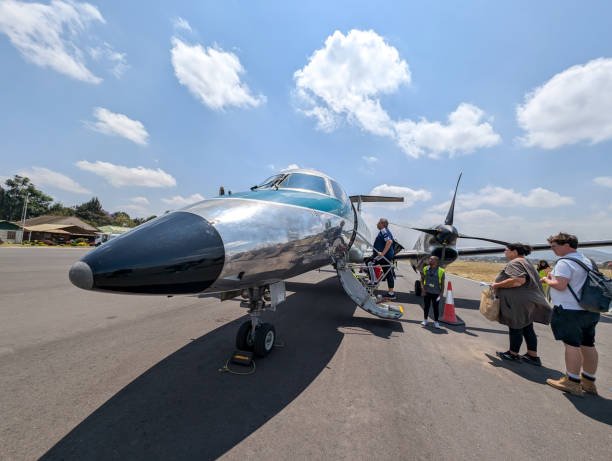
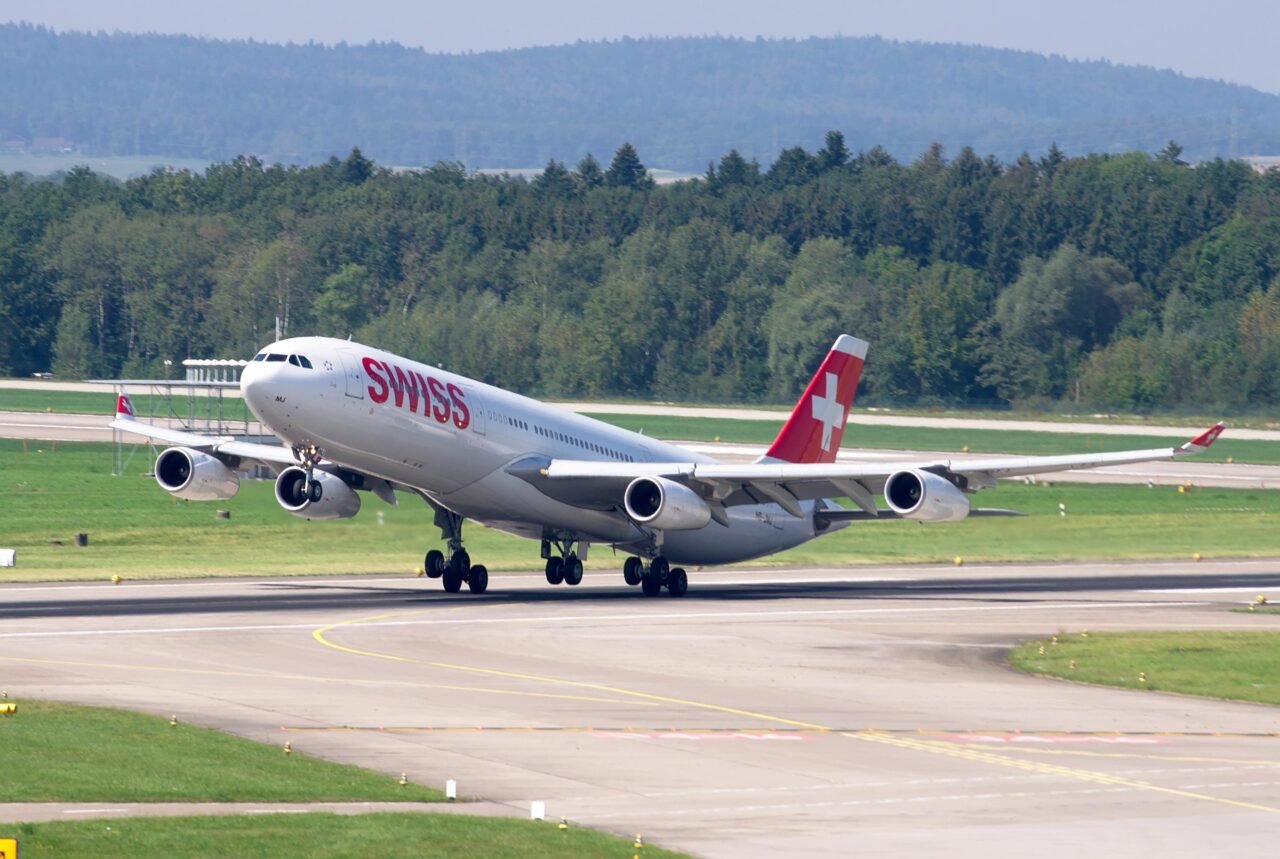
For travelers prioritizing speed and convenience, flying is the most efficient way to travel between Tanzania and Uganda. While it is also typically the most expensive option, it significantly reduces travel time, allowing you to maximize your days exploring either country.
Major Airports and Flight Connections
Tanzania has several international airports, but the most relevant for travel to Uganda are:
- Kilimanjaro International Airport (JRO): Located near Arusha, this is the primary gateway for northern Tanzania, serving popular safari destinations like the Serengeti and Ngorongoro Crater. If your Tanzanian adventure concludes here, JRO is a convenient departure point.
- Julius Nyerere International Airport (DAR): Located in Dar es Salaam, the country’s largest city and former capital, this airport is a hub for southern Tanzania and Zanzibar.
In Uganda, the main international gateway is:
- Entebbe International Airport (EBB): Situated near Kampala, Uganda’s capital, EBB is the principal entry and exit point for most international visitors.
Direct flights between JRO or DAR and EBB are not always consistently available. Often, flights will involve a layover, most commonly in Nairobi, Kenya (NBO), or occasionally in Addis Ababa, Ethiopia (ADD). These layovers can add significant time to your journey, sometimes making the total travel duration comparable to a long day of overland travel, though without the physical demands.
Finding and Booking Flights
Booking flights well in advance is highly recommended, especially if you are traveling during peak seasons in 2026 or 2027. Airlines that commonly operate routes connecting Tanzania and Uganda, often with layovers, include:
- Ethiopian Airlines (via ADD)
- Kenya Airways (via NBO)
- Proflight Zambia (sometimes offers connections)
Travel comparison websites such as Skyscanner, Google Flights, Kayak, and Expedia can be useful tools for identifying flight options and comparing prices. However, for the most up-to-date information and potential direct bookings, it’s often best to check the airlines’ official websites directly. When searching, be flexible with your travel dates if possible, as this can often yield lower fares.
Estimated Flight Costs and Duration
Flight prices can vary dramatically based on the airline, time of booking, season, and whether the flight is direct or has layovers. As a general estimate for 2026-2027:
- One-way flights can range from $300 to $800 USD per person. Prices can be higher if booked last minute or during peak holiday periods.
- Total travel time, including layovers and transit to/from airports, can range from 6 to 15 hours.
Factor in the cost and time of transfers to and from airports at both ends. From JRO or DAR to your accommodation in Tanzania, and from EBB to Kampala or your onward destination in Uganda.
The Adventurous Overland Journey: Tanzania to Uganda by Road
For many travelers, the overland journey offers a more authentic and in-depth experience of East Africa. It allows you to witness the changing landscapes, interact with local communities, and see parts of the countries that flying bypasses. However, this route is significantly more time-consuming and requires careful planning.
Popular Overland Routes and Border Crossings
There are a few primary overland routes connecting Tanzania and Uganda. The choice often depends on your starting point in Tanzania and your final destination in Uganda.
- Route via Northern Tanzania (Arusha) to Western Uganda (e.g., Bwindi Impenetrable National Park):
- Start: Arusha, Tanzania.
- Path: Drive west through Tanzania towards the Kagera region, then cross into Rwanda or Burundi, and proceed north into Uganda, or head directly north from western Tanzania towards the Uganda border.
- Border Crossings:
- Mutukula Border Post: This is a common crossing point if heading towards Kampala from Bukoba in Tanzania. It’s on the road connecting Kyotera in Uganda to Mutukula in Tanzania, linking to the Tanzanian side of Lake Victoria.
- Kagera/Rusumo Falls Border Post: If transiting through Rwanda, you might use this crossing. From Tanzania, you’d travel towards Rwanda and then north into Uganda. This is a longer route if your primary goal is Uganda.
- Cyanika Border Post: This is a crucial crossing if your destination is the Kisoro region of Uganda, particularly for gorilla trekking in Mgahinga Gorilla National Park or Volcanoes National Park in Rwanda. You would typically travel from northern Tanzania towards Rwanda and then into Uganda via Cyanika.
- Destinations in Uganda: This route is ideal if you are heading to southwestern Uganda for gorilla and chimpanzee trekking (e.g., Bwindi Impenetrable National Park, Queen Elizabeth National Park, Kibale Forest National Park).
- Route via Southern Tanzania (Dar es Salaam) to Kampala/Eastern Uganda:
- Start: Dar es Salaam, Tanzania.
- Path: Travel north along the Tanzanian coast or inland, heading towards the Mutukula border crossing. This is a much longer journey from Dar es Salaam.
- Border Crossing: Primarily the Mutukula Border Post.
- Destinations in Uganda: This route is more direct if your objective is Kampala or destinations in eastern Uganda.
Modes of Overland Transport
You have several options for overland travel, each with its own set of advantages and disadvantages:
1. Private Vehicle with Driver/Guide
This is the most comfortable and flexible overland option. You hire a dedicated vehicle (typically a 4×4 SUV or safari minivan) with an experienced driver-guide.
- Pros: Maximum flexibility, control over your itinerary, ability to stop whenever and wherever you wish, comfortable for long distances, safer, and often includes assistance with border formalities. Ideal for small groups or families.
- Cons: Most expensive overland option. Requires booking in advance.
- Duration: Typically 3-5 days, depending on the exact route and number of stops.
- Cost: Can range from $200 to $400 USD per day, depending on the vehicle type, inclusions (fuel, driver’s accommodation/meals), and the tour operator. This is a significant investment but offers unparalleled comfort and efficiency for this challenging route.
2. Shared Taxis and Minibuses (Matatus)
This is the most budget-friendly way to travel overland, using local public transport.
- Pros: Very cheap. Allows for interaction with locals.
- Cons: Can be uncomfortable, crowded, and slow. Requires multiple changes between vehicles. Less secure for luggage. Border crossings can be complicated and time-consuming. Safety can be a concern. Not recommended for long distances or for those with significant luggage.
- Process: You would typically take a bus from Arusha or Dar es Salaam to a border town (e.g., Bukoba, Mutukula), cross the border on foot or via a local taxi, and then find onward transport (bus or shared taxi) to your destination in Uganda. This is a multi-stage process.
- Duration: Can take 5-7 days or even longer due to frequent delays and waiting times for connections.
- Cost: Can be as low as $50-$100 USD per person for the entire journey, but this is highly variable and depends on numerous factors.
3. Inter-territorial Buses
Some bus companies operate longer routes connecting major cities across East African borders. These are a step up in comfort from matatus but still basic.
- Pros: More comfortable than matatus, often more direct routes between major towns, relatively affordable.
- Cons: Still subject to delays, long travel times, border crossing procedures can be lengthy. Limited flexibility.
- Companies: Look for companies like Scandinavia Express, Modern Coast, or similar services that might operate routes connecting northern Tanzania to Kampala. You would need to check current schedules for 2026-2027.
- Duration: Typically 2-3 days of continuous travel, with overnight stops.
- Cost: Likely in the range of $70-$150 USD per person, depending on the company and route.
Navigating Border Crossings
Border crossings can be one of the most challenging aspects of overland travel. The main ones between Tanzania and Uganda are Mutukula and, if transiting via Rwanda, Cyanika or Kagitumba.
- Mutukula Border Post: This is a major crossing point. Be prepared for queues, especially during peak hours. You will need to complete immigration procedures for Tanzania and then for Uganda. Ensure you have the correct visa documentation for Uganda before you arrive if you haven’t secured it online.
- Cyanika Border Post: If you are coming from or going to Rwanda, this is a key crossing. Similar procedures apply.
Key steps at the border:
- Immigration (Exit Tanzania): Present your passport and any necessary exit stamps or forms.
- Customs: Declare any goods if required.
- Immigration (Entry Uganda): Present your passport and Ugandan visa (if required). Ensure all your entry stamps and visa details are correct.
- Vehicle Checks: If traveling in a private vehicle, there will be customs and vehicle registration checks.
Tips for Border Crossings:
- Be Patient: Crossings can take time.
- Have Documents Ready: Passport, visa, yellow fever certificate, and any other required travel documents should be easily accessible.
- Be Wary of touts: Unofficial guides or individuals offering to speed up the process often charge inflated fees or are scams. Stick to official channels.
- Currency: Have some local currency (Ugandan Shillings) or USD for any immediate needs after crossing, though many places accept USD.
Visa Requirements for Uganda
Visa requirements can change, so it is crucial to check the latest regulations for your nationality well before your planned travel in 2026 or 2027.
Standard Tourist Visa
Many nationalities require a visa to enter Uganda. The most common type for tourism is the standard tourist visa.
- Application: Uganda has largely moved to an online visa application system. You should apply through the official Ugandan immigration website well in advance of your travel date.
- Requirements: Typically include a passport valid for at least six months beyond your stay, a recent passport-sized photograph, flight itinerary, proof of accommodation, and payment of the visa fee.
- Cost: The fee for a standard tourist visa is usually around $50 USD, but this can vary. Check the official website for current fees.
- Processing Time: Allow at least 5-10 business days for processing, though it’s wise to apply even earlier.
East Africa Tourist Visa
If you plan to travel extensively within East Africa (Uganda, Kenya, Rwanda, Tanzania, Burundi), the East Africa Tourist Visa might be an option. This visa is issued by Uganda, Kenya, or Rwanda and allows multiple entries into the other participating countries for tourism purposes within a 90-day period.
- Availability: Check if this visa is still available and applicable for your itinerary, as policies can change. It is often applied for through the country of your first entry.
- Cost: Typically around $100 USD.
Visa on Arrival
While sometimes available, relying on a visa on arrival is generally not recommended due to potential queues, processing delays, and the risk of policy changes. It’s best to secure your visa in advance.
Yellow Fever Vaccination
A Yellow Fever vaccination certificate is mandatory for entry into Uganda. You will be asked to present this at immigration. Ensure your vaccination is up-to-date and that you carry your International Certificate of Vaccination or Prophylaxis (ICVP).
Preparing for Your Journey: Essential Tips
Successful travel between Tanzania and Uganda, whether by air or road, hinges on thorough preparation. Here are essential tips to consider for your 2026-2027 trip.
Health and Safety Precautions
- Malaria Prevention: Both Tanzania and Uganda are malaria-endemic regions. Consult your doctor about appropriate antimalarial medication and use insect repellent consistently, especially during dawn and dusk.
- Vaccinations: Beyond Yellow Fever, ensure routine vaccinations are up-to-date. Consider Hepatitis A, Typhoid, and others based on your doctor’s advice and travel history.
- Travel Insurance: Comprehensive travel insurance is non-negotiable. It should cover medical emergencies, evacuation, trip cancellations, and lost belongings.
- Water and Food Safety: Drink only bottled or purified water. Be cautious with street food and ensure fruits are peeled.
- General Safety: Be aware of your surroundings, especially in crowded areas and cities. Avoid displaying valuables openly. If traveling overland, especially using public transport, keep your belongings secure.
Currency and Budgeting
- Currency: The currency in Tanzania is the Tanzanian Shilling (TZS), and in Uganda, it’s the Ugandan Shilling (UGX). USD is widely accepted in tourist areas in both countries, especially for larger payments like park fees, safaris, and accommodation.
- Exchanging Money: It’s advisable to carry a mix of USD (newer bills, 2003 or later for exchange) and local currency. ATMs are available in major towns, but can be unreliable in remote areas. Forex bureaus offer competitive exchange rates.
- Budgeting for Overland Travel: For a 3-5 day overland trip in a private vehicle, budget around $750 – $1500 USD per person for transport, accommodation, and meals along the route. This is in addition to your safari or trekking costs in either country. Public transport will be significantly cheaper, potentially under $150 USD for the journey itself.
- Budgeting for Flights: As mentioned, flights can range from $300-$800 USD, plus airport transfers and any overnight stays needed due to flight schedules.
Packing Essentials
Pack light and smart, considering the climate and activities.
- Clothing: Lightweight, breathable clothing in neutral colors (khaki, beige, green) is best for safaris. Include long-sleeved shirts and trousers for sun and insect protection. A warm fleece or jacket is essential for cooler evenings and early mornings, especially at higher altitudes.
- Footwear: Comfortable walking shoes or hiking boots are necessary, especially if planning gorilla or chimpanzee trekking. Sandals or flip-flops for relaxing.
- Health Kit: Personal first-aid kit, including any prescription medications, pain relievers, antiseptic wipes, bandages, and malaria medication.
- Sun Protection: High SPF sunscreen, a wide-brimmed hat, and sunglasses are crucial.
- Insect Repellent: A strong repellent containing DEET is highly recommended.
- Camera and Binoculars: To capture the incredible wildlife and landscapes. Power banks and adapters are also essential.
- Documents: Keep copies of your passport, visas, flight tickets, insurance, and vaccination certificates separate from the originals.
Communication and Connectivity
Staying connected can be important for logistics and safety.
- SIM Cards: Purchasing local SIM cards in both Tanzania (e.g., Vodacom, Tigo, Airtel) and Uganda (e.g., MTN, Airtel) is the most cost-effective way to stay in touch. They are readily available at airports and in towns.
- Roaming: International roaming is usually very expensive.
- Wi-Fi: Wi-Fi is available in most hotels and lodges in tourist areas, but speeds can vary. It’s often not available in remote national parks.
Combining Tanzania and Uganda: Itinerary Ideas for 2026-2027
Many travelers choose to visit both Tanzania and Uganda in a single trip. The order of countries can significantly impact your travel logistics.
Option 1: Tanzania First, then Uganda (e.g., Safari then Gorillas)
This is a very popular sequence.
- Typical Itinerary: Start with a classic northern circuit safari in Tanzania (Serengeti, Ngorongoro, Tarangire) for 5-7 days. After your safari, you could fly from JRO to Entebbe (EBB) for your Ugandan adventure. Alternatively, if you finish your Tanzanian safari in the west, you might consider an overland journey towards Uganda.
- Tanzania Activities: Wildlife safaris, Mount Kilimanjaro climb (requires separate planning), Zanzibar beach holiday.
- Transition: Fly from JRO to EBB (often via Nairobi).
- Uganda Activities: Gorilla trekking in Bwindi or Mgahinga, chimpanzee trekking in Kibale, wildlife viewing in Queen Elizabeth National Park, Murchison Falls National Park, white-water rafting on the Nile.
- Duration: A combined trip could range from 10 days (very rushed) to 3-4 weeks for a comprehensive experience.
Option 2: Uganda First, then Tanzania (e.g., Gorillas then Safari)
This route might be chosen if your primary focus is gorilla trekking, followed by a classic safari.
- Typical Itinerary: Fly into Entebbe (EBB). Undertake gorilla trekking and other Ugandan activities for 5-10 days. Then, fly from EBB to Kilimanjaro (JRO) or Dar es Salaam (DAR) for your Tanzanian safari.
- Transition: Fly from EBB to JRO/DAR.
- Tanzania Activities: Serengeti, Ngorongoro, etc.
Overland Combination Routes
For the truly adventurous, combining these countries overland is possible, but it requires significant time and planning.
- Example: A safari in western Tanzania (e.g., Lake Tanganyika region, if accessible) could lead to an overland journey north towards Rwanda and then into Uganda. This is a complex route, often undertaken by backpackers or long-term travelers.
- Considerations: Road conditions can be challenging, and border crossings may be less straightforward than the main routes. This type of journey is best arranged with a specialist overland tour operator.
When planning for 2026-2027, consider booking your key activities, especially gorilla permits and prime safari lodges, at least 6-12 months in advance, as availability can be limited.
Choosing the Right Tour Operator
For a smooth transition and a well-organized trip, especially when crossing borders, partnering with a reputable tour operator is highly recommended. Top Guide Adventures specializes in creating comprehensive East African travel experiences, including journeys that span multiple countries.
Why choose a tour operator for Tanzania to Uganda travel?
- Expertise: They understand the complexities of border crossings, visa requirements, and the best transport options.
- Logistics: They handle bookings for flights, overland transport, accommodation, and activities, saving you considerable time and stress.
- Support: You have a dedicated point of contact for troubleshooting and assistance throughout your journey.
- Tailored Itineraries: They can craft a custom trip that perfectly matches your interests, budget, and timeline for 2026-2027.
Top Guide Adventures offers personalized safari and travel planning across Tanzania. While their primary focus is Tanzania, they can assist with coordinating onward travel to Uganda, leveraging their network of trusted partners to ensure a smooth continuation of your East African adventure. Whether you need advice on the best overland route, flight connections, or tailor-made itineraries, their team is equipped to help.
Get Expert Assistance for Your Tanzania-Uganda Journey
Planning a trip that crosses international borders in Africa can be complex. Let the experts at Top Guide Adventures help you navigate the details. They can assist with organizing your Tanzanian safari and provide guidance and coordination for your onward travel to Uganda, ensuring a cohesive and memorable experience for 2026-2027.
Contact them today for a personalized consultation:
- WhatsApp: +255616946642
- Email: topguideadventures@gmail.com
- Backup Email: info@topguideadventurestanzania.com
Visit their website for inspiration on Tanzanian tours: Top Guide Adventures.
Budget Considerations for 2026-2027 Travel
The cost of traveling from Tanzania to Uganda depends heavily on your chosen mode of transport and your travel style.
Cost Breakdown Summary
- Flights: $300 – $800+ USD per person one-way.
- Private Overland Vehicle: $200 – $400 USD per day (for the vehicle, driver, fuel). This is usually shared among travelers, so per-person cost varies significantly based on group size. For a 4-day trip, this could be $800 – $1600+ USD per person if solo, or much less if shared by 4-6 people.
- Inter-territorial Buses: $70 – $150 USD per person.
- Local Public Transport (Matatus/Shared Taxis): $50 – $100 USD per person (highly variable and time-consuming).
- Visas: $50 – $100 USD per person.
- Yellow Fever Certificate: Cost varies by country of vaccination, typically around $30-$50 USD.
- Accommodation: Budget from $20-$50 USD per night for budget/mid-range guesthouses during overland stops, up to $150-$300+ USD per night for higher-end lodges.
- Food: Budget $20-$50 USD per person per day.
Key Budgeting Tips for 2026-2027:
- Book in Advance: Especially for flights and popular overland tours, booking early can sometimes secure better rates and availability.
- Travel During Shoulder Seasons: Prices for flights and accommodation may be lower outside of peak months (June-August, December-February). Consider the shoulder seasons like March-May or September-November.
- Group Travel: Traveling with others significantly reduces the per-person cost of private overland transport.
- Factor in Unexpected Costs: Always have a buffer for unforeseen expenses, such as border delays, vehicle issues, or currency fluctuations.
Final Preparations and Peace of Mind
As you finalize your plans for traveling from Tanzania to Uganda in 2026 or 2027, remember that meticulous preparation is your best tool for a smooth and enjoyable journey. Whether you opt for the speed of air travel or the adventure of the road, understanding the requirements and options available will empower you to make the best decisions for your trip.
Top Guide Adventures is dedicated to providing exceptional travel experiences within Tanzania and can guide you in planning your onward journey. Their expertise ensures that even the most complex itineraries are handled with care and professionalism.
For any inquiries regarding your Tanzanian safari or assistance with coordinating your travel to Uganda, do not hesitate to reach out. Their team is ready to help you craft an unforgettable East African adventure.
Connect with Top Guide Adventures:
- WhatsApp: +255616946642
- Email: topguideadventures@gmail.com
- Website: Top Guide Adventures
Check Availability for How To Travel From Tanzania To Uganda: A Comprehensive Guide For 2026-2027
Ready to compare dates, prices, and the best option for your group? Send the package name and travel month so the team can reply with a clear quote, availability, and what is included.



