
.orscg-article{–orscg-text:#152033;–orscg-muted:#5c6878;–orscg-line:#e4e8ee;–orscg-accent:#0b6b4f;–orscg-accent2:#c75b12;–orscg-soft:#f6faf7;–orscg-warm:#fff7ef;max-width:1120px;margin:0 auto;color:var(–orscg-text);font-family:inherit;line-height:1.76}.orscg-article *{box-sizing:border-box}.orscg-article-intro{padding:30px 26px;margin:0 0 32px;border:1px solid var(–orscg-line);border-radius:22px;background:linear-gradient(135deg,#fff 0%,var(–orscg-soft) 65%,var(–orscg-warm) 100%)}.orscg-updated{display:inline-block;margin:0 0 14px;padding:6px 12px;border:1px solid rgba(11,107,79,.18);border-radius:999px;background:#fff;color:var(–orscg-accent);font-size:13px;font-weight:800}.orscg-article-intro h2{font-family:’Trebuchet MS’,Arial,sans-serif;margin:0 0 14px;font-size:clamp(30px,4vw,52px);line-height:1.08;color:var(–orscg-text);letter-spacing:-.03em}.orscg-lead{max-width:900px;margin:0 0 18px;font-size:clamp(17px,2vw,21px);color:var(–orscg-muted)}.orscg-contact-mini{font-weight:800;margin:0}.orscg-contact-mini a,.orscg-content a{color:var(–orscg-accent);text-decoration:none}.orscg-contact-mini a:hover,.orscg-content a:hover{text-decoration:underline}.orscg-hero-price{margin:18px 0 0;padding:14px 16px;border:1px solid rgba(199,91,18,.28);border-radius:14px;background:#fff;color:#733809;font-weight:650}.orscg-content{font-size:17px}.orscg-content h2{font-family:’Trebuchet MS’,Arial,sans-serif;margin:44px 0 15px;font-size:clamp(25px,3vw,38px);line-height:1.17;color:var(–orscg-text);letter-spacing:-.02em}.orscg-content h2:first-child{margin-top:0}.orscg-content h3{margin:28px 0 12px;font-size:clamp(20px,2.1vw,27px);line-height:1.25;color:var(–orscg-text)}.orscg-content p{margin:0 0 18px}.orscg-content ul,.orscg-content ol{margin:0 0 24px;padding-left:24px}.orscg-content li{margin:8px 0}.orscg-content table,.orscg-table{width:100%;border-collapse:separate;border-spacing:0;margin:25px 0;font-size:16px;border:1px solid var(–orscg-line);border-radius:0;overflow:hidden;background:#fff;box-shadow:0 10px 24px rgba(15,23,42,.05)}.orscg-content th,.orscg-content td{border:0;border-bottom:1px solid var(–orscg-line);padding:13px 14px;text-align:left;vertical-align:top}.orscg-content tr:last-child td{border-bottom:0}.orscg-content th{background:var(–orscg-soft);font-weight:850;color:#10251d}.orscg-price-box{margin:30px 0;padding:24px;border:0;border-top:3px solid var(–orscg-accent2);border-bottom:1px solid rgba(199,91,18,.28);border-radius:0;background:linear-gradient(135deg,#fff,var(–orscg-warm));box-shadow:0 12px 26px rgba(15,23,42,.06)}.orscg-price-box h2{margin-top:0}.orscg-price-table th{background:#fff1e3}.orscg-price-table td:first-child{font-weight:800;color:#733809}.orscg-anchor-target{display:block;position:relative;top:-115px;visibility:hidden;height:0;overflow:hidden}.orscg-content h2[data-orscg-anchor]{scroll-margin-top:120px}.orscg-toc,.orscg-company-links{margin:24px 0;padding:22px 24px;border:1px solid var(–orscg-line);border-radius:18px;background:#fff;box-shadow:0 10px 28px rgba(15,23,42,.04)}.orscg-toc h2,.orscg-company-links h2{margin-top:0}.orscg-toc ol{columns:2;column-gap:34px}.orscg-toc li{break-inside:avoid}.orscg-toc a{cursor:pointer;font-weight:700}.orscg-note,.orscg-checklist,.orscg-itinerary,.orscg-faq,.orscg-map,.orscg-pro-block{margin:28px 0;padding:22px 24px;border:0;border-top:1px solid var(–orscg-line);border-bottom:1px solid var(–orscg-line);border-left:5px solid var(–orscg-accent);border-radius:0;background:var(–orscg-soft)}.orscg-itinerary{border-left-color:var(–orscg-accent2);background:#fffaf5}.orscg-pro-block{background:linear-gradient(135deg,#fff,var(–orscg-soft));box-shadow:0 10px 28px rgba(15,23,42,.04)}.orscg-top-images{display:grid;grid-template-columns:repeat(auto-fit,minmax(220px,1fr));gap:16px;margin:0 0 30px}.orscg-featured-image{margin:0;aspect-ratio:16/10;overflow:hidden;border-radius:18px;background:#eef2f0}.orscg-featured-image img{display:block;width:100%;height:100%;object-fit:cover;object-position:center;border-radius:18px;box-shadow:0 12px 30px rgba(15,23,42,.10)}.orscg-simple-cta{margin:46px 0 0;padding:28px;border:0;border-top:3px solid var(–orscg-accent);border-bottom:1px solid rgba(11,107,79,.20);border-radius:0;background:linear-gradient(135deg,var(–orscg-soft),#fff);box-shadow:0 14px 30px rgba(15,23,42,.07)}.orscg-direct-answer{margin:0 0 30px;padding:22px 24px;border:0;border-top:1px solid rgba(11,107,79,.25);border-bottom:1px solid rgba(11,107,79,.25);border-left:6px solid var(–orscg-accent);border-radius:0;background:linear-gradient(135deg,#fff,var(–orscg-soft));box-shadow:0 12px 26px rgba(15,23,42,.06);font-size:18px}.orscg-direct-answer p:last-child{margin-bottom:0}.orscg-simple-cta h2{font-family:’Trebuchet MS’,Arial,sans-serif;margin:0 0 12px;font-size:clamp(24px,3vw,34px);line-height:1.2}.orscg-simple-cta p{margin:0 0 16px}.orscg-related-packages{position:relative;margin:48px 0 0;padding:30px 0 8px;border:0;border-top:3px solid var(–orscg-accent);border-bottom:1px solid var(–orscg-line);border-radius:0;background:linear-gradient(180deg,#fff 0%,#f7faf8 100%);box-shadow:none}.orscg-related-packages h2{margin:0 0 8px}.orscg-related-packages p{margin:0;color:var(–orscg-muted)}.orscg-related-heading{display:flex;align-items:flex-end;justify-content:space-between;gap:18px;margin-bottom:22px}.orscg-package-explorer{display:grid;grid-template-columns:minmax(220px,270px) minmax(0,1fr);gap:24px;align-items:start}.orscg-package-filters{position:sticky;top:92px;border:1px solid var(–orscg-line);border-top:4px solid var(–orscg-accent);border-radius:0;background:#fff;box-shadow:0 12px 28px rgba(15,23,42,.07)}.orscg-filter-mobile-toggle{display:none;width:100%;padding:14px 16px;border:0;border-bottom:1px solid var(–orscg-line);border-radius:0;background:#fff;color:var(–orscg-text);font:inherit;font-weight:850;text-align:left;cursor:pointer}.orscg-filter-panel-head{display:flex;align-items:center;justify-content:space-between;gap:12px;padding:16px 17px;border-bottom:1px solid var(–orscg-line)}.orscg-filter-panel-head strong{font-size:18px}.orscg-filter-panel-head button,.orscg-package-results-head button{padding:0;border:0;background:transparent;color:var(–orscg-accent);font:inherit;font-size:13px;font-weight:800;cursor:pointer}.orscg-filter-group{margin:0;padding:16px 17px;border:0;border-bottom:1px solid var(–orscg-line)}.orscg-filter-group:last-child{border-bottom:0}.orscg-filter-group legend{display:block;width:100%;margin:0 0 10px;padding:0;color:var(–orscg-text);font-size:15px;font-weight:900}.orscg-filter-group label{display:grid;grid-template-columns:18px minmax(0,1fr) auto;align-items:center;gap:9px;margin:9px 0;color:var(–orscg-text);font-size:14px;line-height:1.35;cursor:pointer}.orscg-filter-group input{width:16px;height:16px;margin:0;accent-color:var(–orscg-accent)}.orscg-filter-group b{min-width:24px;color:var(–orscg-muted);font-size:12px;font-weight:700;text-align:right}.orscg-package-results{min-width:0}.orscg-package-results-head{display:flex;align-items:center;justify-content:space-between;gap:14px;margin:0 0 12px;padding:12px 0;border-top:1px solid var(–orscg-line);border-bottom:1px solid var(–orscg-line)}.orscg-package-results-head strong{font-size:15px}.orscg-package-list{display:grid;gap:16px}.orscg-package-card{display:grid;grid-template-columns:minmax(190px,245px) minmax(0,1fr);min-width:0;overflow:hidden;border:1px solid var(–orscg-line);border-left:4px solid var(–orscg-accent);border-radius:0;background:#fff;color:var(–orscg-text);box-shadow:0 12px 26px rgba(15,23,42,.07);transition:transform .18s ease,box-shadow .18s ease}.orscg-package-card[hidden]{display:none!important}.orscg-package-card:hover{transform:translateY(-2px);box-shadow:0 17px 32px rgba(15,23,42,.11)}.orscg-package-card-image{display:block;min-height:185px;overflow:hidden;background:#eaf0ec;text-decoration:none!important}.orscg-package-card-image img{display:block;width:100%;height:100%;min-height:185px;object-fit:cover;object-position:center}.orscg-package-image-placeholder{display:block;width:100%;height:100%;min-height:185px;background:linear-gradient(135deg,#e8f1ec,#fff3e7)}.orscg-package-card-body{display:flex;min-width:0;flex-direction:column;padding:18px 20px}.orscg-package-meta{display:flex;flex-wrap:wrap;gap:7px;margin:0 0 10px}.orscg-package-meta span{display:inline-flex;padding:4px 8px;border:1px solid rgba(11,107,79,.18);border-radius:0;background:var(–orscg-soft);color:#21463b;font-size:12px;font-weight:800;line-height:1.2}.orscg-package-card h3{margin:0 0 8px!important;font-size:clamp(19px,2vw,25px)!important;line-height:1.25}.orscg-package-card h3 a{color:var(–orscg-text)!important;text-decoration:none!important}.orscg-package-card h3 a:hover{color:var(–orscg-accent)!important}.orscg-package-card .orscg-package-summary{margin:0 0 14px;color:var(–orscg-muted);font-size:14px;line-height:1.58}.orscg-package-view{display:inline-flex;align-items:center;gap:7px;margin-top:auto;color:var(–orscg-accent)!important;text-decoration:none!important;font-size:14px;font-weight:900}.orscg-package-view:hover{text-decoration:underline!important}.orscg-package-empty{padding:24px;border:1px dashed var(–orscg-line);background:#fff;text-align:center}.orscg-filter-panel.is-open{display:block}.orscg-cta-links{display:flex;flex-wrap:wrap;gap:12px}.orscg-btn{display:inline-flex;align-items:center;justify-content:center;padding:12px 19px;border-radius:0;background:var(–orscg-accent);color:#fff!important;text-decoration:none!important;font-weight:850;box-shadow:4px 4px 0 rgba(11,107,79,.18)}.orscg-btn-light{background:#fff;color:var(–orscg-accent)!important;border:1px solid var(–orscg-accent);box-shadow:none}@media(max-width:980px){.orscg-package-explorer{grid-template-columns:220px minmax(0,1fr)}.orscg-package-card{grid-template-columns:190px minmax(0,1fr)}}@media(max-width:760px){.orscg-article-intro{padding:24px 18px}.orscg-toc ol{columns:1}.orscg-content{font-size:16px}.orscg-content table,.orscg-table{display:block;overflow-x:auto}.orscg-simple-cta,.orscg-price-box,.orscg-related-packages{padding:20px}.orscg-cta-links{display:block}.orscg-btn{margin:0 8px 8px 0}.orscg-top-images{grid-template-columns:1fr}.orscg-related-heading{align-items:flex-start}.orscg-package-explorer{grid-template-columns:1fr}.orscg-package-filters{position:static}.orscg-filter-mobile-toggle{display:block}.orscg-filter-panel{display:none}.orscg-filter-panel.is-open{display:block}.orscg-package-card{grid-template-columns:1fr}.orscg-package-card-image,.orscg-package-card-image img,.orscg-package-image-placeholder{min-height:210px}.orscg-package-results-head{align-items:flex-start}}
/* v3.17.24 related package explorer: stronger existing-page topic matching, three-column desktop grid and old-page live refresh */
.orscg-related-packages{padding:34px 0 12px;overflow:visible}.orscg-related-heading{align-items:flex-start;margin-bottom:26px}.orscg-related-heading>div{max-width:880px}.orscg-related-heading h2{font-size:clamp(27px,3vw,40px);line-height:1.14}.orscg-related-heading p{max-width:830px;line-height:1.65}.orscg-package-explorer{grid-template-columns:minmax(238px,270px) minmax(0,1fr);gap:28px}.orscg-package-filters{top:84px;max-height:calc(100vh – 104px);overflow:auto;scrollbar-width:thin}.orscg-filter-mobile-toggle{align-items:center;justify-content:space-between;gap:16px}.orscg-filter-mobile-toggle small{color:var(–orscg-muted);font-size:12px;font-weight:750}.orscg-filter-panel-head{align-items:flex-start;padding:18px}.orscg-filter-panel-head>div{display:grid;gap:3px}.orscg-filter-panel-head span{color:var(–orscg-muted);font-size:12px}.orscg-filter-group{padding:0}.orscg-filter-group legend{margin:0}.orscg-filter-group-toggle{display:flex;width:100%;align-items:center;justify-content:space-between;gap:14px;padding:14px 17px;border:0;background:#fff;color:var(–orscg-text);font:inherit;font-size:15px;font-weight:900;text-align:left;cursor:pointer}.orscg-filter-group-toggle i{position:relative;width:14px;height:14px;flex:0 0 14px}.orscg-filter-group-toggle i:before,.orscg-filter-group-toggle i:after{content:””;position:absolute;left:1px;top:6px;width:12px;height:2px;background:var(–orscg-accent);transition:transform .18s ease}.orscg-filter-group-toggle i:after{transform:rotate(90deg)}.orscg-filter-group.is-expanded .orscg-filter-group-toggle i:after{transform:rotate(0)}.orscg-filter-options{padding:0 17px 14px}.orscg-filter-group:not(.is-expanded) .orscg-filter-options{display:none}.orscg-filter-group label{margin:5px -7px;padding:8px 7px;transition:background .16s ease}.orscg-filter-group label:hover{background:var(–orscg-soft)}.orscg-filter-group label:has(input:checked){background:#eef8f3;color:#123b2f;font-weight:800}.orscg-package-results-head{align-items:flex-start;margin-bottom:18px;padding:14px 0}.orscg-package-results-head>div{min-width:0}.orscg-package-results-head>button{flex:0 0 auto;margin-top:2px}.orscg-active-filters{display:flex;flex-wrap:wrap;gap:6px;margin-top:8px}.orscg-active-filters:empty{display:none}.orscg-active-filter-chip{display:inline-flex;align-items:center;padding:4px 8px;border:1px solid rgba(11,107,79,.18);background:var(–orscg-soft);color:#21463b;font-size:12px;font-weight:750}.orscg-package-list{grid-template-columns:repeat(3,minmax(0,1fr));gap:20px;align-items:stretch}.orscg-package-card{position:relative;display:grid;grid-template-columns:1fr;grid-template-rows:auto 1fr;height:100%;border-left:1px solid var(–orscg-line);border-top:4px solid var(–orscg-accent);cursor:pointer;outline:none}.orscg-package-card:focus-visible{box-shadow:0 0 0 3px rgba(11,107,79,.2),0 17px 32px rgba(15,23,42,.11)}.orscg-package-card-image{min-height:0;aspect-ratio:16/9}.orscg-package-card-image img,.orscg-package-image-placeholder{width:100%;height:100%;min-height:0;aspect-ratio:16/9}.orscg-package-card-body{height:100%;padding:18px 19px 19px}.orscg-package-card h3{font-size:clamp(18px,1.7vw,23px)!important}.orscg-package-summary{display:-webkit-box;overflow:hidden;-webkit-box-orient:vertical;-webkit-line-clamp:3}.orscg-package-view{padding-top:4px}.orscg-package-card.is-filtered-in{animation:orscgPackageReveal .22s ease both}@keyframes orscgPackageReveal{from{opacity:.35;transform:translateY(5px)}to{opacity:1;transform:none}}@media(max-width:1050px){.orscg-package-explorer{grid-template-columns:220px minmax(0,1fr);gap:20px}.orscg-package-list{grid-template-columns:repeat(2,minmax(0,1fr))}}@media(max-width:760px){.orscg-related-packages{padding:24px 0 8px}.orscg-package-explorer{grid-template-columns:1fr}.orscg-package-filters{max-height:none;overflow:visible}.orscg-filter-mobile-toggle{display:flex}.orscg-package-list{grid-template-columns:1fr;gap:16px}.orscg-package-card-image{aspect-ratio:16/10}.orscg-package-card-image img,.orscg-package-image-placeholder{aspect-ratio:16/10}.orscg-package-results-head{gap:10px}.orscg-package-results-head>button{white-space:nowrap}}@media(max-width:430px){.orscg-package-results-head{display:grid;grid-template-columns:1fr}.orscg-package-results-head>button{justify-self:start}.orscg-filter-mobile-toggle{padding:14px}.orscg-package-card-body{padding:16px}}
Traveling from the UK to Botswana typically involves flying, with the most common route being a flight from a major UK airport (like London Heathrow or Gatwick) to a gateway city in Southern Africa, such as Johannesburg (South Africa) or Windhoek (Namibia), followed by a connecting flight to one of Botswana’s international airports, primarily Sir Seretse Khama International Airport (Gaborone – GBE) or Kasane International Airport (BBK). Direct flights are rare, so expect at least one layover. The journey can take anywhere from 12 to 20+ hours depending on layover times and chosen airlines. Planning for 2026 or 2027 involves booking flights well in advance, understanding visa requirements, and considering the best season for your Botswana experience.
Planning Your UK to Botswana Journey: Key Considerations for 2026-2027
The prospect of exploring Botswana, a jewel of Southern Africa renowned for its pristine wilderness, abundant wildlife, and unique safari experiences, is exciting. For travelers based in the United Kingdom, understanding the logistics of reaching this landlocked nation is the crucial first step. This guide aims to demystify the process of how to travel from UK to Botswana, offering practical advice, route options, and essential planning tips, particularly looking ahead to travel in 2026 and 2027.
Botswana offers unparalleled safari opportunities, from the Okavango Delta’s water-based adventures to the Kalahari Desert’s vast landscapes and Chobe National Park’s massive elephant herds. Reaching these remote and spectacular destinations requires careful planning, especially concerning international travel from the UK. The journey is not a short hop; it involves significant air travel and often onward connections within Southern Africa.
Understanding the Logistics: Flights are Paramount
The primary method of travel from the UK to Botswana is by air. Due to Botswana’s landlocked geography, there are no direct ferry or train services connecting it to the UK. Your journey will invariably begin with an international flight from a major UK airport to a regional hub, followed by a domestic or regional flight into Botswana.
International Flight Routes from the UK to Southern Africa
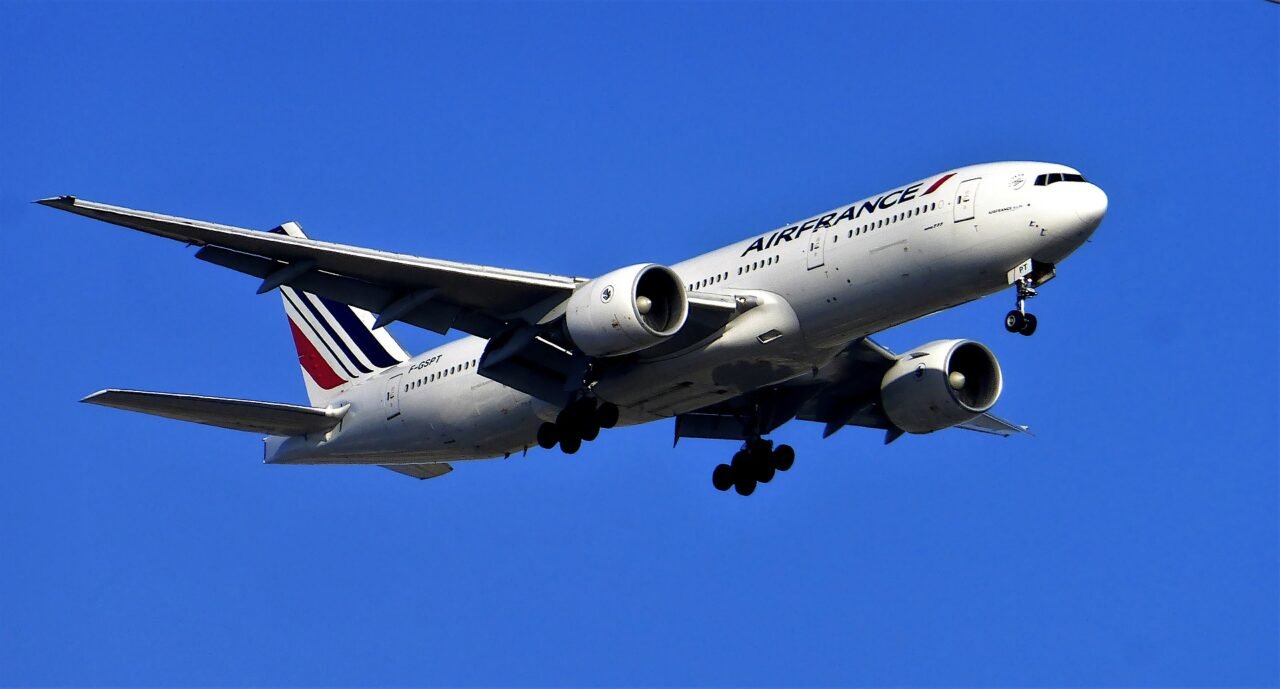
Several major airlines operate routes from the UK to Southern Africa, with Johannesburg’s O.R. Tambo International Airport (JNB) in South Africa being the most common and often most convenient gateway. Other options include flying into:
- Johannesburg (JNB), South Africa: This is the most popular gateway, with numerous daily flights from London Heathrow (LHR) and London Gatwick (LGW). Airlines like British Airways, Virgin Atlantic, and South African Airways (though its operational status can vary) frequently service this route. From Johannesburg, you can catch a connecting flight to Gaborone (GBE) or Kasane (BBK) in Botswana.
- Windhoek (WDH), Namibia: Some travelers opt for Windhoek as their entry point, especially if their itinerary includes parts of Namibia. Airlines like Airlink and Ethiopian Airlines might offer routes, sometimes with a stop in Addis Ababa. From Windhoek, you can drive or take a short flight to Botswana.
- Gaborone (GBE), Botswana: While it’s possible to fly directly to Botswana’s capital, Gaborone, these flights almost always connect through a major African hub, most commonly Johannesburg.
- Kasane (BBK), Botswana: Kasane is a vital gateway for exploring the northern safari areas like Chobe National Park. Flights to Kasane usually originate from Johannesburg or Maun (MUB) and are often operated by smaller regional carriers.
- Maun (MUB), Botswana: Maun is the primary hub for accessing the Okavango Delta and the Moremi Game Reserve. Flights to Maun typically connect through Johannesburg or Gaborone.
When planning for 2026 or 2027, it’s advisable to start searching for flights at least 6-12 months in advance, especially if you aim for peak safari seasons (June to October) or wish to secure the best fares. Flight prices can fluctuate significantly based on demand, airline, and booking time.
Connecting Flights within Southern Africa
Once you land in your chosen gateway city (most commonly Johannesburg), you will need to catch a connecting flight to Botswana. This is usually a relatively short flight, typically 1-2 hours.
- Johannesburg to Gaborone (GBE): Airlink is a primary operator for this route.
- Johannesburg to Maun (MUB): Airlink and other regional carriers offer flights.
- Johannesburg to Kasane (BBK): Airlink and sometimes charter services operate flights.
Ensure you allow ample time for your connection, especially if you are arriving on an international flight and need to clear immigration and collect luggage before re-checking in for your domestic/regional flight. A minimum of 3-4 hours is recommended, but more is always better to avoid stress, particularly when dealing with potential flight delays.
Visa Requirements for UK Citizens Traveling to Botswana
For UK citizens planning a trip to Botswana for tourism purposes, visa requirements are generally straightforward. As of recent information, UK passport holders do not require a visa for stays of up to 90 days for tourism or business purposes.
Key Points for UK Citizens:
- Passport Validity: Your passport must be valid for at least six months beyond your intended stay and have at least two blank pages for entry and exit stamps.
- Entry Stamp: Upon arrival, immigration officials will stamp your passport with the duration of your permitted stay. It is crucial to check this stamp and ensure it aligns with your travel plans.
- Extension of Stay: If you wish to extend your stay beyond the initial 90 days, you will need to apply for an extension at the Department of Immigration in Gaborone or other major towns. This is usually possible but requires advance application.
While the general rule is no visa is required for UK citizens, it is always advisable to double-check the latest visa regulations with the Botswana High Commission in London or the official Botswana government immigration website before your travel date, especially when planning for 2026 or 2027, as regulations can change.
Best Time to Travel: Botswana’s Seasons and Your Safari
The timing of your travel from the UK to Botswana significantly impacts your safari experience. Botswana has distinct seasons, each offering different advantages:
- Dry Season (May to October): This is the most popular time for safaris.
- Pros: Vegetation thins out, making wildlife spotting easier as animals congregate around water sources. Pleasant temperatures, especially from June to August (cooler nights, warm days). Lower humidity and minimal rainfall. Excellent for game drives and walking safaris.
- Cons: Peak tourist season means higher prices for accommodation and flights. More crowded parks. Nights can be quite cold, especially in June and July, requiring warm clothing.
- Wet Season (November to April): Also known as the “Green Season.”
- Pros: Lush landscapes, dramatic skies, and fewer tourists. Lower prices for safaris and accommodation. Ideal for birdwatching as migratory birds arrive. Excellent for photography with vibrant scenery. Newborn animals are often seen.
- Cons: Some roads can become impassable due to heavy rains, potentially limiting access to certain areas (especially in the Okavango Delta). Wildlife can be more dispersed. Higher humidity and temperatures. Mosquitoes are more prevalent.
- Shoulder Seasons (April-May and October-November): These periods can offer a good balance.
- Pros: Transition weather, fewer crowds than peak season, and potentially better value. Wildlife viewing is still generally good.
- Cons: Weather can be unpredictable.
For 2026-2027 travel, if your priority is maximizing wildlife sightings and comfortable game viewing, the dry season (June-October) is generally recommended. If you prefer a more budget-friendly trip with stunning scenery and fewer crowds, consider the wet season or shoulder months.
Choosing Your Entry Point and Onward Travel within Botswana
Once your international flight lands, the next step is navigating your arrival in Botswana and proceeding to your safari destination. The choice of entry airport often depends on your final safari location.
Gaborone (GBE) – Sir Seretse Khama International Airport
As the capital city, Gaborone is Botswana’s primary international gateway. It handles a significant portion of air traffic into the country.
- Pros: Well-connected to regional hubs like Johannesburg. Offers access to southern Botswana regions and is a good starting point for overland travel. Government offices and amenities are readily available.
- Cons: It’s not the closest airport to the prime safari destinations like the Okavango Delta or Chobe National Park. Further travel (either by domestic flight or long drive) is required to reach these iconic areas.
From Gaborone, you can:
- Take a domestic flight to Maun (MUB) or Kasane (BBK).
- Arrange for a private transfer or join a group overland tour heading north.
- Rent a 4×4 vehicle if you are comfortable with self-driving, though this is only recommended for experienced drivers and for specific routes.
Kasane (BBK) – Gateway to Chobe and the Caprivi Strip
Kasane Airport is strategically located for those wishing to experience the wildlife-rich Chobe National Park, famous for its massive elephant herds, and the adjacent Caprivi Strip in Namibia.
- Pros: Excellent proximity to Chobe National Park, making it ideal for a shorter safari duration focused on this area. Offers easy access to boat safaris on the Chobe River and game drives.
- Cons: Fewer flight options compared to Gaborone. Flights are typically from Johannesburg or Maun. It is not the ideal entry point for the Okavango Delta.
From Kasane, most safari lodges offer transfers directly to their properties, often involving a short drive from the airport.
Maun (MUB) – The Okavango Delta Hub
Maun is the tourism capital of Botswana and the main gateway to the magnificent Okavango Delta, Moremi Game Reserve, and the wider delta region.
- Pros: Direct access to the heart of Botswana’s most famous safari areas. Numerous lodge transfers and light aircraft operations depart from Maun.
- Cons: Can be a busy and sometimes chaotic town. Flights to Maun often require a connection through Johannesburg or Gaborone.
From Maun, your safari lodge will typically arrange a light aircraft transfer or a 4×4 transfer to your accommodation within the Delta or surrounding reserves. These transfers are often part of your safari package.
Light Aircraft Transfers: An Essential Botswana Experience
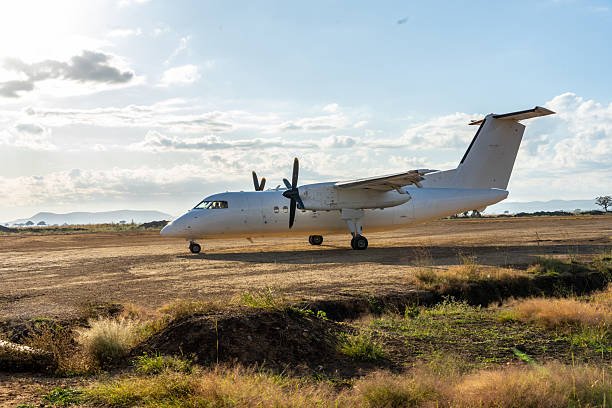
For many visitors heading to lodges within the Okavango Delta and other remote areas, light aircraft transfers are not just transportation but an integral part of the safari experience. These small planes offer:
- Spectacular Aerial Views: Flying low over the Delta provides impressive perspectives of the waterways, wildlife, and landscape that are impossible to appreciate from the ground.
- Access to Remote Lodges: Many lodges are situated in exclusive concessions far from any roads, making light aircraft the only practical way to reach them.
- Time Efficiency: They significantly reduce travel time, allowing you to spend more time on safari activities.
Important Considerations for Light Aircraft Transfers:
- Luggage Restrictions: Strict weight limits (usually 20 kg / 44 lbs) apply, and luggage must be in soft-sided duffel bags, not hard suitcases.
- Flight Scheduling: Flights are usually scheduled for daylight hours and are often dictated by lodge transfers and passenger numbers.
- Cost: These transfers are often included in all-inclusive safari packages but can be a significant additional cost if booked separately.
Preparing for Your Trip: Essential Travel Tips for Botswana
Beyond flights and visas, several practical aspects need attention when planning your travel from the UK to Botswana. Getting these details right ensures a smoother and more enjoyable journey.
Health and Vaccinations
Consulting a travel clinic or your GP well in advance of your trip (ideally 6-8 weeks before departure for 2026-2027 travel) is crucial for receiving up-to-date advice on necessary vaccinations and malaria precautions.
- Malaria: Botswana is a malaria-endemic country, particularly during the wet season (November to April). Your doctor will advise on the most suitable antimalarial medication for you. It’s also important to use insect repellent containing DEET, wear long sleeves and trousers in the evenings, and sleep under mosquito nets where provided.
- Recommended Vaccinations: Routine vaccinations should be up-to-date. Depending on your travel history and specific activities, your doctor might recommend vaccinations for Hepatitis A, Typhoid, and potentially others like Yellow Fever (though not typically required for direct entry from the UK, proof of vaccination may be required if arriving from a country with a risk of Yellow Fever). Tetanus and Polio boosters are also advisable.
- Travel Insurance: Comprehensive travel insurance is essential. Ensure it covers medical emergencies, evacuation (including air ambulance), trip cancellation, and lost luggage. For Botswana, medical evacuation coverage is particularly important due to the remote nature of many safari areas.
Currency and Budgeting
The currency in Botswana is the Botswana Pula (BWP).
- Cash: While credit cards are accepted in larger hotels, lodges, and some shops in major towns, carrying some cash is essential, especially for smaller purchases, tips, and in more remote areas. ATMs are available in Gaborone, Francistown, Maun, and Kasane, but it’s wise to have some Pounds Sterling or US Dollars (which are sometimes accepted, though Pula is preferred) as a backup.
- Credit Cards: Visa and MasterCard are the most widely accepted. Inform your bank of your travel dates to avoid your cards being blocked for suspected fraud.
- Budgeting: Botswana is generally considered a more expensive safari destination due to its low-impact, high-revenue tourism model, which focuses on preserving the environment and wildlife. Costs can vary significantly based on accommodation style, length of stay, and activities. A mid-range safari in 2026-2027 could range from $300 to $700+ per person per day, often including accommodation, meals, standard drinks, park fees, and some activities. Luxury lodges can easily exceed $1000 per person per day. International flights from the UK can add another £700-£1500+ per person depending on the season and booking time.
Packing Essentials for a Botswana Safari
Packing light and smart is key, especially with luggage restrictions on light aircraft transfers. Focus on practical, comfortable clothing suitable for a safari environment.
- Clothing: Neutral-colored clothing (khaki, beige, olive green, brown) is best for safaris to avoid startling wildlife. Avoid bright colors and black/dark blue, which can attract tsetse flies. Pack light layers: T-shirts, long-sleeved shirts for sun and insect protection, a fleece or warm jacket for cool evenings and early mornings, and comfortable trousers/shorts. A light rain jacket is useful during the wet season.
- Footwear: Comfortable walking shoes or hiking boots (if planning walking safaris) and sandals or flip-flops for relaxing at the lodge.
- Sun Protection: High SPF sunscreen, a wide-brimmed hat, and sunglasses are essential.
- Insect Repellent: A strong repellent containing DEET.
- Health Kit: Personal medications, basic first-aid items, antiseptic wipes, pain relievers, and any prescribed antimalarials.
- Optics: Binoculars are a must for wildlife viewing.
- Camera: With extra batteries and memory cards. Consider a zoom lens for wildlife photography.
- Adapter: Botswana uses Type D and Type G electrical outlets (the UK standard). A universal adapter is recommended. Voltage is 230V.
- Personal Items: Toiletries, swimwear (many lodges have pools), a headlamp or flashlight, and a good book.
Connectivity and Communication
Internet access can be limited and slow in remote safari lodges. While some lodges offer Wi-Fi, it’s often best in common areas and may not be reliable. Mobile phone coverage is generally available in major towns but is scarce in national parks and reserves. Consider purchasing a local SIM card if you need to stay connected, or rely on your lodge’s Wi-Fi for essential communications. WhatsApp is a common communication tool in Botswana.
Botswana’s Top Safari Destinations: Planning Your Itinerary
How to travel from UK to Botswana is only the first question; the second is where to go. Botswana offers a diverse range of ecosystems and wildlife experiences.
The Okavango Delta: A Unique Water Wilderness
The Okavango Delta is a UNESCO World Heritage Site and one of the world’s largest inland deltas. It’s a labyrinth of channels, lagoons, islands, and floodplains teeming with wildlife.
- Activities: Mokoro (traditional dugout canoe) excursions, boat cruises, walking safaris, and game drives (in surrounding private concessions).
- Wildlife: Known for elephants, hippos, crocodiles, lions, leopards, wild dogs, and a vast array of birdlife.
- Access: Primarily via light aircraft from Maun (MUB) or Kasane (BBK).
- Best Time to Visit: The Delta floods between June and September, making this the peak viewing season.
Chobe National Park: The Elephant Kingdom
Bordering the Okavango Delta and the Zambezi River, Chobe is renowned for its immense elephant population, especially along the Chobe Riverfront.
- Activities: Game drives, boat safaris on the Chobe River (highly recommended for viewing elephants and other wildlife coming to drink), and fishing.
- Wildlife: Huge herds of elephants, large numbers of hippos and crocodiles, lions, buffalos, and diverse birdlife.
- Access: Kasane Airport (BBK) is the main gateway. Accessible by road from Victoria Falls (Zimbabwe/Zambia) and Livingstone (Zambia).
- Best Time to Visit: Year-round, but the dry season (May-October) concentrates wildlife along the river.
The Kalahari Desert: Vast and Undulating Landscapes
Botswana’s Kalahari Desert is not a typical sandy desert but a vast, semi-arid savanna with unique adaptations for life and wildlife.
- Activities: Game drives focused on desert-adapted species, cultural interactions with the San people (Bushmen), and stargazing.
- Wildlife: Kalahari lions, meerkats, springboks, gemsboks, and unique desert-adapted predators and prey.
- Access: Central Kalahari Game Reserve (CKGR) is typically accessed via 4×4 vehicles from towns like Ghanzi or Maun. Makgadikgadi Pans National Park is also accessible by 4×4.
- Best Time to Visit: The shoulder seasons (e.g., May-June, October-November) offer pleasant temperatures and good wildlife viewing. The green season can bring dramatic landscapes.
Central Kalahari Game Reserve (CKGR)
The CKGR is one of the largest game reserves in the world, offering a true wilderness experience.
- Features: Vast open plains, fossilized riverbeds, and unique desert-adapted wildlife.
- Self-Drive: Best suited for experienced 4×4 self-drivers, though guided trips are also available.
- Wildlife: Known for its black-maned lions, cheetahs, leopards, meerkats, springboks, oryx, and the elusive brown hyena.
Makgadikgadi Pans National Park
These are some of the largest salt pans in the world, creating an otherworldly landscape, especially during the dry season.
- Features: Vast, flat salt pans that transform into a shallow lake during the wet season, attracting flamingos and other water birds.
- Activities: Quad biking across the pans (in designated areas), interacting with habituated meerkats, and exploring the unique ecosystem.
- Wildlife: Zebras, wildebeest, flamingos (in season), and meerkats.
Sample Itinerary Considerations for 2026-2027
To give you an idea of how to structure your trip from the UK to Botswana, here are a few sample itinerary concepts. These are highly customizable based on your interests, budget, and desired pace.
Option 1: Classic Botswana (Okavango Delta & Chobe) – 10 Days
- Days 1-2: Arrive in Johannesburg (JNB), overnight. Connect to Maun (MUB) the next day, transfer to your Okavango Delta lodge.
- Days 3-5: Explore the Okavango Delta (mokoro, boat safaris, game drives).
- Day 6: Light aircraft transfer from the Delta to Kasane (BBK). Check into your Chobe lodge.
- Days 7-8: Game drives and boat safaris in Chobe National Park.
- Day 9: Transfer to Kasane Airport (BBK) for your flight back to Johannesburg. Overnight in Johannesburg.
- Day 10: Depart from Johannesburg (JNB) to the UK.
Option 2: Botswana Explorer (Delta, Chobe & Victoria Falls) – 12 Days
- Days 1-2: Arrive in Johannesburg (JNB), overnight. Connect to Maun (MUB), transfer to Okavango Delta lodge.
- Days 3-5: Okavango Delta activities.
- Day 6: Light aircraft transfer to Kasane (BBK), check into Chobe lodge.
- Days 7-8: Chobe National Park (game drives, river cruise).
- Day 9: Transfer to Victoria Falls (Zimbabwe) or Livingstone (Zambia) for a 2-night stay.
- Days 10-11: Explore Victoria Falls (the falls themselves, optional activities like bungee jumping, helicopter flights).
- Day 12: Fly from Victoria Falls (VFA) or Livingstone (LVI) back to Johannesburg (JNB) for your onward flight to the UK.
Option 3: Deep Botswana (Delta, Chobe & Kalahari) – 14 Days
- Days 1-2: Arrive in Johannesburg (JNB), overnight. Connect to Maun (MUB), transfer to Okavango Delta lodge.
- Days 3-5: Okavango Delta exploration.
- Day 6: Light aircraft transfer to a lodge in a private concession bordering Chobe or within the park itself.
- Days 7-9: Chobe National Park (game drives, river cruises).
- Day 10: Fly from Kasane (BBK) to Maun (MUB), then transfer by 4×4 to a lodge in the Makgadikgadi Pans or Central Kalahari.
- Days 11-12: Explore the pans/Kalahari (unique landscapes, wildlife, cultural visits).
- Day 13: Fly from Maun (MUB) back to Johannesburg (JNB).
- Day 14: Depart from Johannesburg (JNB) to the UK.
These are just frameworks. For 2026-2027, consider booking a tailor-made itinerary with a reputable tour operator who can handle all the logistics, from international flights to internal transfers and lodge bookings.
Booking Your Botswana Safari: Working with Tour Operators
While it’s possible to book flights and lodges independently, using a tour operator, especially one specializing in African travel, can significantly simplify the process of traveling from the UK to Botswana.
Why Use a Tour Operator?
- Expertise: They have in-depth knowledge of Botswana’s destinations, lodges, and logistics.
- Logistics Management: They handle all flight bookings (international and domestic), transfers, and accommodation arrangements.
- Value: They often have established relationships with lodges and airlines, which can translate into better pricing or added value.
- Customization: They can create bespoke itineraries tailored to your specific interests and budget.
- Support: They provide support before, during, and after your trip, which is invaluable when traveling to a remote destination.
Choosing the Right Tour Operator
Look for operators with:
- Specialization in Botswana and Southern Africa.
- Positive reviews and testimonials (e.g., on TripAdvisor).
- Clear communication and responsiveness.
- Accreditation from relevant travel industry bodies.
For those looking for trusted expertise in East and Southern Africa, companies like Top Guide Adventures can assist in planning comprehensive safari experiences. They have a strong track record in Tanzania and can leverage their network to help coordinate complex Southern Africa itineraries. You can reach them via WhatsApp +255616946642 or email at topguideadventures@gmail.com or info@topguideadventurestanzania.com.
Booking Timeline for 2026-2027
For popular travel periods, especially during the dry season (June-October), booking 9-12 months in advance is highly recommended for 2026 and 2027 travel to secure preferred lodges and flight availability. For travel during the shoulder or wet seasons, 6-9 months might suffice, but early booking always offers more choice and potentially better rates.
Navigating the Practicalities: What to Expect on Arrival
Your arrival in Botswana marks the beginning of your adventure. Understanding the process at the airport and your initial movements will ease any potential anxieties.
Airport Procedures
At your point of entry (likely Gaborone or Kasane after connecting from Johannesburg), you will go through immigration and customs.
- Immigration: Present your passport and any necessary travel documents. Immigration officers will stamp your passport with your permitted duration of stay.
- Baggage Claim: Collect your checked luggage.
- Customs: Declare any items that are prohibited or require declaration. Generally, personal effects are allowed without issue.
- Meeting Your Transfer: If you have pre-booked a safari package, your representative or lodge guide will typically meet you in the arrivals hall, holding a sign with your name or the company’s name.
Ground Transportation
Once you have cleared immigration and customs, your onward journey will depend on your itinerary.
- Safari Lodge Transfers: For most visitors, a 4×4 vehicle transfer to their safari lodge will be arranged. These transfers are often part of the safari package.
- Self-Drive: If you are renting a 4×4, you will collect it from the rental agency at the airport or a city office. Ensure you have all necessary documentation, including an international driving permit and the vehicle’s registration papers. Driving in Botswana can be challenging, especially in remote areas or during the wet season.
- Taxis and Shuttles: Available in Gaborone and other larger towns for local transport.
Frequently Asked Questions (FAQs) for UK to Botswana Travel
Here are some common questions travelers from the UK might have when planning their trip to Botswana.
What is the best way to travel from the UK to Botswana?
The most practical way is by flying. You’ll typically fly from a major UK airport (like London Heathrow) to a Southern African hub such as Johannesburg (South Africa), and then take a connecting flight to one of Botswana’s international airports like Gaborone (GBE), Maun (MUB), or Kasane (BBK).
How long does it take to fly from the UK to Botswana?
The total travel time, including layovers, can range from 12 to 20 hours or more, depending on the airline, route, and duration of your connection.
Do UK citizens need a visa for Botswana?
Typically, UK passport holders do not require a visa for tourist stays of up to 90 days. However, always verify the latest entry requirements with the Botswana High Commission or official government sources before your travel date for 2026-2027.
What is the best time of year to visit Botswana?
The dry season, from May to October, is considered peak season for wildlife viewing due to thinner vegetation and animals congregating around water sources. The wet season (November to April) offers lush landscapes and fewer crowds, ideal for birdwatching and photography.
Is Botswana an expensive safari destination?
Yes, Botswana is generally considered a premium safari destination. Its low-volume, high-cost tourism model aims to protect its pristine environment and wildlife, leading to higher prices for accommodation and safari packages compared to some other African countries. Expect to budget from $300 to $700+ per person per day for mid-range safaris in 2026-2027, excluding international flights.
What should I pack for a Botswana safari?
Pack light, neutral-colored clothing, comfortable walking shoes, sun protection (hat, sunscreen, sunglasses), insect repellent, a warm layer for cool evenings, binoculars, and your camera. Remember luggage restrictions on light aircraft transfers often require soft-sided bags.
Can I drive from the UK to Botswana?
No, it is not feasible to drive from the UK to Botswana. The journey involves crossing multiple continents and countries, making flying the only practical option.
When should I book my Botswana trip for 2026 or 2027?
For popular travel times, especially during the dry season, booking 9-12 months in advance is highly recommended for 2026 and 2027 to secure the best lodges and flights.
Conclusion: Your Botswana Adventure Awaits
Traveling from the UK to Botswana is a journey that promises incredible rewards: unparalleled wildlife encounters, stunning landscapes, and a chance to experience one of Africa’s most pristine natural environments. While the logistics involve international flights and careful planning, breaking down the process into manageable steps – from understanding flight routes and visa requirements to choosing the best time to visit and preparing your packing list – makes it entirely achievable.
Whether you opt for the watery wonders of the Okavango Delta, the elephant-rich plains of Chobe, or the vastness of the Kalahari, Botswana offers a safari experience like no other. Planning for 2026 or 2027 means you have ample time to research, book, and anticipate the adventure. Consider working with experienced tour operators like Top Guide Adventures (WhatsApp +255616946642, topguideadventures@gmail.com, info@topguideadventurestanzania.com) who can help craft your perfect Botswana itinerary, ensuring a smooth and unforgettable journey from the UK to the heart of Africa.
“,
“faq_schema”: [
{
“question”: “What is the best way to travel from the UK to Botswana?”,
“answer”: “The most practical way is by flying. You’ll typically fly from a major UK airport (like London Heathrow) to a Southern African hub such as Johannesburg (South Africa), and then take a connecting flight to one of Botswana’s international airports like Gaborone (GBE), Maun (MUB), or Kasane (BBK).”
},
{
“question”: “How long does it take to fly from the UK to Botswana?”,
“answer”: “The total travel time, including layovers, can range from 12 to 20 hours or more, depending on the airline, route, and duration of your connection.”
},
{
“question”: “Do UK citizens need a visa for Botswana?”,
“answer”: “Typically, UK passport holders do not require a visa for tourist stays of up to 90 days. However, always verify the latest entry requirements with the Botswana High Commission or official government sources before your travel date for 2026-2027.”
},
{
“question”: “What is the best time of year to visit Botswana?”,
“answer”: “The dry season, from May to October, is considered peak season for wildlife viewing due to thinner vegetation and animals congregating around water sources. The wet season (November to April) offers lush landscapes and fewer crowds, ideal for birdwatching and photography.”
},
{
“question”: “Is Botswana an expensive safari destination?”,
“answer”: “Yes, Botswana is generally considered a premium safari destination. Its low-volume, high-cost tourism model aims to protect its pristine environment and wildlife, leading to higher prices for accommodation and safari packages compared to some other African countries. Expect to budget from $300 to $700+ per person per day for mid-range safaris in 2026-2027, excluding international flights.”
},
{
“question”: “What should I pack for a Botswana safari?”,
“answer”: “Pack light, neutral-colored clothing, comfortable walking shoes, sun protection (hat, sunscreen, sunglasses), insect repellent, a warm layer for cool evenings, binoculars, and your camera. Remember luggage restrictions on light aircraft transfers often require soft-sided bags.”
},
{
“question”: “Can I drive from the UK to Botswana?”,
“answer”: “No, it is not feasible to drive from the UK to Botswana. The journey involves crossing multiple continents and countries, making flying the only practical option.”
},
{
“question”: “When should I book my Botswana trip for 2026 or 2027?”,
“answer”: “For popular travel times, especially during the dry season, booking 9-12 months in advance is highly recommended for 2026 and 2027 to secure the best lodges and flights.”
}
]
}
“`
Check Availability for How To Travel From Uk To Botswana 2026-2027
Ready to compare dates, prices, and the best option for your group? Send the package name and travel month so the team can reply with a clear quote, availability, and what is included.



